
Classification of Tubifex
Tubifex is a type of tubificid segmented worm that lives in the sediments of lakes and rivers throughout multiple continents. It is also known as the sludge worm, sewage worm, or just tubifex worm. Tubifex probably contains a number of species, but it is challenging to differentiate between them since the reproductive organs, which are frequently used to identify species, are resorbed after mating and because the worm’s outward features change with salinity. These worms absorb chemicals through their body walls, consume sediments, and selectively break down microorganisms. Tubifex worms’ consumption of microplastics poses a serious concern to the trophic transmission and biomagnification of microplastics up the aquatic food chain.
Similar to frogs, the worms can exchange carbon dioxide and oxygen via their thin skins and survive in low oxygen environments by waving hemoglobin-rich tail ends to take advantage of all available oxygen. Additionally, they can thrive in highly organic matter-polluted regions that are nearly impossible for other species to exist. T. tubifex may withstand drought and food scarcity by developing a protective cyst and reducing its metabolic rate. Encystment may potentially play a role in the worm’s spread. They typically live at the bottom sediments of rivers, lakes, and occasionally outlets and sewer lines.
Kingdom :- Animalia (Multicellular eukaryotic organisms)
Phylum :- Annelida (Segmented worms with true coelom and metamerism)
Class :- Oligochaeta (Few setae)
Order :- Archioligochaeta (Small and fresh-water forms.)
Genus :- Tubifex
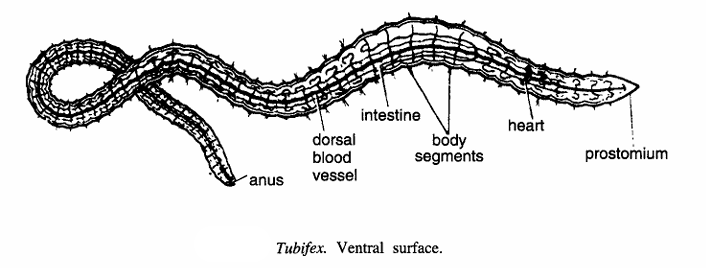
Habit and habitat of Tubifex
Tubifex is a tubicolous fresh-water archioligochaete, found abundantly on the bottom of deep lakes. The animal lives in tubes, made up of mud and minerals glued together by mucus.
Distribution
It is found in U.S.A. (Long Island Sound to Maine).
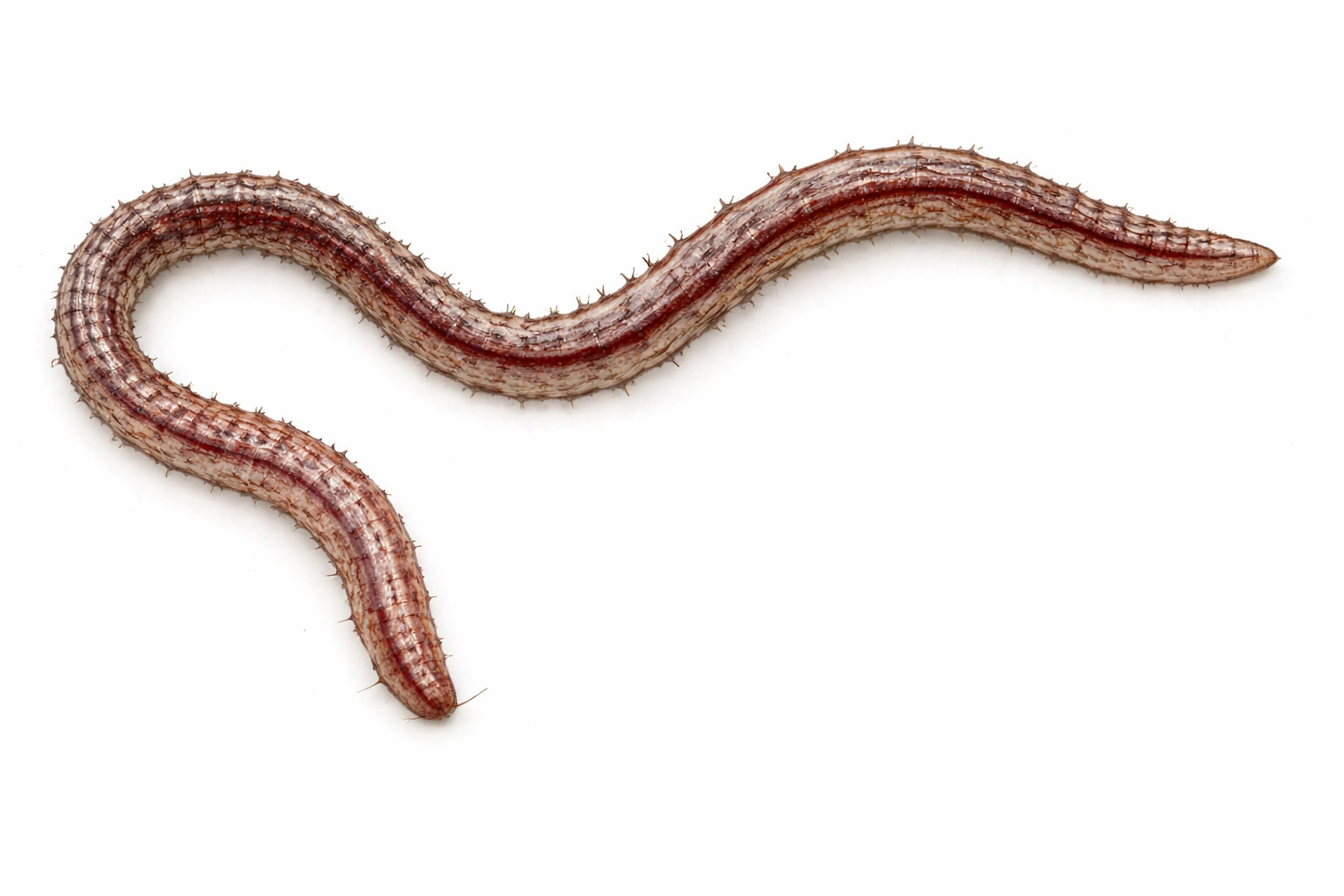
Comments of Tubifex
- Body is cylindrical, red coloured, metamerically segmented measuring 4 cm in length
- First and second segments are prostomium and peristomium respectively.
- Each segment contains 4 bundles of setae on dorsal and ventral sides.
- Setae forked and hair-like in the dorsal bundles and only forked ones in ventral bundles.
- Clitellum is found in 11th and 12th segments. Contractile heart is found in 8th segment.
- Female-genital pores in the 11th segment and male-genital pore in the 12th segment. Hermaphroditic.
- It reproduces sexually only.
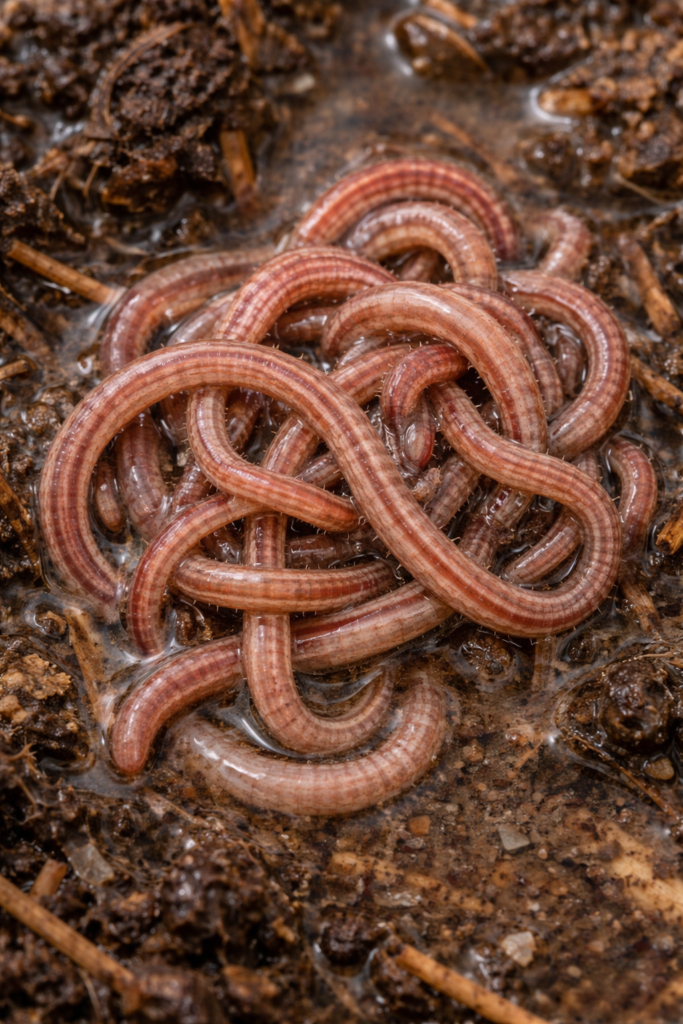
Special features
Tubifex is encouraged to grow in filter beds of sewage disposal plants in order to keep the filter open. They have probably purifactory functions.
Identification
Since the animal contains 4-bundles of setae in each segment and all above features hence it is Tubifex.
See other posts also
- HYDROSTATIC MOVEMENT
- Vertebrates : Definition, Classification and Characteristics
- TYPES OF BEAKS IN BIRDS
- ORGANIZATION OF COELOM
- LOWER JAWS OR MANDIBLES IN VERTEBRATE
Discover more from Zoologyverse
Subscribe to get the latest posts sent to your email.