Histological Slides

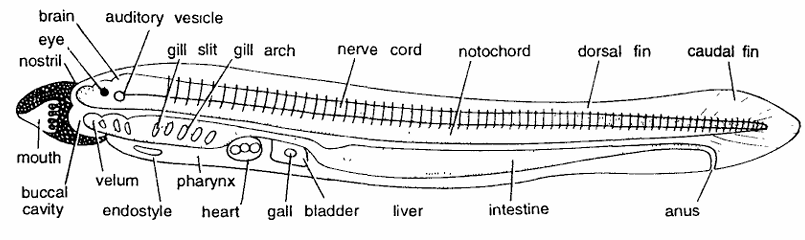
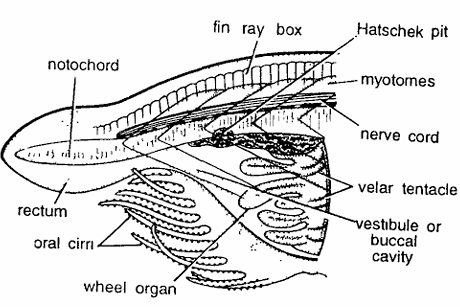
Amphioxus Slides : V.L.S. Anterior Region

AMPHIOXUS SLIDES

Amphioxus slides are essential teaching tools used in zoology and comparative anatomy to study the structural features of Branchiostoma (Amphioxus), a primitive chordate. These prepared slides display key characteristics such as the notochord, dorsal nerve cord, myotomes, pharyngeal gill slits, and segmented musculature. Students and researchers use Amphioxus slides to observe the organism’s simple yet […]

AMPHIOXUS SLIDES Read More »

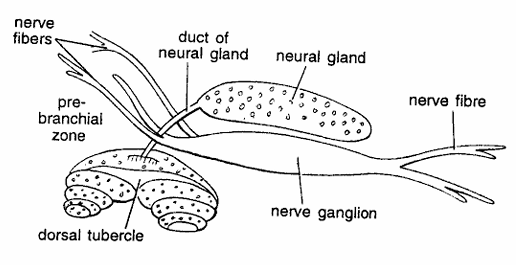
Herdmania Slides : Neural Complex

HERDMANIA SLIDES

Herdmania slides are widely used in zoology laboratories to study the structural organization of Herdmania, a simple urochordate belonging to the subphylum Tunicata. These slides typically include transverse and longitudinal sections showing the tunic, branchial sac, stigmata, gonads, and nerve ganglion. Students observe Herdmania slides to understand its filter-feeding system, retrogressive metamorphosis, and its significance

HERDMANIA SLIDES Read More »

CYCLOSTOMATA SLIDES of Ammocoete Larva

Cyclostomata slides of the Ammocoete larva are essential in zoology to study the early developmental stage of lampreys. These slides show key chordate features such as the notochord, gill pouches, dorsal nerve cord, myotomes, and larval mouth structures. Students use Ammocoete slides to understand primitive vertebrate anatomy, filter-feeding mechanisms, and evolutionary links between cyclostomes and

CYCLOSTOMATA SLIDES of Ammocoete Larva Read More »

FISH SLIDES (SCOLIODON)

FISH SLIDES (SCOLIODON)

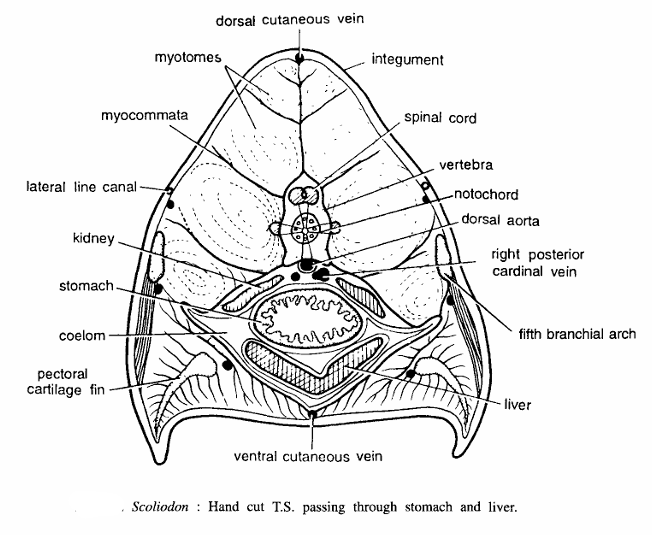
Fish slides of Scoliodon are widely used in zoology laboratories to study the internal and external anatomy of the spiny dogfish shark. These slides typically display structures such as the gills, fins, vertebrae, muscle blocks, and sensory organs. Students examine Scoliodon slides to understand cartilaginous fish morphology, respiratory adaptations, and evolutionary features that distinguish elasmobranchs

FISH SLIDES (SCOLIODON) Read More »

AMPHIBIAN SLIDES (FROG)

AMPHIBIAN SLIDES (FROG)

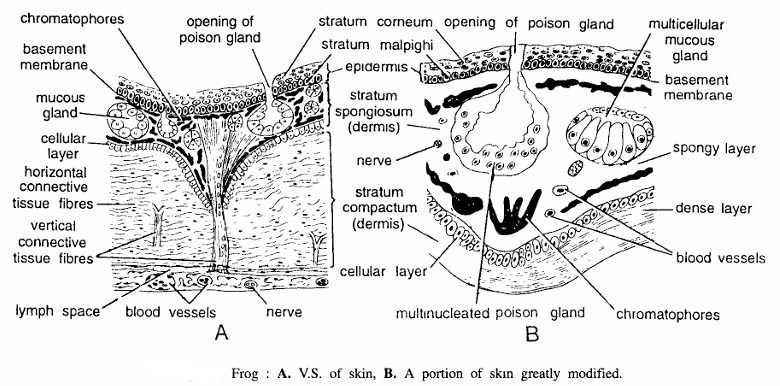
Amphibian slides of the frog are commonly used in zoology practicals to study the structural organization of a typical vertebrate. These slides often include transverse and longitudinal sections of skin, muscle, intestine, liver, kidney, ovary, testis, and blood vessels. Students examine frog slides to understand amphibian adaptations, organ systems, epithelial types, and basic vertebrate anatomy.

AMPHIBIAN SLIDES (FROG) Read More »

REPTILE SLIDES (LIZARD)

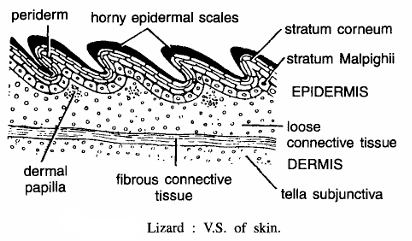
REPTILE SLIDES (LIZARD)

Reptile slides of the lizard are widely used in zoology laboratories to study the tissue structure and organ organization of a typical reptile. These slides often include sections of skin, muscle, intestine, liver, kidney, testis, ovary, and scales. Students use lizard slides to understand reptilian adaptations such as keratinized epidermis, well-developed lungs, and efficient circulatory

REPTILE SLIDES (LIZARD) Read More »

Bird Slides (Pigeon)

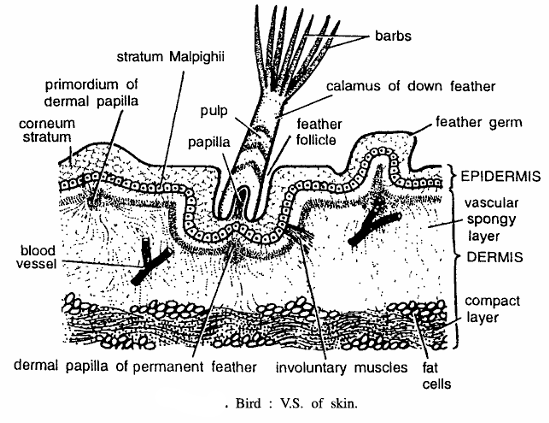
BIRD SLIDES (Pigeon)

Bird slides are commonly used in zoology and histology practicals to study the specialized tissues and organ systems of avian species. These slides often include sections of feathers, skin, muscle, lung, intestine, liver, kidney, ovary, and testis. Students examine bird slides to understand adaptations such as lightweight bones, efficient respiration, and high metabolic rate. Because

BIRD SLIDES (Pigeon) Read More »

Mammal Slides : Rabbit Slides

MAMMAL SLIDES : RABBIT SLIDES

Mammal Slides or Rabbit slides are widely used in zoology and histology practicals to study the tissue structure and organ systems of mammals. These slides typically include transverse and longitudinal sections of skin, muscle, intestine, liver, kidney, lung, heart, ovary, and testis. Students examine rabbit slides to understand mammalian characteristics such as hair, endothermy, four-chambered

MAMMAL SLIDES : RABBIT SLIDES Read More »