
Classification of Acanthobdella
Acanthobdella peledina is a species of parasite that has adapted to the cold. It is a fish parasite that mostly inhabits the skin of salmonid fish in Fennoscandiae. The sardine cisco (Coregonus sardinella) is one of the fish in Alaska that is parasitized by A. peledina. The anterior ends of the worms were lodged in the epidermis and muscular tissue right behind the pelvic fins. A. peledina adheres to fish bodies and feeds on blood, skin, fins, and flesh; nevertheless, humans are not harmed by this parasite, and the fish can be washed and prepared normally.
Kingdom :- Animalia (Multicellular eukaryotic organisms)
Phylum :- Annelida (Segmented worms with true coelom and metamerism)
Class :- Hirudinea (Annelids with fixed segments, without parapodia and with anterior and posterior suckers)
Order :- Acanthobdellida (Antenor sucker, proboscis and jaws absent.)
Genus :- Acanthobdella
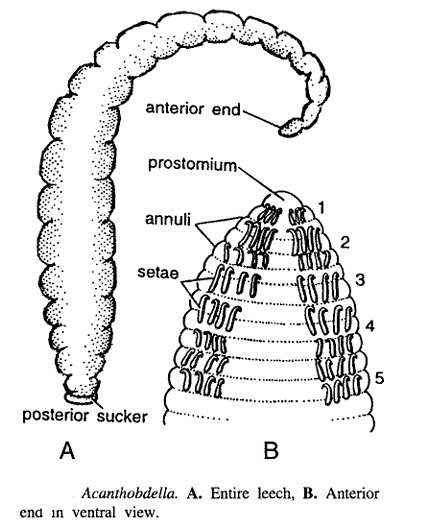
Habit and habitat of Acanthobdella
The order Acanthobdella includes a single genus Acanthobdella found as an ectoparasite on the caudal and anal fins of the salmon fish Salmo salvelinus
Distribution
Commonly present in West Siberia and N.E. Europe.
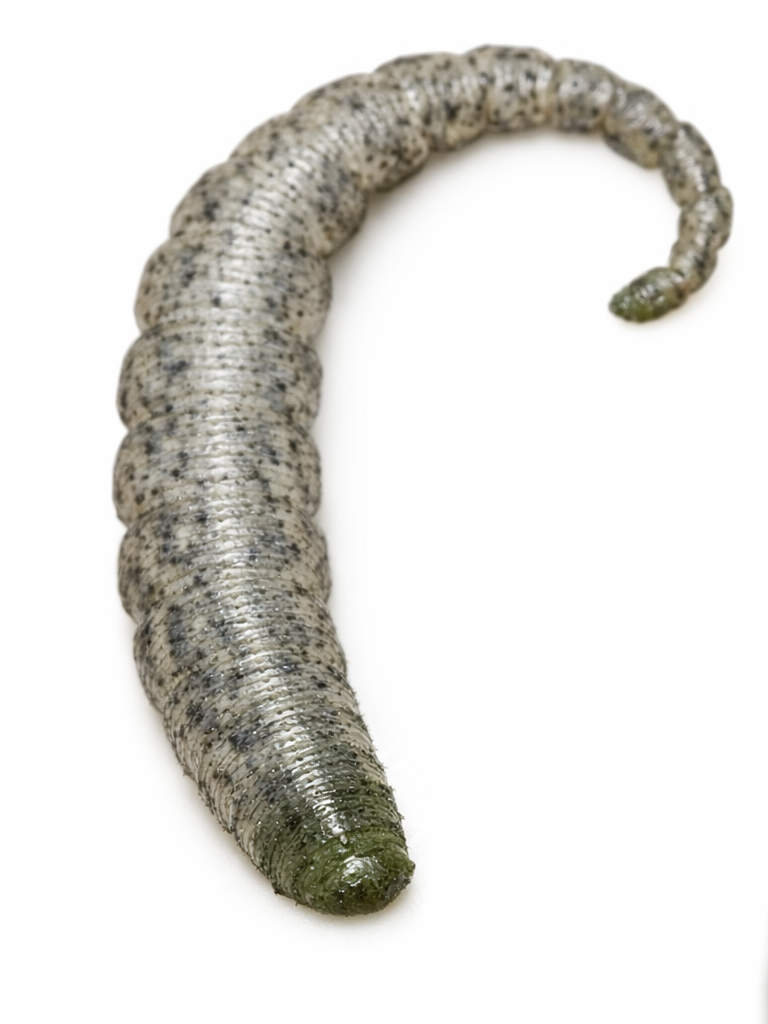
Comments of Acanthobdella
- Body consists of about 20 metameric segments only.
- Anterior sucker is absent.
- Posterior sucker is well developed and consists of four segments.
- Each ventro-Iateral sides of first five segments contain 4 pairs of setae embedded in setigerous sacs provided with retractor muscles.
- Body cavity (perivisceral) is incompletely divided by 20 transverse septa. Visceral peritoneum consists of flat globules, containing cells corresponding to chloragogen cells.
- Nephridia with both external and internal openings.
- Blood vascular system made of a dorsal and a ventral vessel and nervous system consists of 20 ventral ganglia of which the first and the last are composite.
Special features
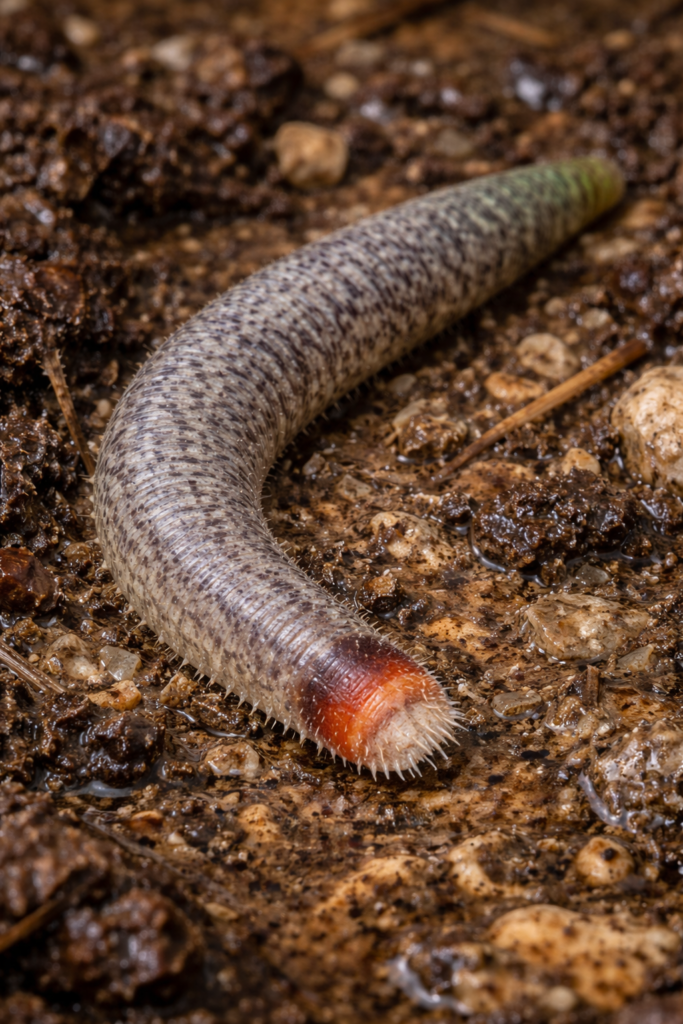
The external morphology strongly suggests that Acanthabdella is leech but Michaelson regarded it as oligochaeta due to setae and incomplete septa. However Acanthobdella represents good connecting link between earthworms and leeches.
Identification
Besides absence of anterior sucker, animal shows all above features, hence it is Acanthobdella.
See other posts also
- AMPHIBIAN SLIDES (FROG)
- DISSECTION OF FROG
- TYPES OF BEAKS IN BIRDS
- Hyla | Tree Frog
- BOMBINATOR | FIRE BELLIED TOAD
Discover more from Zoologyverse
Subscribe to get the latest posts sent to your email.