
Platyhelminthes

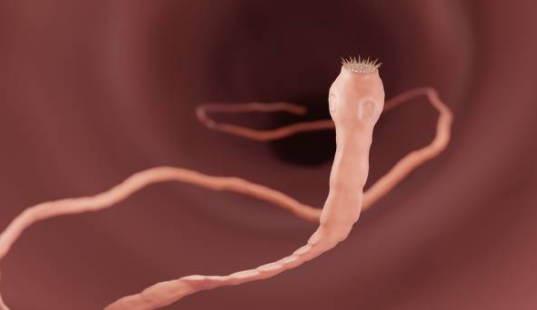
Moniezia expansa (Sheep Tapeworm)

Moniezia expansa (Sheep Tapeworm)

Introduction Moniezia expansa, commonly known as the sheep tapeworm or double-pored ruminant tapeworm, is a large cestode parasite inhabiting the small intestines of ruminants such as sheep, goats, and cattle. It is widespread in tropical and subtropical regions and is an important parasite for veterinary health due to its potential to cause monieziasis, especially in […]
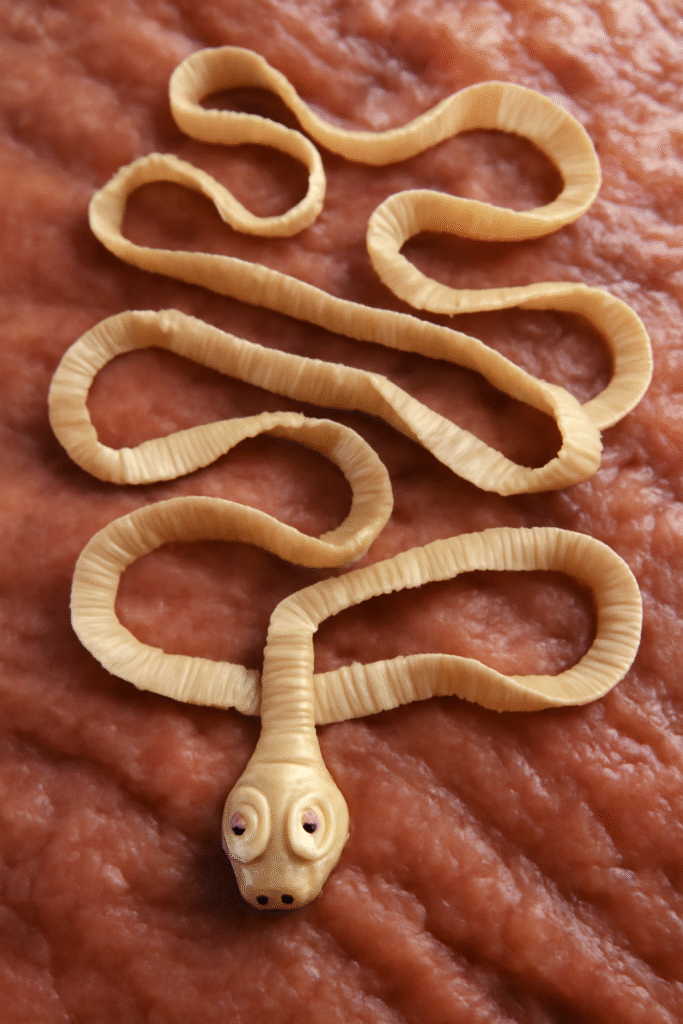
Moniezia expansa (Sheep Tapeworm) Read More »

Taenia saginata (Beef Tapeworm)

Taenia saginata (Beef Tapeworm)

Introduction Taenia saginata, commonly known as the beef tapeworm, is a parasitic cestode of major medical and veterinary importance. Belonging to the phylum Platyhelminthes and class Cestoda, it infects humans as the definitive host and cattle as the intermediate host. Humans acquire taeniasis by consuming raw or undercooked beef containing the infectious larval stage, called

Taenia saginata (Beef Tapeworm) Read More »

Taenia solium (Pork Tapeworm)

Taenia solium (Pork Tapeworm)

Introduction Taenia solium, commonly referred to as the pork tapeworm, is a parasitic flatworm of great medical and veterinary significance. It belongs to the phylum Platyhelminthes and class Cestoda. This tapeworm primarily infects humans as the definitive host and pigs as the intermediate host. Taenia solium causes two distinct diseases: taeniasis, an intestinal infection by

Taenia solium (Pork Tapeworm) Read More »

Classification of Fasciola hepatica

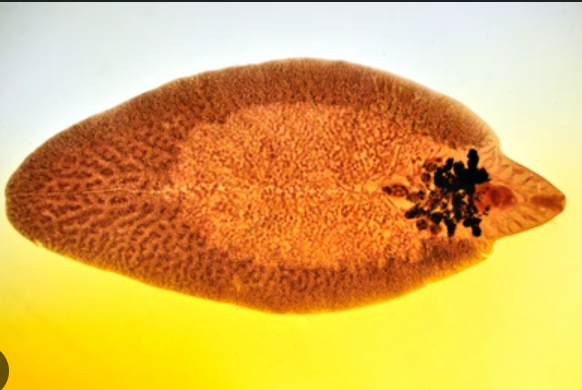
Fasciola hepatica (Sheep Liver Fluke)

Fasciola hepatica (Sheep Liver Fluke): Detailed Biology, Life Cycle, Habitat, and Global Impact Fasciola hepatica, commonly known as the sheep liver fluke or common liver fluke, is a parasitic flatworm belonging to the class Trematoda in the phylum Platyhelminthes. It is a significant parasite affecting the liver of various mammals with major implications for veterinary

Fasciola hepatica (Sheep Liver Fluke) Read More »

Classification of Bipalium

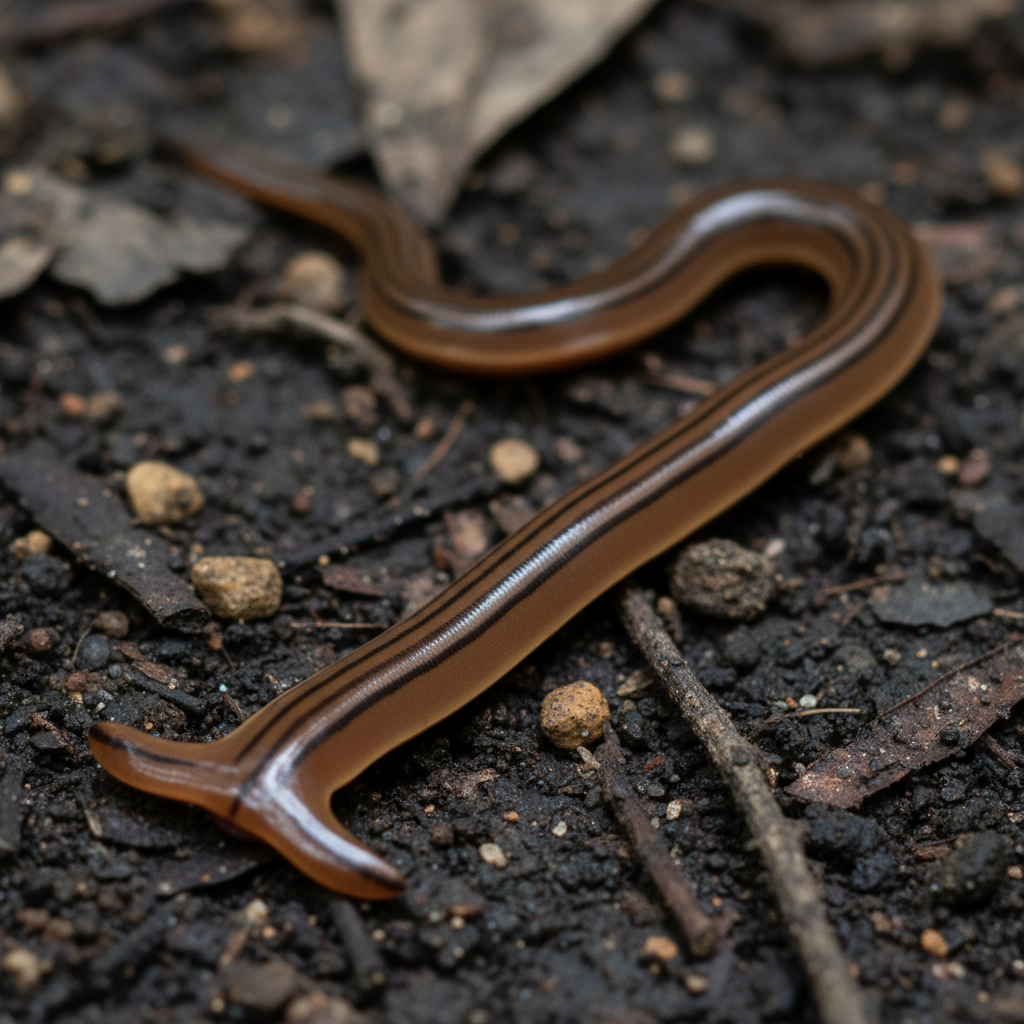
Bipalium

Introduction Bipalium is a genus of large, terrestrial predatory flatworms often called hammerhead worms or broadhead planarians due to their distinctive, expanded head shape. These land planarians are widely recognized for their predatory habits and invasive potential, making them remarkable subjects in ecological and biological studies. Bipalium species are notorious for preying mainly on earthworms

Bipalium Read More »

Platyhelminthes (Flatworms)

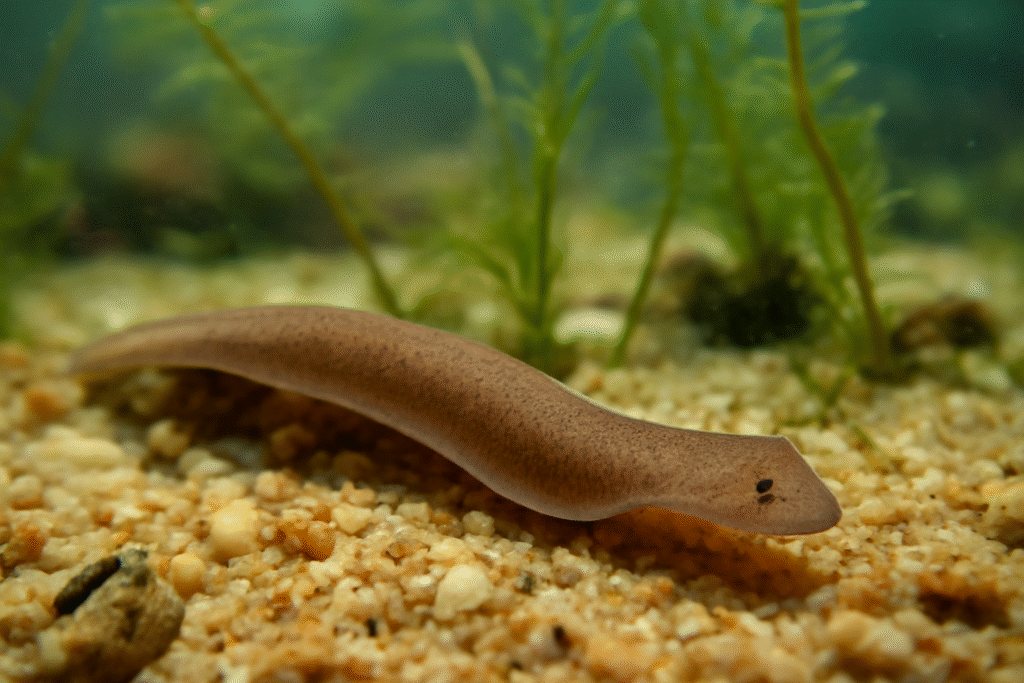
Dugesia (Planaria)

Dugesia Planaria: A Comprehensive Study Dugesia (Planaria) commonly known as planarian flatworms, belongs to the phylum Platyhelminthes. These are free-living, non-parasitic flatworms widely studied in developmental biology due to their extraordinary regenerative abilities. Found predominantly in freshwater bodies, Dugesia species play a critical ecological role by preying on small invertebrates and balancing aquatic ecosystems. Their

Dugesia (Planaria) Read More »

Platyhelminthes (Flatworms)

Platyhelminthes (Flatworms)

A Comprehensive Exploration of Platyhelminthes and Their Diverse Classes Platyhelminthes, commonly known as flatworms, represent one of the simplest yet ecologically and medically significant animal phyla. Characterized by their dorsoventrally flattened, unsegmented bodies, flatworms inhabit a diverse array of environments ranging from freshwater and marine to terrestrial ecosystems. This phylum includes both free-living and parasitic

Platyhelminthes (Flatworms) Read More »