Echinodermata

Synapta

Synapta

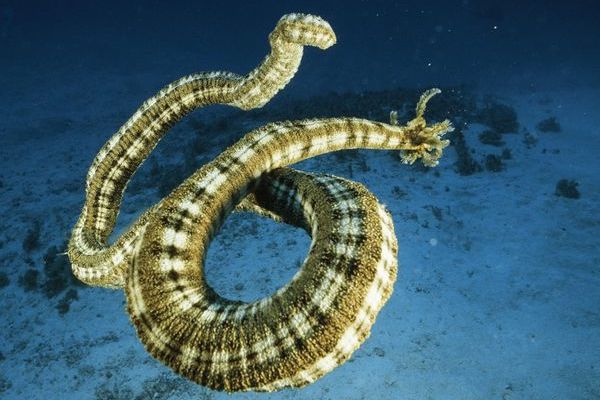
Introduction to Synapta Synapta, a remarkable genus within the class Holothuroidea, represents some of the most distinctive and ecologically significant sea cucumbers found in tropical marine environments. This article provides an in-depth, SEO-optimized and plagiarism-free overview of Synapta, covering its introduction, classification, habitat and habits, geographical distribution, general and special characteristics, unique identification features, and […]

Synapta Read More »

Thyone

Thyone

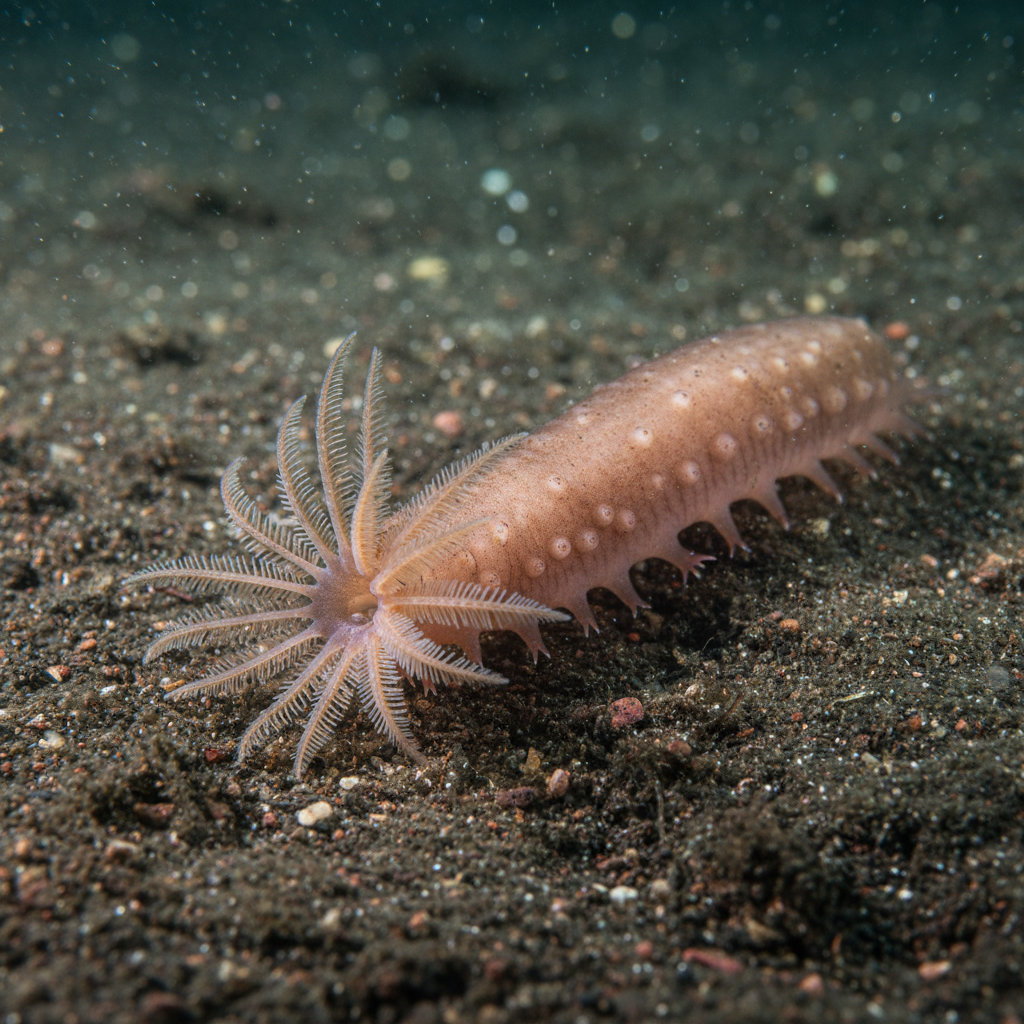
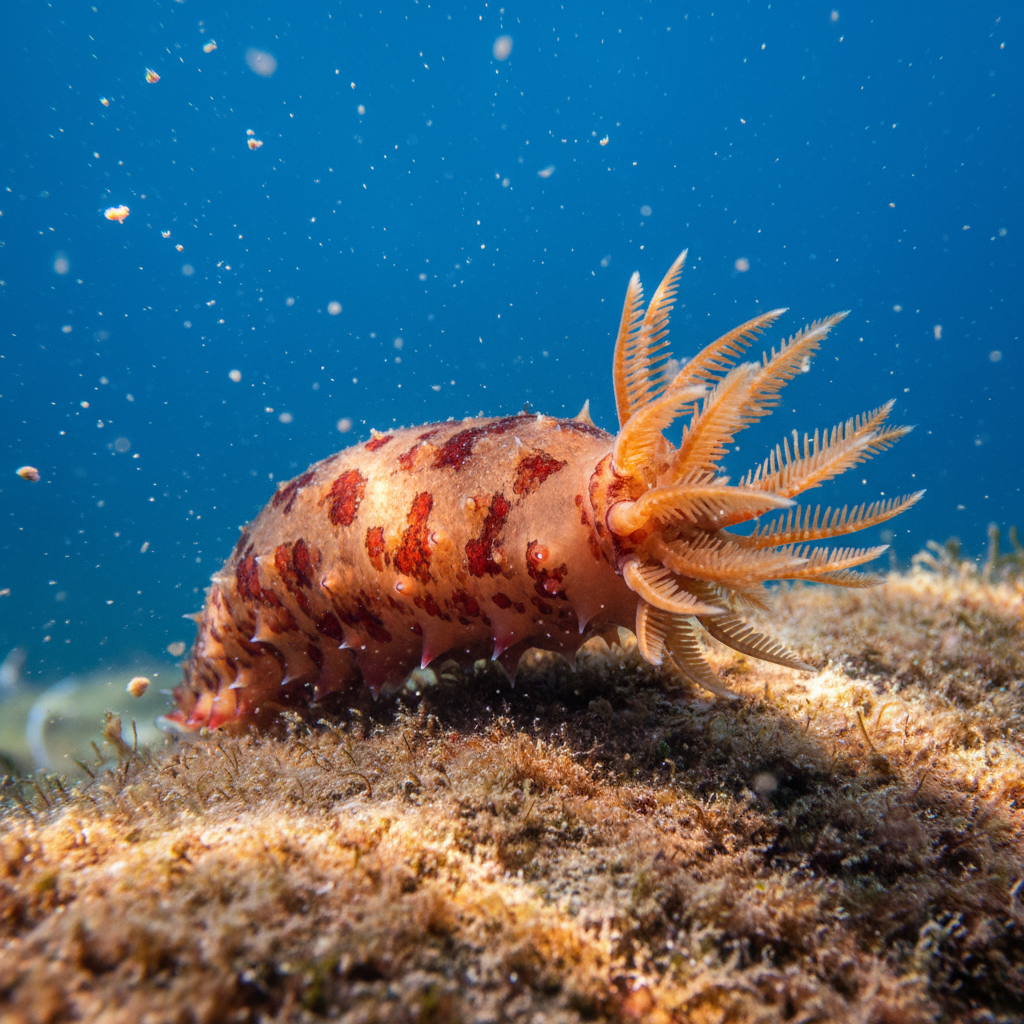
Thyone: Detailed Overview of the Sea Cucumber Genus Thyone is a genus of sea cucumbers belonging to the family Phyllophoridae within the class Holothuroidea. Species in this genus are characterized by their elongated and often oval bodies, branching oral tentacles, and soft leathery skin. Thyone species are suspension feeders prevalent mainly in the northeastern Atlantic

Thyone Read More »

Holothuria

Holothuria

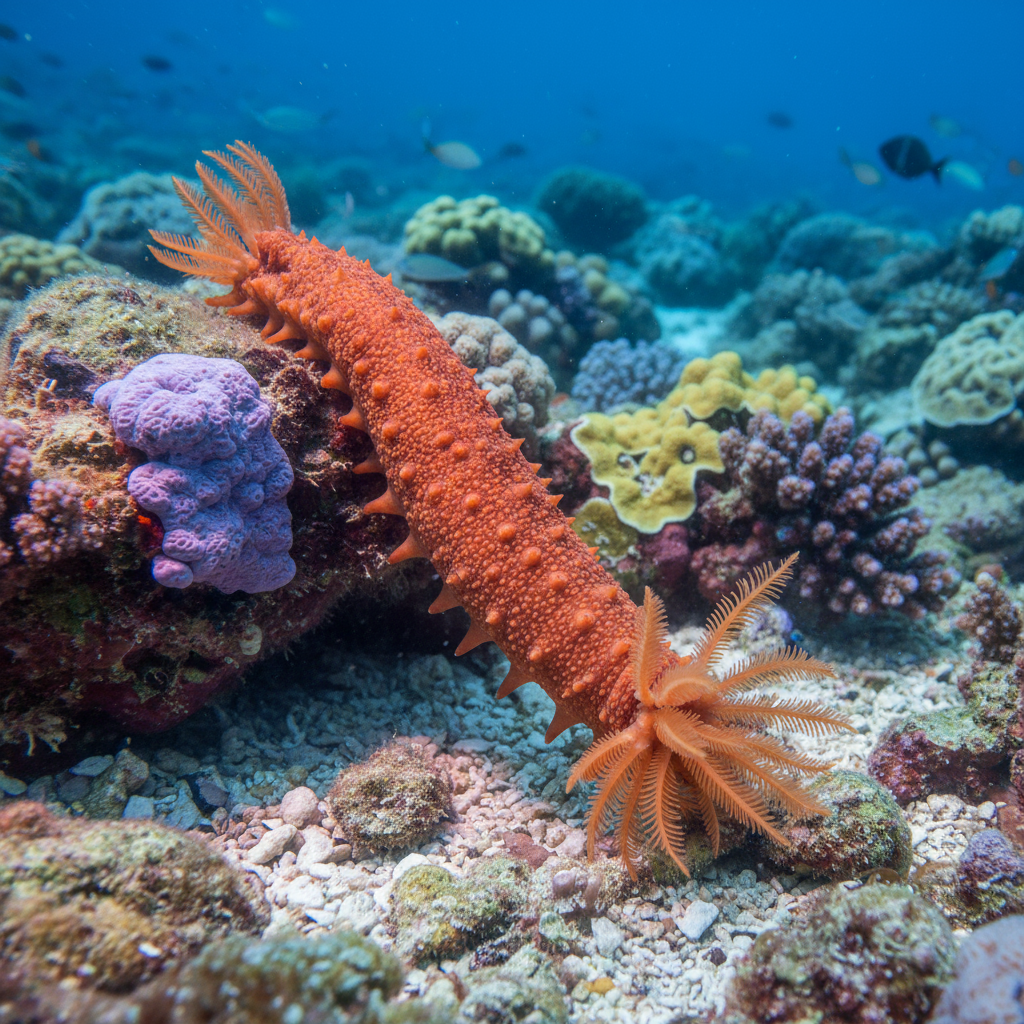
Holothuria: Comprehensive Overview of the Sea Cucumber Genus Holothuria is the type genus of the family Holothuriidae, class Holothuroidea, and one of the most diverse and widespread genera of sea cucumbers in marine ecosystems. Commonly referred to as sea cucumbers, species within this genus have soft, elongated, and cylindrical bodies resembling cucumbers. They are found

Holothuria Read More »

Echinocardium (Sea potatoes)

Echinocardium (Sea potatoes)

Echinocardium: Detailed Overview of the Sea Potato Genus Echinocardium is a genus of heart urchins belonging to the family Loveniidae within the class Echinoidea of phylum Echinodermata. These marine echinoderms are distinguished by their heart-shaped, somewhat inflated tests and a dense covering of short spines. Commonly referred to as “sea potatoes,” species within this genus

Echinocardium (Sea potatoes) Read More »

Clypeaster

Clypeaster

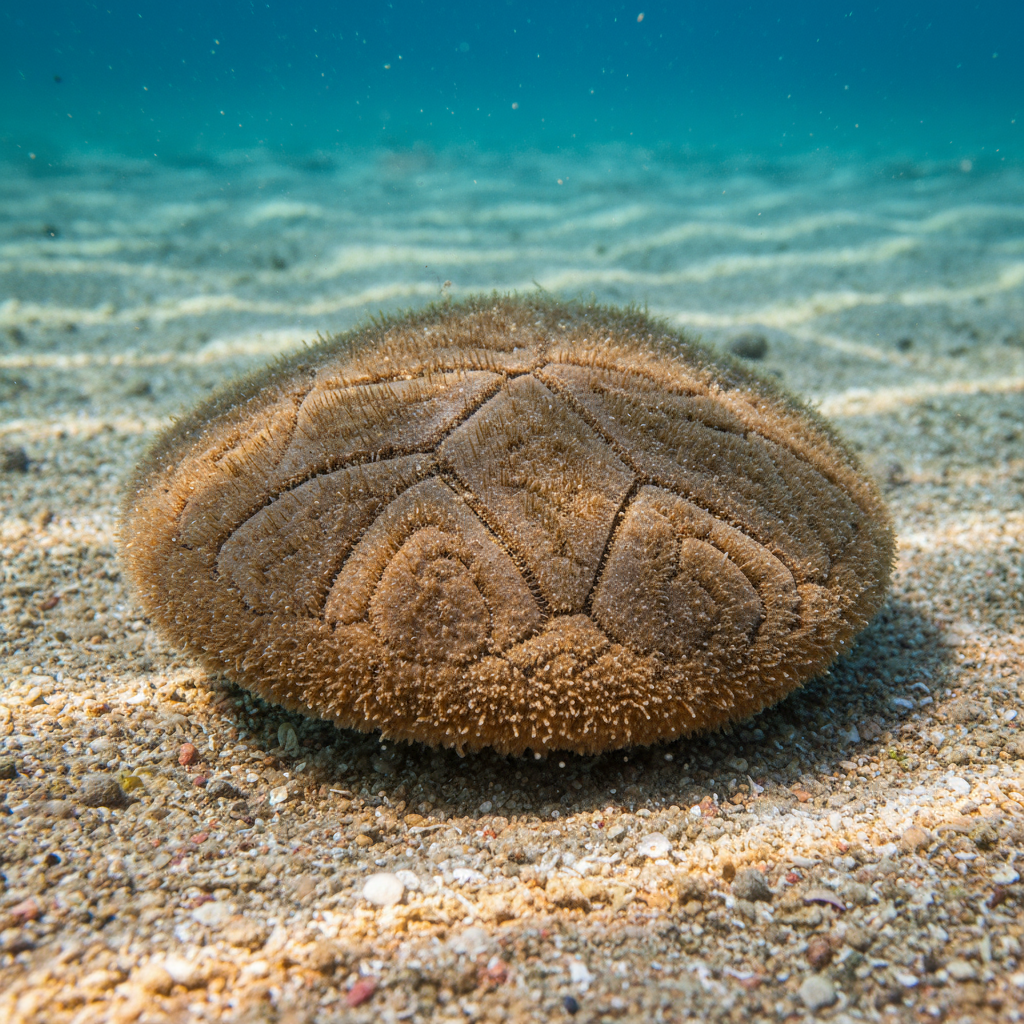
Clypeaster: Detailed Overview of the Sea Biscuit Genus Clypeaster is a genus of echinoderms known as sea biscuits, belonging to the order Clypeasteroida. These marine animals are closely related to sand dollars but distinct due to their thicker, more inflated body and pentagonal shape. Sea biscuits are adapted for life in shallow, sandy marine environments

Clypeaster Read More »

Echinarachnius (Sand dollar)

Echinarachnius (Sand dollar)

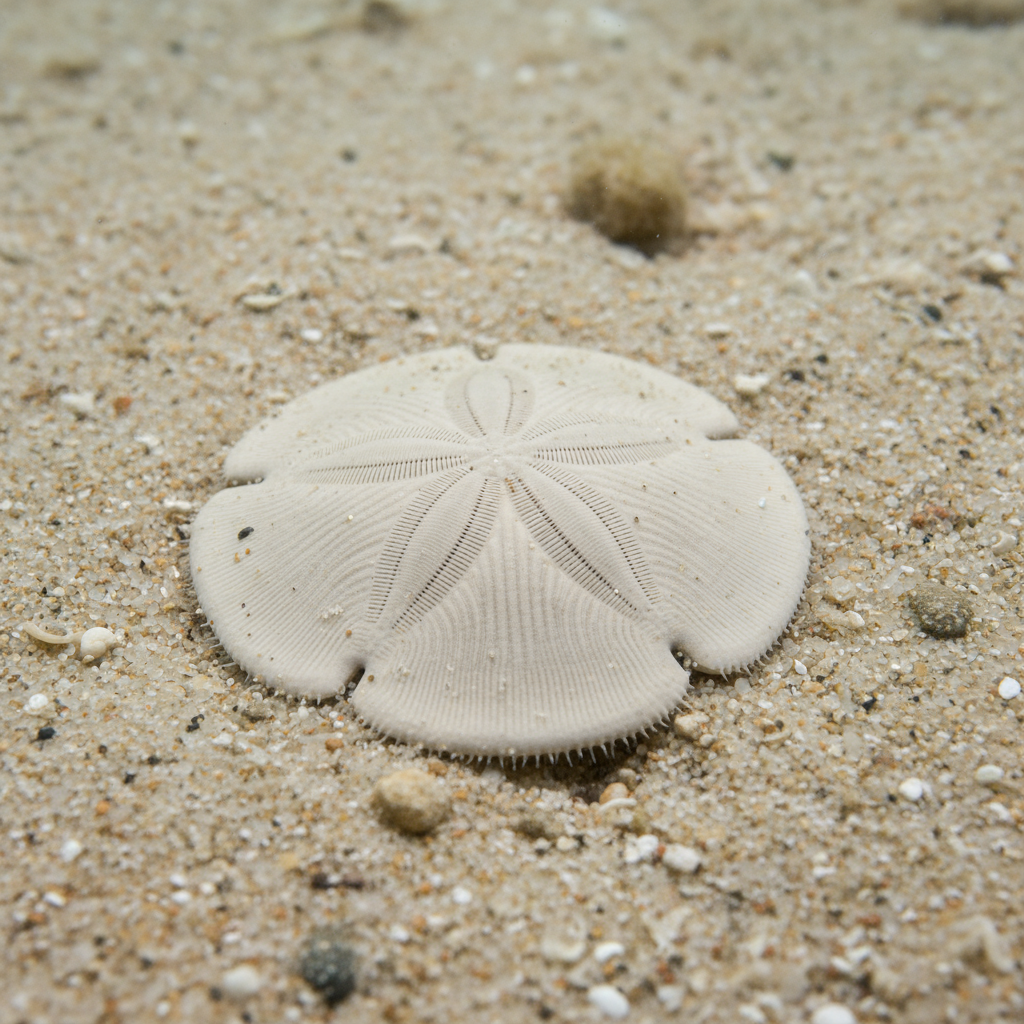
Echinarachnius: Comprehensive Overview of the Sand Dollar Genus Echinarachnius is a genus of echinoderms commonly known as “sand dollars,” most notably represented by Echinarachnius parma. Sand dollars are easily recognized by their flat, disc-like bodies and intricate symmetrical patterns visible on their skeleton, or “test.” Unlike typical sea urchins, Echinarachnius lack prominent spines and are

Echinarachnius (Sand dollar) Read More »

Classification of Strongylocentrotus

Strongylocentrotus

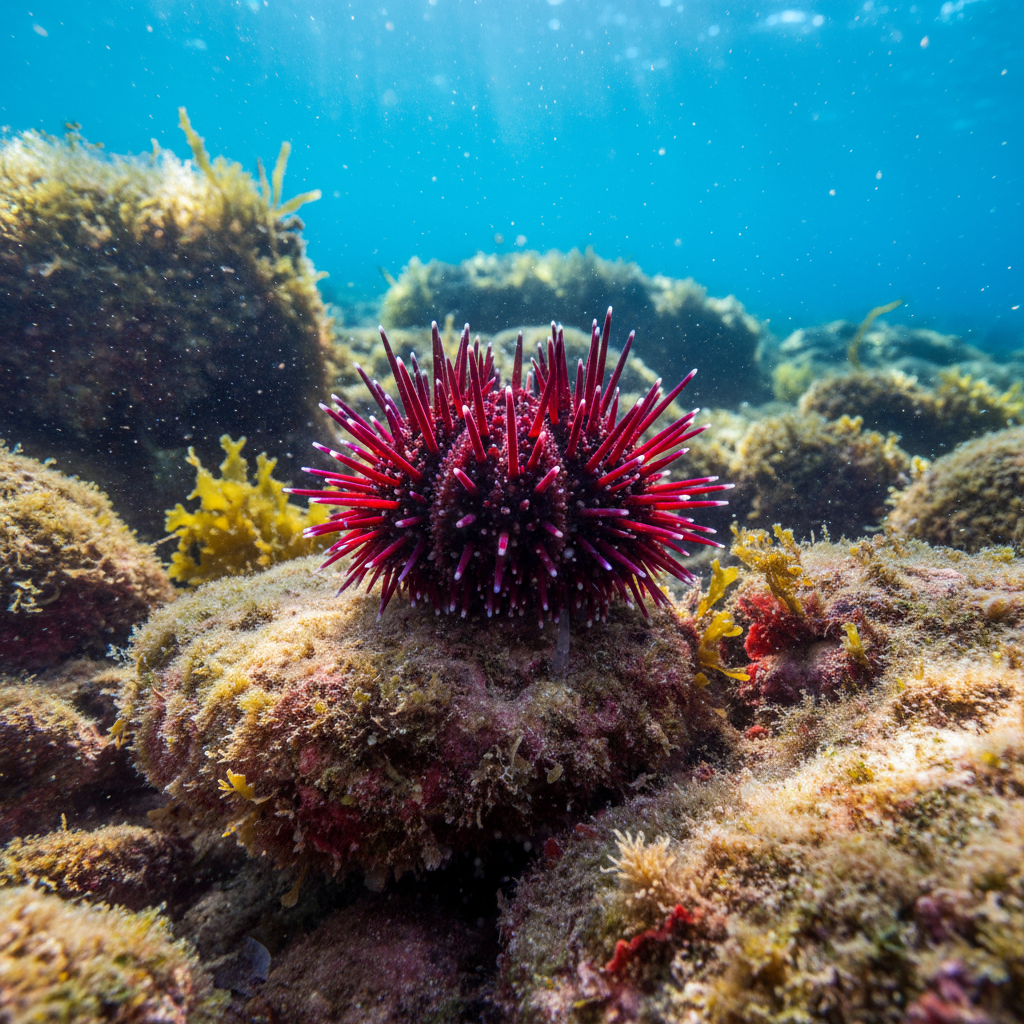
Strongylocentrotus: A Detailed Overview of the Purple and Green Sea Urchins Strongylocentrotus is a genus of sea urchins from the family Strongylocentrotidae, notable for their spiny globular bodies and ecological significance in coastal marine ecosystems. The genus includes several species such as S. purpuratus (purple sea urchin) and S. droebachiensis (green sea urchin), both of

Strongylocentrotus Read More »

Ophiothrix

Ophiothrix

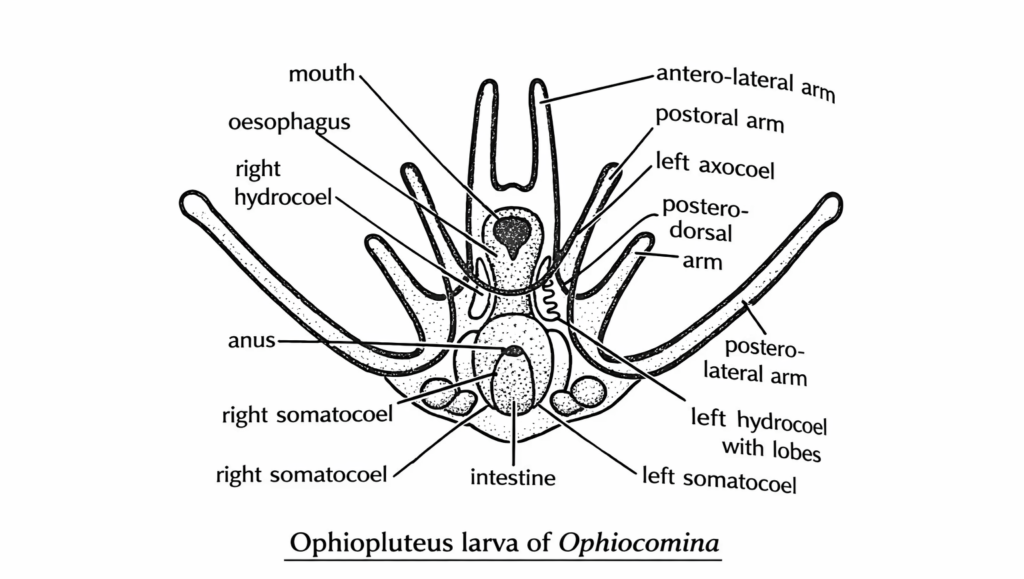
Ophiothrix: An In-Depth Overview of Morphology, Classification, Habitat, Behavior, Reproduction, and Ecological Significance Ophiothrix is a large and diverse genus of brittle stars within the family Ophiotrichidae, belonging to the class Ophiuroidea and phylum Echinodermata. With approximately 93 recognized species, Ophiothrix is one of the most widespread brittle star genera, occupying diverse marine habitats worldwide,

Ophiothrix Read More »

Classification of Ophiolepis

Ophiolepis

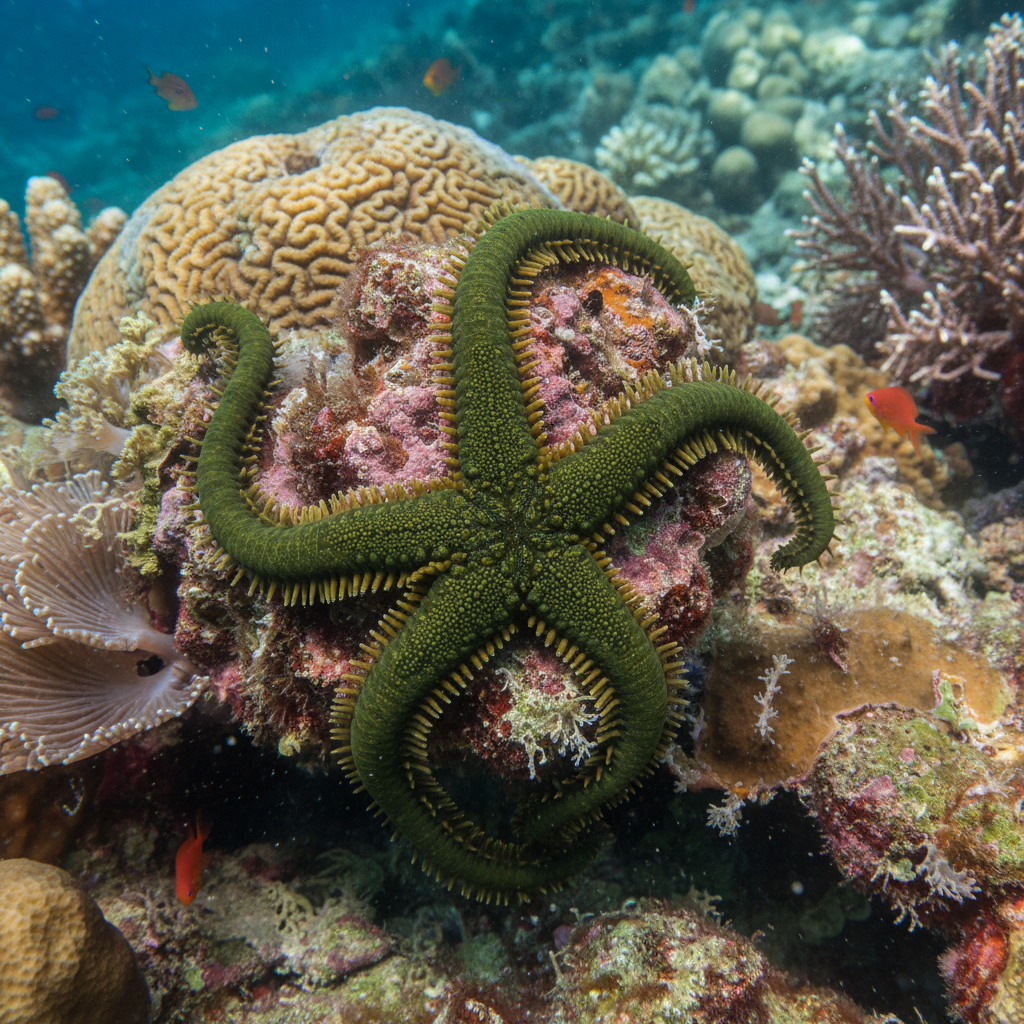
Ophiolepis: A Detailed Study on Morphology, Classification, Habitat, Behavior, Reproduction, and Ecological Significance Ophiolepis is a genus of brittle stars belonging to the family Ophiolepididae within the class Ophiuroidea of phylum Echinodermata. These marine invertebrates are characterized by their slender, flexible arms and a distinct central disc. Ophiolepis species are typically found in tropical and

Ophiolepis Read More »

Ophiocoma

Ophiocoma

Ophiocoma: Comprehensive Overview of Morphology, Classification, Habitat, Behavior, and Ecological Role Ophiocoma is a genus of brittle stars under the family Ophiocomidae within the class Ophiuroidea, phylum Echinodermata. These marine organisms are closely related to sea stars but differentiated by their slender, highly flexible arms which they use for movement and feeding. Ophiocoma species are

Ophiocoma Read More »

Ophioderma

Ophioderma

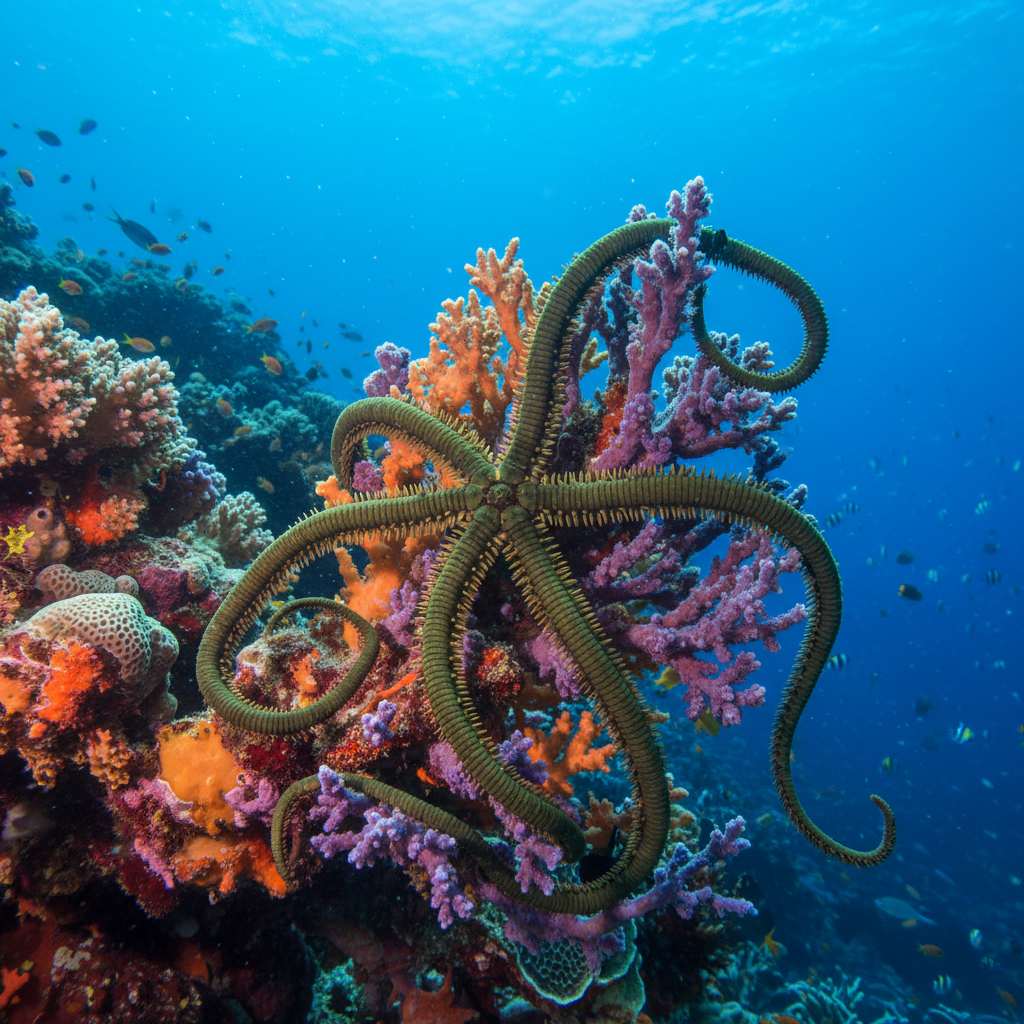
Ophioderma: Morphology, Classification, Habitat, and Ecological Role of Brittle Stars Ophioderma is a genus of brittle stars belonging to the family Ophiodermatidae in the class Ophiuroidea. Brittle stars, also known as serpent stars due to their snake-like flexible arms, are closely related to starfish but differ by having a distinct central disc and more slender,

Ophioderma Read More »

Astropecten

Astropecten

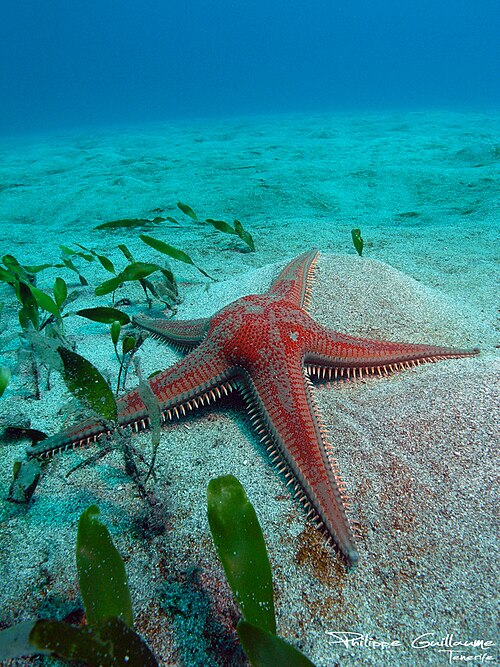
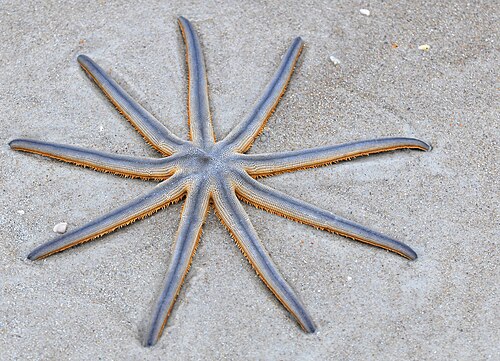
Astropecten: Morphology, Classification, Habitat, and Ecological Role of Sand Sea Stars Astropecten is a genus of sea stars belonging to the family Astropectinidae, commonly referred to as sand sea stars or comb sea stars. These starfish are adapted to live in sandy or silty sediment habitats where they often remain partially buried during the day

Astropecten Read More »

Classification of Luidia

Luidia

Luidia: Morphology, Classification, Habitat, and Ecological Role of Spiny Long-Armed Starfish Luidia is a genus of starfish belonging to the family Luidiidae and is notable for its long, slender arms often fringed with spines and pointed tips. Species in this genus are distributed worldwide and inhabit various marine environments from shallow coastal waters to deep

Luidia Read More »

Classification of Anthenea

Anthenea

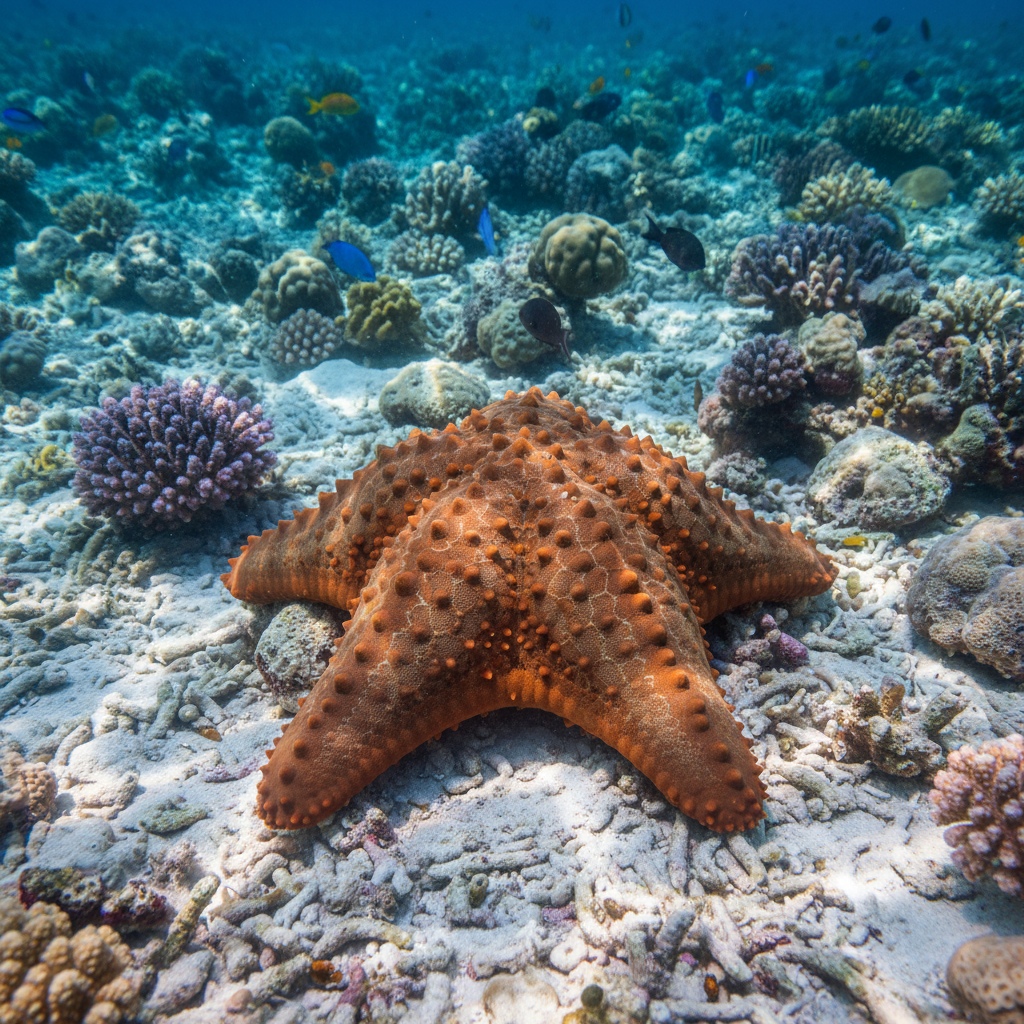
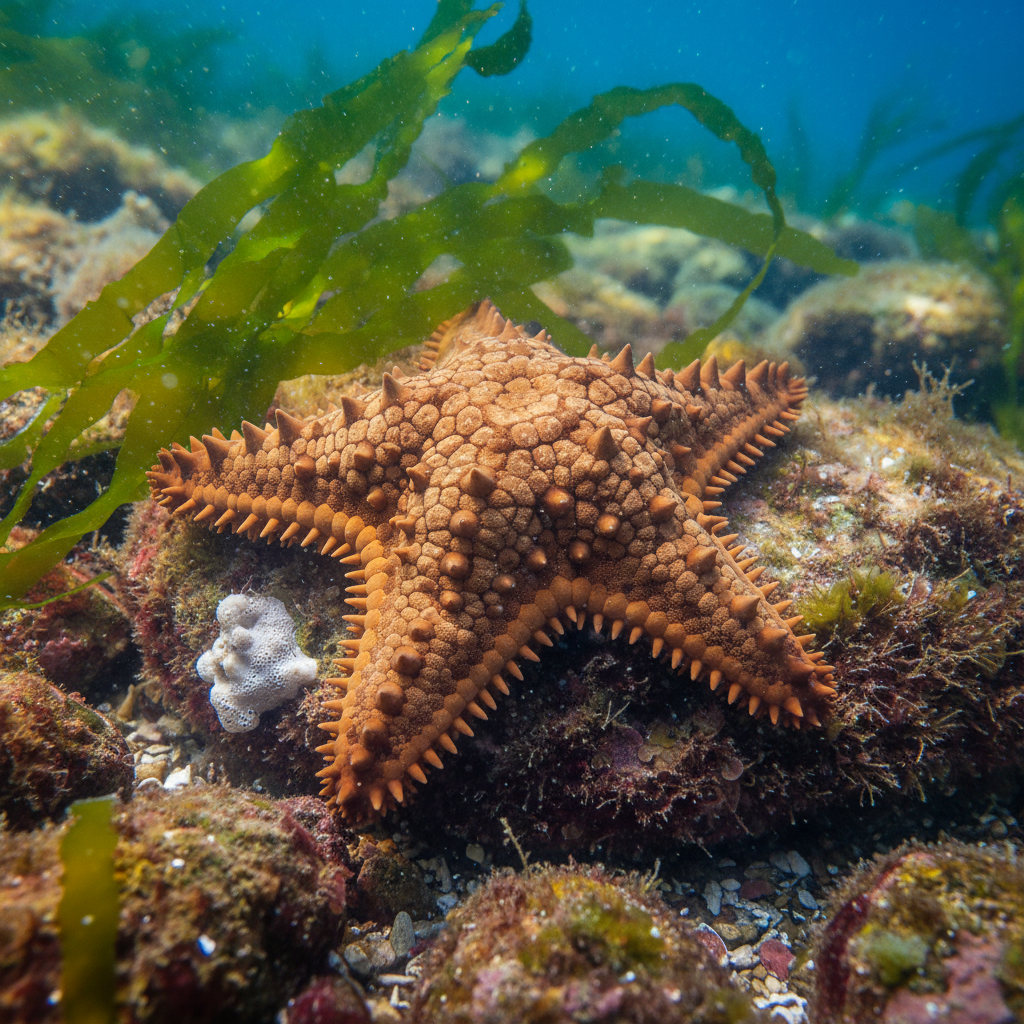
Anthenea: Morphology, Classification, Habitat, and Ecological Role of Cake Sea Stars Anthenea is a genus of sea stars in the family Oreasteridae, commonly called “cake sea stars” due to their characteristic thick, rounded, disc-like bodies. Members of Anthenea are noted for their pentaradial symmetry, striking colors, and adaptability to warm, shallow marine habitats. They are

Anthenea Read More »

Pentaceros: The Sea Pentagon (Starfish)

Pentaceros: The Sea Pentagon (Starfish)

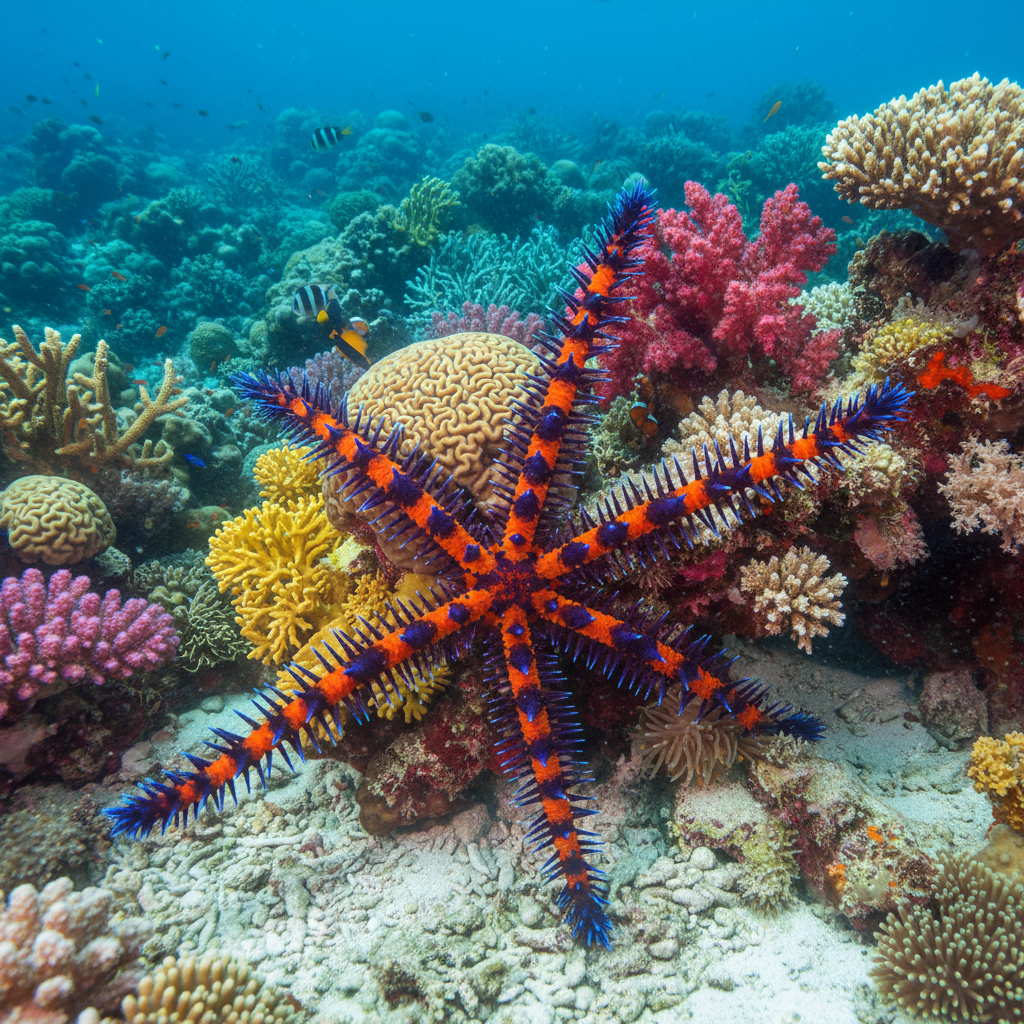
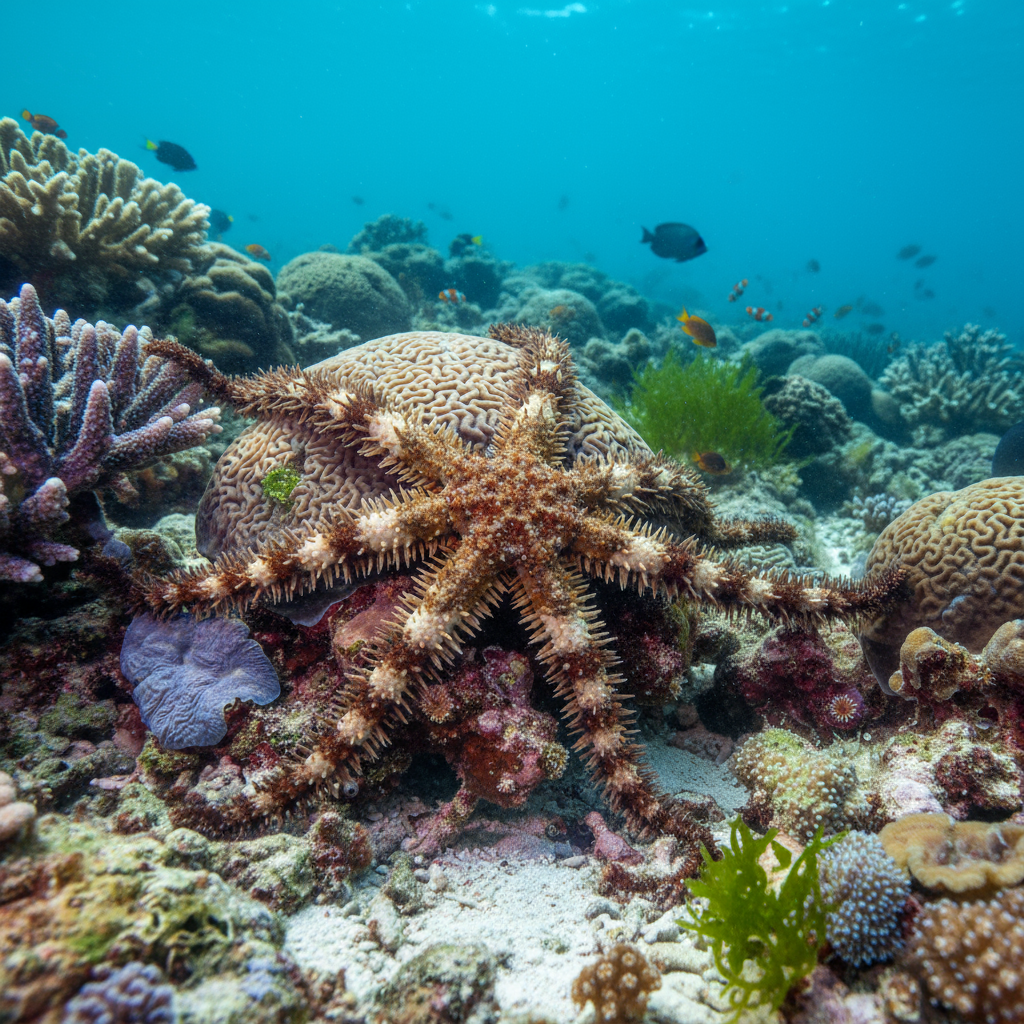
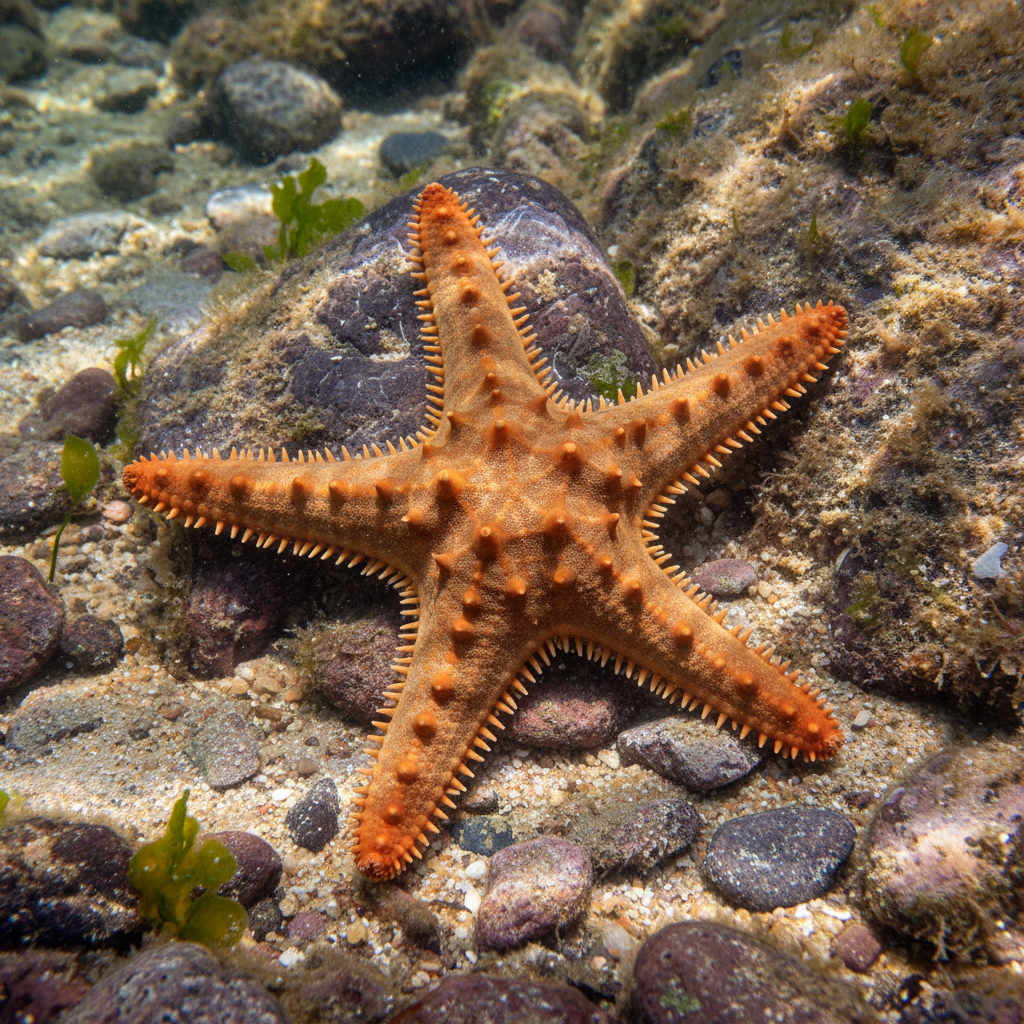
Pentaceros: The Sea Pentagon (Starfish) – Morphology, Classification, Habitat, and Ecological Significance Pentaceros, commonly described as the “sea pentagon” or starfish, is a classic genus representing pentaradial symmetry—one of the defining features of echinoderms. It is considered a key example in zoology for understanding echinoderm structure, regeneration, and evolutionary links among marine invertebrates. Starfish like

Pentaceros: The Sea Pentagon (Starfish) Read More »

PHYLUM ECHINODERMATA

PHYLUM ECHINODERMATA

Phylum Echinodermata: Characteristics, Classification, and Importance Phylum Echinodermata is one of the most fascinating and unique groups in the animal kingdom. These exclusively marine animals exhibit remarkable features, including a water vascular system, radial symmetry in adults, and a calcareous endoskeleton. Echinoderms include familiar sea creatures like starfish, sea urchins, sand dollars, brittle stars, and

PHYLUM ECHINODERMATA Read More »