
Understanding B cells vs T cells is important for explaining how adaptive immunity recognises specific threats and responds effectively to them. Although these lymphocytes have distinct functions, they work together to provide coordinated protection against a wide range of infections.
The immune system protects the body against pathogens, foreign substances, and abnormal cells through the coordinated activities of specialised immune cells. Among these cells, B lymphocytes (B cells) and T lymphocytes (T cells) are two major types of lymphocytes that play essential roles in adaptive immunity. Although both originate from haematopoietic stem cells in the bone marrow, they differ in their maturation, antigen recognition, and immune functions.
B cells are primarily responsible for humoral immunity. When activated, they can differentiate into plasma cells that produce antibodies against specific antigens. Some B cells also become memory B cells, which help the body mount a faster response when the same antigen is encountered again.
T cells are mainly involved in cell-mediated immunity. Helper T cells coordinate immune responses by releasing cytokines and activating other immune cells, while cytotoxic T cells can destroy infected or abnormal cells. Regulatory T cells help control excessive immune activity, and memory T cells contribute to long-term immunological memory.
What Are B Cells and T Cells?
B cells and T cells are specialised lymphocytes that form an essential part of the adaptive immune system. They recognise specific antigens, respond to infections, and contribute to immunological memory. Although both develop from haematopoietic stem cells in the bone marrow, they follow different maturation pathways and perform distinct functions.
What Are B Cells?
B cells, or B lymphocytes, are white blood cells responsible primarily for humoral immunity. In humans, they develop and mature in the bone marrow before entering the circulation and secondary lymphoid organs.
Each B cell carries specific B-cell receptors (BCRs) on its surface. These receptors can bind to particular native antigens, such as proteins, polysaccharides, and other molecular structures.
After activation, B cells can differentiate into:
- Plasma cells: Specialised cells that secrete antibodies against specific antigens.
- Memory B cells: Long-lived cells that contribute to a faster response when the same antigen is encountered again.
B cells also contribute to immune responses by presenting antigen-derived peptides to helper T cells and producing cytokines in certain contexts.
What Are T Cells?
T cells, or T lymphocytes, are white blood cells that play major roles in cell-mediated immunity and the coordination of adaptive immune responses. Their precursors originate in the bone marrow, but they migrate to the thymus to mature.
T cells carry T-cell receptors (TCRs), which recognise specific antigen-derived peptides presented by major histocompatibility complex (MHC) molecules. Unlike B-cell receptors, T-cell receptors generally do not recognise free, native antigens directly.
The major functional types of T cells include:
- Helper T cells (CD4⁺): Coordinate immune responses by producing cytokines and helping activate B cells, macrophages, and other immune cells.
- Cytotoxic T cells (CD8⁺): Recognise and kill infected or abnormal cells displaying specific antigen-derived peptides on MHC class I molecules.
- Regulatory T cells: Help maintain immune tolerance and limit excessive immune responses.
- Memory T cells: Persist after an immune response and support faster responses during subsequent exposure to the same antigen.
How B Cells and T Cells Work Together
B cells and T cells have different roles, but their activities are closely interconnected. During many responses to protein antigens, a B cell binds an antigen, processes it, and presents peptide fragments on MHC class II molecules. A suitable helper T cell can then provide signals that support B-cell activation, antibody production, and the development of memory B cells.
Meanwhile, other T-cell populations coordinate cellular defence and help control infected cells. This cooperation enables the immune system to respond to threats both outside and inside host cells.
Thus, B cells and T cells function as complementary components of adaptive immunity, combining antibody-mediated defence, cellular responses, and immunological memory.
Development and Maturation of B Cells and T Cells
The development and maturation of lymphocytes are essential for producing an effective adaptive immune response. In B Cells vs T Cells, one of the most important differences is where these lymphocytes mature. Both originate from haematopoietic stem cells in the bone marrow, but B cells mature primarily in the bone marrow, whereas T-cell precursors migrate to the thymus for maturation.
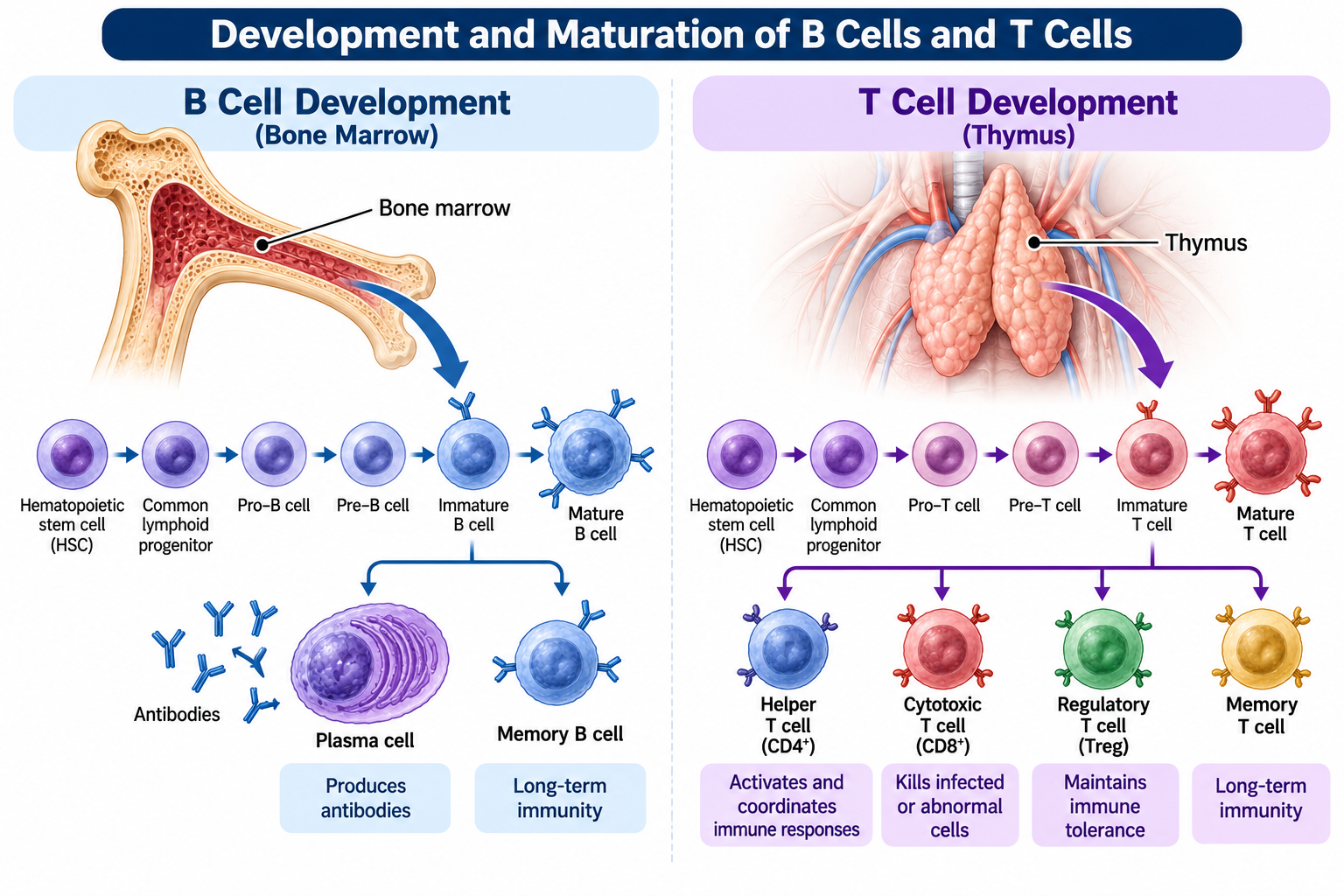
Development and Maturation of B Cells
B cells develop from haematopoietic stem cells in the bone marrow through a series of stages. During this process, they rearrange their immunoglobulin genes to produce unique B-cell receptors (BCRs), which enable them to recognise specific antigens.
The major stages of B-cell development include:
- Haematopoietic stem cell: Gives rise to blood cells, including lymphoid progenitor cells.
- Common lymphoid progenitor: Produces precursors of B cells, T cells, and certain other immune cells.
- Pro-B cell: Begins immunoglobulin heavy-chain gene rearrangement.
- Pre-B cell: Expresses a pre-B-cell receptor after successful heavy-chain rearrangement and proceeds with light-chain development.
- Immature B cell: Expresses surface immunoglobulin, primarily IgM, and undergoes selection processes that help limit self-reactivity.
- Mature naïve B cell: Expresses surface IgM and IgD and can respond to its specific antigen after appropriate activation.
Mature naïve B cells leave the bone marrow and circulate through the blood and secondary lymphoid organs, including the spleen and lymph nodes. When activated by an appropriate antigen and supporting signals, they may differentiate into antibody-secreting plasma cells or long-lived memory B cells.
Development and Maturation of T Cells
T cells also originate from haematopoietic stem cells in the bone marrow. However, their precursors travel through the bloodstream to the thymus, where they undergo maturation and selection.
The major stages of T-cell development include:
- Haematopoietic stem cell: Gives rise to lymphoid progenitors in the bone marrow.
- T-cell precursor: Migrates from the bone marrow to the thymus.
- Immature thymocyte: Rearranges its T-cell receptor (TCR) genes during development.
- Positive selection: Developing T cells are selected for their ability to recognise self-major histocompatibility complex (MHC) molecules.
- Negative selection: Strongly self-reactive T cells are eliminated or diverted into certain regulatory lineages, helping establish immune tolerance.
- Mature naïve T cell: Develops into a CD4⁺ or CD8⁺ T cell and leaves the thymus to circulate through secondary lymphoid organs.
After encountering its specific antigen presented by an antigen-presenting cell, a mature T cell may become activated and proliferate. Depending on its subtype and the signals it receives, it can develop into an effector T cell or a memory T cell.
Key Differences in B-Cell and T-Cell Maturation
The maturation pathways highlight an important distinction in B Cells vs T Cells: B cells develop their antigen receptors and undergo selection mainly in the bone marrow, whereas T cells undergo receptor development and selection in the thymus. These processes help produce lymphocytes capable of recognising specific threats while reducing the risk of harmful immune reactions against the body’s own tissues.
Although their maturation sites differ, both B cells and T cells must undergo functional selection before participating in adaptive immunity. Their subsequent activation and interaction enable antibody-mediated defence, cellular immune responses, and long-term immunological memory.
Structure and Receptors of B Cells and T Cells
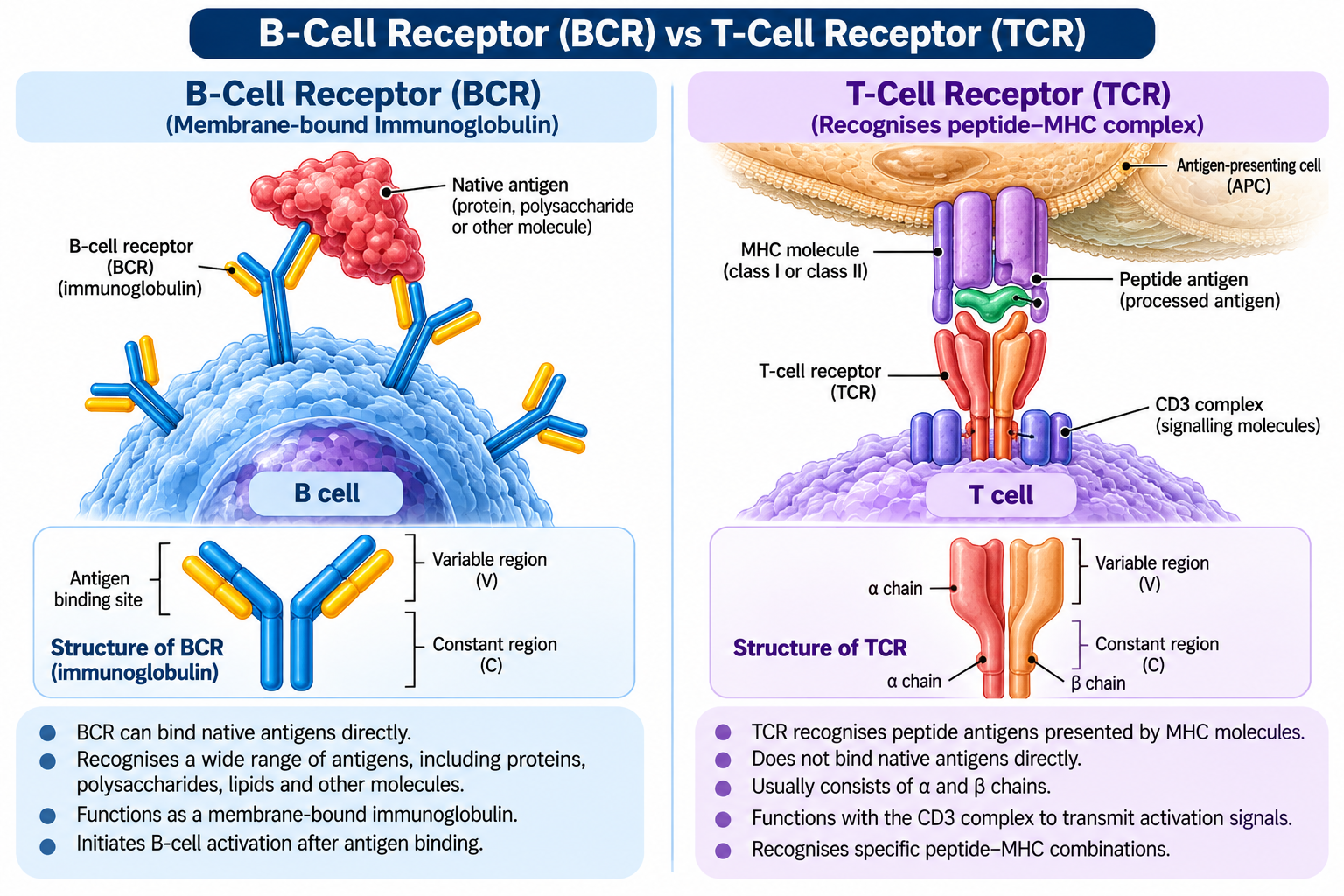
The structure of lymphocytes is closely related to their functions in adaptive immunity. In B Cells vs T Cells, a major difference lies in their antigen receptors: B cells possess B-cell receptors (BCRs) that can bind native antigens, whereas T cells possess T-cell receptors (TCRs) that generally recognise antigen-derived peptides presented by major histocompatibility complex (MHC) molecules.
Structure and Receptors of B Cells
B cells are small, round lymphocytes with a large nucleus, a thin layer of cytoplasm, and a plasma membrane containing specialised surface proteins. Their most important antigen-recognition structures are the B-cell receptors (BCRs).
A BCR consists of a membrane-bound immunoglobulin molecule associated with signalling proteins called Igα (CD79a) and Igβ (CD79b). These signalling proteins transmit activation signals into the cell when the receptor binds an appropriate antigen.
Important features of B-cell receptors include:
- Antigen recognition: BCRs can bind directly to specific native antigens, including proteins, polysaccharides, and other molecular structures.
- Specificity: Each mature B-cell clone expresses receptors with a particular antigen specificity.
- Signal transduction: Igα and Igβ help transmit signals following antigen binding.
- Antibody production: After appropriate activation, B cells can differentiate into plasma cells that secrete antibodies with antigen-binding specificity related to their original receptors.
- Antigen presentation: B cells can internalise receptor-bound antigens, process them, and present peptide fragments to helper T cells through MHC class II molecules.
Mature naïve B cells commonly express both surface immunoglobulin M (IgM) and immunoglobulin D (IgD). Following activation, some B cells undergo antibody class switching, allowing them to produce antibody classes such as IgG, IgA, or IgE, depending on the immune signals they receive.
Structure and Receptors of T Cells
T cells are lymphocytes with a large nucleus and a relatively small amount of cytoplasm. Their defining surface structure is the T-cell receptor (TCR), which recognises specific antigen-derived peptides displayed by MHC molecules.
Most conventional T cells express an αβ T-cell receptor composed of two protein chains. The TCR works with the CD3 protein complex, which transmits activation signals into the cell.
Important features of T-cell receptors include:
- Antigen recognition: Most conventional αβ T cells recognise peptide antigens presented by MHC molecules rather than binding free, native antigens directly.
- MHC restriction: CD8⁺ T cells generally recognise peptides presented by MHC class I, whereas CD4⁺ T cells generally recognise peptides presented by MHC class II.
- Signal transduction: The CD3 complex and associated signalling proteins transmit signals following TCR engagement.
- Co-receptors: CD4 or CD8 helps stabilise interactions between the TCR and the relevant MHC molecule.
- Functional responses: Once activated, T cells may coordinate immune responses, kill infected cells, regulate immune activity, or develop into memory cells.
Unlike B cells, conventional T cells do not normally secrete their T-cell receptors as soluble antibodies. Instead, they use these receptors to detect antigen presentation and initiate specific cellular responses.
B-Cell Receptors vs T-Cell Receptors
The receptor differences are central to understanding B Cells vs T Cells because they determine how each lymphocyte detects an antigen and initiates an immune response.
| Feature | B-cell receptor (BCR) | T-cell receptor (TCR) |
|---|---|---|
| Basic structure | Membrane-bound immunoglobulin associated with Igα and Igβ | Usually an αβ receptor associated with the CD3 complex |
| Antigen recognition | Binds native antigens directly | Usually recognises peptides presented by MHC molecules |
| Soluble form | Related immunoglobulins can be secreted as antibodies by plasma cells | Not normally secreted as soluble antigen-binding receptors |
| MHC requirement | Direct antigen binding does not require MHC presentation | Conventional TCR recognition generally requires peptide–MHC presentation |
| Main outcome | Can initiate B-cell activation and antibody responses | Can initiate helper, cytotoxic, regulatory, or memory responses |
B-cell receptors allow B cells to recognise native antigens and contribute to antibody production, whereas T-cell receptors enable T cells to detect antigen fragments presented by other cells. These complementary recognition systems help the adaptive immune system respond to a wide variety of pathogens.
Types of B Cells
B cells are a diverse group of lymphocytes that contribute to antibody production, antigen presentation, and immunological memory. In B Cells vs T Cells, understanding the major types of B cells helps explain how humoral immunity develops and how the body responds to repeated exposure to the same antigen.
1. Naïve B Cells
Naïve B cells are mature B lymphocytes that have not yet encountered their specific activating antigen. They circulate through the blood and secondary lymphoid organs, such as the spleen and lymph nodes, where they can encounter antigens.
Key characteristics include:
- They express antigen-specific B-cell receptors, commonly surface IgM and IgD.
- They have not yet differentiated into antibody-secreting plasma cells.
- They can become activated when they encounter an appropriate antigen and receive the necessary supporting signals.
- After activation, they may proliferate and differentiate into effector or memory B cells.
2. Plasma Cells
Plasma cells are specialised effector cells that produce and secrete large quantities of antibodies. They develop from activated B cells during an immune response.
Important characteristics of plasma cells include:
- They have abundant cytoplasm and a well-developed rough endoplasmic reticulum for antibody synthesis.
- They secrete antibodies that bind specific antigens.
- Their antibodies can neutralise pathogens and toxins, promote phagocytosis, and activate other immune mechanisms.
- Some plasma cells are short-lived, whereas long-lived plasma cells can persist in survival niches, including the bone marrow.
Plasma cells are central to the antibody-mediated component of humoral immunity.
3. Memory B Cells
Memory B cells are long-lived cells formed during an immune response. They remain in the body after the initial infection or immunisation and can respond rapidly when the same antigen is encountered again.
Their major features include:
- Long-term persistence after the initial immune response.
- Rapid activation and expansion following re-exposure to a familiar antigen.
- The ability to differentiate into antibody-secreting cells.
- In many responses, affinity maturation and class switching contribute to the development of memory populations with improved antibody responses.
Memory B cells help explain why the immune system can respond more quickly and effectively after previous exposure to certain pathogens or vaccines.
4. Follicular B Cells
Follicular B cells are a major population of conventional B cells found in follicles of secondary lymphoid organs. They participate in many T-cell-dependent immune responses, particularly responses to protein antigens.
Following activation, some follicular B cells enter germinal centres, where they undergo proliferation, somatic hypermutation, affinity-based selection, and often antibody class switching. These processes support the production of higher-affinity antibodies and the formation of memory B cells and long-lived plasma cells.
5. Marginal Zone B Cells
Marginal zone B cells are found mainly in the marginal zone of the spleen, where they help respond quickly to blood-borne antigens. They are particularly important in responses to certain polysaccharide-rich antigens and can produce antibodies relatively rapidly.
Their response can provide an early layer of humoral defence, although the nature of the response depends on the antigen and the wider immune context.
6. B-1 Cells
B-1 cells are a distinct B-cell population studied extensively in mice, with related populations described in humans. They are associated with the production of natural antibodies, often including antibodies that recognise common microbial structures.
B-1 cells can contribute to early immune defence and help maintain certain baseline antibody levels. Their developmental pathways and precise human counterparts remain areas of research.
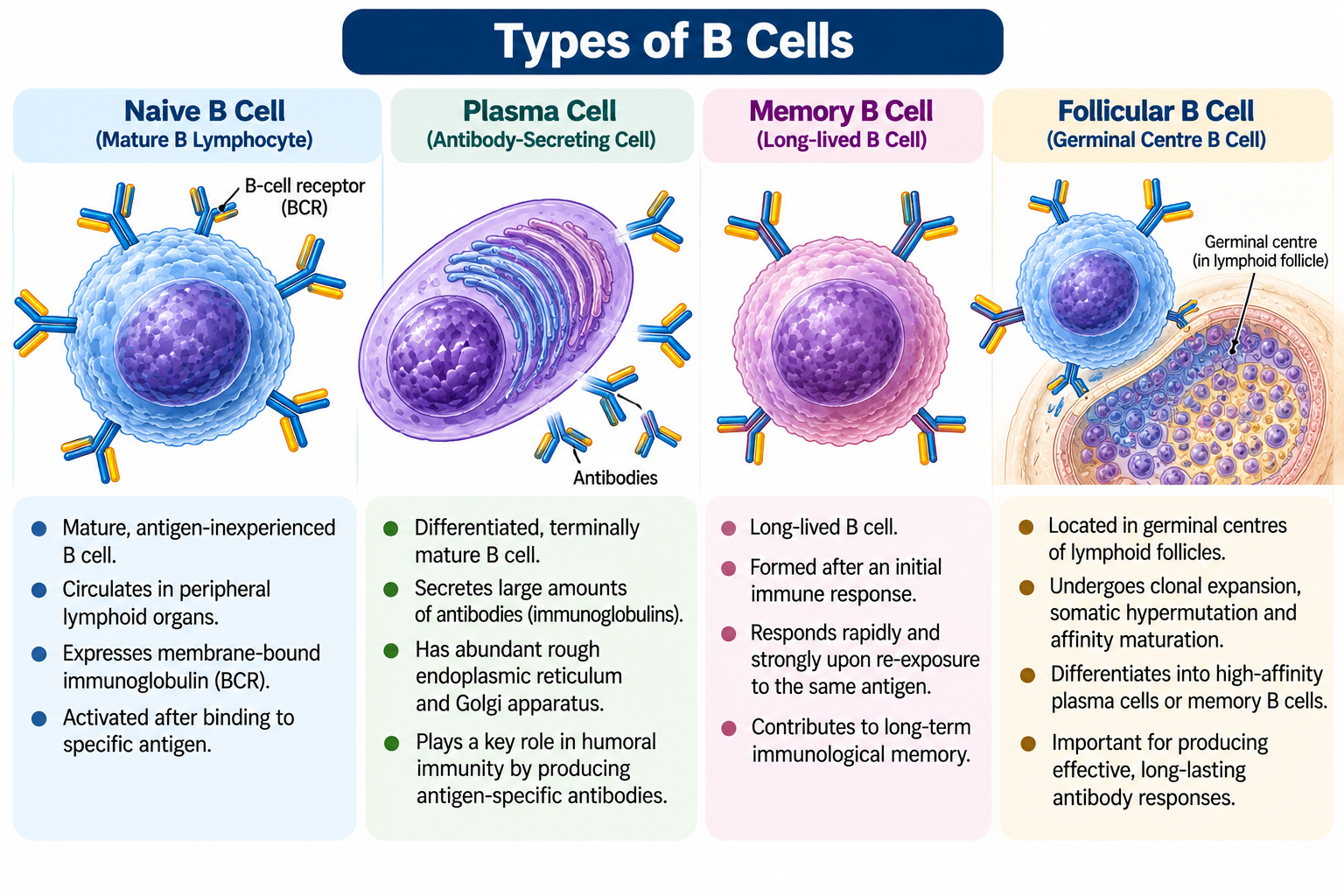
Major B-Cell Types
| B-cell type | Main role |
|---|---|
| Naïve B cells | Recognise specific antigens before activation |
| Plasma cells | Secrete antibodies |
| Memory B cells | Support faster responses after re-exposure |
| Follicular B cells | Participate in many T-cell-dependent responses and germinal-centre reactions |
| Marginal zone B cells | Respond rapidly to certain blood-borne antigens |
| B-1 cells | Contribute to natural antibody production and early defence |
Thus, the different B-cell populations perform complementary roles, from initial antigen recognition to antibody secretion and long-term memory. When comparing B Cells vs T Cells, these specialised B-cell functions illustrate how B lymphocytes support humoral immunity, while T-cell populations carry out diverse coordinating, regulatory, and cytotoxic functions.
Types of T Cells
T cells are specialised lymphocytes that perform several functions in adaptive immunity, including coordinating immune responses, destroying infected cells, controlling excessive immune activity, and maintaining immunological memory. In B Cells vs T Cells, the different types of T cells demonstrate how T lymphocytes provide cellular defence and regulate the activities of other immune cells.
1. Helper T Cells (CD4⁺ T Cells)
Helper T cells are a major group of T lymphocytes that coordinate immune responses by releasing cytokines and interacting with other immune cells. They recognise antigen-derived peptides presented by MHC class II molecules on antigen-presenting cells.
Their major functions include:
- Helping B cells become activated and differentiate into antibody-producing plasma cells.
- Supporting the formation of memory B cells and antibody class switching.
- Activating macrophages to improve their ability to destroy ingested pathogens.
- Supporting the activation and development of cytotoxic T-cell responses.
- Coordinating immune activity through the release of cytokines.
Helper T cells include several specialised subsets, such as Th1, Th2, Th17, and follicular helper T cells (Tfh). These subsets differ in their cytokines, target cells, and roles in immunity.
2. Cytotoxic T Cells (CD8⁺ T Cells)
Cytotoxic T cells are specialised lymphocytes that kill infected, malignant, or otherwise abnormal cells displaying specific antigen-derived peptides on MHC class I molecules.
Their main functions include:
- Recognising target cells through their antigen-specific T-cell receptors.
- Releasing perforin and granzymes, which help induce programmed cell death in target cells.
- Triggering apoptosis through death-receptor pathways, including Fas–Fas ligand interactions.
- Contributing to immune surveillance against certain virus-infected and cancerous cells.
Cytotoxic T cells are particularly important in controlling infections caused by intracellular pathogens, especially viruses. Their activity must be tightly regulated to minimise damage to healthy tissues.
3. Regulatory T Cells (Tregs)
Regulatory T cells help maintain immune tolerance and prevent excessive immune responses. Many conventional regulatory T cells express CD4, high levels of CD25, and the transcription factor FOXP3.
Their important functions include:
- Suppressing inappropriate immune responses against self-antigens.
- Limiting excessive inflammation and tissue damage.
- Regulating the activity of other T cells and antigen-presenting cells.
- Supporting immune tolerance under appropriate conditions.
Defects in regulatory T-cell development or function can contribute to autoimmune and inflammatory disorders.
4. Memory T Cells
Memory T cells persist after an immune response and help the body respond more efficiently when the same antigen is encountered again.
Major categories include:
- Central memory T cells: Circulate through blood and secondary lymphoid organs and can proliferate strongly after reactivation.
- Effector memory T cells: Circulate through peripheral tissues and blood and can rapidly perform effector functions.
- Tissue-resident memory T cells: Remain in particular tissues, where they can provide a rapid local response to familiar pathogens.
Memory T cells may arise from both CD4⁺ and CD8⁺ populations and contribute to long-term protective immunity.
5. Follicular Helper T Cells (Tfh)
Follicular helper T cells are a specialised subset of CD4⁺ T cells that provide help to B cells in lymphoid follicles and germinal centres.
Their functions include:
- Supporting B-cell proliferation and survival.
- Promoting antibody class switching.
- Helping select B cells that produce higher-affinity antibodies.
- Supporting the development of memory B cells and long-lived plasma cells.
Tfh cells illustrate the close cooperation between B cells and T cells: although B cells produce antibodies, they often depend on specialised helper T-cell signals for strong, long-lasting responses to protein antigens.
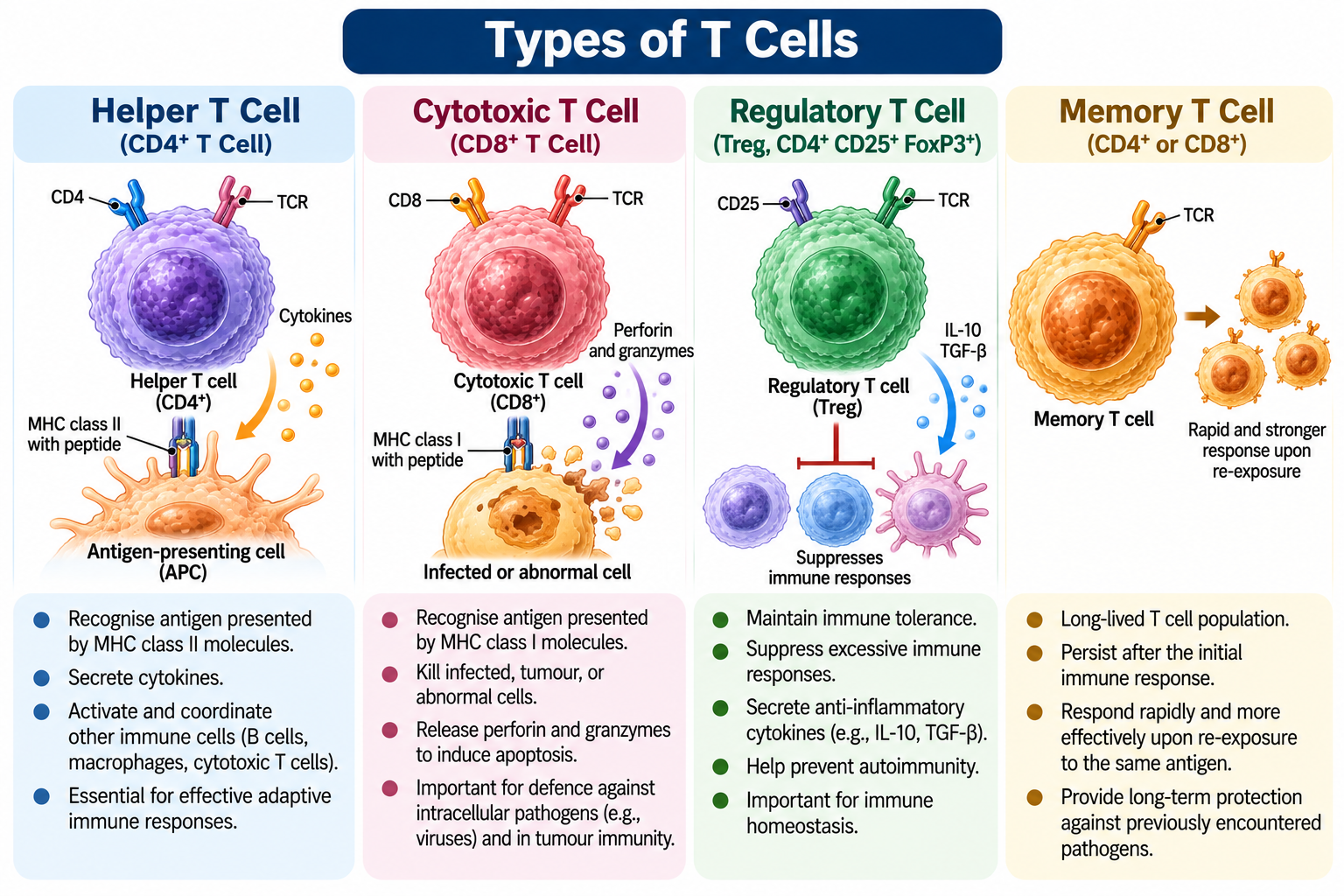
Major T-Cell Types
| T-cell type | Main role |
|---|---|
| Helper T cells (CD4⁺) | Coordinate immune responses through cytokines and cell interactions |
| Cytotoxic T cells (CD8⁺) | Kill infected or abnormal cells |
| Regulatory T cells | Maintain immune tolerance and suppress excessive responses |
| Memory T cells | Support faster responses after repeated antigen exposure |
| Follicular helper T cells | Help B cells produce effective, long-lasting antibody responses |
The different T-cell populations coordinate, execute, and regulate cellular immune responses. Understanding these types is essential when studying B Cells vs T Cells, because B lymphocytes specialise mainly in antibody-mediated defence, while T lymphocytes carry out a wider range of coordinating, regulatory, and cell-killing functions.
Functions of B Cells in B Cells vs T Cells
B cells are essential components of adaptive immunity because they recognise specific antigens, produce antibodies, present antigens to helper T cells, and contribute to immunological memory. When comparing B Cells vs T Cells, the main role of B lymphocytes is their contribution to humoral immunity, which protects the body through antibodies present in body fluids such as blood and lymph.
1. Antibody Production
One of the most important functions of B cells is the production of antibodies. After recognising an appropriate antigen and receiving the necessary activation signals, B cells can differentiate into plasma cells.
Plasma cells secrete antigen-specific antibodies, also called immunoglobulins. These antibodies bind to their corresponding antigens and help the immune system eliminate or neutralise threats.
The major antibody classes include:
- IgG: Provides important protection in blood and tissues, promotes phagocytosis, and can cross the placenta.
- IgA: Protects mucosal surfaces and is found in secretions such as saliva, tears, and breast milk.
- IgM: Is commonly the first antibody class secreted during a primary immune response and is effective at activating the classical complement pathway.
- IgE: Participates in defence against certain parasites and is involved in allergic reactions.
- IgD: Functions mainly as a surface receptor on mature naïve B cells; its role as a secreted antibody is less clearly defined.
2. Neutralisation of Pathogens and Toxins
Antibodies produced by B cells can bind to viruses, bacteria, and toxins, preventing them from attaching to or entering host cells. This process is known as neutralisation.
For example, antibodies may bind to viral surface proteins and block the virus from entering susceptible cells. Similarly, antibodies can bind bacterial toxins and prevent them from interacting with their target cells.
Neutralisation helps reduce the spread and harmful effects of infectious agents.
3. Opsonisation and Phagocytosis
Antibodies can coat pathogens and make them easier for phagocytic cells, such as macrophages and neutrophils, to recognise and engulf. This process is called opsonisation.
The Fc regions of certain antibodies interact with Fc receptors on immune cells, promoting the uptake and destruction of antibody-coated microbes. This mechanism improves the efficiency of pathogen clearance.
4. Activation of the Complement System
Some antibodies, particularly IgM and certain subclasses of IgG, activate the classical complement pathway after binding to antigens.
Complement activation can contribute to:
- Enhanced inflammation and recruitment of immune cells.
- Opsonisation of pathogens, making them easier to engulf.
- Formation of the membrane attack complex, which can damage susceptible microbial membranes.
The effectiveness of complement-mediated defence depends on the pathogen and the surrounding immune conditions.
5. Antigen Presentation
B cells can function as antigen-presenting cells. After their B-cell receptors bind specific antigens, they internalise and process those antigens and display peptide fragments on MHC class II molecules.
Helper T cells can recognise these peptide–MHC complexes and provide additional activation signals. This interaction is especially important in many T-cell-dependent responses to protein antigens.
Antigen presentation therefore enables B cells to participate actively in coordinated immune responses rather than functioning only as antibody-producing cells.
6. Immunological Memory
Some activated B cells develop into memory B cells that persist after the initial immune response. When the same antigen is encountered again, these cells can respond rapidly and contribute to a stronger antibody response.
This mechanism is one of the foundations of long-lasting protection produced by many vaccines. Memory B cells may also undergo further maturation and selection during subsequent immune responses.
7. Cytokine Production and Immune Regulation
B cells can produce cytokines that influence the activity of other immune cells. Depending on the B-cell population and the surrounding signals, these cytokines may support or regulate inflammation and help shape the immune response.
Certain regulatory B-cell populations can also suppress excessive immune activity in particular contexts. These functions demonstrate that B cells contribute to immune regulation as well as antibody production.
The main functions of B cells include antibody production, neutralisation, opsonisation, complement activation, antigen presentation, cytokine production, and the formation of immunological memory. These activities explain why B lymphocytes are central to humoral immunity and highlight a major distinction in B Cells vs T Cells: B cells specialise in antigen-specific antibody responses, while T cells are primarily responsible for coordinating cellular responses, killing infected cells, and regulating immune activity.
Functions of T Cells in B Cells vs T Cells
T cells play essential roles in cell-mediated immunity, immune coordination, and the regulation of adaptive immune responses. Unlike B cells, which can differentiate into antibody-secreting plasma cells, T cells primarily recognise antigen-derived peptides presented by other cells and respond through cytokine production, direct cell killing, or immune regulation. Understanding these functions is central to B Cells vs T Cells.
1. Coordination of Immune Responses
Helper T cells (CD4⁺ T cells) coordinate immune responses by releasing cytokines and interacting with other immune cells. They recognise antigen-derived peptides presented on MHC class II molecules by antigen-presenting cells.
Their functions include:
- Activating and supporting B cells during many antibody responses.
- Stimulating macrophages to improve their ability to destroy ingested pathogens.
- Supporting the activation and proliferation of cytotoxic T cells.
- Producing cytokines that help determine the type and strength of an immune response.
Different helper T-cell subsets perform specialised functions. For example, Th1 cells support cellular responses against certain intracellular pathogens, Th2 cells contribute to responses against helminths and are associated with allergic inflammation, and Th17 cells help protect barrier tissues against certain extracellular bacteria and fungi.
2. Destruction of Infected and Abnormal Cells
Cytotoxic T cells (CD8⁺ T cells) identify and destroy infected or abnormal cells that display their specific antigen-derived peptides on MHC class I molecules.
They kill target cells mainly through two mechanisms:
- Perforin–granzyme pathway: Perforin helps granzymes enter the target cell, where they activate processes that lead to programmed cell death.
- Fas–Fas ligand pathway: Fas ligand on the cytotoxic T cell binds to Fas on the target cell and triggers apoptotic signalling.
These mechanisms help control many viral infections and contribute to immune surveillance against certain cancer cells. Because cytotoxic T cells can damage host tissues, their activity is tightly regulated.
3. Maintenance of Immune Tolerance
Regulatory T cells help prevent immune responses from becoming excessive or attacking the body’s own tissues. They suppress the activity of selected immune cells through cell contact, cytokines, and other regulatory mechanisms.
Their functions include:
- Limiting inappropriate responses against self-antigens.
- Helping maintain peripheral immune tolerance.
- Reducing excessive inflammation and tissue damage.
- Regulating the activity of other T cells and antigen-presenting cells.
Proper regulatory T-cell function is important for maintaining a balance between effective defence and protection of healthy tissues.
4. Development of Immunological Memory
Some activated T cells develop into long-lived memory T cells. These cells persist after the initial response and can react more rapidly when the same antigen is encountered again.
Memory T cells may circulate through blood and lymphoid organs or remain within tissues. Their rapid activation can help limit the spread of infection and improve the effectiveness of subsequent immune responses.
This is one reason that adaptive immunity can provide lasting protection after certain infections and vaccinations.
5. Support for Antibody Responses
Although B cells produce antibodies, many strong antibody responses to protein antigens depend on help from specialised CD4⁺ follicular helper T cells (Tfh).
Tfh cells provide signals through molecules such as CD40 ligand and cytokines, including interleukin-21. These signals support B-cell proliferation, antibody class switching, affinity maturation, and the development of memory B cells and long-lived plasma cells.
This cooperation illustrates why B-cell and T-cell functions cannot be considered entirely separate: effective humoral immunity often depends on interactions between both cell types.
6. Cytokine Production
T cells produce cytokines that influence the behaviour of immune and non-immune cells. Different T-cell subsets release different combinations of cytokines, allowing them to coordinate responses to particular threats.
For example, interferon-gamma produced by certain T cells helps activate macrophages, while other cytokines promote inflammation, support B-cell responses, or recruit immune cells to affected tissues.
Cytokine production helps determine the nature, location, and intensity of an immune response.
T cells coordinate immune responses, destroy infected or abnormal cells, maintain immune tolerance, produce cytokines, support antibody production, and establish immunological memory. These functions distinguish them from B cells while highlighting their cooperation in adaptive immunity. In B Cells vs T Cells, B lymphocytes are best known for antibody-mediated defence, whereas T lymphocytes are especially important for cellular defence and immune coordination.
B Cells vs T Cells: Comparison Table
B cells and T cells are two major lymphocyte populations that work together to provide specific, coordinated protection against infections. Although both originate from haematopoietic stem cells in the bone marrow, they differ in their maturation, antigen recognition, receptors, and effector functions. The following B Cells vs T Cells comparison summarises their most important differences.
| Feature | B Cells | T Cells |
|---|---|---|
| Full name | B lymphocytes | T lymphocytes |
| Origin | Bone marrow | Bone marrow |
| Maturation site | Primarily bone marrow | Thymus |
| Main immune role | Primarily humoral immunity | Primarily cell-mediated immunity and immune coordination |
| Antigen receptor | B-cell receptor (BCR) | T-cell receptor (TCR) |
| Antigen recognition | Can bind native antigens directly | Conventional T cells usually recognise peptide antigens presented by MHC molecules |
| MHC requirement | Direct antigen binding does not require MHC presentation | Conventional TCR recognition generally requires peptide–MHC presentation |
| Major functional types | Naïve B cells, plasma cells, memory B cells, and specialised B-cell populations | Helper T cells, cytotoxic T cells, regulatory T cells, and memory T cells |
| Antibody secretion | Activated B cells can become plasma cells that secrete antibodies | T cells do not normally secrete antibodies |
| Antigen presentation | Can present antigen-derived peptides on MHC class II molecules | Conventional T cells recognise antigen presented by other cells rather than serving as the main antigen-presenting population |
| Main effector mechanisms | Antibody production, neutralisation, opsonisation, and complement activation | Cytokine production, activation of other immune cells, and killing of infected or abnormal cells |
| Role in immune regulation | Certain B-cell populations can regulate immune responses | Regulatory T cells are especially important in controlling excessive immune activity |
| Immunological memory | Memory B cells can support faster antibody responses | Memory T cells can support faster cellular responses |
| Role in vaccination | Contributes to antibody production and memory B-cell formation | Contributes to cellular immunity and memory T-cell formation |
| Example of action | Antibodies bind a pathogen or toxin and help neutralise it | Cytotoxic T cells kill a virus-infected cell displaying the relevant peptide–MHC complex |
Major Differences
1. Maturation: B cells mature primarily in the bone marrow, while T-cell precursors migrate to the thymus for maturation and selection.
2. Antigen recognition: B-cell receptors can bind native antigens directly. Most conventional T-cell receptors recognise peptide fragments presented by MHC molecules.
3. Effector function: B cells can differentiate into plasma cells that produce antibodies. T cells instead coordinate immune responses, kill infected or abnormal cells, or regulate immune activity.
4. Cooperation: B cells and T cells often work together. For example, follicular helper T cells provide signals that support B-cell activation, antibody class switching, affinity maturation, and memory formation.
Similarities Between B Cells and T Cells
Despite their differences, B cells and T cells share several important characteristics:
- Both are lymphocytes involved in adaptive immunity.
- Both originate from haematopoietic stem cells in the bone marrow.
- Both possess antigen-specific receptors generated through gene rearrangement.
- Both undergo developmental selection processes that help reduce harmful self-reactivity.
- Both can proliferate after appropriate activation.
- Both contribute to immunological memory.
- Both communicate with other immune cells to coordinate protective responses.
In conclusion, B Cells vs T Cells is not simply a comparison between two unrelated immune cells. They are complementary components of adaptive immunity: B cells are central to antibody-mediated defence, while T cells coordinate immune activity, support B-cell responses, and provide important cellular defence against infected or abnormal cells.
Role of B Cells and T Cells in Humoral and Cell-Mediated Immunity
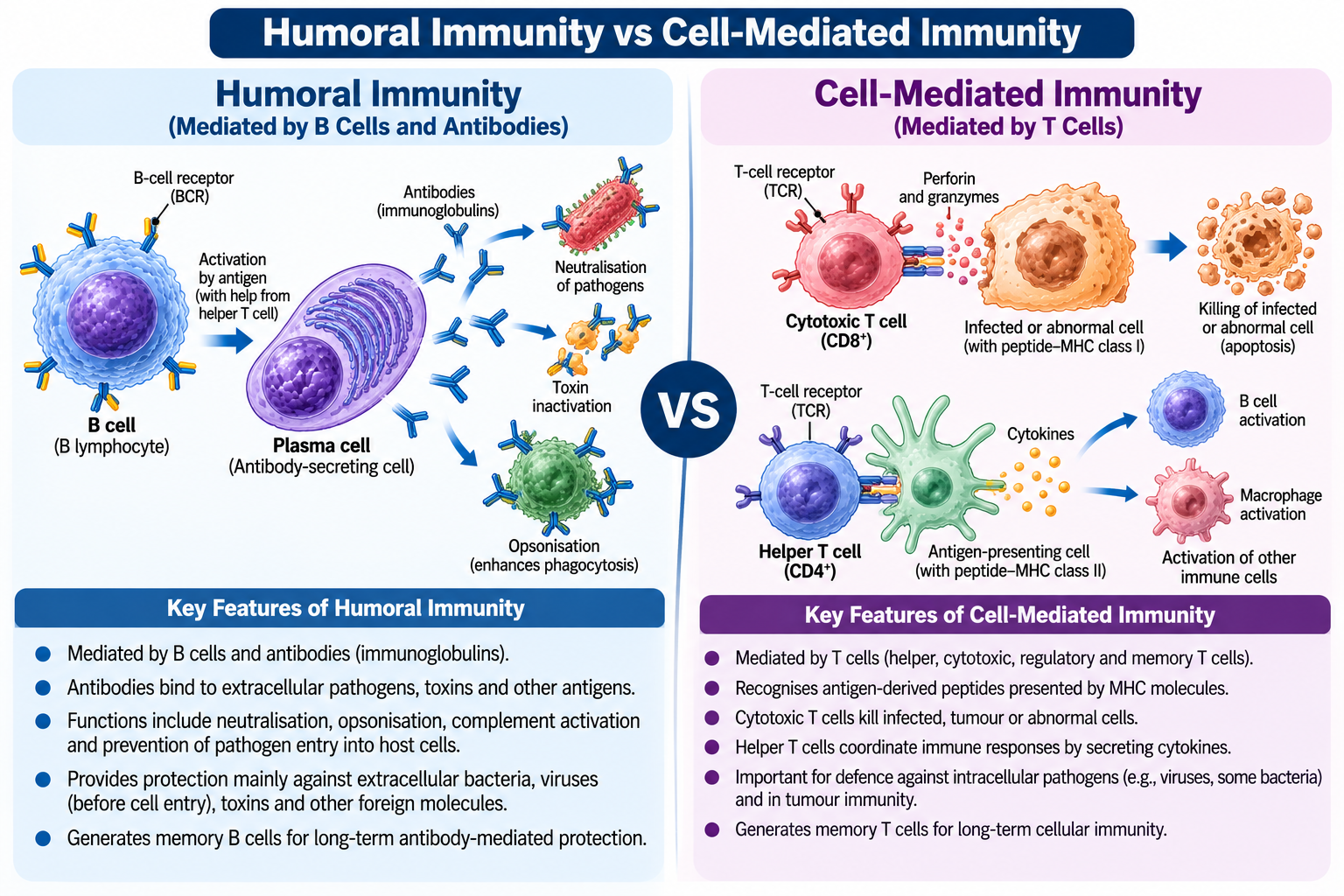
Adaptive immunity consists of two closely interconnected branches: humoral immunity and cell-mediated immunity. In B Cells vs T Cells, B lymphocytes are primarily associated with humoral immunity because they can produce antibodies, whereas T lymphocytes are central to cell-mediated immunity and also coordinate many antibody responses. Both branches work together to recognise and eliminate specific threats.
1. Role of B Cells in Humoral Immunity
Humoral immunity protects the body through antibodies present in blood, lymph, and mucosal secretions. B cells are central to this branch of adaptive immunity because activated B cells can differentiate into plasma cells that produce antigen-specific antibodies.
The main steps in a typical T-cell-dependent humoral response are:
- Antigen recognition: A B-cell receptor binds to a specific native antigen.
- Antigen processing: The B cell internalises the antigen, processes it, and presents peptide fragments on MHC class II molecules.
- Helper T-cell interaction: A suitable helper T cell, often a follicular helper T cell, recognises the peptide–MHC complex and provides supporting signals.
- B-cell activation and proliferation: The B cell receives signals that promote its activation and multiplication.
- Differentiation: Activated B cells can become antibody-secreting plasma cells or memory B cells.
- Antibody-mediated protection: Antibodies neutralise pathogens and toxins, promote opsonisation, and can activate the complement system.
Some antigens can also activate B cells through T-cell-independent pathways. These responses often differ from T-cell-dependent responses in their antibody classes, affinity maturation, and memory formation.
2. Role of T Cells in Cell-Mediated Immunity
Cell-mediated immunity involves immune cells that directly act on infected or abnormal cells or activate other cells to eliminate pathogens. T lymphocytes are central to this branch of adaptive immunity.
The main roles of T cells include:
- Helper T cells: Release cytokines and activate or coordinate B cells, macrophages, and other immune cells.
- Cytotoxic T cells: Recognise specific antigen-derived peptides presented on MHC class I molecules and kill infected or abnormal cells.
- Regulatory T cells: Limit excessive immune responses and help maintain tolerance to self-antigens.
- Memory T cells: Persist after an immune response and enable a faster response to subsequent exposure to the same antigen.
Cell-mediated immunity is particularly important in defence against many intracellular pathogens, including viruses, and in the immune response against certain cancer cells.
3. How B Cells and T Cells Work Together
Although humoral and cell-mediated immunity have different principal effector mechanisms, they are not completely independent.
For example, during a response to a protein antigen, a B cell can bind the antigen through its B-cell receptor, process it, and present peptides to a helper T cell. The helper T cell then provides signals that promote B-cell proliferation, antibody class switching, affinity maturation, and the development of memory B cells and long-lived plasma cells.
At the same time, other T-cell populations may activate macrophages or kill infected cells. Antibodies produced by plasma cells can also work alongside cellular mechanisms to improve pathogen clearance.
Humoral Immunity vs Cell-Mediated Immunity
| Feature | Humoral Immunity | Cell-Mediated Immunity |
|---|---|---|
| Main lymphocytes | B cells and plasma cells | Primarily T cells |
| Principal effector mechanism | Antibodies | T-cell activity and cytokines |
| Main targets | Extracellular microbes, toxins, and accessible antigens | Infected or abnormal cells and intracellular pathogens |
| Important effector cells | Plasma cells | Helper T cells and cytotoxic T cells |
| Key protective actions | Neutralisation, opsonisation, and complement activation | Immune-cell activation and killing of target cells |
| Memory | Memory B cells | Memory T cells |
Importance in Adaptive Immunity
The comparison of B Cells vs T Cells helps explain how adaptive immunity combines antibody-mediated protection with cellular defence. B cells provide antigen-specific antibodies and contribute to memory, while T cells coordinate immune responses, destroy selected target cells, and help regulate inflammation. Their cooperation produces a more effective and adaptable defence than either cell population could provide alone.
Clinical Significance of B Cells vs T Cells
Understanding B Cells vs T Cells is important in medicine because abnormalities in either lymphocyte population can affect immune defence, immune regulation, and the development of disease. B-cell disorders can interfere with antibody production, whereas T-cell disorders can impair cellular immunity and the coordination of immune responses. Because these populations work together, defects in one can also affect the function of the other.
1. B-Cell Deficiencies and Antibody Disorders
B-cell deficiencies can reduce antibody production and increase susceptibility to certain infections, particularly recurrent infections caused by encapsulated bacteria.
Examples include:
- X-linked agammaglobulinaemia: A genetic disorder, commonly caused by mutations affecting BTK, in which B-cell development is severely impaired and antibody levels are markedly reduced.
- Common variable immunodeficiency (CVID): A group of disorders characterised by low levels of certain immunoglobulins and impaired antibody responses.
- Selective IgA deficiency: A condition involving reduced or absent IgA, which may affect mucosal defence in some individuals.
These conditions illustrate the importance of B cells and antibodies in protecting the respiratory tract, gastrointestinal tract, and other sites exposed to pathogens.
2. T-Cell Deficiencies and Cellular Immunity
T-cell deficiencies can impair the body’s ability to control intracellular pathogens and coordinate other immune responses. Depending on the type and severity of the defect, affected individuals may experience recurrent, severe, or unusual infections.
Examples include:
- DiGeorge syndrome: Often associated with abnormal thymic development and reduced numbers of functional T cells, although severity varies.
- Severe combined immunodeficiency (SCID): A group of genetic disorders that impair T-cell development or function and often also affect B-cell function. Even when B cells are present, antibody responses may be poor because appropriate T-cell help is lacking.
- HIV infection: Human immunodeficiency virus can progressively reduce CD4⁺ T cells, weakening immune coordination and increasing susceptibility to opportunistic infections if untreated.
These examples show that T cells are essential not only for cellular defence but also for supporting effective antibody responses.
3. Autoimmune Diseases
Autoimmune diseases develop when immune responses target the body’s own tissues. Both B cells and T cells may contribute, although their roles vary among diseases.
- B cells can produce autoantibodies and present self-antigens to T cells.
- T cells can promote inflammation, damage target tissues, or fail to maintain adequate immune tolerance.
- Regulatory T cells help limit harmful self-reactive immune responses.
For example, autoantibodies contribute to systemic lupus erythematosus, while autoreactive T cells play important roles in diseases such as type 1 diabetes. Many autoimmune disorders involve interactions between several immune-cell populations rather than a defect in only one cell type.
4. B Cells, T Cells, and Cancer
B cells and T cells have important roles in cancer biology and cancer treatment.
Some cancers originate from lymphocytes themselves. Examples include B-cell lymphomas, certain leukaemias, and T-cell lymphomas. These conditions arise when lymphocytes or their precursors undergo abnormal growth.
Immune cells can also help control tumours. Cytotoxic T cells may recognise tumour-associated antigens and kill cancer cells. Some antibody-based treatments target specific molecules on malignant B cells, while immune checkpoint inhibitors can enhance selected T-cell responses against tumours.
However, cancer-related immune responses are complex, and the effectiveness of a treatment depends on the cancer type and its biological characteristics.
5. Vaccination and Immunological Memory
Vaccination stimulates adaptive immune responses that can involve both B cells and T cells.
- B-cell response: Activated B cells can form plasma cells that produce antibodies and memory B cells that support future antibody responses.
- T-cell response: Vaccines can stimulate helper T cells, cytotoxic T cells when appropriate, and memory T cells.
- Coordinated protection: Helper T cells can support B-cell activation and the development of effective antibody responses to many protein antigens.
The relative contributions of B cells and T cells vary according to the vaccine and the pathogen it targets. Some vaccines primarily aim to generate protective antibodies, while others also seek to stimulate strong cellular immunity.
6. Diagnostic and Therapeutic Importance
Clinicians may evaluate B-cell and T-cell populations when investigating suspected immune disorders. Tests can include complete blood counts, lymphocyte subset analysis, immunoglobulin measurements, and assessments of specific antibody responses. Additional tests depend on the suspected condition.
Treatment also varies with the underlying problem. Some antibody deficiencies may require immunoglobulin replacement, while certain immune disorders may need antimicrobial prevention, targeted medicines, or specialised treatments such as haematopoietic stem-cell transplantation.
Comparing B cells and T cells helps explain why different immune disorders affect people in different ways. B cells are particularly important for antibody-mediated protection, whereas T cells are crucial for cellular defence and immune coordination. Their cooperation is essential for effective immunity, and defects in either population can have wider consequences for the adaptive immune system.
Frequently Asked Questions About B Cells vs T Cells
What is the main difference between B cells and T cells?
Where do B cells and T cells mature?
Do B cells or T cells produce antibodies?
How do B cells recognise antigens?
How do T cells recognise antigens?
Which cells are responsible for humoral immunity?
Do both B cells and T cells form memory cells?
Can B cells and T cells work together?
Which is more important: B cells or T cells?
Key Takeaways: B Cells vs T Cells
- The following points summarise the essential facts about B Cells vs T Cells for quick revision, competitive examinations, and undergraduate zoology and immunology exams.
- Origin: Both B cells and T cells originate from haematopoietic stem cells in the bone marrow.
- Maturation: B cells mature primarily in the bone marrow, whereas T cells mature in the thymus.
- Main immune role: B cells are primarily involved in humoral immunity, while T cells are central to cell-mediated immunity and immune coordination.
- Antigen receptors: B cells possess B-cell receptors (BCRs), whereas T cells possess T-cell receptors (TCRs).
- Antigen recognition: BCRs can bind native antigens directly; conventional TCRs generally recognise antigen-derived peptides presented by MHC molecules.
- Antibody production: Activated B cells can differentiate into plasma cells that secrete antibodies. T cells do not normally produce antibodies.
- Helper T cells: CD4⁺ T cells coordinate immune responses and support B-cell activation, macrophage activity, and other immune functions.
- Cytotoxic T cells: CD8⁺ T cells can kill infected or abnormal cells displaying the relevant peptide–MHC class I complex.
- Regulatory T cells: These cells help maintain immune tolerance and control excessive immune responses.
- Memory cells: Both B cells and T cells can form memory populations that contribute to faster responses after repeated antigen exposure.
- Antigen presentation: B cells can present processed antigen peptides on MHC class II molecules to helper T cells.
- Cooperation: B cells and T cells often work together to generate effective antibody responses and long-lasting immune protection.
- Clinical significance: Defects in B cells may impair antibody-mediated protection, while T-cell defects may weaken cellular immunity and immune coordination.
- Vaccination: Many vaccines stimulate both B-cell and T-cell responses, although the relative contributions vary with the vaccine.
- B cells primarily mediate antibody-based humoral immunity, whereas T cells coordinate immune responses, regulate immunity, and provide important cellular defence. Both are essential, interconnected components of adaptive immunity.
Conclusion: B Cells vs T Cells
The comparison of B Cells vs T Cells highlights how two major lymphocyte populations provide complementary protection through adaptive immunity. Although both originate from haematopoietic stem cells in the bone marrow, they differ in their maturation sites, antigen receptors, and principal immune functions.
B cells mature primarily in the bone marrow and contribute to humoral immunity by differentiating into antibody-secreting plasma cells. They also present antigens, produce cytokines, and form memory B cells that support future antibody responses.
T cells mature in the thymus and perform diverse functions in cellular immunity. Helper T cells coordinate immune responses, cytotoxic T cells destroy selected infected or abnormal cells, regulatory T cells help maintain immune tolerance, and memory T cells contribute to long-term protection.
Despite these differences, B cells and T cells work together in many immune responses. Their coordinated activities enable the body to recognise specific antigens, eliminate threats, regulate inflammation, and develop immunological memory. Understanding their similarities and differences is therefore fundamental to studying immunology, vaccination, immune disorders, and the mechanisms of adaptive immunity.
References
- National Cancer Institute (NCI). B Cell. NCI Dictionary of Cancer Terms.
https://www.cancer.gov/publications/dictionaries/cancer-terms/def/b-cell - National Cancer Institute (NCI). T Cell. NCI Dictionary of Cancer Terms.
https://www.cancer.gov/publications/dictionaries/cancer-terms/def/t-cell - OpenStax. Microbiology 2e — Adaptive Immunity. Rice University.
https://openstax.org/books/microbiology/pages/18-4-adaptive-immune-response - Janeway, C. A. Jr., Travers, P., Walport, M., and Shlomchik, M. J. Immunobiology: The Immune System in Health and Disease. Garland Science.
https://www.ncbi.nlm.nih.gov/books/NBK10757/ - Abbas, A. K., Lichtman, A. H., and Pillai, S. Cellular and Molecular Immunology. Elsevier.
https://www.elsevier.com/books/cellular-and-molecular-immunology/abbas/978-0-323-75748-5 - Merck Manual Professional Edition. Overview of the Immune System.
https://www.merckmanuals.com/professional/immunology-allergic-disorders/biology-of-the-immune-system/overview-of-the-immune-system - National Institute of Allergy and Infectious Diseases (NIAID). Immune System Overview.
https://www.niaid.nih.gov/research/immune-system-overview
Discover more from Zoologyverse
Subscribe to get the latest posts sent to your email.