
Understanding humoral vs cell-mediated immunity helps explain how B cells, T cells, and antibodies work together to protect the body. Although these mechanisms have distinct functions, they are interconnected and often cooperate to produce an effective immune response.
The immune system protects the body against pathogens, foreign substances, and abnormal cells through a coordinated network of cells, tissues, and molecules. Adaptive immunity is especially important because it recognises specific antigens and can develop immunological memory. Two major mechanisms of adaptive immunity are humoral immunity and cell-mediated immunity.
Humoral immunity is primarily mediated by B lymphocytes and the antibodies produced by their differentiated plasma cells. These antibodies circulate in body fluids and help neutralise pathogens and toxins, promote phagocytosis, and activate the complement system. Humoral immunity is particularly important in defence against extracellular microorganisms and their toxins.
In contrast, cell-mediated immunity is primarily driven by T lymphocytes. Helper T cells coordinate immune responses, while cytotoxic T cells can destroy infected or abnormal host cells. Cell-mediated immunity is especially important against intracellular pathogens, such as viruses replicating inside host cells, and in immune surveillance against certain abnormal cells.
What Is Adaptive Immunity?
Adaptive immunity is a specialised defence mechanism that recognises specific antigens and develops targeted responses against them. It is mediated primarily by B lymphocytes and T lymphocytes, which recognise antigens through specific receptors and become activated when appropriate signals are received.
Unlike innate immunity, which provides rapid and broadly targeted defence, adaptive immunity can develop immunological memory. This allows the body to respond more efficiently when it encounters a previously recognised antigen.
Adaptive immunity has two major functional branches: humoral immunity and cell-mediated immunity. Understanding these branches is essential when studying humoral vs cell-mediated immunity, because each uses different immune cells and mechanisms to protect the body.
Characteristics of Adaptive Immunity
The major characteristics of adaptive immunity include:
- Specificity: Immune cells recognise particular antigens through specialised receptors.
- Diversity: The immune system can recognise a wide range of different antigens.
- Clonal expansion: Activated antigen-specific lymphocytes multiply to produce more cells capable of responding to the same antigen.
- Immunological memory: Memory B and T cells can support faster responses during subsequent exposure to the same antigen.
- Self-tolerance: Mechanisms normally prevent harmful immune responses against the body’s own tissues.
- Specialisation: Different immune mechanisms target different threats, including extracellular pathogens, intracellular infections, and abnormal cells.
Types of Adaptive Immunity
Adaptive immunity is broadly divided into two major types.
1. Humoral immunity
Humoral immunity is mediated by B lymphocytes and antibodies secreted by plasma cells. Antibodies circulate in blood and other body fluids, where they help neutralise toxins and pathogens, promote phagocytosis, and activate complement. This branch is particularly important in defence against many extracellular microorganisms.
2. Cell-mediated immunity
Cell-mediated immunity is mediated primarily by T lymphocytes. Helper T cells coordinate immune responses, while cytotoxic T cells can kill infected or abnormal host cells. This branch is especially important in defence against intracellular pathogens and in immune surveillance.
Relationship Between Humoral and Cell-Mediated Immunity
Although humoral and cell-mediated immunity have different primary mechanisms, they work together rather than independently. Helper T cells can support B-cell activation and antibody production, while antibodies can help control pathogens before they enter host cells. T-cell responses can then help eliminate infected cells when infection occurs. Therefore, both branches contribute to effective adaptive immunity. Their coordinated activities explain why the distinction between humoral vs cell-mediated immunity is important in understanding immune defence, vaccination, and immunological memory.
What Is Humoral Immunity?
Humoral immunity is a major branch of adaptive immunity mediated by B lymphocytes (B cells) and antibodies. It protects the body mainly against extracellular pathogens, such as bacteria and fungi, and against toxins circulating in body fluids. The term humoral refers to the body fluids, including blood and lymph, in which antibodies act.
When a B cell recognises a specific antigen and receives the necessary activation signals, it can multiply and differentiate into plasma cells and memory B cells. Plasma cells produce antibodies that bind to specific antigens, while memory B cells help the immune system respond more rapidly if the same antigen enters the body again.
Humoral immunity is an important part of humoral vs cell-mediated immunity because it primarily uses antibodies to recognise and help eliminate threats outside host cells, whereas cell-mediated immunity relies mainly on T lymphocytes to coordinate immune responses or destroy infected cells.
Key Components of Humoral Immunity
1. B Lymphocytes (B Cells)
B cells are specialised lymphocytes that recognise specific antigens through B-cell receptors. After activation, selected B cells proliferate and differentiate into antibody-secreting plasma cells and memory B cells.
2. Plasma Cells
Plasma cells are differentiated B cells specialised in producing and releasing large quantities of antibodies. These antibodies bind to specific antigens and help the body control infections.
3. Antibodies (Immunoglobulins)
Antibodies are antigen-specific proteins secreted by plasma cells. They can neutralise toxins and pathogens, promote phagocytosis through opsonisation, and activate the complement system. Different antibody classes, including IgM, IgG, IgA, IgE, and IgD, have distinct roles in immunity.
4. Memory B Cells
Memory B cells persist after an immune response and can respond rapidly when the same antigen is encountered again. They contribute to long-term immunological memory.
Main Functions of Humoral Immunity
- Neutralisation: Antibodies block pathogens or toxins from attaching to and entering host cells.
- Opsonisation: Antibodies coat microbes, making them easier for phagocytes to recognise and engulf.
- Complement activation: Certain antibodies activate the complement system, which helps eliminate microbes.
- Agglutination: Antibodies can bind multiple particles and promote their clumping, helping their clearance.
- Immunological memory: Memory B cells support a faster response to previously encountered antigens.
Mechanism of Humoral Immunity
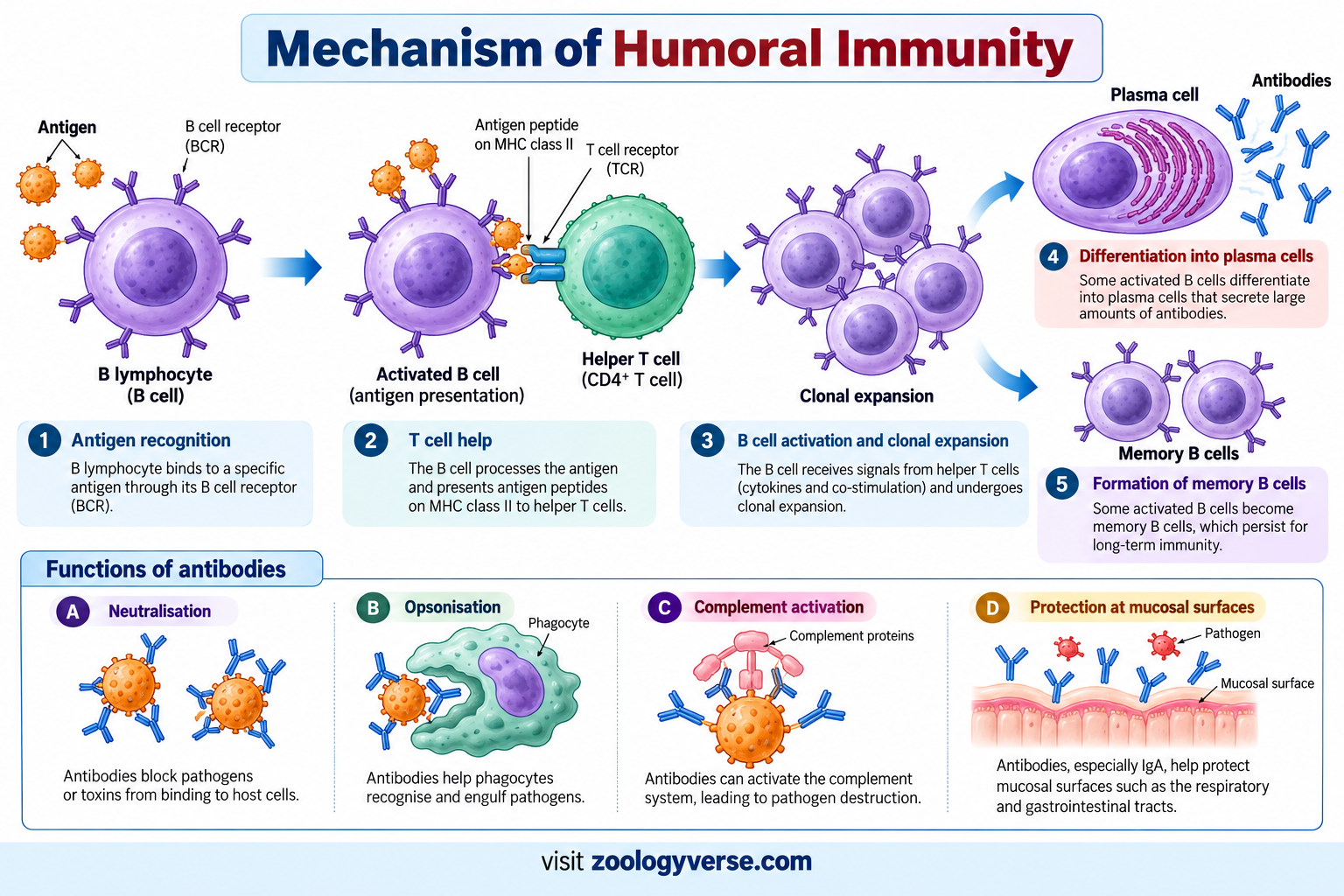
Humoral immunity develops through a sequence of events involving antigen recognition, B-cell activation, clonal expansion, differentiation, and antibody production. In many responses to protein antigens, helper T cells provide essential signals that enable B cells to produce effective antibody responses.
Steps Involved in the Mechanism of Humoral Immunity
1. Entry of Antigen
When a pathogen or foreign substance enters the body, its antigens are recognised by components of the immune system. Antigens may be present on the surface of bacteria, viruses, or other foreign particles, or may occur as soluble molecules such as toxins.
2. Antigen Recognition by B Cells
B lymphocytes recognise specific antigens through their B-cell receptors (BCRs). After binding an antigen, the B cell can take it up, process it, and present antigen-derived peptides on major histocompatibility complex class II (MHC II) molecules.
3. Activation of B Cells
For many protein antigens, a helper T cell—often a follicular helper T cell—recognises the presented peptide–MHC II complex. Interactions involving CD40 on the B cell and CD40 ligand on the helper T cell, together with cytokine signals, promote B-cell activation.
Some antigens, such as certain repeating structures on microbial surfaces, can activate B cells with limited or no direct T-cell help. These responses are generally more restricted and often produce less durable immunological memory.
4. Clonal Expansion
Activated B cells undergo repeated cell division, producing a population of cells that recognise the same antigen. This process is called clonal expansion and increases the number of antigen-specific B cells available to fight the infection.
5. Differentiation into Plasma Cells and Memory B Cells
Some activated B cells differentiate into plasma cells, which secrete antibodies. Others become memory B cells, which persist and help provide a faster response when the same antigen is encountered again. In many T-dependent responses, B cells can also undergo antibody class switching and affinity maturation, improving the effectiveness of the antibody response.
6. Antibody Production and Pathogen Elimination
Antibodies bind to their specific antigens and help control infection through several mechanisms:
- Neutralisation: Blocking the attachment or entry of pathogens and toxins into host cells.
- Opsonisation: Coating microbes to improve their recognition and engulfment by phagocytes.
- Complement activation: Triggering complement pathways that promote inflammation, microbial clearance, and, for susceptible microbes, membrane damage.
- Agglutination: Cross-linking antigens or particles, which can assist their removal.
Flowchart of Humoral Immunity
Antigen enters the body → Recognition by a specific B cell → B-cell activation → Clonal expansion → Differentiation into plasma cells and memory B cells → Antibody production → Elimination or neutralisation of the target.
Significance of the Mechanism
The mechanism of humoral immunity explains how the immune system produces antigen-specific antibodies and develops memory after exposure to an antigen. It is particularly important for controlling extracellular microbes and toxins, as well as for the protective antibody responses generated by many vaccines.
Although humoral immunity has its own characteristic mechanism, it works alongside cell-mediated immunity. Helper T cells can support antibody production, while other T-cell responses help control infections within host cells.
Functions of Humoral Immunity
Humoral immunity plays an essential role in protecting the body against extracellular microorganisms and harmful substances. Its main function is to produce antibodies that recognise specific antigens and help neutralise or eliminate them. Antibodies also support other immune mechanisms, allowing the body to control infections more effectively.
1. Neutralisation of Pathogens and Toxins
Antibodies bind to specific sites on pathogens or toxins and prevent them from attaching to or entering host cells. This process is known as neutralisation.
For example, neutralising antibodies can block viral attachment to host cells and prevent bacterial toxins from interacting with their target cells.
2. Opsonisation
Opsonisation occurs when antibodies coat the surface of a microorganism and make it easier for phagocytic cells, such as macrophages and neutrophils, to recognise and engulf it.
The Fc region of an antibody can interact with Fc receptors on phagocytes, promoting the uptake and destruction of antibody-coated microbes.
3. Activation of the Complement System
Certain antibodies, particularly IgM and some subclasses of IgG, can activate the classical complement pathway after binding to their targets.
Complement activation can promote inflammation, enhance phagocytosis through opsonisation, and damage susceptible microbes through the membrane attack complex.
4. Agglutination and Precipitation
Antibodies can bind to multiple antigens simultaneously, producing larger antigen–antibody complexes.
- Agglutination: Antibodies cause particulate antigens, such as bacteria, to clump together.
- Precipitation: Antibodies bind soluble antigens to form complexes that may become insoluble under suitable conditions.
These reactions can facilitate the clearance of antigens from the body.
5. Protection Against Extracellular Microorganisms
Antibodies help control extracellular bacteria and other pathogens by neutralising them, promoting their phagocytosis, and activating complement. Different antibody classes perform specialised functions at different sites in the body.
For example, IgA is important in mucosal secretions, while IgG is a major antibody class in blood and tissues.
6. Mucosal Protection
Secretory IgA helps protect mucosal surfaces, including those of the respiratory and intestinal tracts. It can prevent pathogens from attaching to epithelial cells and help limit their entry into the body.
This protection is especially important because mucosal surfaces are frequent entry points for infectious agents.
7. Immunological Memory
After an initial immune response, memory B cells can persist in the body. If the same antigen is encountered again, these cells can contribute to a faster and often stronger antibody response.
This principle forms an important basis of the protective effects of many vaccines.
8. Passive Immunity
Antibodies can also provide protection when transferred from another individual or supplied as an antibody preparation. This is called passive immunity.
Examples include the transfer of maternal IgG across the placenta and the transfer of secretory IgA through breast milk. Passive immunity provides immediate, temporary protection without requiring the recipient to develop the antibody response independently.
The major functions of humoral immunity include neutralisation, opsonisation, complement activation, agglutination, mucosal defence, and immunological memory. Together, these mechanisms help the body recognise and eliminate extracellular pathogens and their harmful products.
What Is Cell-Mediated Immunity?
Cell-mediated immunity is a major branch of adaptive immunity that is mediated primarily by T lymphocytes (T cells) rather than by antibodies acting directly in body fluids. It plays an essential role in defending the body against intracellular pathogens, controlling infected cells, and responding to certain abnormal cells, including some tumour cells.
Unlike humoral immunity, which depends mainly on B lymphocytes and antibodies, cell-mediated immunity relies on T-cell recognition of antigen-derived peptides presented by major histocompatibility complex (MHC) molecules. Different types of T cells perform specialised functions, including coordinating immune responses and destroying infected or abnormal cells.
Key Components of Cell-Mediated Immunity
1. T Lymphocytes (T Cells)
T lymphocytes develop from precursor cells in the bone marrow and mature in the thymus. They carry T-cell receptors (TCRs) that recognise specific antigen-derived peptides when presented by appropriate MHC molecules.
2. Helper T Cells (CD4⁺ T Cells)
Helper T cells recognise peptides presented by MHC class II molecules, usually on antigen-presenting cells. Once activated, they release cytokines and provide signals that help coordinate immune responses.
Their functions include activating macrophages, supporting B-cell responses, and helping other immune cells respond effectively to infection.
3. Cytotoxic T Cells (CD8⁺ T Cells)
Cytotoxic T cells recognise antigen-derived peptides presented by MHC class I molecules on target cells. Once activated, they can kill infected cells and certain abnormal cells by inducing programmed cell death, or apoptosis.
This function is particularly important for controlling viruses and other pathogens that reproduce inside host cells.
4. Regulatory T Cells
Regulatory T cells help limit excessive immune responses and maintain immune tolerance. They reduce the risk of damage to healthy tissues by regulating the activity of other immune cells.
5. Memory T Cells
Some activated T cells develop into memory T cells. These cells persist after the initial response and can respond more rapidly if the same antigen is encountered again.
Main Functions of Cell-Mediated Immunity
- Control of intracellular pathogens: Helps eliminate cells infected by viruses and certain intracellular bacteria.
- Macrophage activation: Helper T cells can enhance the ability of macrophages to destroy ingested pathogens.
- Destruction of infected cells: Cytotoxic T cells kill infected host cells to limit pathogen replication.
- Immune surveillance: T cells can recognise and eliminate some abnormal or tumour cells.
- Regulation of immune responses: Regulatory T cells help prevent excessive inflammation and inappropriate immune reactions.
- Immunological memory: Memory T cells support faster responses to previously encountered antigens.
Examples of Cell-Mediated Immunity
Cell-mediated immunity is important in the immune response against viral infections, such as influenza, because cytotoxic T cells can recognise and kill infected cells. It also contributes to defence against certain intracellular bacteria and fungi through T-cell-mediated activation of macrophages.
Cell-mediated mechanisms are additionally involved in transplant rejection and delayed-type hypersensitivity reactions. These examples demonstrate that T-cell activity is important not only for protection against infection but also in several clinical and pathological processes.
Importance of Cell-Mediated Immunity
Cell-mediated immunity is especially valuable when pathogens are hidden inside host cells, where circulating antibodies may have limited access. By coordinating immune activity and eliminating infected cells, T lymphocytes help control infections that cannot be managed effectively by antibodies alone.
However, cell-mediated immunity does not operate independently. Helper T cells can assist B cells in producing antibodies, while antibodies and other immune mechanisms can work alongside T-cell responses to provide coordinated protection.
Mechanism of Cell-Mediated Immunity
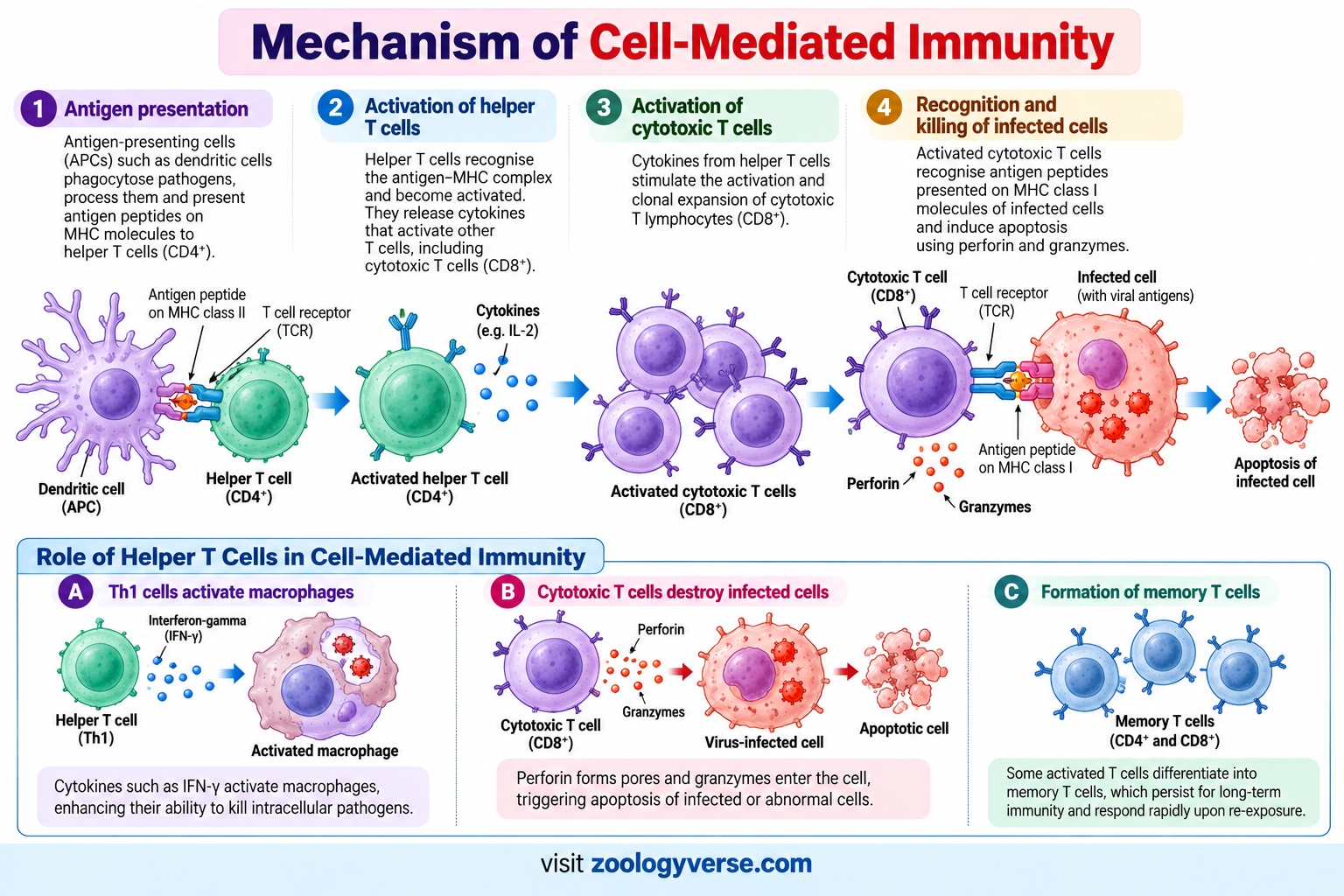
Cell-mediated immunity develops through the recognition of antigen-derived peptides by T lymphocytes, followed by T-cell activation, clonal expansion, and differentiation into functional effector and memory cells. The exact sequence depends on the type of pathogen, the antigen-presenting cells involved, and the T-cell population responding to the infection.
Steps Involved in the Mechanism of Cell-Mediated Immunity
1. Entry of Pathogen and Antigen Processing
When a pathogen enters the body, its antigens are captured and processed by immune cells. Dendritic cells are particularly important because they can activate naïve T cells by presenting antigen-derived peptides.
Peptides derived from intracellular proteins are commonly presented through MHC class I molecules, whereas peptides from material taken up by antigen-presenting cells are commonly presented through MHC class II molecules.
2. Antigen Presentation to T Lymphocytes
T cells recognise antigen-derived peptides only when they are presented by appropriate MHC molecules.
- CD4⁺ T cells recognise peptides presented by MHC class II molecules.
- CD8⁺ T cells recognise peptides presented by MHC class I molecules.
This recognition is mediated by the T-cell receptor (TCR). Additional costimulatory signals are generally required to activate naïve T cells effectively.
3. Activation of T Cells
After recognising a specific peptide–MHC complex and receiving appropriate costimulatory signals and cytokines, the relevant T cells become activated.
Activated CD4⁺ T cells can differentiate into specialised helper populations that coordinate immune responses. Activated CD8⁺ T cells can develop into cytotoxic T lymphocytes capable of killing infected target cells.
4. Clonal Expansion
Activated T cells undergo repeated cell division, producing many cells with receptors specific to the same antigen. This process, called clonal expansion, increases the number of T cells available to respond to the infection.
5. Differentiation into Effector and Memory T Cells
Some activated T cells become effector cells that act during the current immune response. Others develop into memory T cells that can persist and respond more rapidly after a later encounter with the same antigen.
Effector CD4⁺ T cells may activate macrophages through cytokines and cell-to-cell interactions, while cytotoxic CD8⁺ T cells directly target infected or abnormal cells.
6. Destruction of Infected Cells
Cytotoxic T lymphocytes recognise specific peptide–MHC class I complexes on target cells. They can then induce apoptosis through two major mechanisms:
- Perforin–granzyme pathway: Perforin helps granzymes enter the target cell, where they activate processes that lead to apoptosis.
- Fas–Fas ligand pathway: Fas ligand on the cytotoxic T cell binds to Fas on the target cell, triggering an apoptotic signalling pathway.
These mechanisms help remove infected cells and limit the replication of intracellular pathogens.
7. Activation of Macrophages
Some CD4⁺ helper T cells, particularly Th1 cells, produce interferon-gamma (IFN-γ) and provide additional activating signals to macrophages. This increases their ability to destroy certain pathogens that survive inside phagocytic cells.
8. Formation of Memory T Cells
Following the immune response, a proportion of activated T cells persists as memory cells. These cells enable a more rapid and effective response if the same antigen is encountered again.
Flowchart of Cell-Mediated Immunity
Pathogen entry → Antigen processing and presentation → T-cell recognition and activation → Clonal expansion → Formation of effector T cells and memory T cells → Killing of infected cells and/or activation of macrophages → Control of infection.
Significance of the Mechanism
The mechanism of cell-mediated immunity explains how T lymphocytes detect infected cells, coordinate cellular defences, and remove certain threats that are difficult for antibodies to reach directly. It is especially important in many viral infections and in defence against selected intracellular pathogens.
Cell-mediated immunity must also be carefully regulated. Excessive T-cell activity can damage healthy tissues, so regulatory mechanisms help maintain a balance between effective pathogen control and protection of the body’s own cells.
Types and Functions of T Cells
T lymphocytes, or T cells, are essential components of cell-mediated immunity. They develop from precursor cells in the bone marrow and mature in the thymus, where they undergo selection processes that help establish immune tolerance. Different T-cell populations perform specialised functions, including coordinating immune responses, killing infected cells, regulating inflammation, and maintaining immunological memory.
1. Helper T Cells (CD4⁺ T Cells)
Helper T cells recognise antigen-derived peptides presented by MHC class II molecules. They coordinate immune responses by releasing cytokines and interacting with other immune cells.
Major functions:
- Activate macrophages to improve their ability to destroy certain intracellular pathogens.
- Support B-cell activation, antibody production, and antibody class switching.
- Help activate and maintain cytotoxic T-cell responses.
- Coordinate immune responses through cytokine secretion.
Helper T cells include several specialised populations, such as Th1, Th2, Th17, and follicular helper T cells. Each population supports different aspects of immune defence.
2. Cytotoxic T Cells (CD8⁺ T Cells)
Cytotoxic T cells recognise antigen-derived peptides presented by MHC class I molecules. Once activated, they can destroy infected or abnormal cells.
Major functions:
- Kill virus-infected cells.
- Recognise and destroy certain tumour cells.
- Induce apoptosis through perforin–granzyme and Fas–Fas ligand pathways.
- Produce cytokines, including interferon-gamma, that contribute to immune defence.
Cytotoxic T cells are particularly important when pathogens replicate inside host cells and need to be controlled by eliminating infected cells.
3. Regulatory T Cells (Tregs)
Regulatory T cells help maintain immune tolerance and prevent excessive immune responses. They are commonly identified by the expression of CD4, CD25, and the transcription factor FOXP3.
Major functions:
- Suppress inappropriate immune activation.
- Help prevent autoimmune reactions against the body’s own tissues.
- Limit excessive inflammation and immune-mediated tissue damage.
- Contribute to immune tolerance in specific physiological settings.
Regulatory T cells are important because an immune response must eliminate threats without causing unnecessary injury to healthy tissues.
4. Memory T Cells
Memory T cells develop during an immune response and can persist after the pathogen has been controlled. They recognise antigens encountered previously and can respond more rapidly upon re-exposure.
Memory T cells include different populations, such as central memory, effector memory, and tissue-resident memory T cells.
Major functions:
- Provide a faster response to previously encountered antigens.
- Support long-term adaptive immune protection.
- Help control reinfections through rapid cytokine production or cytotoxic activity, depending on the memory-cell type.
5. Follicular Helper T Cells (Tfh Cells)
Follicular helper T cells are a specialised subset of CD4⁺ T cells that help B cells respond effectively to protein antigens. They are especially important in germinal centres within lymphoid tissues.
Major functions:
- Support B-cell proliferation and survival.
- Promote antibody class switching.
- Help B cells undergo affinity maturation.
- Support the formation of long-lived plasma cells and memory B cells.
Tfh cells illustrate how cellular and antibody-mediated responses cooperate to produce effective humoral immunity.
Summary of T-Cell Types
| Type of T cell | Major role |
|---|---|
| Helper T cells (CD4⁺) | Coordinate immune responses and activate other immune cells |
| Cytotoxic T cells (CD8⁺) | Kill infected or abnormal cells |
| Regulatory T cells | Maintain immune tolerance and limit excessive responses |
| Memory T cells | Provide faster responses after repeat exposure |
| Follicular helper T cells | Help B cells produce effective antibody responses |
Together, these T-cell populations support pathogen control, immune regulation, and long-term protection. Their specialised functions also explain why cell-mediated immunity and humoral immunity are distinct but interconnected branches of adaptive immunity.
Humoral vs Cell-Mediated Immunity: Comparison Table
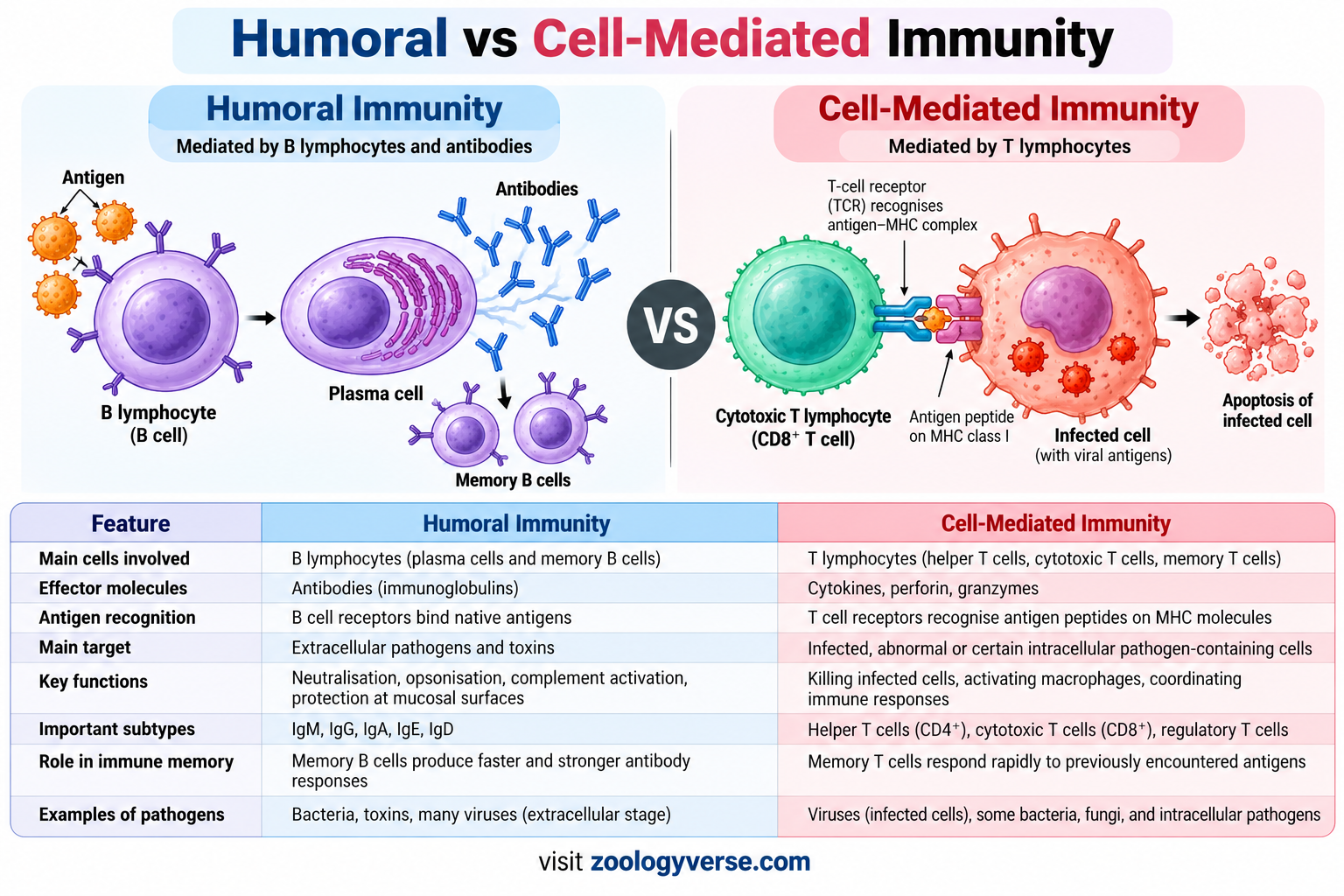
Humoral immunity and cell-mediated immunity are the two major branches of adaptive immunity. Both recognise specific antigens and contribute to immunological memory, but they differ in their primary cells, mechanisms, and roles in pathogen defence.
The following table summarises the major differences between them.
| Basis of comparison | Humoral immunity | Cell-mediated immunity |
|---|---|---|
| Definition | Adaptive immunity mediated primarily by B cells and antibodies | Adaptive immunity mediated primarily by T lymphocytes |
| Main cells involved | B lymphocytes, plasma cells, and memory B cells | Helper T cells, cytotoxic T cells, regulatory T cells, and memory T cells |
| Major effector molecules | Antibodies (immunoglobulins) | Cytokines and cytotoxic molecules, including perforin and granzymes |
| Antigen recognition | B-cell receptors can bind specific native antigens | T-cell receptors recognise antigen-derived peptides presented by MHC molecules |
| Main targets | Mainly extracellular pathogens and toxins | Mainly infected cells and certain intracellular pathogens |
| Major mechanism | Antibody production and antigen–antibody interactions | T-cell activation, macrophage activation, and destruction of infected or abnormal cells |
| Role in bacterial infections | Important against extracellular bacteria and their toxins | Important against certain intracellular bacteria |
| Role in viral infections | Antibodies can neutralise viruses before they enter cells | Cytotoxic T cells can kill virus-infected cells |
| Role in immunity | Neutralisation, opsonisation, complement activation, and mucosal protection | Killing infected cells, activating macrophages, and coordinating cellular responses |
| Memory cells | Memory B cells | Memory T cells |
| Involvement in vaccination | Produces protective antibody responses against many vaccine antigens | Contributes to T-cell memory and cellular protection, depending on the vaccine |
| Passive transfer | Can be transferred through antibodies, such as maternal IgG or antibody preparations | Generally requires transfer of suitable immune cells for direct cellular protection |
| Major clinical relevance | Antibody deficiencies can increase susceptibility to certain extracellular infections | T-cell deficiencies can impair control of intracellular pathogens and increase susceptibility to opportunistic infections |
Key Differences
- Humoral immunity depends mainly on B cells and antibodies, whereas cell-mediated immunity depends mainly on T lymphocytes.
- Humoral immunity is especially important against extracellular pathogens and toxins, while cell-mediated immunity is particularly important against infected cells and selected intracellular pathogens.
- Antibodies are the principal effector molecules of humoral immunity; T-cell cytokines and cytotoxic mechanisms are central to cell-mediated immunity.
- Both branches develop antigen-specific responses and can form memory cells.
- The two branches cooperate. For example, helper T cells support B-cell activation and antibody production.
Note: These branches are not completely independent. Their activities overlap, and the relative contribution of each depends on the pathogen, the site of infection, and the type of immune response.
Examples of Humoral and Cell-Mediated Immunity
Humoral immunity and cell-mediated immunity work together to protect the body against different types of pathogens. Their relative importance depends on whether a pathogen is present outside cells, produces toxins, or survives and multiplies inside host cells.
Examples of Humoral Immunity
1. Neutralisation of Viruses Before Cell Entry
Antibodies can bind to viral surface proteins and prevent viruses from attaching to or entering host cells. This is an important mechanism of protection against many viral infections.
2. Protection Against Bacterial Toxins
Antibodies can bind to bacterial toxins and prevent them from interacting with their target cells. Antibodies against tetanus toxin, for example, can help neutralise the toxin and prevent its harmful effects.
3. Defence Against Extracellular Bacteria
Antibodies can coat extracellular bacteria, promote their uptake by phagocytes, and activate the complement system. These mechanisms help eliminate susceptible bacteria from the body.
4. Protection at Mucosal Surfaces
Secretory IgA antibodies in saliva, tears, respiratory secretions, and intestinal secretions help prevent pathogens from attaching to mucosal surfaces. This provides an important first line of antigen-specific protection at sites frequently exposed to microorganisms.
5. Antibody Responses After Vaccination
Many vaccines stimulate B cells to produce antigen-specific antibodies and generate memory B cells. On subsequent exposure to the same antigen, these cells can contribute to a faster antibody response.
Examples of Cell-Mediated Immunity
1. Defence Against Virus-Infected Cells
During a viral infection, infected cells may display viral peptides on MHC class I molecules. Cytotoxic CD8⁺ T cells recognise these complexes and can induce apoptosis of the infected cells, helping restrict viral replication.
2. Defence Against Intracellular Bacteria
Some bacteria can survive within host cells, including macrophages. Th1 cells can produce interferon-gamma and provide activating signals that improve macrophage antimicrobial activity. This mechanism contributes to defence against organisms such as Mycobacterium tuberculosis.
3. Defence Against Certain Intracellular Fungi
T-cell responses, including Th1 and Th17 responses, contribute to protection against different fungal pathogens. The particular response required depends on the fungus and the site of infection.
4. Immune Surveillance Against Tumour Cells
Cytotoxic T cells can recognise tumour-associated antigens presented by MHC class I molecules and destroy certain abnormal cells. This is one component of immune surveillance against cancer.
5. Transplant Rejection
T lymphocytes can recognise foreign or mismatched antigens associated with transplanted tissue and contribute to graft rejection. This is a clinical example of cellular immune activity that can damage tissue rather than protect against an infection.
6. Delayed-Type Hypersensitivity
Delayed-type hypersensitivity is a T-cell-mediated immune reaction that typically develops over many hours, often becoming apparent after 24–72 hours. The tuberculin skin test is a familiar example used to assess immune sensitisation to mycobacterial antigens, although a positive result does not by itself confirm active tuberculosis.
How Both Types of Immunity Work Together
An infection may stimulate both antibody-mediated and cellular responses. Antibodies can neutralise pathogens outside cells, while T cells help coordinate immune activity or eliminate infected cells.
For example, during many viral infections, antibodies help prevent free virus particles from entering new cells, while cytotoxic T cells remove cells that are already infected. Helper T cells can support B-cell activation and antibody production, linking the two branches.
These examples show that humoral immunity and cell-mediated immunity have distinct roles but cooperate to provide effective adaptive immune protection.
Role in Vaccination and Disease Defence
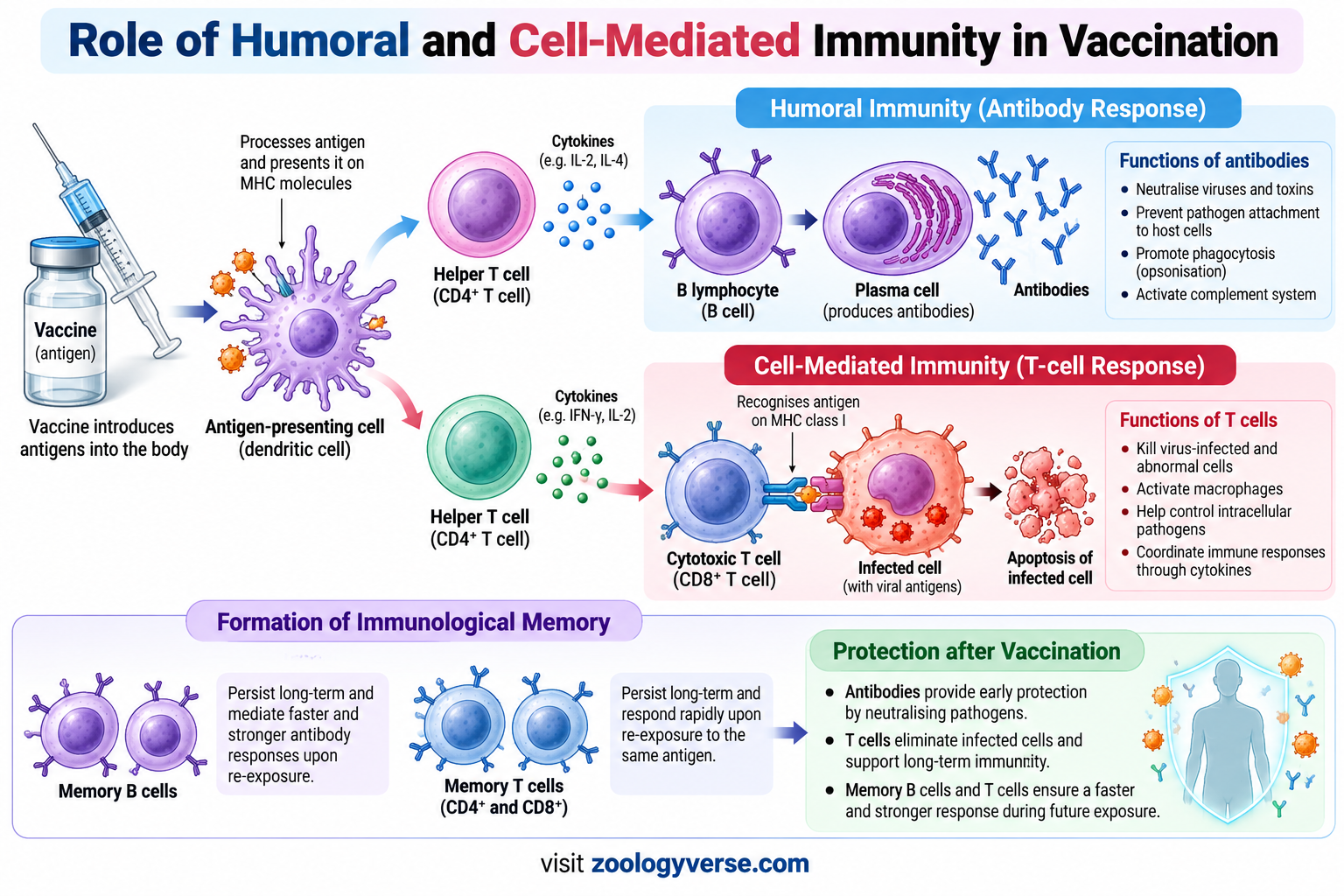
Vaccination prepares the immune system to recognise specific pathogens or their antigens before a natural infection occurs. Depending on the vaccine and the pathogen, protection may involve antibody production, T-cell responses, or a combination of both. Humoral immunity and cell-mediated immunity therefore contribute to vaccine-induced protection in complementary ways.
1. Role of Humoral Immunity in Vaccination
Many vaccines stimulate B lymphocytes to differentiate into plasma cells and produce antigen-specific antibodies. Some activated B cells also become memory B cells, which help the body respond more rapidly after subsequent exposure to the same antigen.
Antibodies generated through vaccination can protect the body through several mechanisms:
- Neutralisation: Antibodies block pathogens or toxins from interacting with host cells.
- Opsonisation: Antibodies help phagocytes recognise and engulf microbes.
- Complement activation: Certain antibodies activate complement pathways that support pathogen elimination.
- Long-term antibody production: Long-lived plasma cells can continue producing protective antibodies after vaccination.
For example, vaccines against tetanus protect primarily by inducing antibodies that neutralise tetanus toxin. Other vaccines stimulate antibodies that prevent a pathogen from entering host cells.
2. Role of Cell-Mediated Immunity in Vaccination
Some vaccines also stimulate antigen-specific T-cell responses. These responses can help control infected cells, activate other immune cells, and contribute to immunological memory.
Important roles include:
- Cytotoxic T-cell responses: CD8⁺ T cells can recognise and kill infected cells displaying the relevant antigen on MHC class I molecules.
- Helper T-cell responses: CD4⁺ T cells coordinate immune activity and support B-cell antibody production.
- Macrophage activation: Certain helper T cells enhance the ability of macrophages to control intracellular pathogens.
- Memory T-cell formation: Memory T cells can respond more rapidly when the same antigen is encountered again.
The strength and type of T-cell response vary according to the vaccine platform, antigen, and route of administration.
3. Cooperation Between Humoral and Cell-Mediated Immunity
Effective immune protection often depends on both branches working together. Helper T cells can provide signals that promote B-cell activation, antibody class switching, and the development of memory B cells. Meanwhile, antibodies can limit the spread of pathogens, and T cells can help eliminate infected cells.
For example, during a viral infection, antibodies may neutralise virus particles before they enter cells, while cytotoxic T cells target cells that have already become infected. This cooperation helps control infection at different stages.
4. Role in Preventing Disease
The relative contribution of each branch depends on the pathogen and the type of vaccine.
| Disease or example | Important immune mechanism |
|---|---|
| Tetanus | Antibodies neutralise the toxin |
| Hepatitis B | Antibodies help prevent infection; cellular responses also contribute to control of infected cells |
| Influenza | Antibodies can neutralise virus particles, while T cells can contribute to the elimination of infected cells |
| Tuberculosis | T-cell responses and macrophage activation are important for controlling infection |
| Measles | Antibodies and cellular immune responses contribute to protection |
These examples illustrate general immune mechanisms rather than implying that every vaccine produces the same type or degree of protection.
5. Importance of Immunological Memory
Vaccination can generate memory B cells, memory T cells, and, in many cases, long-lived plasma cells. These components help the immune system respond more effectively to subsequent exposure.
However, the duration and strength of protection vary by vaccine and disease. Some vaccines require booster doses to maintain protection, and immune memory does not always prevent infection completely; it may instead reduce the risk of severe disease.
Humoral immunity and cell-mediated immunity are both important in vaccine-induced protection. Antibodies can neutralise pathogens and toxins, while T cells coordinate immune responses and help eliminate infected cells. Understanding their complementary roles explains how vaccines prepare the immune system to defend the body against future infections.
Clinical Significance of Humoral and Cell-Mediated Immunity
Humoral immunity and cell-mediated immunity are important in the prevention, diagnosis, and treatment of many diseases. Defects in either branch can increase susceptibility to particular infections, while excessive or poorly regulated immune responses can contribute to tissue damage, autoimmune disorders, and transplant rejection.
1. Antibody Deficiencies
Antibody deficiencies occur when the body cannot produce sufficient quantities of effective antibodies or when antibody function is impaired. These conditions can increase susceptibility to recurrent infections, particularly those caused by extracellular bacteria.
For example, individuals with some antibody deficiencies may experience recurrent infections of the respiratory tract caused by encapsulated bacteria. Treatment depends on the specific condition and may include immunoglobulin replacement therapy, antimicrobial treatment, and preventive care.
2. T-Cell Deficiencies
T-cell deficiencies impair important functions of cellular immunity, including the coordination of immune responses and the elimination of infected cells. They can increase susceptibility to viral, fungal, and opportunistic infections.
A major example is severe combined immunodeficiency (SCID), a group of disorders in which T-cell development or function is severely impaired, often alongside defects in other lymphocyte populations. The clinical consequences depend on the underlying genetic defect and the immune functions affected.
3. HIV Infection and AIDS
Human immunodeficiency virus (HIV) primarily targets CD4⁺ T lymphocytes. Progressive loss or dysfunction of these cells can weaken immune coordination and impair the body’s ability to control infections.
Advanced HIV infection may lead to acquired immunodeficiency syndrome (AIDS), in which the risk of opportunistic infections and certain cancers increases. Effective antiretroviral treatment can suppress HIV replication and help preserve or restore immune function.
4. Autoimmune Diseases
Autoimmune diseases develop when immune responses mistakenly target the body’s own tissues. Both antibody-mediated mechanisms and T-cell-mediated mechanisms may contribute, depending on the disease.
For example, autoantibodies play an important role in some autoimmune disorders, whereas autoreactive T cells contribute to tissue injury in others. Many autoimmune diseases involve interactions between multiple immune mechanisms rather than a defect in only one branch.
5. Hypersensitivity Reactions
Immune responses can sometimes cause tissue damage instead of providing beneficial protection.
- Antibody-mediated reactions: Certain antibodies contribute to allergic reactions, destruction of blood cells, or immune-complex-mediated inflammation.
- T-cell-mediated reactions: T cells contribute to delayed-type hypersensitivity and some forms of immune-mediated tissue injury.
The specific mechanism depends on the type of hypersensitivity and the antigen involved.
6. Transplant Rejection
The immune system may recognise transplanted tissues as foreign. T cells are important mediators of many forms of transplant rejection, while antibodies directed against donor antigens can also damage transplanted organs.
Transplant medicine therefore uses strategies to reduce harmful immune responses while preserving sufficient protection against infections.
7. Therapeutic Applications
Understanding the two branches of adaptive immunity has helped guide several medical treatments.
- Immunoglobulin replacement: Provides antibodies to selected patients with antibody deficiencies.
- Monoclonal antibodies: Can neutralise specific targets, block inflammatory pathways, or mark selected cells for immune destruction.
- Adoptive T-cell therapies: Use selected or engineered T cells to target certain cancers.
- Immunosuppressive treatments: Reduce harmful immune activity in conditions such as autoimmune disease and after organ transplantation.
These treatments act through different mechanisms and are selected according to the condition, risks, and expected benefits.
The clinical importance of humoral immunity and cell-mediated immunity extends beyond protection against infection. Their proper functioning is essential for immune defence, while deficiencies or inappropriate activation can contribute to immunodeficiency, autoimmune disease, hypersensitivity, and transplant rejection.
Frequently Asked Questions (FAQs)
What is the main difference between humoral and cell-mediated immunity?
Which cells are responsible for humoral immunity?
Which cells are responsible for cell-mediated immunity?
What is the role of antibodies in humoral immunity?
Does cell-mediated immunity involve antibodies?
Which type of immunity is more effective against viruses?
What is the role of memory cells in adaptive immunity?
How do humoral and cell-mediated immunity work together?
What is an example of humoral immunity?
What is an example of cell-mediated immunity?
Which type of immunity is involved in transplant rejection?
Why are both branches of adaptive immunity important?
Key Takeaways
- Humoral immunity is mediated primarily by B lymphocytes and the antibodies produced by plasma cells.
- Cell-mediated immunity is mediated primarily by T lymphocytes.
- Humoral immunity is particularly important against extracellular microorganisms and toxins.
- Cell-mediated immunity is especially important in controlling infected cells and certain intracellular pathogens.
- B cells recognise specific native antigens through their B-cell receptors (BCRs).
- T cells recognise antigen-derived peptides presented by major histocompatibility complex (MHC) molecules.
- Plasma cells secrete antibodies, while memory B cells contribute to long-term immunological memory.
- CD4⁺ helper T cells coordinate immune responses and can support B-cell activation.
- CD8⁺ cytotoxic T cells can kill infected or abnormal cells by inducing apoptosis.
- Antibodies help eliminate pathogens through neutralisation, opsonisation, and complement activation.
- Th1 cells can activate macrophages through cytokines such as interferon-gamma.
- Memory B cells and memory T cells help produce faster responses after subsequent exposure to the same antigen.
- Both branches of adaptive immunity contribute to vaccine-induced protection, although their relative roles vary by vaccine.
- Antibody deficiencies can increase susceptibility to certain extracellular bacterial infections.
- T-cell deficiencies can impair immune coordination and increase susceptibility to certain viral, fungal, and opportunistic infections.
- Humoral immunity and cell-mediated immunity are distinct but interconnected branches of adaptive immunity.
Conclusion
Humoral immunity and cell-mediated immunity are two complementary branches of adaptive immunity that protect the body against a wide range of pathogens. Humoral immunity depends mainly on B lymphocytes and antibodies, which neutralise toxins and pathogens, promote phagocytosis, and activate the complement system. Cell-mediated immunity relies primarily on T lymphocytes, which coordinate immune responses, activate macrophages, and destroy infected or abnormal cells.
Although their mechanisms differ, these two branches work together to provide effective immune protection. Helper T cells support B-cell activation and antibody production, while antibodies and T cells contribute to defence at different stages of infection. Both branches can also develop immunological memory, which supports more rapid responses to previously encountered antigens.
Understanding humoral and cell-mediated immunity is essential for studying vaccination, infectious diseases, immunodeficiency, autoimmune disorders, and transplant rejection. Their coordinated activities demonstrate how the adaptive immune system combines specialised mechanisms to recognise threats and maintain the body’s defence.
References
- OpenStax — Adaptive Immune Response
Explains humoral and cell-mediated responses, antigen recognition, immune tolerance, and immunological memory.
https://openstax.org/books/biology-2e/pages/42-2-adaptive-immune-response - OpenStax — B Lymphocytes and Antibodies
Covers B-cell activation, plasma cells, antibody classes, and memory B cells.
https://openstax.org/books/anatomy-and-physiology-2e/pages/21-4-the-adaptive-immune-response-b-lymphocytes-and-antibodies - OpenStax — Overview of Specific Adaptive Immunity
Provides an overview of B lymphocytes, T lymphocytes, antibodies, and their roles in adaptive immunity.
https://openstax.org/books/microbiology/pages/18-1-overview-of-specific-adaptive-immunity - Merck Manual Professional Edition — Overview of the Immune System
A medically reviewed reference covering adaptive immunity, antigen recognition, B cells, T cells, and immune responses.
https://www.merckmanuals.com/professional/immunology-allergic-disorders/biology-of-the-immune-system/overview-of-the-immune-system - Merck Manual Professional Edition — Cellular Components of the Immune System
Explains antigen-presenting cells, MHC molecules, and T-cell recognition.
https://www.merckmanuals.com/professional/immunology-allergic-disorders/biology-of-the-immune-system/cellular-components-of-the-immune-system
Discover more from Zoologyverse
Subscribe to get the latest posts sent to your email.