
1. Hormonal Regulation of Reproduction in Animals
Hormonal Regulation of Reproduction in Animals also involves feedback mechanisms through which reproductive hormones influence the activity of the hypothalamus and pituitary gland. These mechanisms maintain hormonal balance and coordinate reproductive functions in both sexes. Although the basic regulatory pathways are conserved among many vertebrates, differences occur according to species-specific reproductive cycles, breeding seasons and environmental adaptations.
Reproduction is an essential biological process responsible for the continuity and survival of animal species. It involves several coordinated physiological events, including the development of reproductive organs, production of gametes, sexual maturation, fertilization and maintenance of pregnancy. These processes require precise coordination between the nervous system and endocrine system. Hormonal Regulation of Reproduction in Animals ensures that reproductive activities occur at appropriate times and under suitable physiological and environmental conditions.
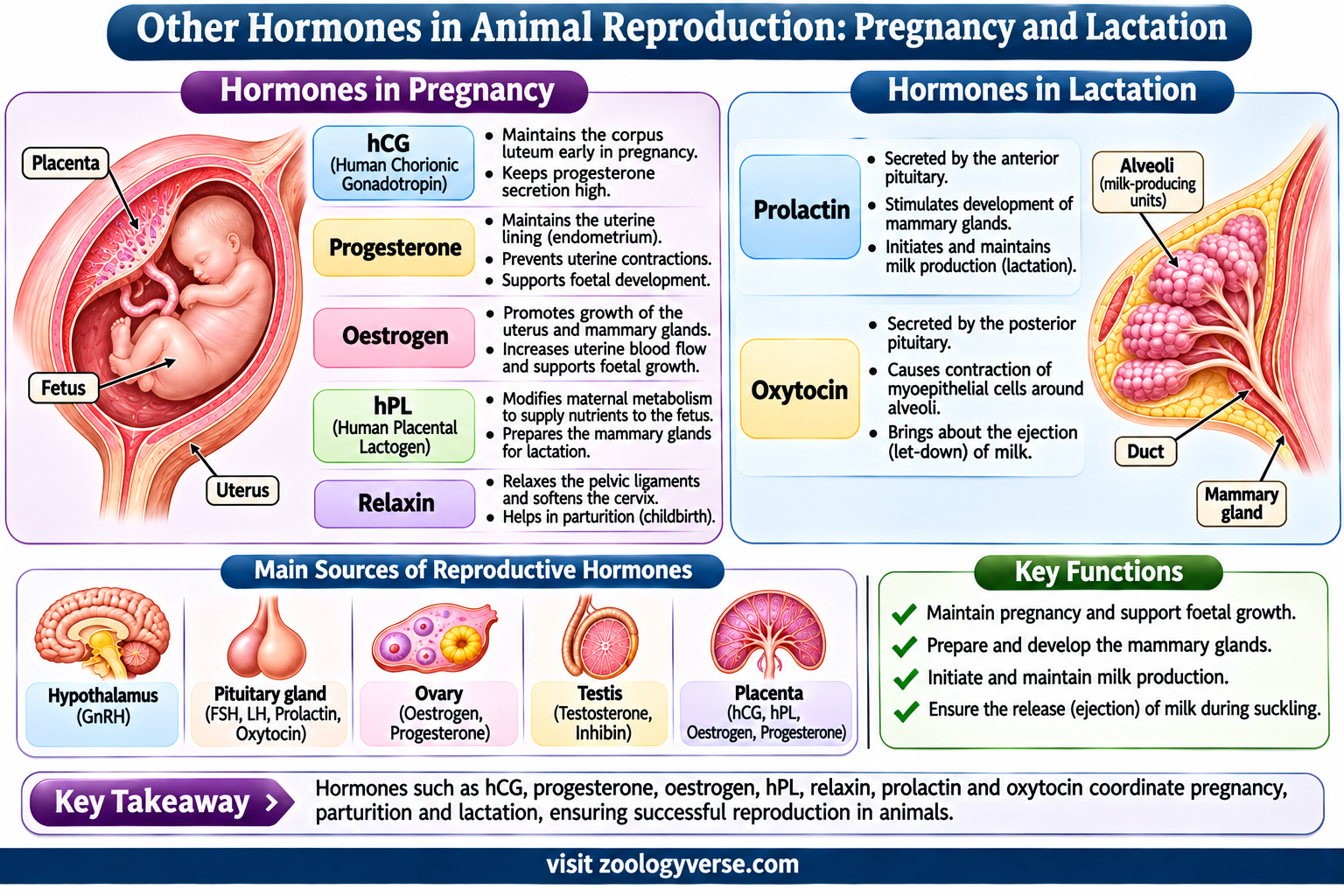
Hormones are chemical messengers secreted by specialised endocrine cells and glands. They are transported through body fluids, particularly blood, to specific target tissues where they regulate cellular activities. Reproductive hormones control the development and functioning of reproductive organs, gametogenesis, sexual behaviour and reproductive cycles.
The central regulatory mechanism involves communication between the hypothalamus, pituitary gland and gonads. Hormonal Regulation of Reproduction in Animals depends on this coordinated endocrine communication. The hypothalamus secretes gonadotropin-releasing hormone (GnRH), which stimulates the anterior pituitary gland to release follicle-stimulating hormone (FSH) and luteinizing hormone (LH). These gonadotropins act on the testes and ovaries to regulate gamete production and sex hormone secretion.
2. Overview of Hormonal Regulation of Reproduction
Hormonal regulation is the coordinated control of reproductive activities through chemical messengers called hormones. Hormonal Regulation of Reproduction in Animals involves interactions between several endocrine organs rather than the action of a single hormone or gland. These interactions regulate sexual maturation, gametogenesis, reproductive cycles and other physiological events associated with reproduction.
The endocrine system works closely with the nervous system to maintain coordination between the brain and reproductive organs. The hypothalamus regulates pituitary hormone secretion, while the pituitary gland releases hormones that act on the gonads. The testes and ovaries subsequently produce gametes and sex hormones that influence reproductive development and functioning.
2.1 Major Components of Hormonal Regulation
The principal components involved in Hormonal Regulation of Reproduction in Animals include the following:
1. Hypothalamus
The hypothalamus is a region of the forebrain that plays a central role in reproductive endocrine regulation. It produces gonadotropin-releasing hormone (GnRH), which controls the secretion of gonadotropins from the anterior pituitary gland. It also integrates information related to environmental conditions, stress, energy balance and reproductive status.
2. Pituitary Gland
The pituitary gland is an important endocrine organ located beneath the hypothalamus. Its anterior lobe secretes follicle-stimulating hormone (FSH) and luteinizing hormone (LH) in response to GnRH stimulation. These hormones regulate ovarian follicular development, ovulation, sperm production and sex hormone secretion.
3. Gonads
The gonads are the primary reproductive organs responsible for gamete production and sex hormone secretion.
- Testes: Produce spermatozoa and secrete testosterone, which supports male reproductive development and functioning.
- Ovaries: Produce ova and secrete estrogen and progesterone, which regulate female reproductive development, ovarian cycles and pregnancy-related processes.
4. Other Endocrine Organs
Other endocrine organs also contribute to reproductive regulation. The pineal gland produces melatonin, which influences seasonal reproductive activity in many animals. The adrenal glands produce hormones that can influence reproductive physiology, while the placenta produces hormones that help maintain pregnancy in many mammals.
2.2 Major Reproductive Hormones
Different reproductive hormones perform specialised functions in the endocrine regulation of reproduction.
| Hormone | Main Source | Major Reproductive Function |
|---|---|---|
| GnRH | Hypothalamus | Stimulates FSH and LH secretion |
| FSH | Anterior pituitary | Supports follicular development and spermatogenesis |
| LH | Anterior pituitary | Stimulates ovulation and testosterone production |
| Testosterone | Leydig cells of testes | Regulates male reproductive development and functions |
| Estrogen | Ovarian follicles and other tissues | Regulates female reproductive development and cycles |
| Progesterone | Corpus luteum and placenta | Supports the uterine environment and pregnancy |
| Inhibin | Sertoli cells and ovarian granulosa cells | Suppresses FSH secretion |
| Melatonin | Pineal gland | Influences seasonal reproductive activity |
| Prolactin | Anterior pituitary | Regulates lactation and other reproductive functions |
2.3 Basic Mechanism of Hormonal Regulation
The basic mechanism of Hormonal Regulation of Reproduction in Animals involves a coordinated sequence of endocrine communication:
- The hypothalamus releases GnRH into the hypophyseal portal circulation.
- GnRH stimulates the anterior pituitary gland to release FSH and LH.
- FSH and LH travel through the bloodstream to the gonads.
- In males, FSH acts mainly on Sertoli cells, while LH stimulates Leydig cells to produce testosterone.
- In females, FSH stimulates ovarian follicular development, while LH participates in ovulation and corpus luteum formation.
- The gonads release sex hormones that act on reproductive organs and other target tissues.
- These hormones also provide feedback to the hypothalamus and pituitary gland, regulating further hormone secretion.
2.4 Differences in Male and Female Hormonal Regulation
Although the basic endocrine pathways are similar in both sexes, their hormonal patterns and reproductive functions differ.
In males, hormonal regulation generally supports continuous sperm production after sexual maturity. FSH acts on Sertoli cells to support spermatogenesis, whereas LH stimulates Leydig cells to produce testosterone. Testosterone supports sperm production, development of male reproductive organs and secondary sexual characteristics.
In females, hormonal regulation is associated with cyclic changes in ovarian activity. FSH stimulates follicular development, while LH participates in ovulation and corpus luteum formation. Estrogen and progesterone regulate changes in the reproductive tract and prepare the uterus for possible pregnancy.
The timing and patterns of hormone secretion also vary among animal species. Some animals reproduce throughout the year, whereas others show seasonal breeding patterns influenced by photoperiod, temperature and food availability.
2.5 Importance of Hormonal Coordination
Proper hormonal coordination is essential for successful reproduction. It ensures that reproductive organ development, gamete production, sexual maturation and reproductive cycles occur in an organised manner. Disturbances in hormone secretion or hormonal responses can interfere with fertility and normal reproductive functioning.
Thus, Hormonal Regulation of Reproduction in Animals acts as an integrated regulatory system connecting the nervous system, pituitary gland, gonads and other endocrine organs.
3. Endocrine Organs Involved in Reproductive Regulation
The endocrine system consists of specialised glands and hormone-secreting tissues that regulate several physiological activities, including reproduction, growth, metabolism and development. Hormonal Regulation of Reproduction in Animals depends on the coordinated activities of different endocrine organs that communicate through chemical messengers. These organs control the development of reproductive structures, gamete production, sexual maturation, reproductive cycles and pregnancy.
The major endocrine organs involved in reproductive regulation include the hypothalamus, pituitary gland, testes and ovaries. Other structures, such as the pineal gland, adrenal glands and placenta, also influence reproductive functions in different animal groups.
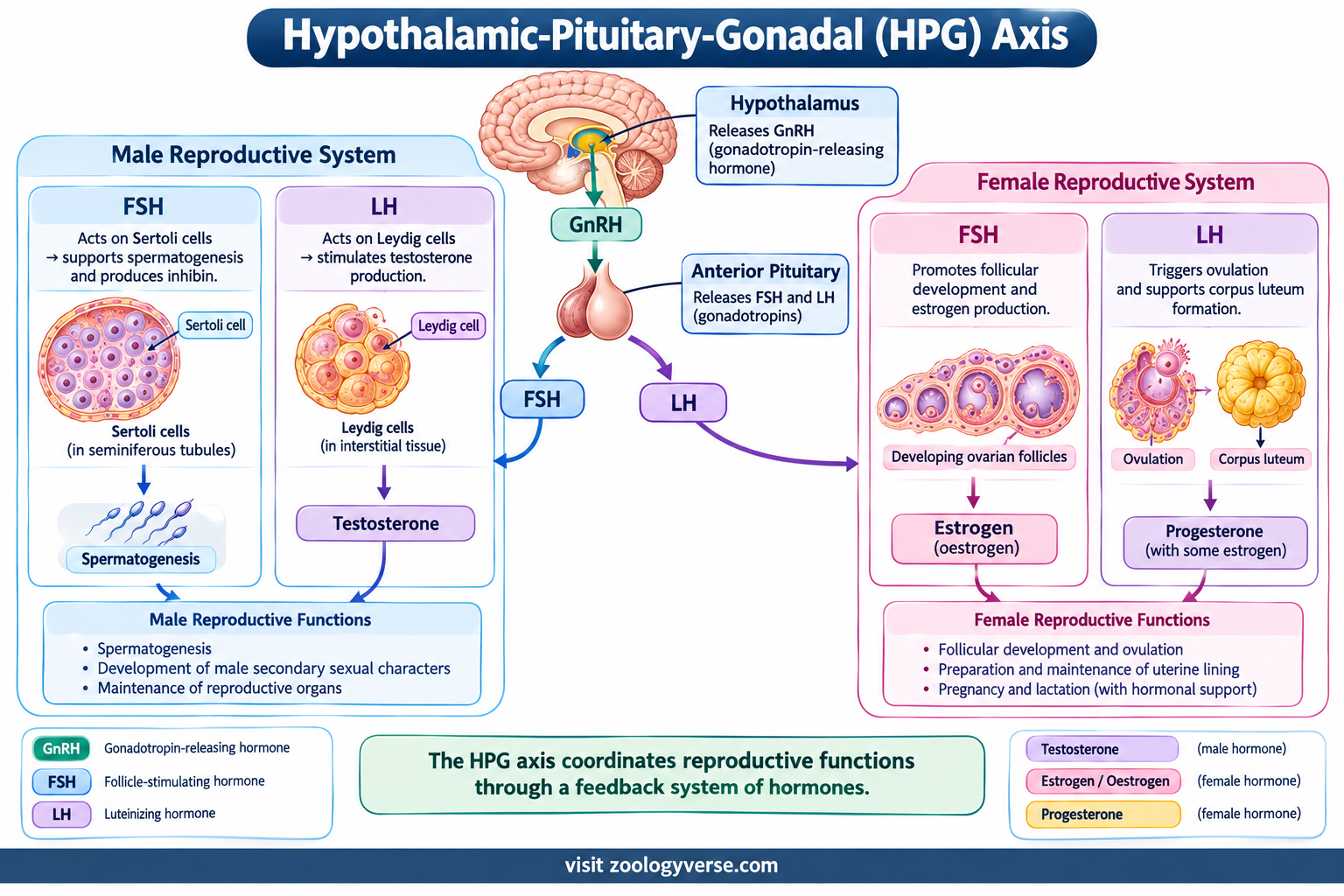
3.1 Hypothalamus
The hypothalamus is a small but important region of the forebrain located below the thalamus. It acts as a major link between the nervous system and endocrine system. It regulates reproductive activities by producing gonadotropin-releasing hormone (GnRH), which stimulates the anterior pituitary gland to secrete follicle-stimulating hormone (FSH) and luteinizing hormone (LH).
The secretion of GnRH occurs in a pulsatile manner, and the frequency and amplitude of these pulses influence gonadotropin secretion. The hypothalamus also integrates environmental and physiological signals, including photoperiod, stress, nutritional status and body condition, which can influence reproductive activity.
3.2 Pituitary Gland
The pituitary gland is an endocrine organ situated at the base of the brain and connected to the hypothalamus. Its anterior lobe plays an essential role in reproductive regulation through the secretion of gonadotropins.
The two major reproductive gonadotropins are:
- Follicle-Stimulating Hormone (FSH): In males, FSH acts on Sertoli cells of the testes and supports spermatogenesis. In females, it stimulates the growth and development of ovarian follicles.
- Luteinizing Hormone (LH): In males, LH stimulates Leydig cells to produce testosterone. In females, it contributes to ovulation, follicular maturation and corpus luteum formation.
The posterior pituitary does not directly secrete the principal gonadotropins. However, oxytocin released from its posterior lobe contributes to reproductive events such as uterine contractions during parturition and milk ejection during lactation.
3.3 Testes
The testes are the primary male reproductive glands responsible for sperm production and secretion of male sex hormones. Their endocrine functions are mainly performed by two types of cells.
- Leydig cells: Located in the interstitial spaces between seminiferous tubules, these cells produce testosterone in response to LH stimulation.
- Sertoli cells: Located within the seminiferous tubules, these cells support developing sperm cells and produce inhibin, which regulates FSH secretion through negative feedback.
Testosterone promotes the development of male reproductive organs, secondary sexual characteristics, sexual behaviour and normal sperm production.
3.4 Ovaries
The ovaries are the primary female reproductive glands responsible for producing ova and secreting female sex hormones. The ovarian follicles contain developing oocytes and specialised follicular cells that produce estrogen.
The major endocrine products of the ovaries include:
- Estrogen: Primarily produced by developing ovarian follicles, it promotes female reproductive development, regulates the reproductive tract and contributes to the regulation of the reproductive cycle.
- Progesterone: Mainly secreted by the corpus luteum after ovulation, it prepares and maintains the uterine environment for pregnancy.
- Inhibin: Produced by granulosa cells, it helps regulate FSH secretion.
The coordinated activities of these hormones are essential for ovarian function, ovulation and reproductive preparation.
3.5 Pineal Gland
The pineal gland is a small endocrine structure located in the brain. It secretes melatonin, a hormone involved in regulating biological rhythms and seasonal reproductive activity.
In many seasonally breeding animals, melatonin secretion varies according to the duration of darkness. These changes provide information about seasonal conditions and influence hypothalamic pathways controlling reproductive activity. The role of melatonin differs among species and depends on whether they are short-day or long-day breeders.
3.6 Adrenal Glands
The adrenal glands are paired endocrine organs situated near the kidneys. They produce several hormones, including glucocorticoids, mineralocorticoids and adrenal androgens.
Glucocorticoids, particularly cortisol, influence reproductive physiology through their effects on metabolism, stress responses and endocrine regulation. Prolonged stress and excessive glucocorticoid activity may suppress reproductive hormone secretion and interfere with normal reproductive functions.
3.7 Placenta
The placenta is a temporary organ formed during pregnancy in placental mammals. Besides facilitating the exchange of nutrients, gases and waste products between maternal and fetal circulations, it also performs important endocrine functions.
The placenta produces several hormones, including species-dependent forms of progesterone, estrogens, placental lactogens and gonadotropins. These hormones help maintain pregnancy, support uterine and mammary gland development and coordinate maternal physiological adaptations.
Thus, Hormonal Regulation of Reproduction in Animals involves several interconnected endocrine organs rather than an isolated glandular mechanism. Their coordinated activities maintain reproductive functions and ensure appropriate hormonal communication throughout different stages of the reproductive life cycle.
4. Hypothalamic Regulation of Reproduction
The hypothalamus is a major neuroendocrine centre that connects the nervous system with the endocrine system. It receives information about the animal’s internal condition and external environment, then helps coordinate the release of hormones that regulate reproductive activity. Hormonal Regulation of Reproduction in Animals begins with this integration of neural, hormonal and environmental signals.
The hypothalamus is located in the diencephalon, below the thalamus and above the pituitary gland. It contains several groups of specialised neurons, or hypothalamic nuclei, that participate in endocrine regulation. Neurons in regions such as the preoptic area and arcuate nucleus contribute to the control of gonadotropin-releasing hormone (GnRH) secretion. Through these pathways, the brain influences pituitary activity and, in turn, the functioning of the gonads. This central position makes the hypothalamus indispensable to Hormonal Regulation of Reproduction in Animals.
4.1 Neurosecretory Cells and the Hypophyseal Portal System
Neurosecretory cells are specialised neurons that synthesise hormones and release them into the circulation. Their activity provides the first endocrine signal in Hormonal Regulation of Reproduction in Animals. GnRH-producing neurons release their hormone at nerve endings near blood vessels in the median eminence. The hypophyseal portal vessels carry GnRH directly to the anterior pituitary, where it acts on gonadotroph cells and stimulates the secretion of follicle-stimulating hormone (FSH) and luteinizing hormone (LH). This direct vascular route allows small amounts of GnRH to reach the pituitary efficiently, supporting Hormonal Regulation of Reproduction in Animals.
4.2 Pulsatile Secretion of GnRH
GnRH is generally released in pulses rather than as a continuous signal. The frequency and amplitude of these pulses help determine the pattern of FSH and LH secretion. Pulsatile GnRH stimulation maintains pituitary responsiveness, whereas prolonged continuous exposure can reduce GnRH receptor responsiveness and suppress gonadotropin release. This pattern is therefore a central feature of Hormonal Regulation of Reproduction in Animals. Normal pulse timing is essential for effective Hormonal Regulation of Reproduction in Animals.
4.3 Factors Influencing Hypothalamic Activity
Several factors modify hypothalamic reproductive signalling and influence Hormonal Regulation of Reproduction in Animals:
- Sex steroids: Estrogen, progesterone and testosterone provide feedback to the hypothalamus and pituitary. Their effects may be inhibitory or stimulatory depending on hormone concentration, timing and physiological state.
- Kisspeptin: Kisspeptin-producing neurons stimulate GnRH neurons and are important in the onset of puberty and the maintenance of reproductive function.
- Nutrition and energy balance: Severe undernutrition or inadequate energy reserves can reduce reproductive signalling and delay sexual maturation.
- Stress: Persistent stress can alter hypothalamic activity through stress-related pathways and may inhibit reproductive hormone secretion.
- Environmental cues: Photoperiod and, in some species, temperature and rainfall influence seasonal reproductive activity.
These signals allow Hormonal Regulation of Reproduction in Animals to respond to the animal’s age, health, energy status and surroundings rather than operating independently of its environment. Such integration makes Hormonal Regulation of Reproduction in Animals adaptable to changing physiological demands.
4.4 Hypothalamus and the Onset of Puberty
Puberty is the developmental transition during which an animal becomes capable of reproduction. The hypothalamic changes associated with puberty mark an important stage in Hormonal Regulation of Reproduction in Animals. It is associated with increased activity of the hypothalamic-pituitary-gonadal system. Changes in neural inhibition and stimulation increase GnRH pulse activity, leading to greater secretion of FSH and LH. These hormones promote gonadal development, gamete production and sex steroid secretion. The resulting changes support reproductive maturation and the development of secondary sexual characteristics. The timing of puberty differs among species and is influenced by genetics, nutrition, body condition and environmental factors. These influences help determine when Hormonal Regulation of Reproduction in Animals becomes fully active.
4.5 Seasonal Reproductive Regulation
In many seasonal breeders, the hypothalamus helps link reproduction with changing day length. This seasonal response is another important dimension of Hormonal Regulation of Reproduction in Animals. Light information reaches the brain through pathways involving the eyes and circadian system. The pineal gland secretes melatonin during darkness, and the duration of its nightly secretion provides information about photoperiod. Melatonin-related signals influence hypothalamic pathways controlling reproductive activity. The response differs between long-day and short-day breeders, allowing breeding to occur during a favourable season. Thus, Hormonal Regulation of Reproduction in Animals can synchronise reproductive events with seasonal conditions.
The hypothalamus therefore acts as an essential coordinating centre in Hormonal Regulation of Reproduction in Animals. Its integration of multiple signals is what makes Hormonal Regulation of Reproduction in Animals responsive to both internal needs and external conditions. By integrating signals from the nervous system, circulating hormones and the environment, it helps regulate puberty, gonadotropin secretion and seasonal reproductive patterns. This coordinated process underlies Hormonal Regulation of Reproduction in Animals.
5. Role of Gonadotropin-Releasing Hormone (GnRH)
Gonadotropin-releasing hormone (GnRH) is a peptide hormone secreted by specialised neurons of the hypothalamus. It plays a central role in controlling the reproductive endocrine system. Hormonal Regulation of Reproduction in Animals depends on GnRH because it stimulates the anterior pituitary gland to release the gonadotropins FSH and LH.
GnRH acts as an important link between the brain and reproductive organs. It regulates gonadal activity, gamete production and sex hormone secretion. Therefore, Hormonal Regulation of Reproduction in Animals relies on the appropriate synthesis, release and biological activity of this hormone.
5.1 Chemical Nature and Structure of GnRH
GnRH is a decapeptide hormone, meaning that it consists of ten amino acids. It is synthesised by specialised hypothalamic neurons as a larger precursor molecule, which is subsequently processed to produce the active hormone.
The structure of GnRH is highly conserved among vertebrates, although different animal species may possess different molecular forms. These variations are associated with differences in reproductive physiology and endocrine regulation.
5.2 Synthesis and Secretion of GnRH
GnRH is produced by specialised neurons whose cell bodies are located in hypothalamic regions. Their nerve endings extend towards the median eminence, where the hormone is released into the hypophyseal portal circulation.
GnRH secretion occurs in pulses rather than continuously. The frequency and amplitude of these pulses influence pituitary secretion of FSH and LH. This pulsatile release is essential for maintaining normal Hormonal Regulation of Reproduction in Animals.
5.3 Mechanism of Action of GnRH
GnRH reaches the anterior pituitary gland through the hypophyseal portal blood vessels. It binds to specific GnRH receptors present on gonadotroph cells.
The binding of GnRH activates intracellular signalling pathways, particularly the phospholipase C and calcium-dependent pathways. These signals stimulate the synthesis and release of FSH and LH into the bloodstream.
The released gonadotropins subsequently act on the testes and ovaries. This process establishes the connection between hypothalamic activity and gonadal function in Hormonal Regulation of Reproduction in Animals.
5.4 Functions of GnRH in Reproduction
The major reproductive functions of GnRH include:
- Stimulating the secretion of FSH and LH from the anterior pituitary gland.
- Regulating ovarian follicular development and testicular activity.
- Supporting the initiation and maintenance of reproductive functions.
- Participating in the hormonal changes associated with puberty.
- Contributing to ovulation through the regulation of gonadotropin secretion.
- Coordinating reproductive activity with physiological and environmental conditions.
These functions demonstrate the importance of GnRH in Hormonal Regulation of Reproduction in Animals.
5.5 Regulation of GnRH Activity
GnRH secretion is influenced by several hormonal and environmental factors. Estrogen, progesterone and testosterone regulate hypothalamic activity through feedback mechanisms.
Kisspeptin is another important regulator that stimulates GnRH neurons. Nutritional status, stress and seasonal environmental changes can also modify GnRH secretion.
Thus, GnRH serves as a major regulatory signal connecting the hypothalamus with the pituitary gland and gonads. Its secretion and activity are essential for maintaining coordinated reproductive functions.
6. Role of Gonadotropins (FSH and LH)
Gonadotropins are glycoprotein hormones secreted by the anterior pituitary gland. The two principal gonadotropins are follicle-stimulating hormone (FSH) and luteinizing hormone (LH). They act on the testes and ovaries to regulate gamete production and sex hormone secretion. Their activity forms a central part of Hormonal Regulation of Reproduction in Animals.
FSH and LH are released in response to gonadotropin-releasing hormone (GnRH) from the hypothalamus. They travel through the bloodstream and bind to specific receptors on target cells in the gonads. Their actions differ between males and females, but both are essential for normal reproductive function. Hormonal Regulation of Reproduction in Animals is therefore closely linked to pituitary gonadotropin secretion.
6.1 Follicle-Stimulating Hormone (FSH)
FSH is secreted by gonadotroph cells of the anterior pituitary gland. In males, it acts mainly on Sertoli cells in the seminiferous tubules. These cells provide nourishment and support to developing germ cells and help maintain the environment required for spermatogenesis. FSH also promotes the production of androgen-binding protein and inhibin in the testes.
These actions make FSH an important component of Hormonal Regulation of Reproduction in Animals. In this way, pituitary signalling supports the testicular processes involved in Hormonal Regulation of Reproduction in Animals.
In females, FSH acts on granulosa cells of developing ovarian follicles. It promotes follicular growth and supports the production of estrogen, particularly through the stimulation of aromatase activity. The developing follicles become increasingly responsive to LH as they mature.
Through these effects, FSH contributes to ovarian function and Hormonal Regulation of Reproduction in Animals. Its activity helps coordinate follicular development with the wider endocrine events of Hormonal Regulation of Reproduction in Animals.
6.2 Luteinizing Hormone (LH)
LH is another gonadotropin released by the anterior pituitary gland. In males, it acts on Leydig cells located between the seminiferous tubules. LH stimulates these cells to synthesise and secrete testosterone, which supports male reproductive development, secondary sexual characteristics and spermatogenesis.
This role places LH at the centre of Hormonal Regulation of Reproduction in Animals. Testosterone production is consequently linked to pituitary signals within Hormonal Regulation of Reproduction in Animals.
In females, LH supports the final stages of follicular maturation. A pronounced rise in LH, known as the LH surge, triggers ovulation in many mammals. After ovulation, LH supports the formation and function of the corpus luteum, which secretes progesterone.
These events are essential features of Hormonal Regulation of Reproduction in Animals. The transition from follicular growth to luteal activity illustrates the coordinated nature of Hormonal Regulation of Reproduction in Animals.
6.3 Differences Between FSH and LH
Although FSH and LH work together, they have distinct target cells and functions.
| Feature | FSH | LH |
|---|---|---|
| Main source | Anterior pituitary | Anterior pituitary |
| Male target cells | Sertoli cells | Leydig cells |
| Main male function | Supports spermatogenesis | Stimulates testosterone secretion |
| Female target cells | Mainly granulosa cells | Theca cells and mature follicular cells |
| Main female function | Promotes follicular growth | Triggers ovulation and supports corpus luteum |
6.4 Regulation of Gonadotropin Secretion
The secretion of FSH and LH is regulated by GnRH and feedback signals from the gonads. Inhibin selectively suppresses FSH secretion, while sex steroids such as testosterone, estrogen and progesterone influence pituitary and hypothalamic activity. The pattern of GnRH pulses also affects the relative secretion of the two gonadotropins.
This feedback coordination helps maintain Hormonal Regulation of Reproduction in Animals. It prevents reproductive hormone secretion from becoming disconnected from the needs of the gonads.
Overall, FSH and LH coordinate the activities of the gonads in both sexes. Their complementary actions regulate gametogenesis, ovulation and sex hormone production, making them essential regulators of animal reproduction and key participants in Hormonal Regulation of Reproduction in Animals.
7. Male Reproductive Hormones and Their Functions
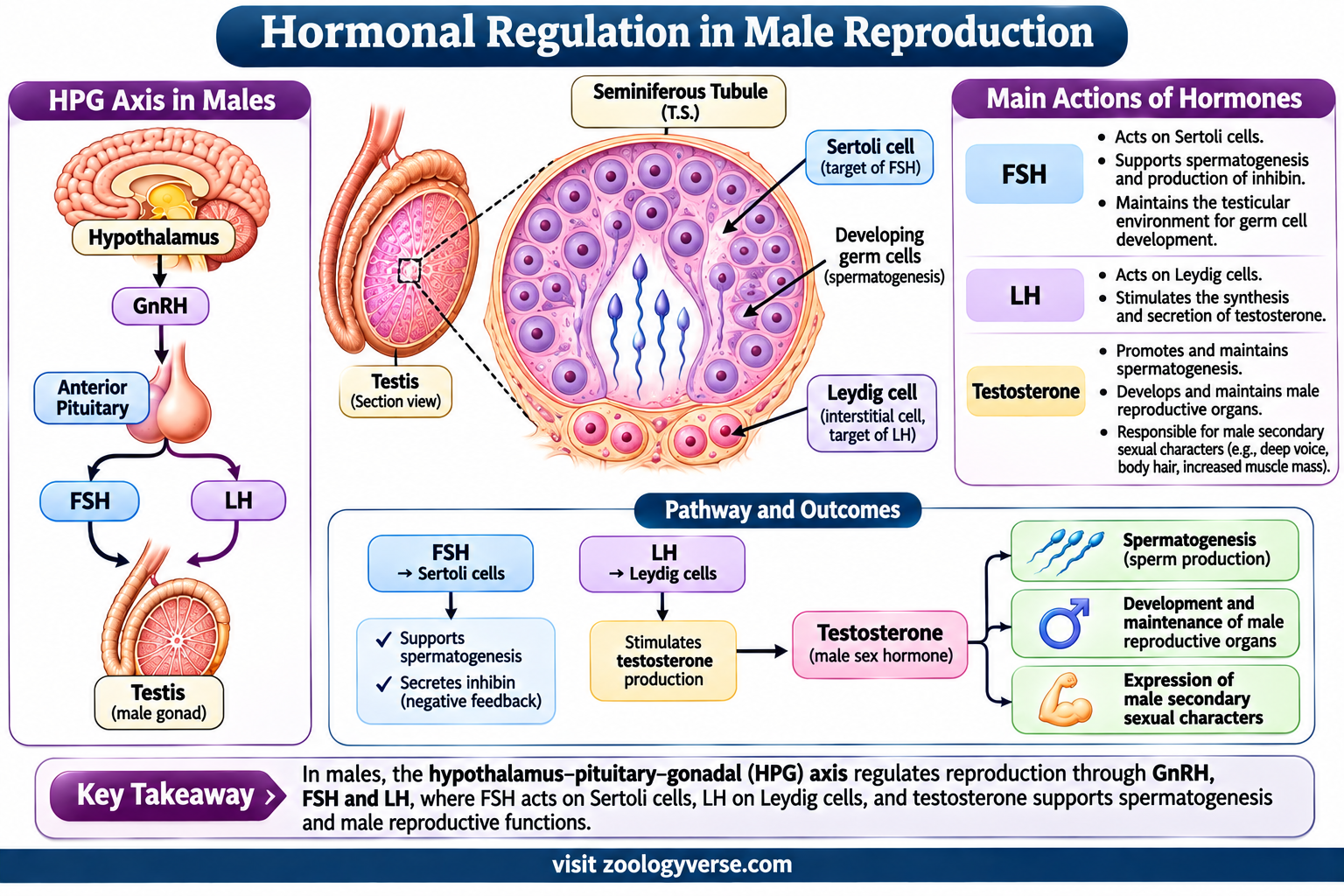
Male reproductive functions are regulated by a coordinated interaction between the hypothalamus, pituitary gland and testes. These organs produce and release hormones that control sexual development, sperm production, reproductive behaviour and the functioning of male reproductive organs. Hormonal Regulation of Reproduction in Animals depends on this endocrine coordination to maintain normal male reproductive activity.
The major male reproductive hormones include gonadotropin-releasing hormone (GnRH), follicle-stimulating hormone (FSH), luteinizing hormone (LH), testosterone and inhibin. Each hormone performs a specific function, but their activities are interconnected. Hormonal Regulation of Reproduction in Animals ensures that these hormones act together to support testicular development and reproductive maturity.
7.1 Gonadotropin-Releasing Hormone (GnRH)
GnRH is secreted by specialised neurons of the hypothalamus. It stimulates the anterior pituitary gland to release FSH and LH, which subsequently act on the testes.
The secretion of GnRH occurs in pulses. Its frequency and amplitude influence gonadotropin release and help regulate testicular activity. This makes GnRH an essential starting signal in Hormonal Regulation of Reproduction in Animals.
7.2 Follicle-Stimulating Hormone (FSH)
FSH is secreted by the anterior pituitary gland and acts primarily on Sertoli cells present in the seminiferous tubules of the testes.
Its major functions include:
- Supporting the development and nourishment of germ cells.
- Promoting spermatogenesis in cooperation with testosterone.
- Stimulating the production of androgen-binding protein by Sertoli cells.
- Supporting the secretion of inhibin, which regulates FSH through feedback mechanisms.
FSH therefore plays an important role in maintaining normal sperm production and contributes to Hormonal Regulation of Reproduction in Animals.
7.3 Luteinizing Hormone (LH)
LH is another gonadotropin secreted by the anterior pituitary gland. In males, it acts on Leydig cells located in the interstitial spaces between seminiferous tubules.
LH stimulates Leydig cells to synthesise and secrete testosterone. This hormone is essential for the development and maintenance of male reproductive structures and the regulation of reproductive functions.
Through its action on Leydig cells, LH contributes to Hormonal Regulation of Reproduction in Animals by controlling testicular androgen production.
7.4 Testosterone
Testosterone is the principal androgen produced mainly by Leydig cells of the testes. Its secretion is stimulated by LH and regulated through feedback mechanisms involving the hypothalamus and pituitary gland.
Testosterone performs several important functions:
- Promotes the development of male reproductive organs.
- Maintains the structure and functioning of accessory reproductive glands.
- Supports spermatogenesis along with FSH.
- Promotes the development of male secondary sexual characteristics.
- Influences sexual behaviour and libido.
- Supports the maintenance of muscle mass and bone development.
- Participates in the regulation of reproductive endocrine activity.
Testosterone is particularly important because it supports both reproductive development and adult reproductive function. Its actions are essential for Hormonal Regulation of Reproduction in Animals.
7.5 Inhibin
Inhibin is a glycoprotein hormone produced mainly by Sertoli cells in the testes. It regulates the secretion of FSH from the anterior pituitary gland through negative feedback.
When sperm production and Sertoli cell activity increase, inhibin secretion may also increase. This helps regulate FSH secretion and maintain an appropriate balance in testicular function.
Inhibin therefore contributes to the stability of Hormonal Regulation of Reproduction in Animals by preventing excessive FSH secretion.
7.6 Role of Androgen-Binding Protein (ABP)
Androgen-binding protein is produced by Sertoli cells under the influence of FSH and testosterone. It binds testosterone and helps maintain a high local concentration of androgens within the seminiferous tubules.
This local androgen environment is essential for normal spermatogenesis. ABP is particularly important because developing germ cells require adequate androgen exposure for their normal development.
7.7 Hormonal Control of Spermatogenesis
Spermatogenesis is the process through which diploid spermatogonia develop into mature haploid spermatozoa. It occurs within the seminiferous tubules of the testes and requires coordinated hormonal activity.
The main hormonal events are:
- The hypothalamus releases GnRH.
- GnRH stimulates the anterior pituitary to secrete FSH and LH.
- FSH acts on Sertoli cells and supports developing germ cells.
- LH stimulates Leydig cells to produce testosterone.
- Testosterone acts within the testes and supports the progression of spermatogenesis.
- Inhibin provides feedback regulation by suppressing FSH secretion.
The interaction between these hormones maintains sperm production and normal testicular function. Thus, Hormonal Regulation of Reproduction in Animals provides the endocrine foundation for male fertility.
7.8 Summary of Male Reproductive Hormones
| Hormone | Source | Major Function |
|---|---|---|
| GnRH | Hypothalamus | Stimulates FSH and LH secretion |
| FSH | Anterior pituitary | Acts on Sertoli cells and supports spermatogenesis |
| LH | Anterior pituitary | Stimulates testosterone production |
| Testosterone | Leydig cells | Maintains male reproductive organs and supports sperm production |
| Inhibin | Sertoli cells | Suppresses FSH secretion |
| ABP | Sertoli cells | Maintains high local androgen concentration in seminiferous tubules |
Male reproductive hormones work together to maintain testicular development, sperm production and reproductive behaviour. Their coordinated secretion and feedback regulation are fundamental to Hormonal Regulation of Reproduction in Animals.
8. Female Reproductive Hormones and Their Functions
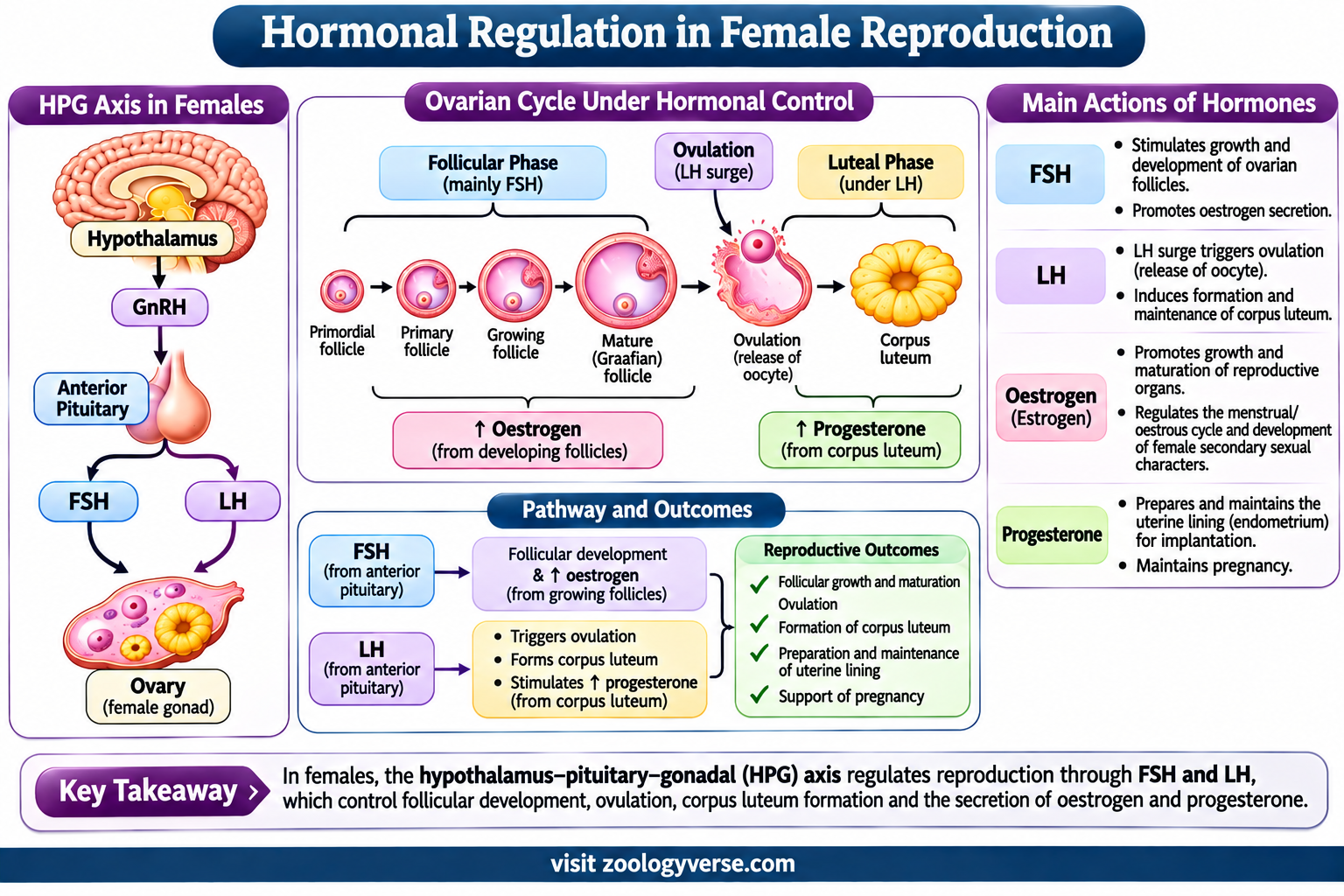
Female reproductive functions are regulated by a coordinated interaction between the hypothalamus, anterior pituitary gland and ovaries. These organs produce hormones that control ovarian development, follicular maturation, ovulation, reproductive cycles and pregnancy. Hormonal Regulation of Reproduction in Animals ensures that these processes occur in a coordinated manner and maintain normal female reproductive functioning.
The major female reproductive hormones include gonadotropin-releasing hormone (GnRH), follicle-stimulating hormone (FSH), luteinizing hormone (LH), estrogen, progesterone and inhibin. Each hormone performs specific functions during different stages of the reproductive cycle. Their combined actions form an important part of Hormonal Regulation of Reproduction in Animals.
8.1 Gonadotropin-Releasing Hormone (GnRH)
GnRH is secreted by specialised neurons of the hypothalamus. It stimulates the anterior pituitary gland to release FSH and LH, which regulate ovarian activity.
The secretion of GnRH occurs in pulses. Changes in the frequency and amplitude of these pulses influence gonadotropin secretion and ovarian function. GnRH therefore initiates an important sequence of events in Hormonal Regulation of Reproduction in Animals.
8.2 Follicle-Stimulating Hormone (FSH)
FSH is secreted by the anterior pituitary gland and acts mainly on granulosa cells of developing ovarian follicles. It stimulates follicular growth and supports the maturation of ovarian follicles.
Its major functions include:
- Stimulating the growth and development of ovarian follicles.
- Promoting the proliferation of granulosa cells.
- Increasing aromatase activity, which helps convert androgens into estrogens.
- Supporting estrogen secretion by developing follicles.
- Participating in the selection and maturation of the dominant follicle.
FSH is particularly important during the follicular phase of the ovarian cycle. Its actions support follicular development and contribute to Hormonal Regulation of Reproduction in Animals.
8.3 Luteinizing Hormone (LH)
LH is another gonadotropin released by the anterior pituitary gland. It acts on theca cells of ovarian follicles and supports androgen production, which can subsequently be converted into estrogen by granulosa cells.
A sudden increase in LH concentration, known as the LH surge, triggers ovulation in many mammals. It promotes the final maturation of the oocyte, follicular rupture and release of the ovum from the ovary.
After ovulation, LH supports the formation and functioning of the corpus luteum. These events demonstrate the importance of LH in Hormonal Regulation of Reproduction in Animals.
8.4 Estrogen
Estrogen is the principal female sex steroid hormone. It is produced mainly by developing ovarian follicles, particularly through the activity of granulosa cells. Small amounts are also produced by other tissues, depending on the species and physiological condition.
The major functions of estrogen include:
- Promoting the development of female reproductive organs.
- Supporting the development of secondary sexual characteristics.
- Stimulating the growth of the uterine endometrium.
- Regulating changes in the female reproductive tract.
- Influencing sexual behaviour and reproductive receptivity in several species.
- Participating in feedback regulation of GnRH, FSH and LH secretion.
Estrogen generally provides negative feedback during much of the reproductive cycle. However, sustained high estrogen concentrations before ovulation can produce positive feedback and trigger the LH surge. This feedback mechanism is an important feature of Hormonal Regulation of Reproduction in Animals.
8.5 Progesterone
Progesterone is a steroid hormone secreted mainly by the corpus luteum after ovulation. During pregnancy in many mammals, the placenta also contributes to progesterone production.
Its major functions include:
- Preparing the uterine endometrium for possible implantation.
- Supporting the maintenance of pregnancy.
- Reducing uterine contractility during pregnancy.
- Regulating changes in the reproductive tract.
- Providing negative feedback on hypothalamic and pituitary hormone secretion.
Progesterone is particularly important during the luteal phase of the reproductive cycle. Its actions help maintain a suitable uterine environment and support Hormonal Regulation of Reproduction in Animals.
8.6 Inhibin
Inhibin is a glycoprotein hormone produced mainly by granulosa cells of ovarian follicles. It selectively suppresses FSH secretion from the anterior pituitary gland.
This action helps regulate follicular development and prevents excessive stimulation of ovarian follicles. Inhibin therefore contributes to the balance of reproductive hormone secretion.
8.7 Relaxin
Relaxin is a peptide hormone produced by the corpus luteum, placenta and other reproductive tissues, depending on the animal species.
Its functions include promoting changes in reproductive tissues during pregnancy, contributing to cervical softening and facilitating relaxation of pelvic structures before parturition. Its precise reproductive role varies among mammals.
8.8 Summary of Female Reproductive Hormones
| Hormone | Main Source | Major Function |
|---|---|---|
| GnRH | Hypothalamus | Stimulates FSH and LH secretion |
| FSH | Anterior pituitary | Promotes ovarian follicular development |
| LH | Anterior pituitary | Triggers ovulation and supports corpus luteum formation |
| Estrogen | Developing ovarian follicles | Regulates female reproductive development and endometrial growth |
| Progesterone | Corpus luteum and placenta | Supports the uterine environment and pregnancy |
| Inhibin | Granulosa cells | Suppresses FSH secretion |
| Relaxin | Corpus luteum and placenta | Supports reproductive tissue changes during pregnancy |
The coordinated activities of these hormones regulate ovarian function, ovulation and pregnancy-related processes. Their interactions are essential for fertility and normal female reproductive physiology. Therefore, Hormonal Regulation of Reproduction in Animals depends on the balanced secretion and action of female reproductive hormones.
9. Hormonal Regulation of Gametogenesis
Gametogenesis is the biological process through which male and female gametes are produced from primordial germ cells. It includes spermatogenesis in males and oogenesis in females. Hormonal Regulation of Reproduction in Animals plays an essential role in controlling these processes by coordinating the activities of the hypothalamus, pituitary gland and gonads.
The development of functional gametes requires the combined action of several hormones. Follicle-stimulating hormone (FSH), luteinizing hormone (LH), testosterone and estrogen regulate different stages of germ cell development. Hormonal Regulation of Reproduction in Animals ensures that gamete formation occurs under appropriate physiological conditions.
9.1 Hormonal Regulation of Spermatogenesis
Spermatogenesis is the process of formation of mature spermatozoa from spermatogonia. It occurs within the seminiferous tubules of the testes and involves mitotic division, meiosis and spermiogenesis.
The process is regulated mainly by FSH and testosterone, whose secretion is controlled by the hypothalamus and anterior pituitary gland. This interaction forms an important part of Hormonal Regulation of Reproduction in Animals.
The major hormonal events involved in spermatogenesis are:
1. Role of FSH
FSH acts on Sertoli cells present in the seminiferous tubules. It supports the nourishment and development of germ cells and stimulates the production of androgen-binding protein. This helps maintain a suitable environment for sperm development.
2. Role of LH
LH stimulates Leydig cells located between the seminiferous tubules. These cells produce testosterone, which is essential for maintaining normal spermatogenesis.
3. Role of Testosterone
Testosterone acts on the seminiferous tubules and supports the progression of germ cells through different stages of development. It also maintains male reproductive organs and secondary sexual characteristics.
4. Role of Inhibin
Inhibin is secreted by Sertoli cells and suppresses FSH secretion through negative feedback. This helps regulate testicular activity and maintain hormonal balance.
Together, these hormones coordinate sperm production and maintain male fertility. Their combined actions demonstrate the importance of Hormonal Regulation of Reproduction in Animals.
9.2 Hormonal Regulation of Oogenesis
Oogenesis is the process of formation and development of female gametes within the ovaries. It involves the growth of oocytes, follicular development, meiotic maturation and the release of an ovum during ovulation.
FSH and LH are the principal pituitary hormones involved in ovarian regulation. Estrogen and progesterone, produced by ovarian tissues, also control different stages of the reproductive cycle. These hormonal interactions are central to Hormonal Regulation of Reproduction in Animals.
The major hormonal events involved in oogenesis include:
1. Role of FSH
FSH stimulates the growth and development of ovarian follicles. It acts mainly on granulosa cells and promotes estrogen synthesis through increased aromatase activity.
2. Role of LH
LH supports theca cell activity and contributes to the final maturation of the dominant follicle. The LH surge triggers ovulation in many mammals.
3. Role of Estrogen
Estrogen is produced mainly by developing ovarian follicles. It supports follicular development, stimulates growth of the uterine endometrium and participates in feedback regulation of pituitary hormone secretion.
4. Role of Progesterone
Progesterone is secreted mainly by the corpus luteum after ovulation. It prepares the uterine environment for implantation and supports pregnancy in many mammals.
These hormonal changes coordinate ovarian activity and oocyte maturation. Hormonal Regulation of Reproduction in Animals therefore connects follicular development with ovulation and subsequent reproductive events.
9.3 Comparison of Hormonal Regulation in Spermatogenesis and Oogenesis
| Feature | Spermatogenesis | Oogenesis |
|---|---|---|
| Primary organ | Testes | Ovaries |
| Main pituitary hormones | FSH and LH | FSH and LH |
| Major sex hormone | Testosterone | Estrogen and progesterone |
| Supporting cells | Sertoli cells | Granulosa cells |
| Hormonal role | Supports sperm production | Regulates follicular development and oocyte maturation |
| Reproductive pattern | Generally continuous after puberty | Generally cyclic in reproductive females |
The hormonal control of male and female gamete formation differs according to the structure and functioning of the gonads. However, both processes depend on coordinated endocrine communication.
Thus, Hormonal Regulation of Reproduction in Animals maintains the development of functional gametes and supports successful fertilization. It connects the activities of the hypothalamus, pituitary gland and gonads to ensure proper reproductive functioning.
10. Hormonal Control of Ovulation
Ovulation is the process by which a mature oocyte is released from a developing ovarian follicle. It is an important event in the female reproductive cycle and is regulated by coordinated changes in hypothalamic and pituitary hormone secretion. Hormonal Regulation of Reproduction in Animals controls the development of ovarian follicles, the release of the mature oocyte and the formation of the corpus luteum.
Ovulation generally occurs in response to a sudden increase in luteinizing hormone (LH), known as the LH surge. This hormonal change follows a period of increased estrogen secretion by the developing dominant follicle. The interaction between these hormones is essential for normal ovarian function and fertility.
10.1 Development of the Ovarian Follicle
Ovarian follicular development involves the growth and maturation of follicles containing developing oocytes. During the follicular phase, FSH stimulates granulosa cell proliferation and supports follicular development.
The developing follicles produce estrogen, which contributes to further follicular growth and prepares the reproductive tract for possible fertilization. Usually, one dominant follicle develops in species such as humans, while the number of ovulatory follicles varies among animal species.
These changes are regulated through Hormonal Regulation of Reproduction in Animals, which coordinates pituitary hormone secretion with ovarian activity.
10.2 Role of Estrogen in Ovulation
Estrogen is produced mainly by granulosa cells of developing ovarian follicles. During the follicular phase, increasing estrogen concentrations stimulate the growth of the uterine endometrium and influence hypothalamic and pituitary activity.
At moderate concentrations, estrogen generally produces negative feedback on GnRH and gonadotropin secretion. However, when estrogen remains sufficiently elevated for an appropriate period, it produces positive feedback on the hypothalamus and pituitary gland.
This positive feedback contributes to the LH surge, which is essential for ovulation. This change illustrates an important mechanism of Hormonal Regulation of Reproduction in Animals.
10.3 LH Surge and Its Mechanism
The LH surge is a rapid and substantial increase in circulating luteinizing hormone concentration. It occurs when sustained high estrogen levels stimulate positive feedback mechanisms in the reproductive endocrine system.
The major events associated with the LH surge include:
- Increased responsiveness of the hypothalamic-pituitary system to estrogen feedback.
- Increased secretion of GnRH and LH.
- Resumption of meiosis in the oocyte.
- Increased production of enzymes and prostaglandins within the follicle.
- Weakening of the follicular wall.
- Rupture of the mature follicle and release of the oocyte.
The LH surge is therefore a major endocrine trigger of ovulation in many mammals. Its timing is essential for successful reproductive function.
10.4 Role of FSH During Ovulation
Although LH is the principal trigger of ovulation in many mammals, FSH also contributes to the process.
A smaller rise in FSH may occur alongside the LH surge. FSH supports the final stages of follicular development and influences granulosa cell activity. It also contributes to the production of enzymes involved in follicular rupture.
The coordinated activity of FSH and LH demonstrates how Hormonal Regulation of Reproduction in Animals involves several interacting hormones rather than a single regulatory signal.
10.5 Follicular Rupture and Release of the Oocyte
Following the LH surge, biochemical changes occur within the mature ovarian follicle. Prostaglandins and proteolytic enzymes contribute to changes in the follicular wall and surrounding extracellular matrix.
These changes weaken the follicular structure and allow it to rupture. The secondary oocyte, surrounded by its protective cellular layers, is then released from the ovary.
The released oocyte is subsequently collected by the fimbriae of the oviduct, where fertilization may occur if viable sperm are present.
10.6 Formation of the Corpus Luteum
After ovulation, the remaining follicular cells undergo a process called luteinization. The granulosa and theca cells transform into luteal cells and form the corpus luteum.
The corpus luteum secretes progesterone and, in many species, estrogen. Progesterone prepares the uterine environment for possible implantation and helps maintain pregnancy if fertilization and successful implantation occur.
If pregnancy does not occur, the corpus luteum generally regresses, leading to a decline in progesterone secretion. The subsequent hormonal changes contribute to the beginning of another reproductive cycle.
10.7 Hormonal Sequence of Ovulation
| Stage | Major Hormonal Event | Reproductive Outcome |
|---|---|---|
| Follicular development | FSH secretion increases | Growth of ovarian follicles |
| Follicular maturation | Estrogen secretion increases | Development of the dominant follicle |
| Positive feedback | Sustained high estrogen | Stimulation of the LH surge |
| Ovulation | LH surge | Rupture of the mature follicle |
| Luteal phase | Corpus luteum secretes progesterone | Preparation of the uterus for pregnancy |
| Corpus luteum regression | Progesterone decreases | Initiation of a new cycle if pregnancy does not occur |
10.8 Variation in Ovulatory Mechanisms Among Animals
The hormonal mechanisms controlling ovulation differ among animal species. In spontaneous ovulators, ovulation occurs as part of an internally regulated reproductive cycle. Examples include humans, cattle, sheep and many other mammals.
In induced ovulators, ovulation is stimulated by signals associated with mating. This occurs in animals such as cats, rabbits and some other mammals. In these species, mating-related neural stimulation promotes GnRH release and subsequently increases LH secretion.
These differences demonstrate the diversity of Hormonal Regulation of Reproduction in Animals and show how endocrine mechanisms are adapted to different reproductive strategies.
Ovulation is therefore a carefully coordinated physiological event involving follicular development, estrogen feedback, the LH surge and corpus luteum formation. These hormonal interactions are essential for the release of a mature oocyte and successful female reproductive function.
11. Hormonal Regulation of the Reproductive Cycle
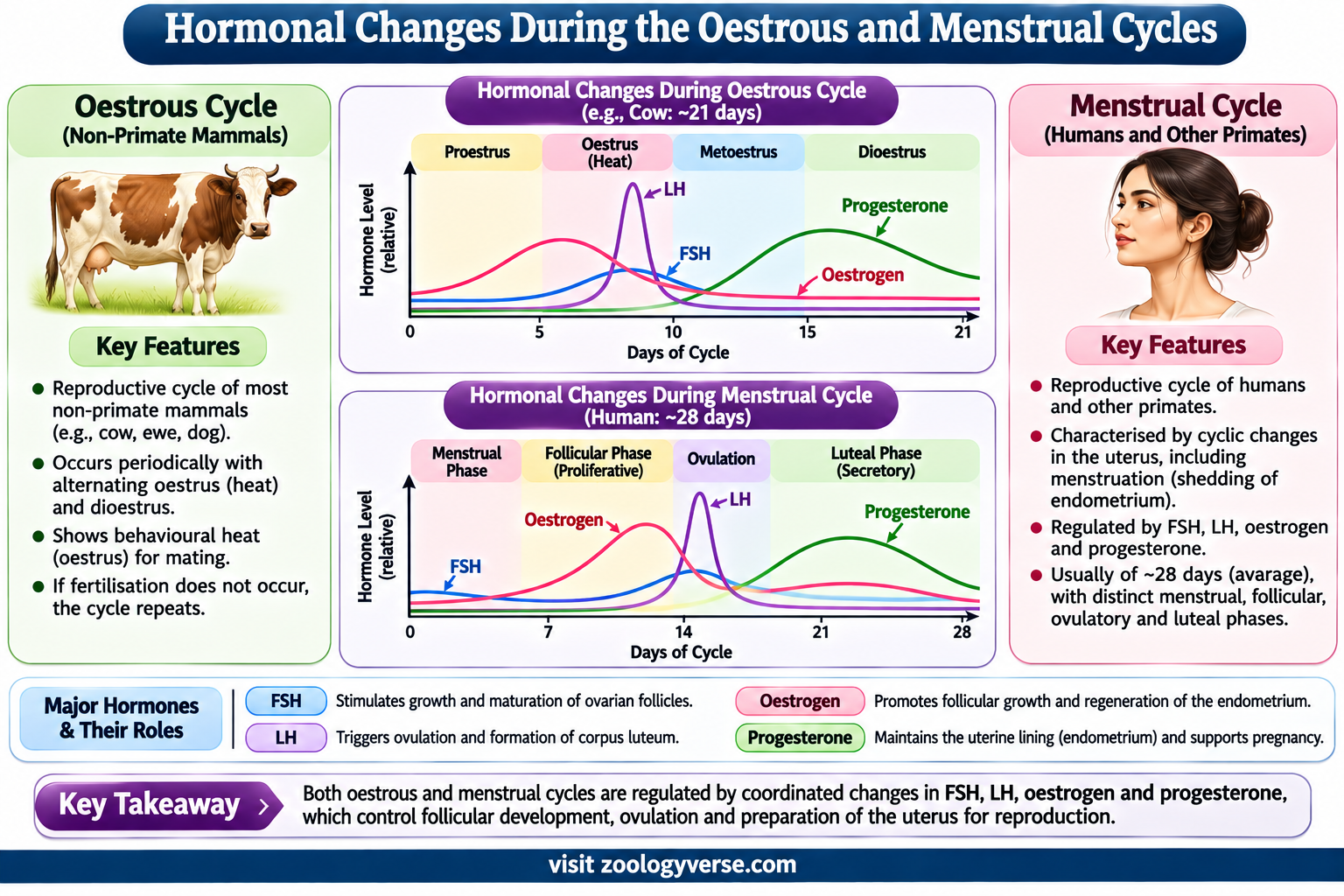
The reproductive cycle involves a series of periodic physiological and hormonal changes that prepare the female reproductive system for fertilization and pregnancy. These changes include ovarian follicular development, ovulation, formation of the corpus luteum and alterations in the reproductive tract. Hormonal Regulation of Reproduction in Animals coordinates these events through interactions between the hypothalamus, pituitary gland and ovaries.
The reproductive cycle is controlled mainly by GnRH, FSH, LH, estrogen and progesterone. Their concentrations change during different stages of the cycle, producing coordinated responses in the ovaries and reproductive tract. These hormonal fluctuations are essential for maintaining normal fertility.
11.1 Types of Reproductive Cycles
Female mammals show different reproductive cycle patterns according to their species and reproductive physiology. The two major types are:
1. Estrous Cycle
The estrous cycle occurs in most non-primate female mammals. It involves recurring ovarian and reproductive tract changes associated with periods of sexual receptivity called estrus or heat.
Examples include cows, sheep, goats, dogs and rats. The duration and pattern of the cycle vary considerably among species.
2. Menstrual Cycle
The menstrual cycle occurs in humans and certain other primates. It involves cyclic changes in the ovaries and uterine endometrium. When pregnancy does not occur, the functional layer of the endometrium is shed during menstruation.
Both cycle types are regulated by Hormonal Regulation of Reproduction in Animals, although their physiological characteristics differ.
11.2 Hormonal Regulation During the Follicular Phase
The follicular phase begins with the development of ovarian follicles. Increasing FSH secretion stimulates follicular growth and supports granulosa cell activity.
The developing follicles produce estrogen, which promotes the growth of the uterine endometrium. During most of this phase, estrogen provides negative feedback to the hypothalamus and pituitary gland.
As the dominant follicle matures, estrogen concentration rises. Sustained high estrogen levels eventually produce positive feedback, leading to the LH surge. This transition is an important feature of Hormonal Regulation of Reproduction in Animals.
11.3 Hormonal Regulation During Ovulation
Ovulation is triggered by a sudden increase in LH secretion from the anterior pituitary gland. This LH surge occurs following sustained high estrogen concentrations produced by the mature follicle.
The surge causes final oocyte maturation and rupture of the mature follicle. The released oocyte enters the oviduct, where fertilization may occur if viable sperm are present.
This coordinated interaction between estrogen and LH demonstrates the importance of Hormonal Regulation of Reproduction in Animals in controlling reproductive events.
11.4 Hormonal Regulation During the Luteal Phase
After ovulation, the remaining follicular cells develop into the corpus luteum. This temporary endocrine structure secretes progesterone and, in many species, estrogen.
Progesterone prepares the uterine environment for possible implantation and supports the maintenance of pregnancy. It also provides negative feedback to the hypothalamus and pituitary gland, reducing gonadotropin secretion.
The luteal phase therefore represents another important stage of Hormonal Regulation of Reproduction in Animals.
11.5 Regression of the Corpus Luteum
If pregnancy does not occur, the corpus luteum undergoes regression, a process called luteolysis. In many domestic mammals, prostaglandin F2 alpha (PGF2α), released from the uterus, plays an important role in this process.
As the corpus luteum regresses, progesterone secretion decreases. This allows FSH secretion to increase and supports the development of a new group of ovarian follicles.
In humans, corpus luteum regression occurs in the absence of pregnancy without the same uterine PGF2α mechanism found in many domestic mammals. These differences illustrate species-specific features of Hormonal Regulation of Reproduction in Animals.
11.6 Hormonal Changes During the Reproductive Cycle
| Hormone | Major Role During the Cycle |
|---|---|
| GnRH | Regulates pituitary gonadotropin secretion |
| FSH | Stimulates ovarian follicular development |
| LH | Triggers ovulation and supports corpus luteum formation |
| Estrogen | Promotes endometrial growth and regulates feedback |
| Progesterone | Prepares and maintains the uterine environment |
| Inhibin | Helps regulate FSH secretion |
The reproductive cycle is therefore controlled by periodic hormonal changes rather than the independent action of individual hormones. Hormonal Regulation of Reproduction in Animals ensures coordination between ovarian activity, ovulation and uterine preparation, supporting successful reproduction.
12. Feedback Mechanisms in Reproductive Regulation
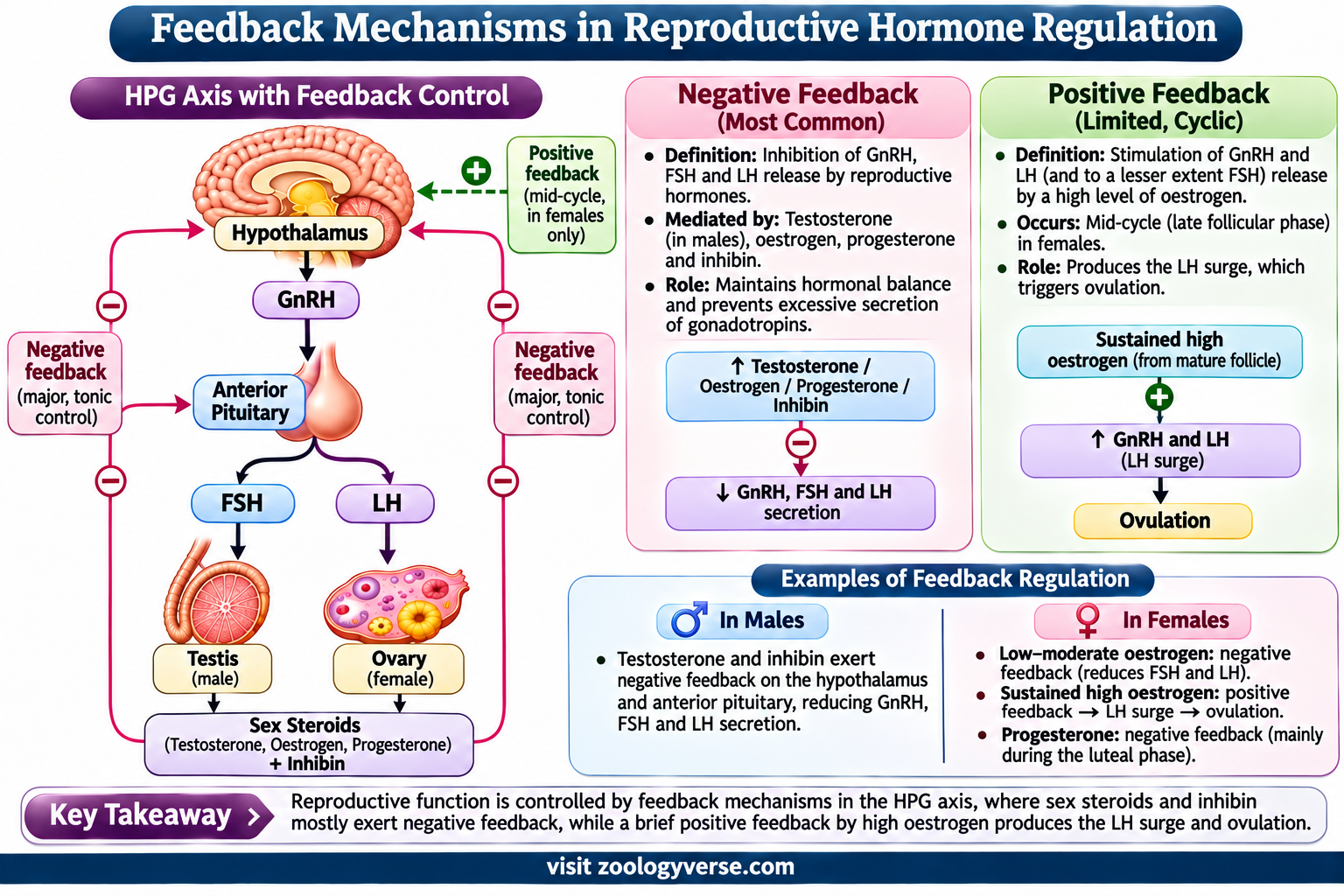
Feedback mechanisms are regulatory processes through which hormones influence the activity of the endocrine glands that control their secretion. They help maintain hormonal balance and coordinate reproductive functions in male and female animals. Hormonal Regulation of Reproduction in Animals depends on these mechanisms to maintain appropriate levels of reproductive hormones and ensure normal functioning of the reproductive system.
The hypothalamus, anterior pituitary gland and gonads communicate through interconnected hormonal pathways. Hormones produced by the gonads can influence the secretion of GnRH, FSH and LH. Depending on the physiological condition, these interactions may produce either negative or positive feedback.
12.1 Negative Feedback Mechanism
Negative feedback is the most common regulatory mechanism involved in reproductive endocrine control. In this mechanism, an increase in the concentration of a hormone suppresses the further secretion of hormones that stimulate its production.
For example, testosterone produced by Leydig cells acts on the hypothalamus and pituitary gland to reduce GnRH and LH secretion. This helps maintain testosterone concentrations within an appropriate physiological range.
In females, estrogen and progesterone generally provide negative feedback during much of the reproductive cycle. Inhibin also selectively suppresses FSH secretion from the anterior pituitary gland.
Negative feedback is therefore essential for maintaining stability in Hormonal Regulation of Reproduction in Animals. It prevents excessive hormone secretion and helps coordinate reproductive activity with the physiological requirements of the animal.
12.2 Positive Feedback Mechanism
Positive feedback occurs when a hormone stimulates further hormone secretion, amplifying an existing physiological response. Unlike negative feedback, this mechanism temporarily increases endocrine activity.
The most important reproductive example occurs before ovulation in many mammals. When a mature ovarian follicle produces sustained high concentrations of estrogen, the hormone switches from negative to positive feedback on the hypothalamus and pituitary gland.
This stimulates increased GnRH activity and produces a sudden rise in LH secretion, known as the LH surge. The LH surge triggers ovulation and contributes to the final maturation of the oocyte.
Positive feedback is a specialised mechanism in Hormonal Regulation of Reproduction in Animals because it produces a strong but temporary hormonal response required for a specific reproductive event.
12.3 Feedback Regulation in Males
In males, testosterone and inhibin are important hormones involved in feedback regulation.
Testosterone produced by Leydig cells suppresses GnRH secretion from the hypothalamus and LH secretion from the anterior pituitary gland. This negative feedback mechanism regulates further testosterone production.
Inhibin, secreted by Sertoli cells, selectively suppresses FSH secretion. This helps regulate Sertoli cell activity and maintain appropriate conditions for sperm production.
These interactions maintain hormonal balance and support normal testicular function. Thus, Hormonal Regulation of Reproduction in Animals depends on feedback communication between the testes, hypothalamus and pituitary gland.
12.4 Feedback Regulation in Females
In females, estrogen, progesterone and inhibin regulate the secretion of reproductive hormones through feedback mechanisms.
During the follicular phase, developing ovarian follicles produce estrogen and inhibin. These hormones generally suppress FSH secretion, helping regulate follicular development.
Before ovulation, sustained high estrogen concentrations produce positive feedback and stimulate the LH surge. Following ovulation, the corpus luteum secretes progesterone and estrogen, which generally restore negative feedback on the hypothalamus and pituitary gland.
These changing feedback relationships are essential for coordinating ovarian activity and reproductive cycles. They also demonstrate how Hormonal Regulation of Reproduction in Animals adapts to different stages of female reproductive physiology.
12.5 Comparison Between Positive and Negative Feedback
| Feature | Negative Feedback | Positive Feedback |
|---|---|---|
| Basic action | Reduces further hormone secretion | Stimulates further hormone secretion |
| Main function | Maintains hormonal stability | Amplifies a physiological response |
| Effect on hormone levels | Limits excessive secretion | Produces a temporary increase |
| Reproductive example | Testosterone suppressing GnRH and LH | Estrogen stimulating the LH surge |
| Duration | Generally operates continuously or over extended periods | Usually operates temporarily |
12.6 Biological Significance of Feedback Mechanisms
Feedback mechanisms ensure that reproductive hormones are released in appropriate quantities and at suitable times. They coordinate communication between endocrine organs and prevent uncontrolled changes in hormone concentrations.
Negative feedback maintains hormonal stability, whereas positive feedback helps produce specific reproductive events such as ovulation. Together, these mechanisms regulate reproductive development, gametogenesis, fertility and reproductive cycles.
Therefore, feedback mechanisms are essential for Hormonal Regulation of Reproduction in Animals because they maintain endocrine balance and coordinate reproductive functions throughout the animal’s reproductive life.
13. Role of Other Hormones in Animal Reproduction
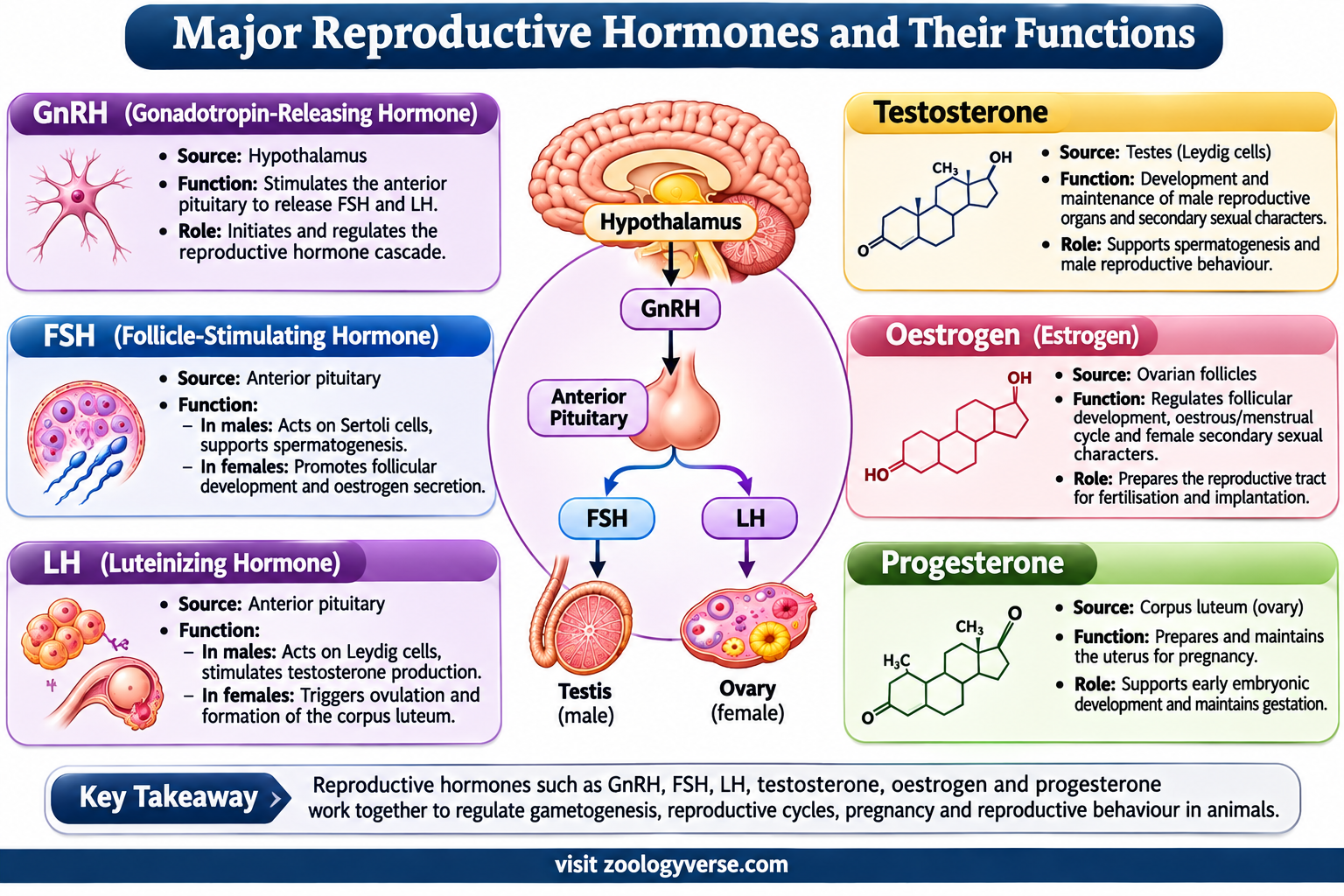
Although GnRH, FSH and LH are the principal hormones controlling gonadal activity, several other hormones influence reproductive processes. Hormonal Regulation of Reproduction in Animals also involves hormones that support pregnancy, childbirth, lactation and seasonal breeding. These hormones act on reproductive tissues or modify the activity of the hypothalamus, pituitary gland and gonads.
13.1 Prolactin
Prolactin is secreted by lactotroph cells of the anterior pituitary gland. Its best-known function is to stimulate milk production by mammary glands after parturition. In many mammals, prolactin also influences maternal behaviour and aspects of reproductive physiology.
The reproductive effects of prolactin vary among species. In some animals, it supports corpus luteum function, while in others it contributes to seasonal reproductive changes. Therefore, its role in Hormonal Regulation of Reproduction in Animals is species-dependent, particularly during lactation and seasonal reproductive changes.
13.2 Oxytocin
Oxytocin is synthesised by neurons in the hypothalamus and released into the bloodstream from the posterior pituitary gland. It stimulates contraction of uterine smooth muscle during parturition and causes milk ejection during lactation by contracting myoepithelial cells around mammary alveoli.
Oxytocin release can be stimulated by cervical stretching during childbirth and by suckling during nursing. These responses demonstrate how Hormonal Regulation of Reproduction in Animals coordinates maternal and offspring-related events. Oxytocin therefore links reproductive physiology with successful nursing.
13.3 Relaxin
Relaxin is a peptide hormone produced mainly by the corpus luteum and, in some species, the placenta and other reproductive tissues. During pregnancy, it contributes to remodelling of reproductive tissues, cervical softening and changes in pelvic connective tissues.
Its source and importance differ among mammals. Relaxin works alongside progesterone and other pregnancy-associated hormones, adding another layer to Hormonal Regulation of Reproduction in Animals. Its effects help prepare the reproductive tract for delivery.
13.4 Melatonin
Melatonin is secreted by the pineal gland, particularly during periods of darkness. Its secretion pattern provides information about day length and helps synchronise biological rhythms with seasonal changes.
In seasonal breeders, melatonin influences hypothalamic pathways that regulate GnRH secretion and reproductive activity. The direction of the response differs between long-day and short-day breeders. This seasonal signalling is an important feature of Hormonal Regulation of Reproduction in Animals in species whose breeding is timed to favourable environmental conditions. It allows reproductive activity to become synchronised with seasonal opportunities.
13.5 Placental Hormones
In many mammals, the placenta functions as an endocrine organ during pregnancy. Depending on the species, it produces progesterone, estrogens, placental lactogens and chorionic gonadotropins. These hormones help maintain pregnancy, modify maternal metabolism and support mammary gland development.
Placental hormone production is not identical in all mammals. Some species rely substantially on the corpus luteum for progesterone, whereas others have a greater placental contribution. These differences illustrate the diversity of Hormonal Regulation of Reproduction in Animals. They also show that endocrine support for pregnancy is adapted to the reproductive biology of each species.
13.6 Other Hormonal Influences
Thyroid hormones and glucocorticoids can also affect reproductive function, mainly by influencing metabolism, energy balance and responses to stress. Appropriate thyroid function supports normal reproductive physiology, while prolonged stress and elevated glucocorticoids may disrupt hypothalamic and pituitary signalling.
Insulin and metabolic signals such as leptin provide information about energy availability and can influence reproductive pathways. These hormones do not replace the core reproductive hormones, but they help adjust reproductive activity to the animal’s physiological condition. Their interactions broaden the scope of Hormonal Regulation of Reproduction in Animals.
The additional hormones therefore support specific stages and conditions of reproduction. Together with the principal gonadal hormones, they coordinate pregnancy, parturition, lactation, seasonal breeding and metabolic readiness. Their combined actions contribute to the integrated nature of Hormonal Regulation of Reproduction in Animals. This coordination helps match reproductive processes with the changing needs of the animal.
These additional endocrine signals demonstrate that Hormonal Regulation of Reproduction in Animals involves more than the hypothalamus, pituitary gland and gonads. They provide essential support for successful reproduction under different physiological and environmental conditions.
14. Comparative Hormonal Regulation in Different Animals
Reproductive hormone regulation varies among animal groups according to their reproductive strategies, habitat, breeding patterns and physiological adaptations. Although the basic endocrine pathways are broadly conserved in vertebrates, differences occur in the timing of hormone secretion and the responses of reproductive organs. Hormonal Regulation of Reproduction in Animals therefore shows considerable diversity among mammals, birds, fishes, amphibians and reptiles.
The hypothalamus, pituitary gland and gonads form the principal reproductive endocrine system in most vertebrates. Their interactions regulate gametogenesis, gonadal development, reproductive cycles and breeding activity. However, Hormonal Regulation of Reproduction in Animals is modified by environmental conditions and species-specific reproductive requirements.
14.1 Hormonal Regulation in Mammals
Mammals generally possess a well-developed hypothalamic-pituitary-gonadal system. GnRH stimulates the anterior pituitary gland to release FSH and LH, which regulate testicular and ovarian functions.
In males, LH stimulates testosterone production by Leydig cells, while FSH supports Sertoli cell activity and spermatogenesis. In females, FSH promotes follicular development, whereas LH regulates ovulation and corpus luteum formation.
Estrogen and progesterone regulate female reproductive cycles and pregnancy-related changes. Hormonal Regulation of Reproduction in Animals also varies among mammals according to their estrous cycles, menstrual cycles and seasonal breeding patterns.
14.2 Hormonal Regulation in Birds
Birds possess a hypothalamic-pituitary-gonadal system that regulates reproductive activity. GnRH stimulates pituitary secretion of FSH and LH, which act on the testes or ovaries.
In male birds, testosterone supports testicular development, sperm production and reproductive behaviour. In female birds, estrogen promotes ovarian development, reproductive tract growth and the production of certain egg components, including yolk precursors by the liver.
Photoperiod plays an important role in seasonal breeding in many bird species. Changes in day length influence melatonin signalling and hypothalamic activity. These environmental signals modify Hormonal Regulation of Reproduction in Animals and help synchronise breeding with favourable seasons.
14.3 Hormonal Regulation in Fishes
Reproductive endocrine regulation in fishes involves the hypothalamus, pituitary gland and gonads. GnRH stimulates the secretion of gonadotropins, which regulate ovarian and testicular development.
FSH generally supports early gonadal development and gamete growth, while LH contributes to final maturation and ovulation or sperm release. Sex steroids, including estrogen, testosterone and maturation-inducing steroids, regulate different stages of reproduction.
In many fishes, environmental factors such as water temperature, rainfall, food availability and photoperiod influence reproductive activity. Hormonal Regulation of Reproduction in Animals also varies between egg-laying, live-bearing and seasonally breeding fish species.
14.4 Hormonal Regulation in Amphibians
Amphibians possess a neuroendocrine reproductive system involving the hypothalamus, pituitary gland and gonads. GnRH stimulates pituitary gonadotropin secretion, which regulates gametogenesis and reproductive activity.
In males, androgens support testicular development and sperm production. In females, estrogen regulates ovarian follicular development, while progesterone participates in oocyte maturation and reproductive processes.
Environmental factors such as rainfall, temperature and water availability influence breeding activity in many amphibians. These conditions interact with endocrine pathways and modify Hormonal Regulation of Reproduction in Animals according to the reproductive requirements of different species.
14.5 Hormonal Regulation in Reptiles
Reptilian reproductive activity is controlled by interactions between the hypothalamus, pituitary gland and gonads. FSH and LH regulate gametogenesis and sex hormone production.
Testosterone supports male reproductive development and behaviour, while estrogen regulates ovarian development and female reproductive functions. Progesterone also participates in reproductive processes in female reptiles.
Temperature has an important influence on reproduction in many reptiles. In several species, environmental temperature affects gonadal development and may determine the sex of developing embryos. Seasonal changes in temperature and rainfall can also influence breeding activity and modify Hormonal Regulation of Reproduction in Animals.
14.6 Comparative Overview of Reproductive Hormones
| Animal Group | Major Hormones | Important Regulatory Features |
|---|---|---|
| Mammals | GnRH, FSH, LH, estrogen, progesterone, testosterone | Estrous or menstrual cycles and pregnancy |
| Birds | GnRH, FSH, LH, estrogen, testosterone | Photoperiod-dependent seasonal breeding |
| Fishes | GnRH, gonadotropins, estrogen, testosterone, maturation-inducing steroids | Environmental regulation of gonadal maturation and spawning |
| Amphibians | GnRH, FSH, LH, estrogen, progesterone, androgens | Reproductive activity influenced by rainfall and temperature |
| Reptiles | GnRH, FSH, LH, estrogen, progesterone, testosterone | Seasonal breeding and temperature-related reproductive adaptations |
The comparative study of vertebrate reproduction demonstrates that endocrine pathways are adapted to the biological requirements of different animal groups. Despite variations in reproductive patterns, the hypothalamus, pituitary gland and gonads remain important regulatory components.
These differences highlight the evolutionary diversity of Hormonal Regulation of Reproduction in Animals and explain how reproductive processes are coordinated under different environmental conditions.
15. Factors Affecting Hormonal Regulation of Reproduction
Reproductive hormone secretion is influenced by several internal and external factors. These factors affect the functioning of the hypothalamus, pituitary gland and gonads, thereby modifying reproductive activity. Hormonal Regulation of Reproduction in Animals depends on the interaction between genetic, nutritional, environmental and physiological conditions.
Changes in these factors can influence sexual maturation, gametogenesis, reproductive cycles, fertility and pregnancy. Understanding these influences helps explain variations in reproductive performance among different animal species.
15.1 Environmental Factors
Environmental conditions play an important role in controlling reproductive activity. Photoperiod, temperature, rainfall and seasonal changes influence hormone secretion in many animals.
Photoperiod affects melatonin secretion by the pineal gland. Changes in melatonin signalling can modify hypothalamic activity and reproductive hormone secretion. Temperature and rainfall also influence breeding patterns, particularly in animals living in seasonal or changing environments.
These environmental signals modify Hormonal Regulation of Reproduction in Animals and help synchronise reproduction with favourable conditions.
15.2 Nutritional Status
Adequate nutrition is essential for normal reproductive functioning. Proteins, carbohydrates, fats, vitamins and minerals provide the energy and nutrients required for gonadal development and hormone production.
Poor nutrition can reduce reproductive hormone secretion, delay puberty and interfere with gametogenesis. In females, severe energy deficiency may disturb ovarian cycles and reduce fertility.
Leptin, insulin and other metabolic signals provide information about the body’s energy reserves to the hypothalamus. Their interaction with reproductive pathways influences Hormonal Regulation of Reproduction in Animals.
15.3 Genetic Factors
Genetic factors influence reproductive development, hormone production and the sensitivity of target tissues to hormonal signals. Genes involved in endocrine signalling, gonadal development and hormone receptors contribute to reproductive characteristics.
Genetic variations may affect the age of sexual maturity, fertility, breeding season and reproductive performance. In some species, inherited differences also influence the timing of reproductive cycles.
These genetic influences contribute to differences in Hormonal Regulation of Reproduction in Animals among individuals and animal populations.
15.4 Age and Physiological Condition
Age is an important factor affecting reproductive hormone secretion. During puberty, increased activity of the hypothalamic-pituitary-gonadal system stimulates gonadal development and sexual maturation.
In adult animals, reproductive hormone secretion generally supports normal fertility and gamete production. However, reproductive function may decline with advancing age because of changes in gonadal activity and endocrine regulation.
Pregnancy, lactation and other physiological conditions also modify hormone secretion. These changes allow Hormonal Regulation of Reproduction in Animals to adapt to different stages of the reproductive life cycle.
15.5 Stress and Hormonal Imbalance
Physical and psychological stress can influence reproductive endocrine activity. Stress stimulates the hypothalamic-pituitary-adrenal axis, leading to increased secretion of glucocorticoids such as cortisol.
Prolonged elevation of stress hormones may suppress GnRH secretion and interfere with pituitary gonadotropin release. This can affect ovulation, sperm production and reproductive cycles.
Severe hormonal disturbances can also result from endocrine disorders, infections or abnormalities of reproductive organs. Such conditions may disrupt Hormonal Regulation of Reproduction in Animals and reduce fertility.
15.6 Diseases and Endocrine Disorders
Certain diseases can interfere with the normal secretion or action of reproductive hormones. Disorders affecting the hypothalamus, pituitary gland, thyroid gland or gonads may alter reproductive functions.
For example, impaired gonadal activity can reduce sex hormone production, while abnormalities in pituitary function may disturb FSH and LH secretion. Hormonal disturbances can consequently affect sexual maturation, gametogenesis and fertility.
Maintaining normal endocrine health is therefore important for effective Hormonal Regulation of Reproduction in Animals.
15.7 Summary of Factors Affecting Reproductive Hormones
| Factor | Possible Effect on Reproduction |
|---|---|
| Photoperiod | Influences seasonal breeding |
| Temperature | Modifies reproductive activity in some species |
| Nutrition | Supports hormone production and gametogenesis |
| Genetic factors | Influence fertility and reproductive development |
| Age | Affects sexual maturation and reproductive ageing |
| Stress | May suppress reproductive hormone secretion |
| Diseases | Can interfere with endocrine regulation |
Reproductive hormone secretion is therefore influenced by the combined effects of environmental conditions, nutrition, genetics and physiological health. These factors help determine the timing and efficiency of reproductive processes and contribute to variations in Hormonal Regulation of Reproduction in Animals.
16. Biological Significance of Hormonal Regulation of Reproduction
Hormones play an essential role in coordinating reproductive activities and maintaining the reproductive capacity of animals. They regulate the development of reproductive organs, production of gametes, sexual maturation, reproductive cycles and pregnancy. Hormonal Regulation of Reproduction in Animals ensures that these biological processes occur in a coordinated and physiologically appropriate manner.
The endocrine system connects the brain with the reproductive organs through chemical messengers. This communication allows reproductive activities to respond to the animal’s age, nutritional condition, environmental surroundings and reproductive status.
16.1 Development and Maturation of Reproductive Organs
Reproductive hormones regulate the development and functioning of male and female reproductive organs. Testosterone promotes the development of male reproductive structures, whereas estrogen contributes to the development of female reproductive organs.
These hormones also influence secondary sexual characteristics during puberty. Hormonal Regulation of Reproduction in Animals therefore supports the transition from immature reproductive structures to functional reproductive systems.
16.2 Regulation of Gamete Production
The production of functional gametes is essential for sexual reproduction. FSH, LH and sex hormones coordinate spermatogenesis in males and follicular development and oocyte maturation in females.
Testosterone supports sperm production, while estrogen participates in ovarian follicular development. Hormonal Regulation of Reproduction in Animals maintains the endocrine conditions required for the formation of mature gametes.
16.3 Maintenance of Reproductive Cycles
Reproductive cycles involve periodic changes in ovarian activity and the reproductive tract. Estrogen and progesterone regulate these changes, while FSH and LH control follicular development and ovulation.
These hormonal interactions help maintain estrous and menstrual cycles in different mammalian groups. Hormonal Regulation of Reproduction in Animals ensures that reproductive organs undergo coordinated changes during different stages of the cycle.
16.4 Regulation of Fertility and Ovulation
Successful reproduction requires the production of mature gametes and their availability at appropriate times. The LH surge triggers ovulation in many mammals, while testosterone and FSH support normal sperm production in males.
Hormonal Regulation of Reproduction in Animals helps coordinate these processes and creates suitable physiological conditions for fertilization. Disturbances in hormone secretion can interfere with fertility and reproductive performance.
16.5 Support of Pregnancy and Parturition
Progesterone plays an important role in preparing and maintaining the uterine environment during pregnancy. In many mammals, placental hormones also contribute to maintaining pregnancy and supporting maternal physiological changes.
Near parturition, hormonal interactions involving oxytocin, prostaglandins and other regulatory signals contribute to uterine contractions and childbirth. These processes demonstrate the importance of Hormonal Regulation of Reproduction in Animals throughout pregnancy and delivery.
16.6 Regulation of Lactation and Maternal Functions
Prolactin stimulates milk production by mammary glands, whereas oxytocin causes milk ejection during nursing. These hormones support nourishment of newborn offspring and contribute to successful maternal care.
Hormonal Regulation of Reproduction in Animals therefore extends beyond fertilization and pregnancy. It also supports important postnatal reproductive functions that contribute to offspring survival.
16.7 Synchronisation with Environmental Conditions
Many animals reproduce during particular seasons when food availability and environmental conditions favour offspring survival. Melatonin and other endocrine signals help regulate seasonal reproductive activity in these species.
Changes in photoperiod, temperature and nutritional conditions can influence reproductive hormone secretion. Hormonal Regulation of Reproduction in Animals allows reproductive events to become synchronised with favourable environmental conditions.
16.8 Maintenance of Endocrine Balance
Feedback mechanisms maintain appropriate concentrations of reproductive hormones. Negative feedback prevents excessive hormone secretion, while positive feedback produces specific responses such as the LH surge before ovulation.
Hormonal Regulation of Reproduction in Animals depends on this balance to maintain normal reproductive functions. Disruption of endocrine communication may lead to delayed puberty, irregular reproductive cycles, impaired gametogenesis and reduced fertility.
16.9 Importance in Animal Reproduction and Management
Understanding reproductive hormones has important applications in animal breeding, veterinary medicine and livestock management. Hormonal knowledge helps explain fertility problems, reproductive disorders, pregnancy maintenance and seasonal breeding patterns.
It also provides a scientific foundation for reproductive technologies such as controlled breeding, artificial insemination and synchronisation of estrous cycles. Thus, Hormonal Regulation of Reproduction in Animals has both biological and practical significance in animal production and conservation.
Overall, reproductive hormones maintain coordination between different stages of the reproductive life cycle. Their activities support sexual development, gamete production, fertility, pregnancy, childbirth and offspring nourishment. Hormonal Regulation of Reproduction in Animals is therefore fundamental to reproductive success and the continuity of animal species.
17. Conclusion
Hormonal Regulation of Reproduction in Animals is essential for coordinating the complex processes that allow animals to reproduce successfully. It connects the nervous system with the endocrine system and reproductive organs, ensuring that reproductive activities occur in an organised and appropriately timed manner. Through this coordination, Hormonal Regulation of Reproduction in Animals influences sexual development, reproductive maturity, gamete production, reproductive cycles and reproductive behaviour.
The hypothalamus, pituitary gland and gonads form the central components of the hypothalamic-pituitary-gonadal axis. The hypothalamus releases gonadotropin-releasing hormone (GnRH), which stimulates the anterior pituitary to secrete the gonadotropins follicle-stimulating hormone (FSH) and luteinising hormone (LH). These hormones act on the testes and ovaries, regulating processes such as spermatogenesis, follicular development, ovulation and the production of sex hormones. Testosterone, oestrogens and progesterone contribute to the development and maintenance of reproductive functions in males and females.
An important feature of Hormonal Regulation of Reproduction in Animals is the use of feedback mechanisms. Negative feedback helps maintain hormonal balance, while positive feedback produces specific responses, such as the preovulatory LH surge in many mammals. Other hormones, including prolactin, oxytocin, inhibin and melatonin, also contribute to reproductive events such as lactation, milk ejection, regulation of gonadotropin secretion and seasonal breeding.
Although the basic endocrine principles are widely shared, Hormonal Regulation of Reproduction in Animals varies among animal groups according to their reproductive patterns, habitats and environmental conditions. Nutrition, stress, age, photoperiod and other environmental factors can influence reproductive hormone secretion and fertility. Understanding these interactions is important in zoology, animal physiology, wildlife conservation and livestock management. In applied settings, Hormonal Regulation of Reproduction in Animals also informs the assessment of fertility, breeding performance and reproductive disorders.
Overall, Hormonal Regulation of Reproduction in Animals provides the physiological coordination required for successful reproduction, from sexual maturation and gamete formation to fertilisation, pregnancy and parental care. Knowledge of reproductive hormones and their interactions with the nervous and reproductive systems helps explain both the similarities and differences in reproductive strategies across the animal kingdom. A clear understanding of Hormonal Regulation of Reproduction in Animals therefore provides a foundation for studying reproductive physiology in diverse animal species. It also shows why Hormonal Regulation of Reproduction in Animals is a central topic in comparative endocrinology.
18. Frequently Asked Questions (FAQs)
What is hormonal regulation of reproduction in animals?
Which organs control reproductive hormone secretion?
What is the role of GnRH in reproduction?
What are gonadotropins?
How do hormones regulate reproduction in males?
How do hormones regulate reproduction in females?
What is the difference between positive and negative feedback?
Which hormones are involved in pregnancy and lactation?
Does the environment affect reproductive hormones?
Why is the study of reproductive hormones important?
Do all animals use the same reproductive hormones?
What is the role of inhibin in reproduction?
19. References
- Marques, P., Lages, A. D. S., Skorupskaite, K., Rozario, K. S., Anderson, R. A., & George, J. T. (2024). Physiology of GnRH and Gonadotrophin Secretion. Endotext, NCBI Bookshelf.
https://www.ncbi.nlm.nih.gov/books/NBK279070/ - Merck Veterinary Manual. Overview of Hormonal Control of the Estrous Cycle in Animals.
https://www.merckvetmanual.com/reproductive-system/hormonal-control-of-the-estrous-cycle/overview-of-hormonal-control-of-the-estrous-cycle-in-animals - Merck Veterinary Manual. The Gonads and Tubular Genital Tract in Animals.
https://www.merckvetmanual.com/reproductive-system/reproductive-system-introduction/the-gonads-and-tubular-genital-tract-in-animals - Merck Veterinary Manual. Reproductive Management of the Female Small Animal.
https://www.merckvetmanual.com/reproductive-system/reproductive-diseases-of-the-female-small-animal/reproductive-management-of-the-female-small-animal - Romano, J. E. (2024). Overview of Hormonal Control of Estrus. Merck Veterinary Manual.
https://www.merckvetmanual.com/management-and-nutrition/hormonal-control-of-estrus/overview-of-hormonal-control-of-estrus - Hill, R. W., Wyse, G. A., & Anderson, M. (2016). Animal Physiology (4th ed.). Sinauer Associates.
- Reece, W. O., Erickson, H. H., Goff, J. P., & Uemura, E. E. (Eds.). (2015). Dukes’ Physiology of Domestic Animals (13th ed.). Wiley-Blackwell.
- Hafez, E. S. E., & Hafez, B. (Eds.). (2000). Reproduction in Farm Animals (7th ed.). Lippincott Williams & Wilkins.
Discover more from Zoologyverse
Subscribe to get the latest posts sent to your email.