
Bufo is a genus of true toads in the amphibian family Bufoidae. According to the traditional definition, this genus was a “Wastebasket” genus that included numerous toads living in many parts of the world, but after taxonomic review, most were transferred to other genera, leaving the genus with only 17 extant species from Europe, North Africa, and Asia. Among them are the well-known toads (B. Bufo).
Genera containing species previously included in Bufo include Anaxyrus (many North American species), Bufotes (European green tree frog and its relatives), Duttaphrynus (many Asian species including the Asian common toad introduced elsewhere), Epidalea (loggerhead toad), and Rhinella (many Latin American species including the Asian cane toad introduced elsewhere)
Classification of Bufo : Common Frog
- Phylum :- Chordata (Dorsal tubular nerve cord, notochord and gill-slits present.)
- Group :- Craniata (Definite head, Cranium with brain present.)
- Sub phylum :- Vertebrata (Vertebral column present.)
- Division :- Gnathostomata (Jaws and paired appendages present.)
- Super Class :- Tetrapoda (Paired limbs, lungs, cornified skin and bony skeleton.)
- Class :- Amphibia (Cold blooded. Scaleless glandular skin. Can live in water and land. Two occipital condyles, Heart three chambered)
- Order :- Anura or Salientia (Scaleless Amphibia. Tail, external gills and gill-silts absent. Both hind limbs and forelimbs well developed.)
- Suborder :- Procoela
- Family :- Bufonidae
- Genus :- Bufo
Geographical distribution
They are abundantly found in India, United States and Pacific State of Alaska. Miocene.
Habit and habitat
Terrestrial, nocturnal, hiding under logs and stones or in burrows in day. It enters water only to breed and spawn
General Characteristics of Bufo : Common Frog
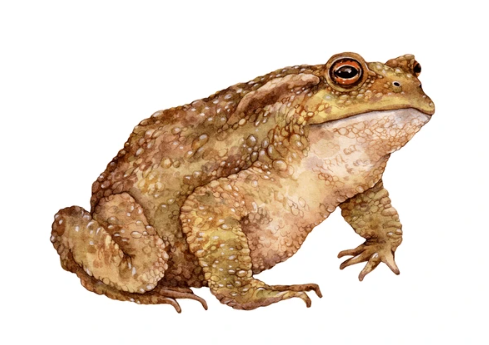
- Commonly called as true toad.
- It differs from frog in having rough, dry and warty skin with more poison glands than mucous glands.
- The skin is more or less of protective nature than respiratory.
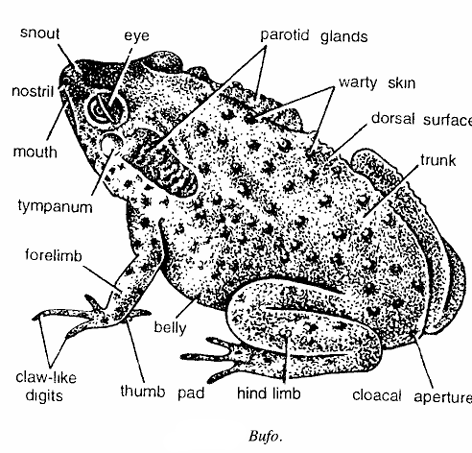
- Body divided into head and trunk. Head contains mouth large eyes
- Hind limbs contain 4 claw like digits and thumb pads or adhesive pads.
- Forelimbs and Hind limbs are short. Toes provided with horny tips and poorly developed webs.
- Maxilliary teeth, sternum absent and ventral parts of pectoral girdle overlap (arciferous).
- Sacral vertebra has dilated transverse processes. Vertebrae procoelus. Urostyle with double condyle.
- Liver is bilobed. Glands of swammerdams absent.
- Eggs are pigmented and laid in gelatinous string. Young toads mature in many years.
Special features
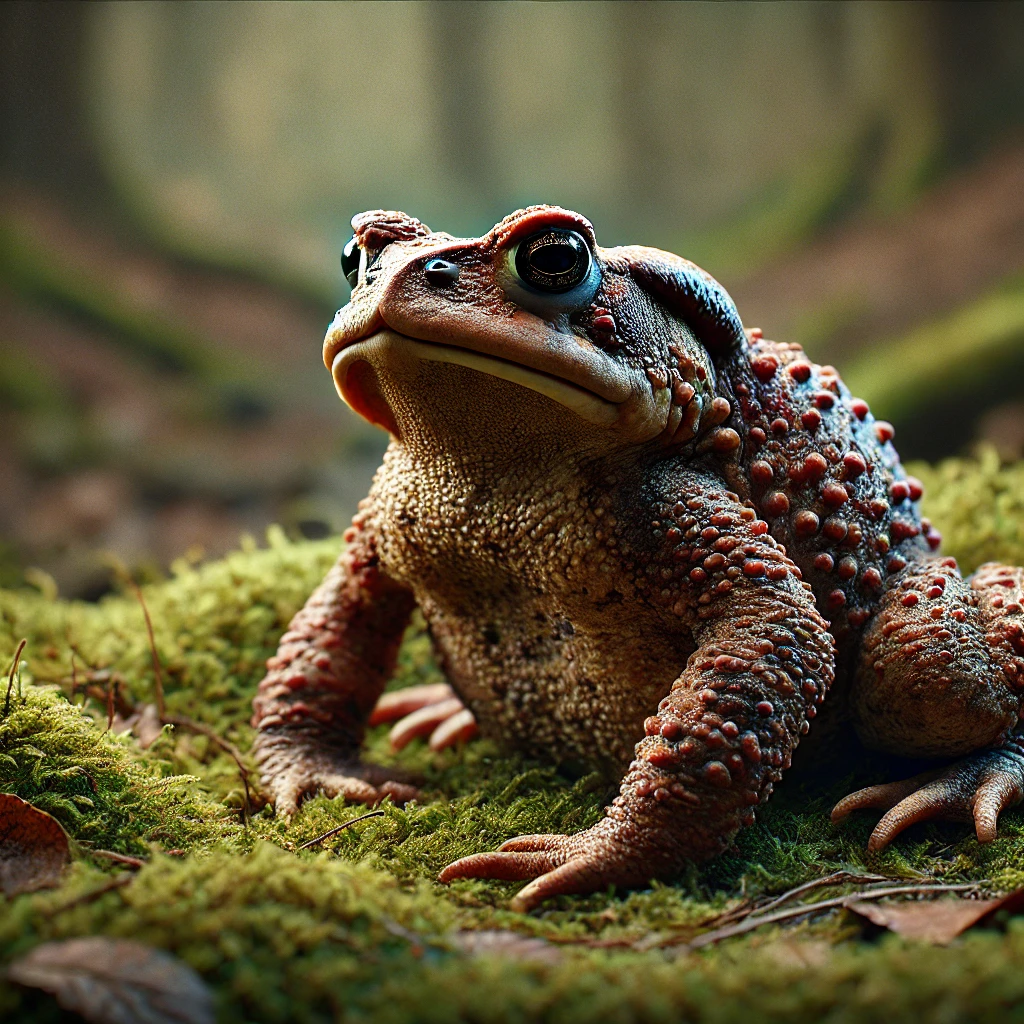
- The parotid glands of the toad secrete two toxic substances, bufotalus and bufogus. These toxins cause nausea, respiratory and muscular disturbances and also effect heart functioning, if swallowed by man. Bufo melanostictus is found upto 3000 meters in the Himalayas.
Identification
Since this Anura contains parotid glands and above features, hence it is Common frog.
Discover more from Zoologyverse
Subscribe to get the latest posts sent to your email.
Pingback: DEVELOPMENT OF FROG | Zoologyverse