Specimens

Classification of Hydractinia

Hydractinia

Hydractinia: Classification, Habitat, Characteristics, and Identification Hydractinia is a genus of colonial marine hydrozoans within the phylum Cnidaria. Known for its intricate colonial structures and symbiotic associations, Hydractinia species contribute substantially to benthic marine ecosystems and serve as model organisms for studying colonial biology and regeneration. Classification of Hydractinia Habit and Habitat Hydractinia species predominantly […]

Hydractinia Read More »

Classification of Ceratella

Ceratella

Ceratella: Comprehensive Study on Classification, Habitat, Characteristics, and Identification Ceratella is a genus within the phylum Cnidaria, class Hydrozoa, known for its colonial lifestyle and ecological importance in freshwater habitats. Despite their tiny and often overlooked presence, Ceratella species exhibit fascinating biological adaptations that make them vital to aquatic ecosystems and valuable subjects of zoological

Ceratella Read More »

Classification of Hydra

Hydra

Classification of Hydra Hydra is a fascinating genus of tiny, freshwater animals within the Phylum Cnidaria and Class Hydrozoa. These creatures are notable for their simplicity, radial symmetry, and exceptional regenerative powers that make them the subject of extensive biological research. Native to temperate and tropical freshwater habitats worldwide, hydras contribute to aquatic ecosystems and

Hydra Read More »

Classification of Hircinia

Hircinia

Classification of Hircinia Hircinia is a genus of marine sponges, widely recognized for their commercial and ecological significance. These sponges belong to the family Irciniidae and are known for their leathery texture and complex fibrous skeletons. Habit and Habitat Hircinia species inhabit marine environments from intertidal zones to depths exceeding 20 meters. They are usually

Hircinia Read More »

Classification of Euspongia

Euspongia

Euspongia is a genus of marine sponges belonging to the family Spongiidae and is best known for producing the natural “bath sponge” used by humans for centuries. These sponges inhabit warm, shallow seas—especially the Mediterranean and Caribbean—where they grow on rocky substrates. Their soft, fibrous skeleton made of spongin makes them highly absorbent and durable,

Euspongia Read More »

Classification of Hippospongia

Hippospongia

Classification of Hippospongia Hippospongia is a genus of marine sponges belonging to the family Spongiidae. These sponges are notable for their porous, honeycomb-like structure and significant ecological and economical importance, particularly as natural bath sponges. Habit and Habitat Hippospongia species are sessile marine organisms commonly found attached to hard substrates such as rocks, corals, and

Hippospongia Read More »

Classification of Ephydatia

Ephydatia

Classification of Ephydatia Ephydatia is a genus of freshwater sponges found across diverse aquatic habitats worldwide. Known for their ecological significance in freshwater ecosystems, these sponges exhibit unique adaptations that enable survival in various environmental conditions. Habit and Habitat Ephydatia species inhabit freshwater environments, including lakes, ponds, rivers, and sometimes brackish water areas with low

Ephydatia Read More »

Classification of Poterion

Poterion

Classification of Poterion Poterion is a genus of marine sponges characterized by their tubular to cylindrical shape and spicate skeleton, belonging to one of the distinct groups within the phylum Porifera. These sponges contribute to marine benthic habitats by filtering water and providing shelters for various small organisms. Habit and Habitat Poterion sponges usually inhabit

Poterion Read More »

Classification of Microciona

Microciona

Classification of Microciona Microciona is a genus of marine sponges known for its bright coloration and encrusting to branching growth forms. Members of this genus are important contributors to benthic marine ecosystems, often found covering rocks, shells, and other hard substrates. Habit and Habitat Microciona species are typically found encrusting or forming thin sheets or

Microciona Read More »

Classification of Halichondria

Halichondria

Classification of Halichondria Halichondria is a widespread and often variable genus of marine sponges best known for its adaptability and diverse forms. The species Halichondria panicea is especially prominent among the intertidal and subtidal habitats of northern seas. Habit and Habitat Halichondria species form amorphous or crust-like colonies on rocky substrates, large boulders, kelp stipes,

Halichondria Read More »

Classification of Chalina

Chalina

Classification of Chalina Famously known as the finger sponge, is a branched marine sponge that inhabits shallow sea zones and coastal areas. Habit and Habitat Chalina species prefer rocky substrates and coral reefs, where they attach themselves firmly to solid surfaces. They are most commonly found in shallow subtidal and intertidal zones, but can also

Chalina Read More »

Tethya: Classification, Habitat, Characteristics

Tethya: Classification, Habitat, Characters

Classification of Tethya Tethya is a globally distributed genus of marine sponges well known for their spherical or hemispherical shape and distinct physical features. Belonging to the family Tethyidae, these sponges inhabit a variety of marine environments and play important roles in aquatic ecosystems. Habit and Habitat Tethya sponges commonly grow attached to hard substrates

Tethya: Classification, Habitat, Characters Read More »

Spongilla: Classification, Habitat, Characteristics

Spongilla: Classification, Habitat, Characteristics

Classification of Spongilla Spongilla is a genus of freshwater sponges well-known for thriving in lakes, ponds, and slow-moving streams. These sponges play important ecological roles by filtering water and contributing to aquatic ecosystems. Habit and Habitat Spongilla are freshwater organisms that attach themselves to submerged objects such as rocks, logs, and aquatic plants in lakes,

Spongilla: Classification, Habitat, Characteristics Read More »

Cliona: Classification, Habitat, Characteristics

Cliona: Classification, Habitat, Characteristics

Classification of Cliona Cliona, commonly known as boring sponges, represent an important genus of marine sponges that play a significant ecological role by excavating calcareous substrates. Habit and Habitat Cliona spp. are primarily found in shallow marine environments such as reefs and lagoons. They lead a boring lifestyle by excavating calcareous rocks, shells of bivalves,

Cliona: Classification, Habitat, Characteristics Read More »

Chondrilla : Classification, Habitat, Distribution, Characteristics, and Identification

Chondrilla : Classification, Habitat, Characteristics

Classification of Chondrilla Chondrilla is a genus of marine sponges known for its simple yet distinctive morphology and ecological roles. This article explores its complete classification, habitat and habit, geographical distribution, general characteristics, special features, and methods for identification. Habit and Habitat Chondrilla sponges are benthic marine organisms commonly found encrusting rocks, coral reefs, and

Chondrilla : Classification, Habitat, Characteristics Read More »

Classification of Oscarella

Oscarella : Classification, Habitat, Distribution, and Identification

Classification of Oscarella It is a fascinating genus of marine sponges known for its delicate structure and biological significance. This genus comprised of soft-bodied sponges without traditional skeletons, making them unique within the Porifera. Habit and Habitat Oscarella species are predominantly marine and exhibit encrusting habits, forming thin layers or thick patches over rocks, stones,

Oscarella : Classification, Habitat, Distribution, and Identification Read More »

Euplectella

Euplectella

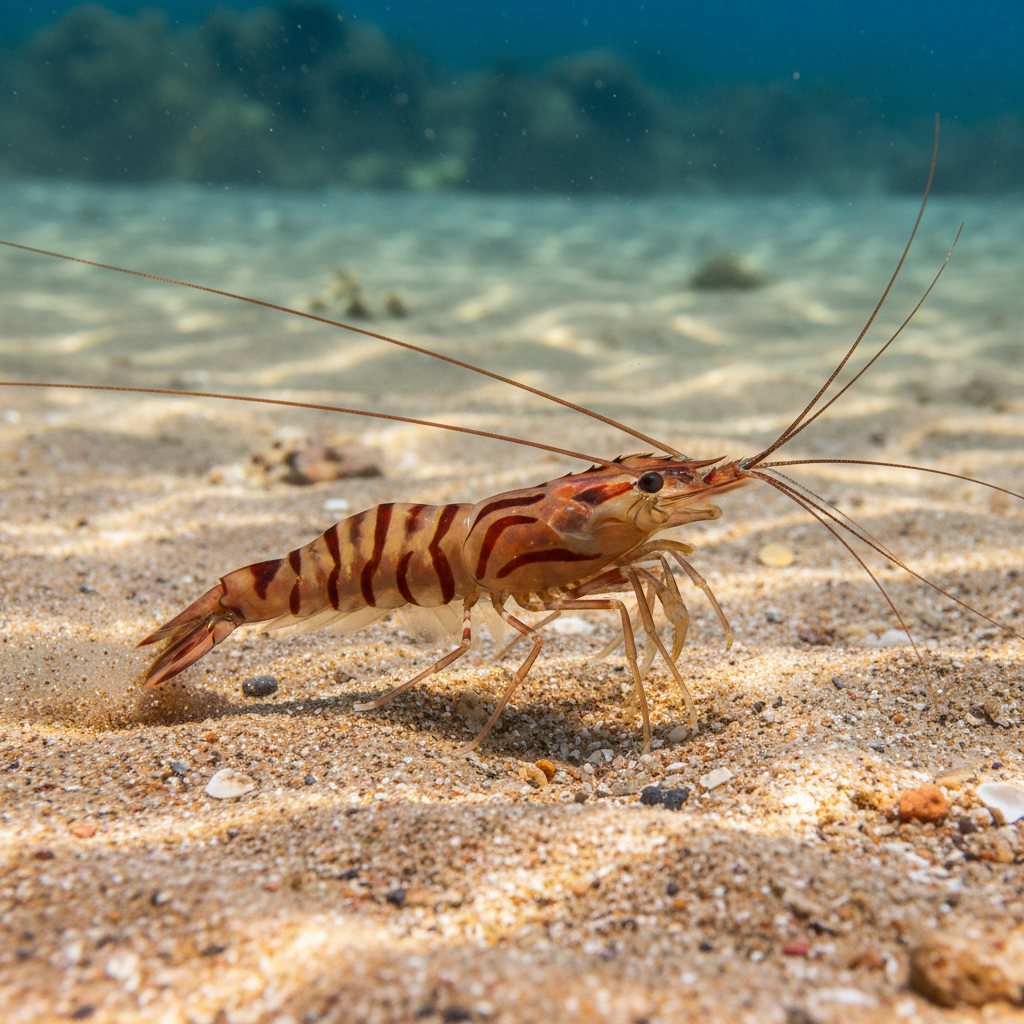
Classification of Euplectella Habit and habitat Distribution General Characterstics Special features Euplectella has great social and mythological value. The skeleton of this sponge, having imprisoned shrimps inside, is presented as wedding gift to newly married couples in Japan, signifying close association. Identification

Euplectella Read More »