Specimens

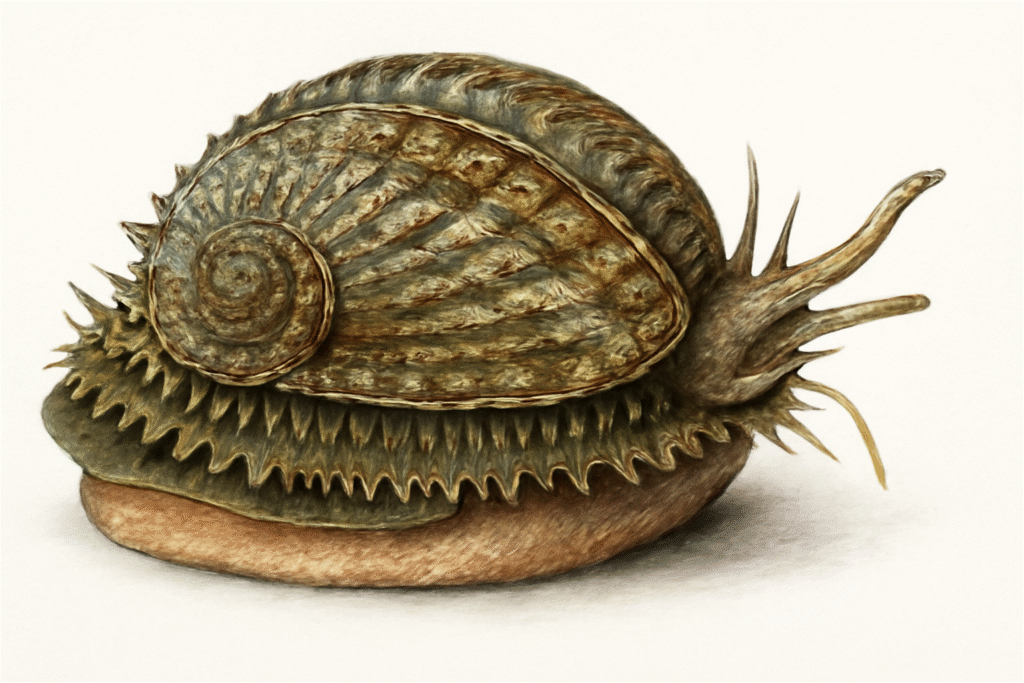
Murex angulifer

Murex angulifer

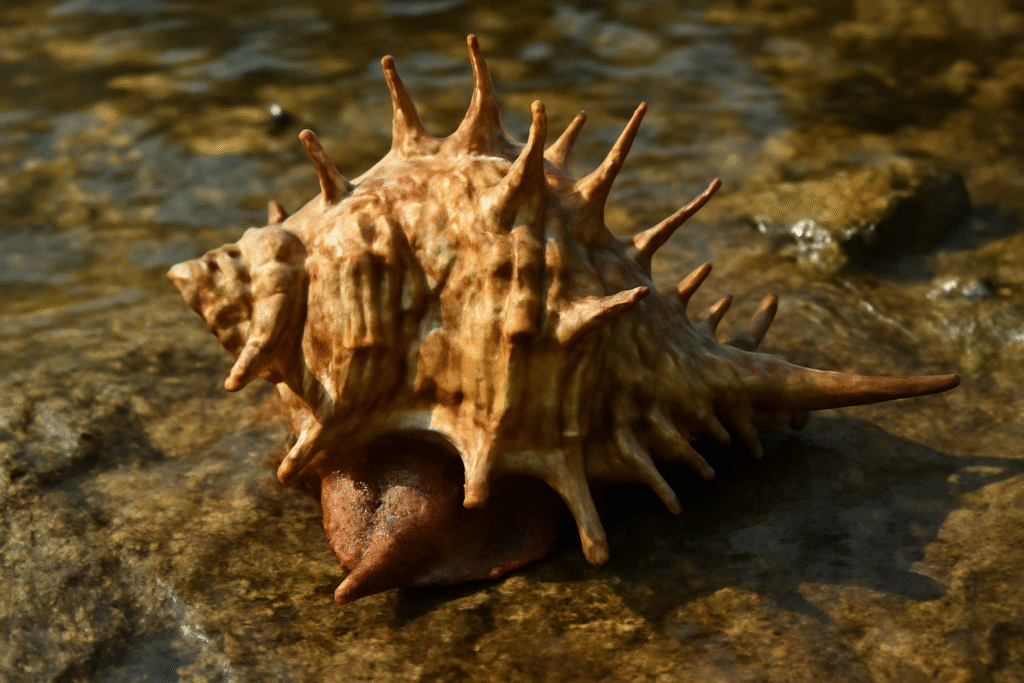
Murex angulifer: Morphology, Classification, Habitat, and Ecological Role of the Spiny Rock Snail Murex angulifer is a species of predatory sea snail belonging to the family Muricidae, commonly known as rock snails or murex snails. Recognized for their robust, spiny shells and ornate appearance, Murex species have fascinated collectors and biologists alike. The species occupies […]
Murex angulifer Read More »

Pila globosa (Apple Snail)

Pila globosa (Apple Snail)

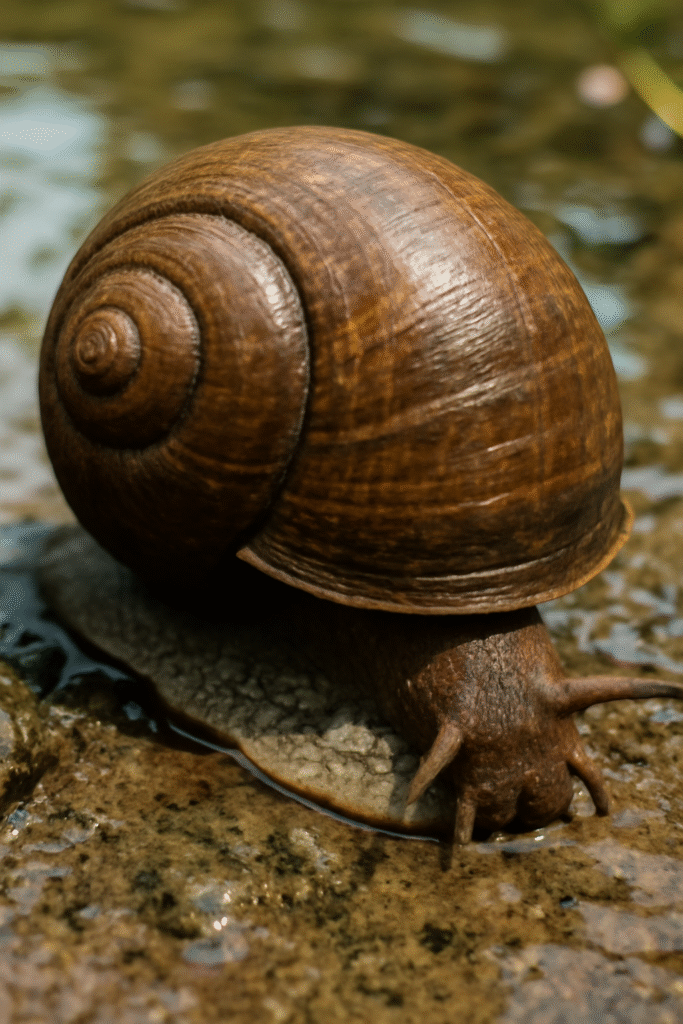
Pila globosa: Morphology, Classification, Habitat, and Ecological Role of the Apple Snail Pila globosa, commonly known as the apple snail, is a freshwater gastropod mollusk belonging to the family Ampullariidae. These snails are recognized for their large, globose shells resembling an apple, and their ecological adaptability to a variety of aquatic habitats including ponds, lakes,

Pila globosa (Apple Snail) Read More »

Cypraea

Cypraea

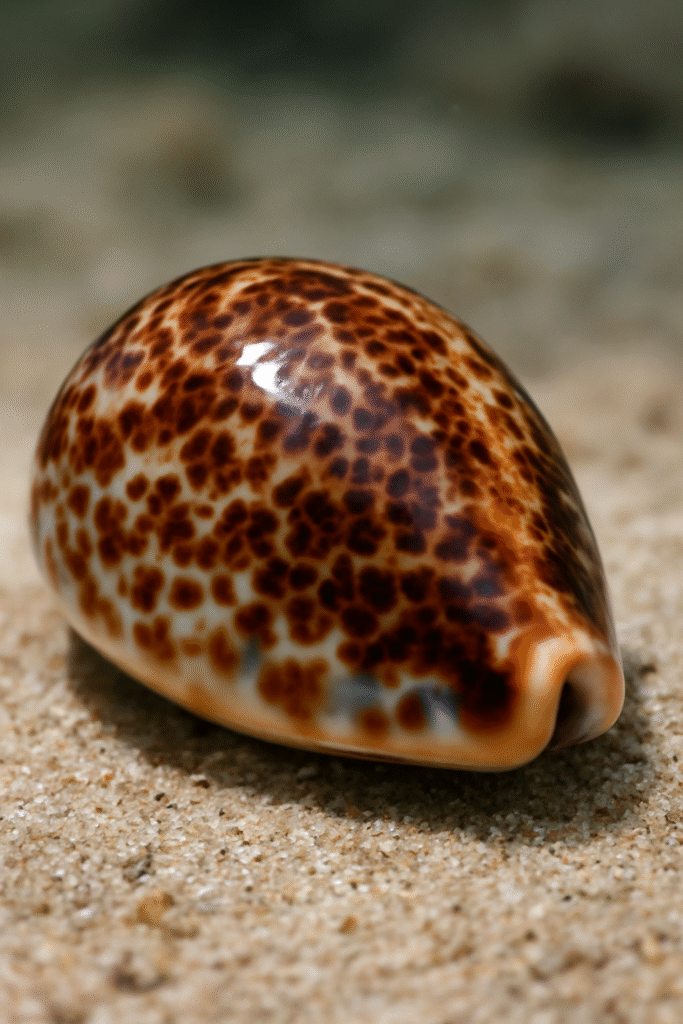
Cypraea: The Cowry Shells – Morphology, Classification, Habitat, and Ecological Importance Cypraea is a prominent genus within the family Cypraeidae, commonly known as cowries, characterized by their glossy, smooth, and often vibrantly patterned shells. Cowries have fascinated humans for centuries due to their unique aesthetics and cultural significance as currency, jewelry, and decorative objects. The

Cypraea Read More »

Classification of Haliotis

Haliotis

Haliotis: Morphology, Classification, Habitat, and Ecological Importance of Abalone Haliotis, commonly known as abalone, is a genus of marine gastropod mollusks in the family Haliotidae. These animals are renowned for their distinct, ear-shaped shells featuring a row of respiratory pores running along the shell margin. The genus is culturally and economically significant worldwide due to

Haliotis Read More »

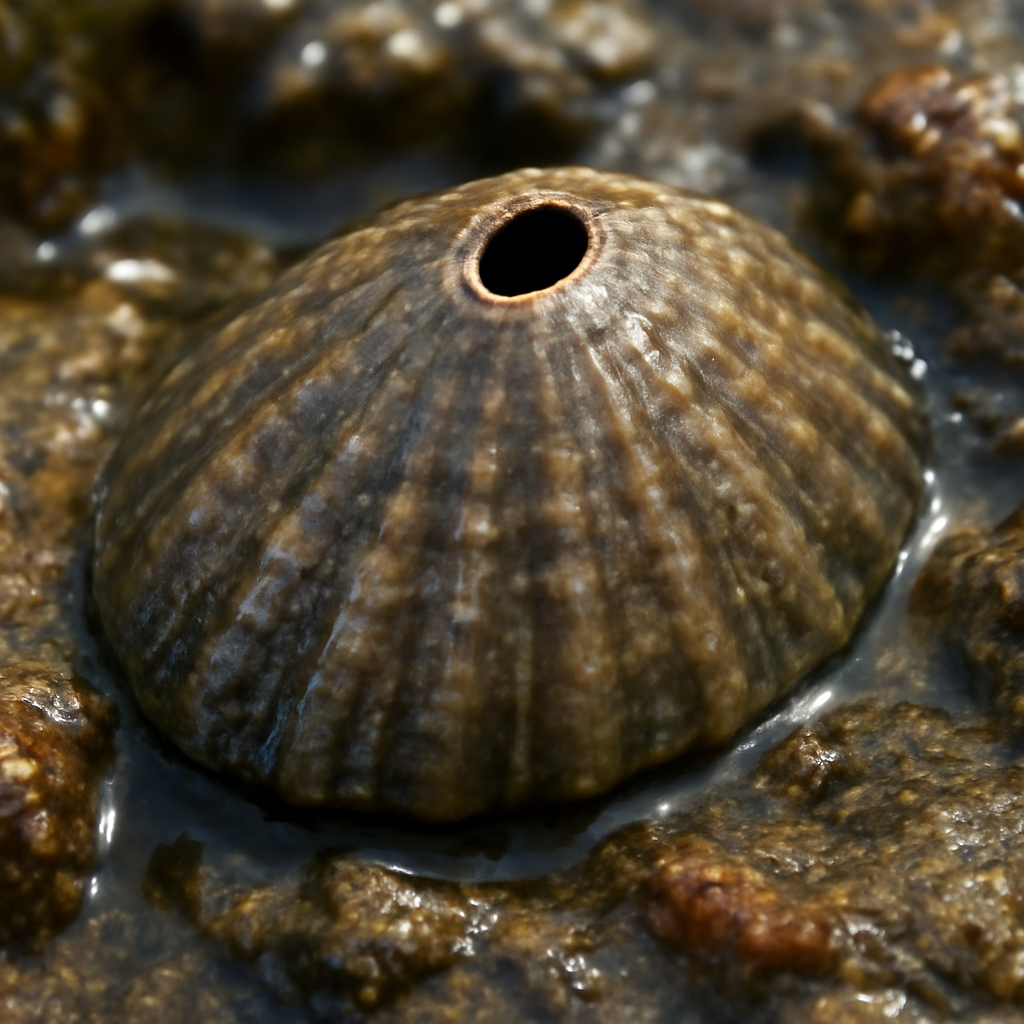
Fissurella

Fissurella

Fissurella: Morphology, Classification, Habitat, and Ecological Role of the Keyhole Limpets Fissurella is a genus of marine gastropod mollusks commonly known as keyhole limpets due to the distinctive hole or slit located at the apex of their conical shells. These limpets are part of the family Fissurellidae and are widely distributed in marine environments, from

Fissurella Read More »

Classification of Patella

Patella

Patella: Morphology, Classification, Habitat, and Ecological Role of the True Limpet Patella is a genus of marine gastropod mollusks commonly known as true limpets. Belonging to the family Patellidae, these animals are characterized by their conical, uncoiled shells and strong adhesion to hard substrates such as rocks in intertidal and subtidal zones. Patella limpets play

Patella Read More »

Dentalium

Dentalium

Dentalium: Morphology, Classification, Habitat, and Cultural Significance of the Tusk Shell Mollusc Dentalium, commonly known as tusk shells or tooth shells, is a genus of marine molluscs belonging to the class Scaphopoda. These animals are named for their distinctive slender, tubular, tusk-like shells open at both ends, which have fascinated biologists and humans alike for

Dentalium Read More »

Classification of Chiton or Ischnochiton

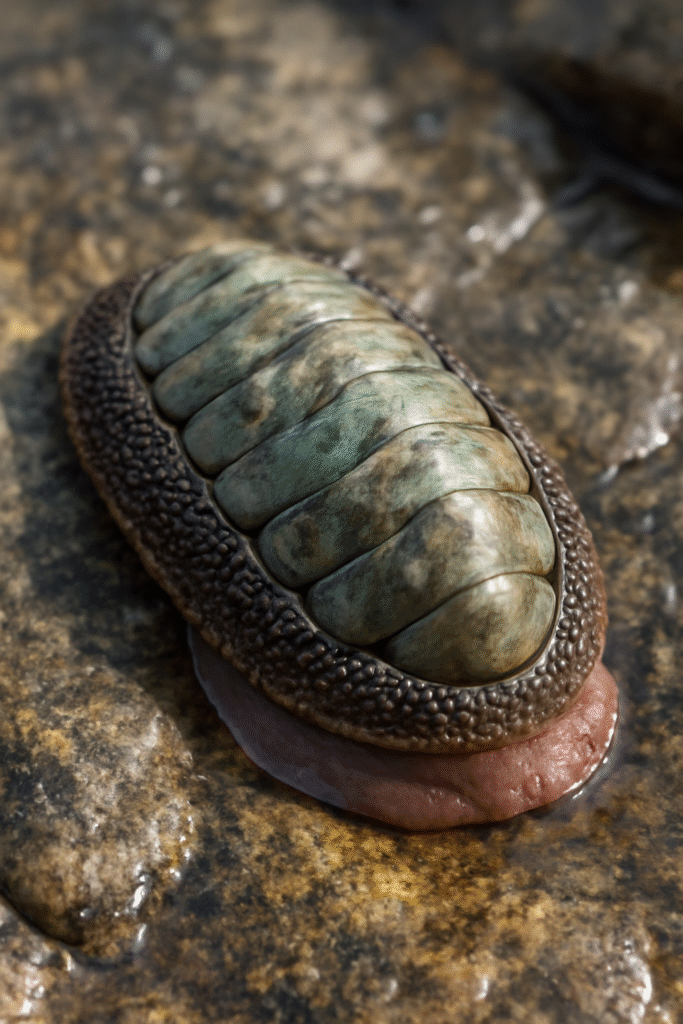
Chiton or Ischnochiton

Introduction Chiton are marine mollusks classified under the class Polyplacophora, sometimes called sea cradles or coat-of-mail shells due to their distinctive armored, segmented dorsal plates. They are notable for their flat, oval bodies covered with eight overlapping calcareous plates embedded in a girdle. They are found worldwide, predominantly in intertidal and subtidal zones on hard

Chiton or Ischnochiton Read More »

Chaetoderma nitidulum 1024x683

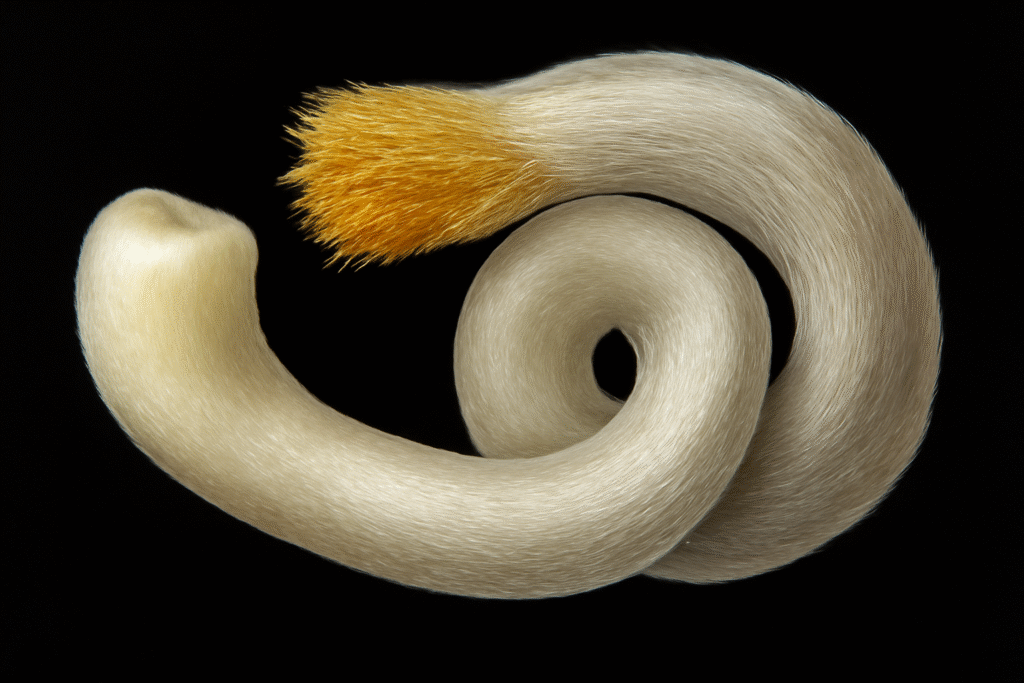
Chaetoderma

Chaetoderma: Morphology, Systematics, Habitat, Life Cycle, and Ecological Significance of the Primitive Aplacophoran Mollusc Introduction Chaetoderma is a distinctive genus of shell-less, worm-like mollusks grouped under the class Caudofoveata (also called Chaetodermomorpha), a basal lineage within the phylum Mollusca. Sometimes called “glistenworms” for their shiny cuticle covered with calcareous spicules, members of this genus are

Chaetoderma Read More »

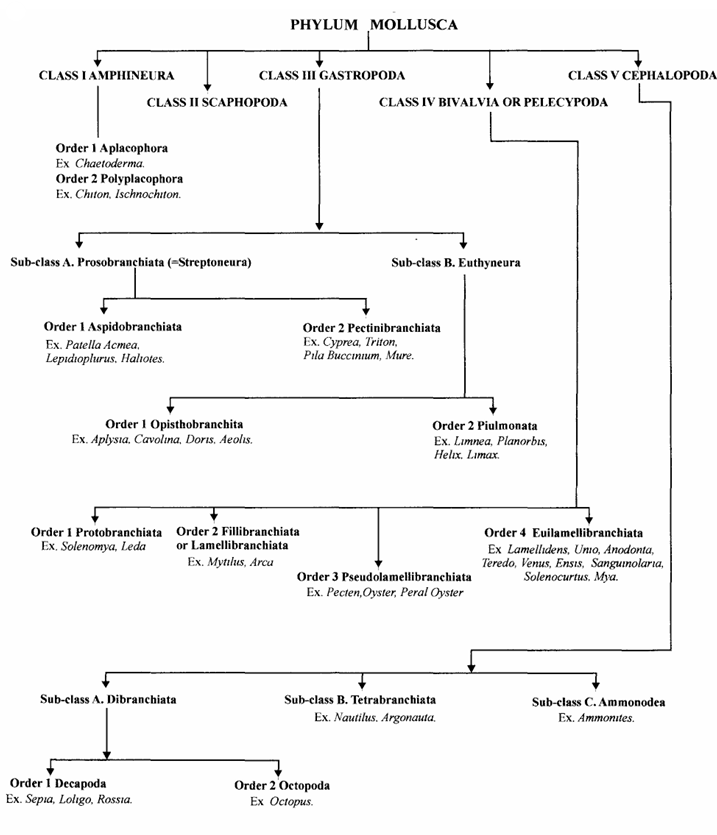
phylum mollusca

Phylum Mollusca: Characteristics, Classification, and Importance

Introduction Phylum Mollusca is one of the largest and most diverse groups in the animal kingdom, comprising over 85,000 recognized species and potentially many more undiscovered ones. The term “Mollusca” comes from the Latin word mollis, meaning soft, referring to the soft-bodied nature of these animals. Members of this phylum are known as mollusks or

Phylum Mollusca: Characteristics, Classification, and Importance Read More »

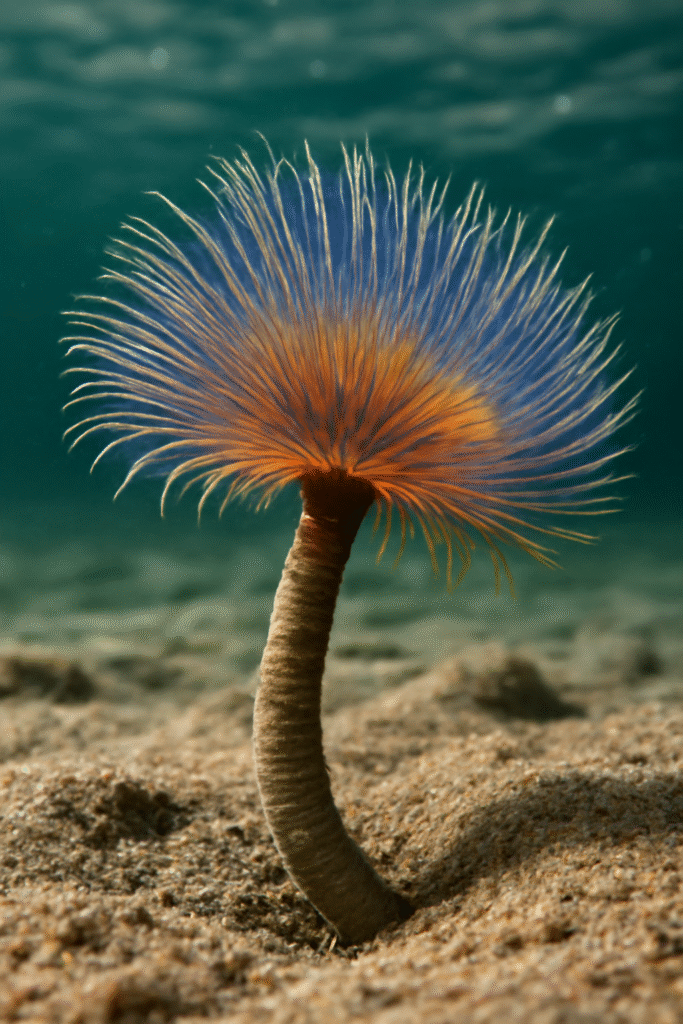
Sabella or Parasabella

Sabella or Parasabella

Sabella and Parasabella: The Marine Feather Duster Worms – Biology, Morphology, Habitat, and Ecological Significance Sabella and Parasabella are genera of marine polychaete worms belonging to the family Sabellidae, commonly known as feather duster worms due to their distinct fan-like radioles that protrude from their tubes. These worms are filter feeders inhabiting marine sediments and

Sabella or Parasabella Read More »

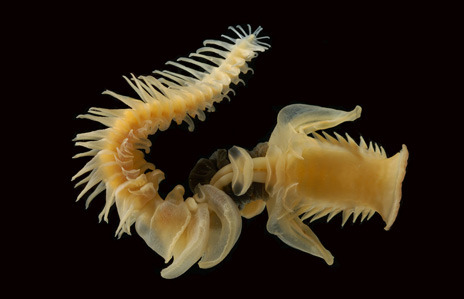
Chaetopterus

Chaetopterus

Chaetopterus: The Parchment Worm – Morphology, Classification, Habitat, and Ecological Role Chaetopterus, commonly known as the parchment worm or parchment tube worm, is a genus of marine polychaete annelids renowned for their unique tube-dwelling behavior and distinctive parchment-like tubes they construct in sedimentary marine environments. These worms display remarkable adaptations for filter feeding, burrowing, and

Chaetopterus Read More »

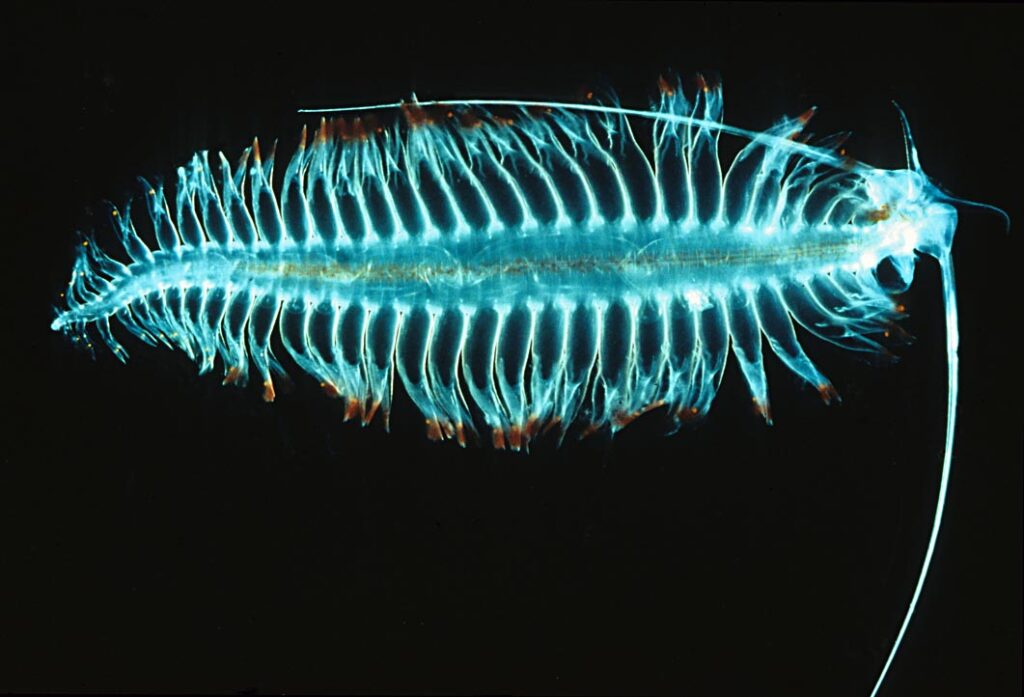
Tomopteris

Tomopteris

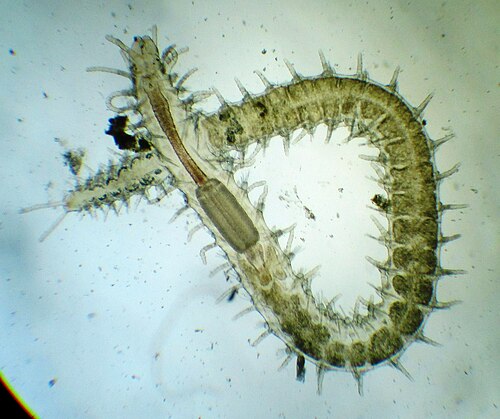
Tomopteris: The Gossamer Worm – Morphology, Classification, Habitat, and Ecological Insights Tomopteris, commonly referred to as the gossamer worm, is a fascinating genus of marine planktonic polychaete worms belonging to the family Tomopteridae. Ever since its scientific naming, meaning “a cut wing” or “fin” in Greek, Tomopteris has drawn considerable interest due to its unique

Tomopteris Read More »

Aphrodite (Sea Mouse)

Aphrodite (Sea Mouse)

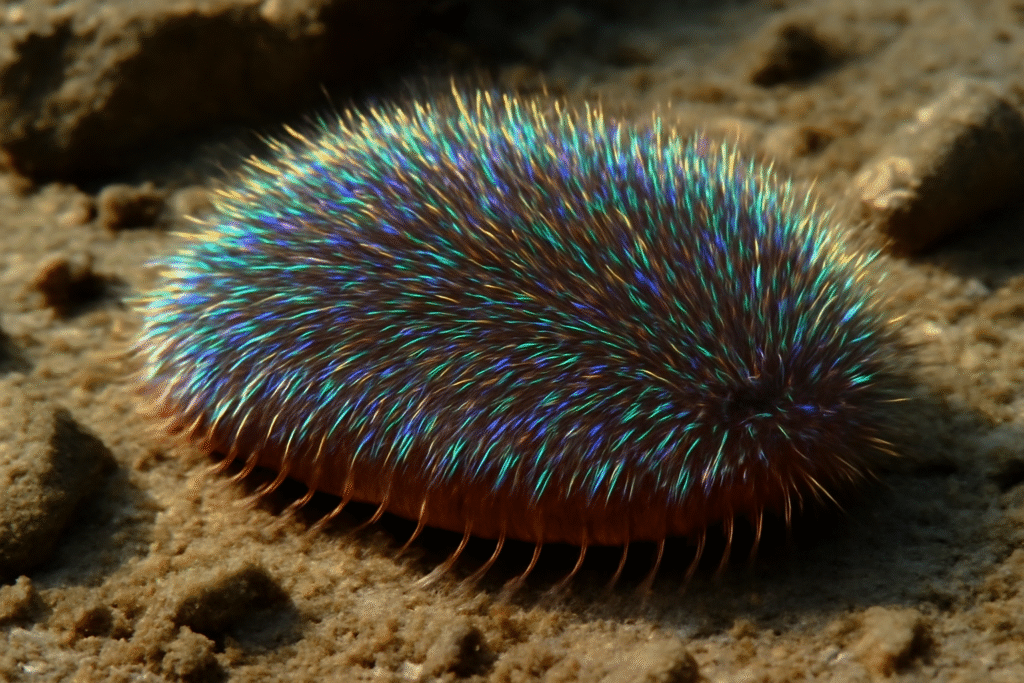
Aphrodite: The Sea Mouse – Morphology, Classification, Habitat, and Ecological Significance Aphrodite, commonly known as the “sea mouse,” is a genus of marine polychaete worms belonging to the family Aphroditidae. These fascinating annelids are named after the Greek goddess of love because of their delicate, iridescent appearance reminiscent of fine fur or the softness associated

Aphrodite (Sea Mouse) Read More »

Glycera (Bloodworm)

Glycera (Bloodworm)

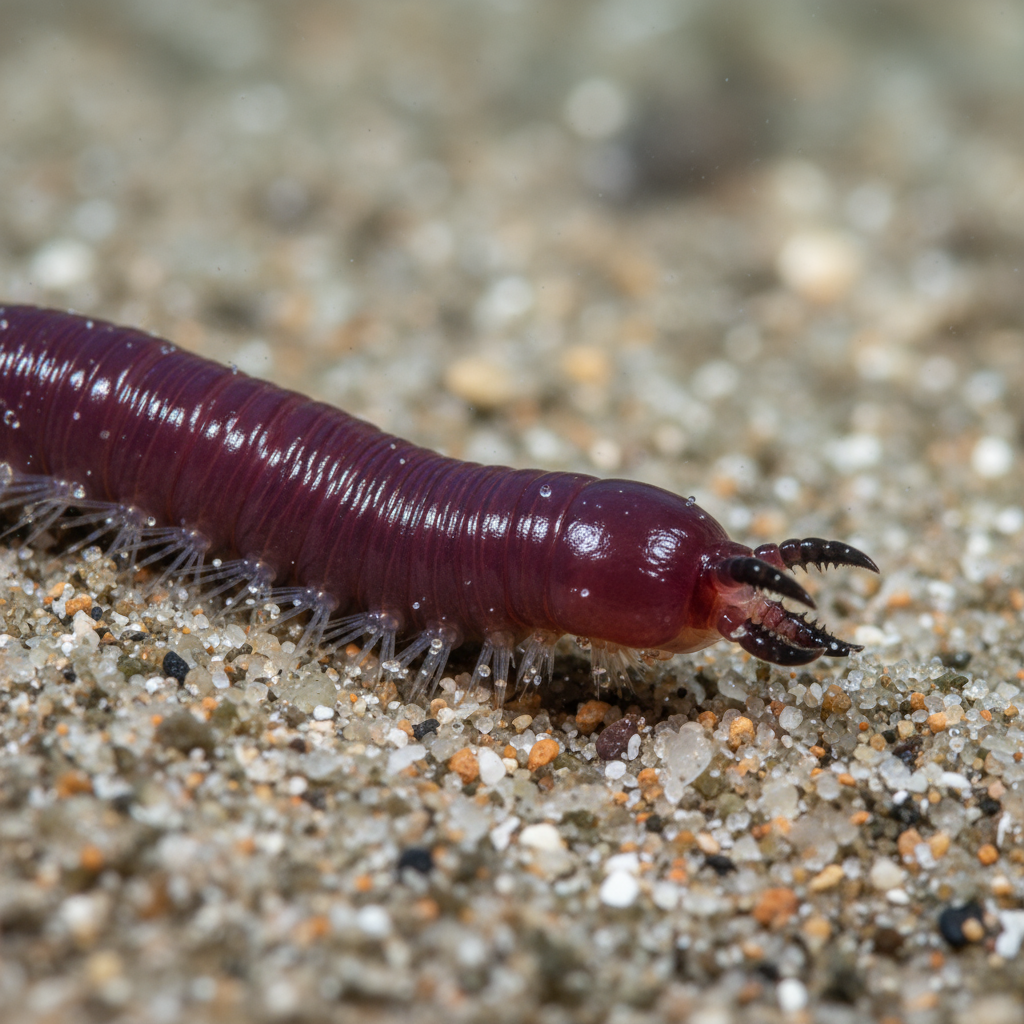
Glycera: Morphology, Classification, Habitat, Behavior, and Ecological Role of the Bloodworm Glycera is a genus of polychaete annelids commonly known as bloodworms due to their reddish color derived from hemoglobin-rich blood. These marine worms are notable for their carnivorous predatory habits, venomous jaws, and ecological significance in benthic marine ecosystems. Glycera species typically inhabit the

Glycera (Bloodworm) Read More »

Syllis

Syllis

Syllis: Biology, Classification, Habitat, Morphology, and Reproductive Features of the Polychaete Worm Syllis is a genus of marine polychaete worms belonging to the family Syllidae. These worms are small to medium-sized segmented annelids, widely distributed in marine environments from intertidal zones to deeper waters. Syllis species are known for their diverse morphological adaptations, complex reproductive

Syllis Read More »

Eunice

Eunice

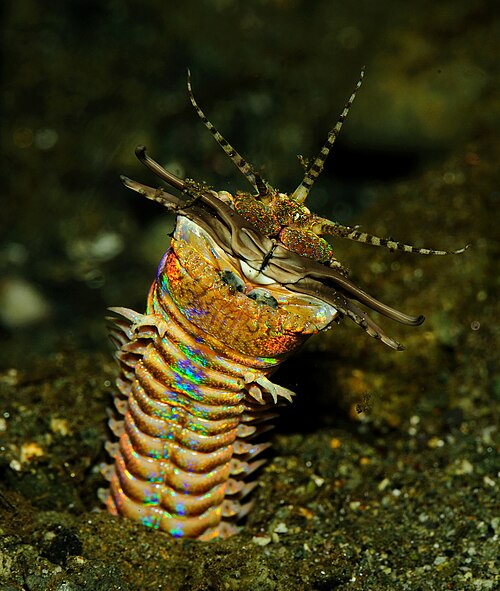
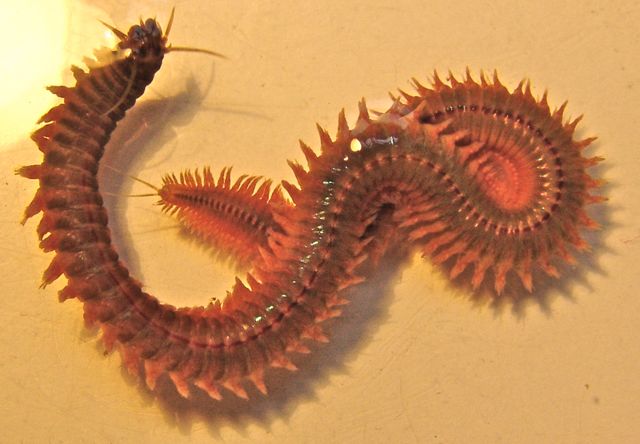
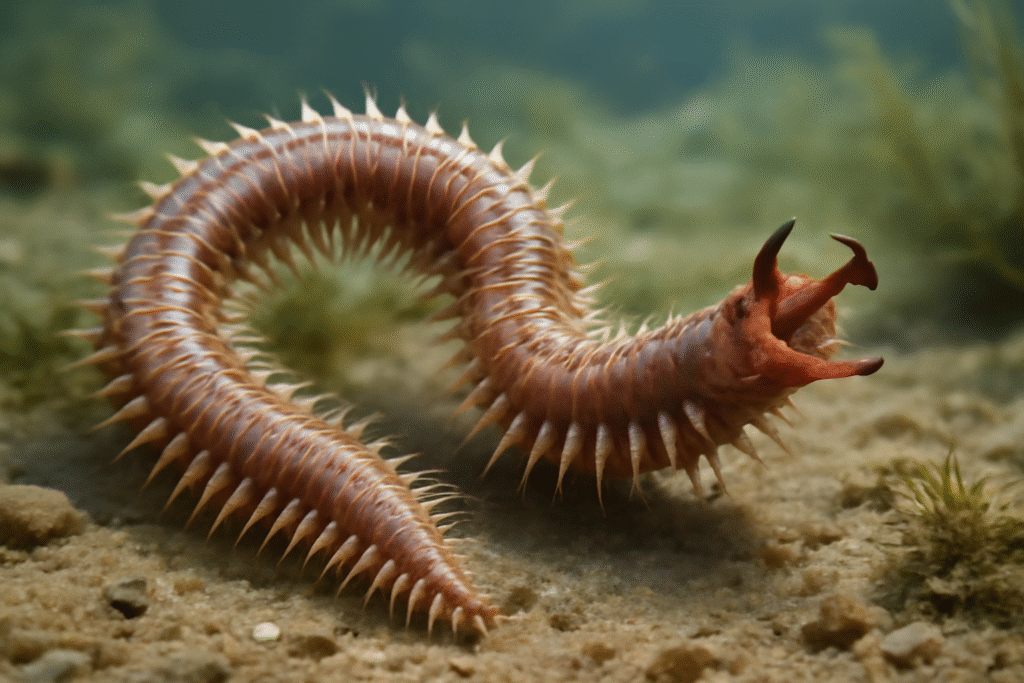
Eunice: Morphology, Classification, Habitat, Life Cycle, and Ecological Significance of the Marine Polychaete Worm Eunice is a genus of marine polychaete worms belonging to the family Eunicidae. These worms are renowned for their often large size, vigorous predatory behavior, and remarkable morphological features that have earned them nicknames such as the Bobbit worm. Species of

Eunice Read More »

Polynoe

Polynoe

Polynoe: Biology, Classification, Habitat, Anatomy, and Ecological Significance of the Marine Scale Worm Polynoe is a genus of polychaete worms belonging to the family Polynoidae, often collectively known as scale worms due to their distinctive dorsal scales called elytra. These marine annelids inhabit a wide range of oceanic environments from shallow intertidal zones to deep-sea

Polynoe Read More »

Heteronereis

Heteronereis

Heteronereis: The Sexual Phase of Nereis – Morphology, Life Cycle, Habitat, and Reproductive Adaptations Introduction Heteronereis represents a distinctive sexual form or epitokous phase in certain polychaete worms, particularly those within the genus Nereis (family Nereididae). Unlike the usual benthic crawling larvae or adults, Heteronereis are free-swimming mature worms specialized for reproduction. This transformation involves

Heteronereis Read More »

Nereis

Nereis

Nereis: Biology, Classification, Habitat, and Life Cycle of the Marine Polychaete Worm Introduction Nereis, commonly known as ragworms or clam worms, is a genus of marine polychaete worms belonging to the family Nereididae. These worms are one of the most widespread and abundant annelids found in marine environments, particularly in sandy and muddy coastal areas.

Nereis Read More »