
Talpa is a genus of Eurasian moles in the family Talpaidae, which includes about 13 to 14 species, including the common European mole (Talpa europaea). Known as subterranean insectivores, they are characterized by their velvety fur, burrowing claws, and the formation of earthen mounds. Although they help control insects in the soil, they are considered agricultural pests.
Classification of Talpa (Mole)
- Phylum :- Chordata (Dorsal tubular nerve cord, notochord and gill-slits present.)
- Group :- Craniata (Definite head, Cranium with brain present.)
- Sub phylum :- Vertebrata (Vertebral column present.)
- Division :- Gnathostomata (Jaws and paired appendages present.)
- Super Class :- Tetrapoda (Paired limbs, lungs, cornified skin and bony skeleton.)
- Class :- Mammalia (Body covered with hairs. Females have mammary glands.)
- Sub Class :- Theria (Viviparous mammals.)
- Infra Class :- Eutheria (Placental mammals. Vagina single.)
- Order :- Insectivora (Feed on insects.)
- Genus :- Talpa (Mole)

Geographical distribution
Talpa is found in India (Assam) and the western Himalayas. Cretaceous to Recent.
Habit and habitat
- It is adapted for subterranean burrowing and lives in tunnels. It feeds on small worms, insects and sprouted seeds. It runs deeper into tunnels
General Characteristics of Talpa (Mole)
- Commonly called as mole.
- Pigmentation is uniformly velvet-black, with a silver-grey glossy texture.
- Body measuring 15 cm in length, divided into head, short neck, trunk or back and abdomen.
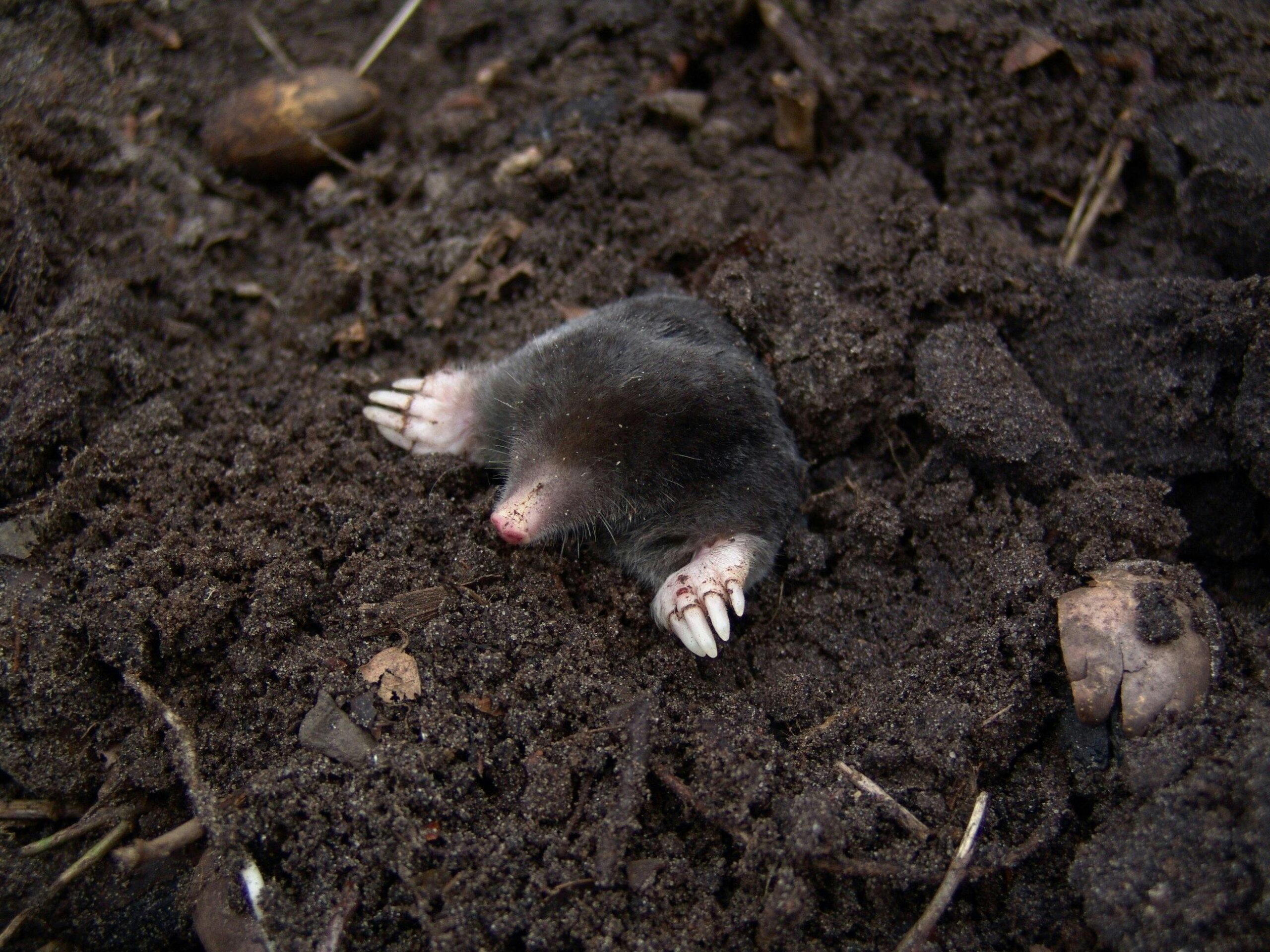
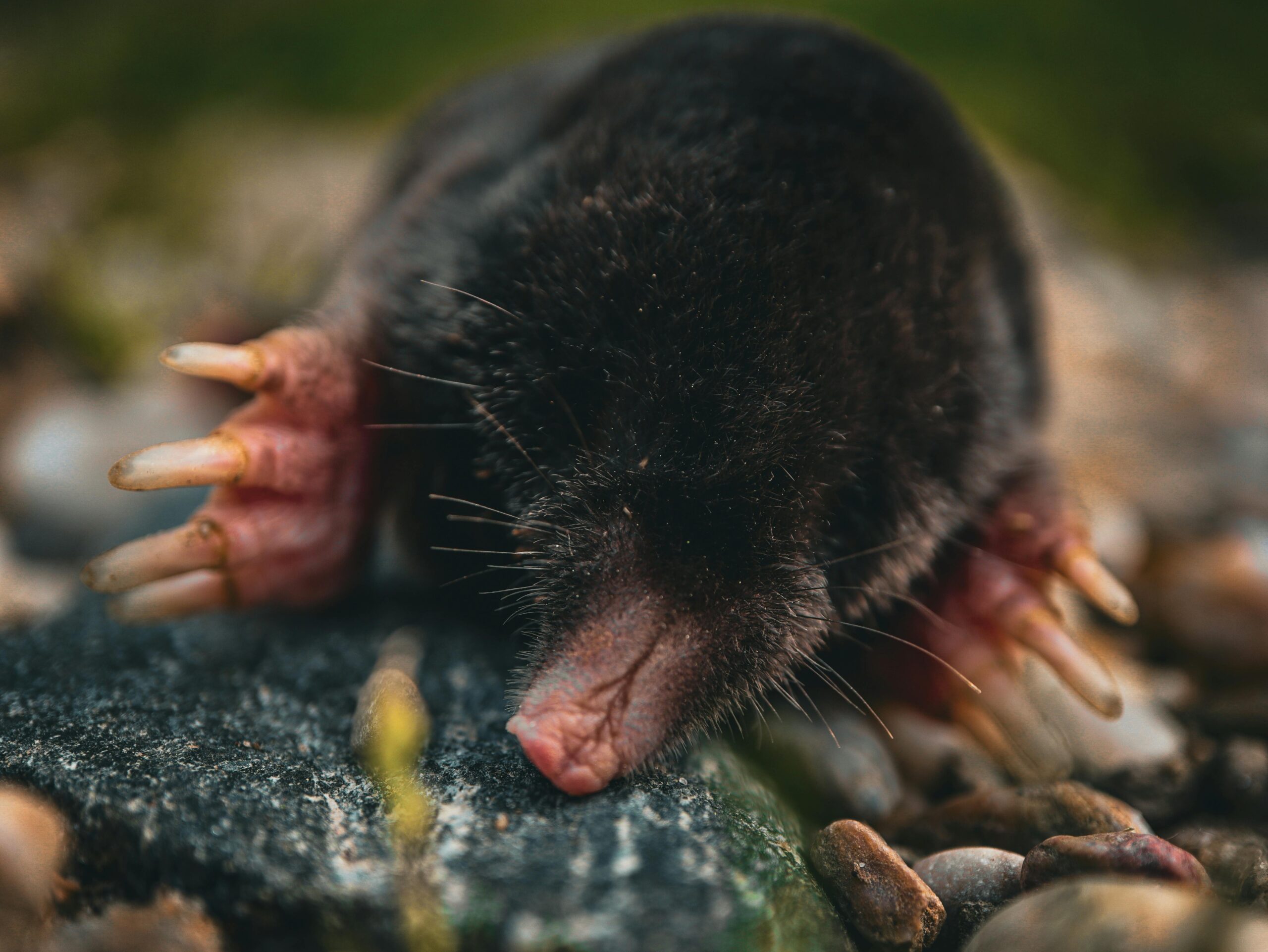
- Head wedge-shaped. Snout elongated having prenasal bone. Snout contains bristles or vibrisae at the tip.
- Eyes are very much reduced and covered with skin. External ears (pinnae) absent.
- Tail is short, sensory and without hair. Tail and feet are fleshy white.
- Hind limb large and broad containing 5 digits, each having broad nail, used for digging.
- Forelimb usually with 5 clawed-toes; inner toes not opposable.
- No marsupial pouch. Single vagina. Foetus develops within the body of female attached by a placenta to wall of uterus.
Special Features of Talpa
- It represents a primitive Eutherian having small cranial cavity, low grade brain (smooth cerebral hemispheres), inguinal testes, discoidal and deciduate placenta with provision for yolk sac placenta.
Identification
- Since this mammal has elongated snout, wedge-shaped head and above features, hence it is Talpa.
Discover more from Zoologyverse
Subscribe to get the latest posts sent to your email.