Arthropoda

Sacculina

Sacculina

Sacculina: Morphology, Parasitism, and Ecological Impact of the Parasitic Barnacle Sacculina is a genus of parasitic barnacles belonging to the infraclass Rhizocephala. Unlike typical barnacles that live attached to hard substrates, Sacculina species are parasitic castrators of crabs. Their adult form bears little resemblance to conventional barnacles; instead, they exhibit a unique morphology adapted for […]

Sacculina Read More »

Lepas

Lepas

Lepas: Morphology, Classification, Habitat, and Life History of the Goose Barnacle Lepas is a cosmopolitan genus of stalked barnacles commonly called “goose barnacles,” belonging to the family Lepadidae. These pelagic cirripedes are known for their flexible, stalk-like peduncle and smooth, calcareous plates that surround the body, called the capitulum. Members of Lepas are easily recognized

Lepas Read More »

Apus

Apus

Apus: Morphology, Classification, Habitat, and Life History of the Tadpole Shrimp Apus is a genus of freshwater crustaceans commonly known as tadpole shrimps, belonging to the order Notostraca within the class Branchiopoda. Distinguished by their shield-like carapace and elongated bodies, tadpole shrimps are ancient crustaceans often considered living fossils, showing little change since the Triassic

Apus Read More »

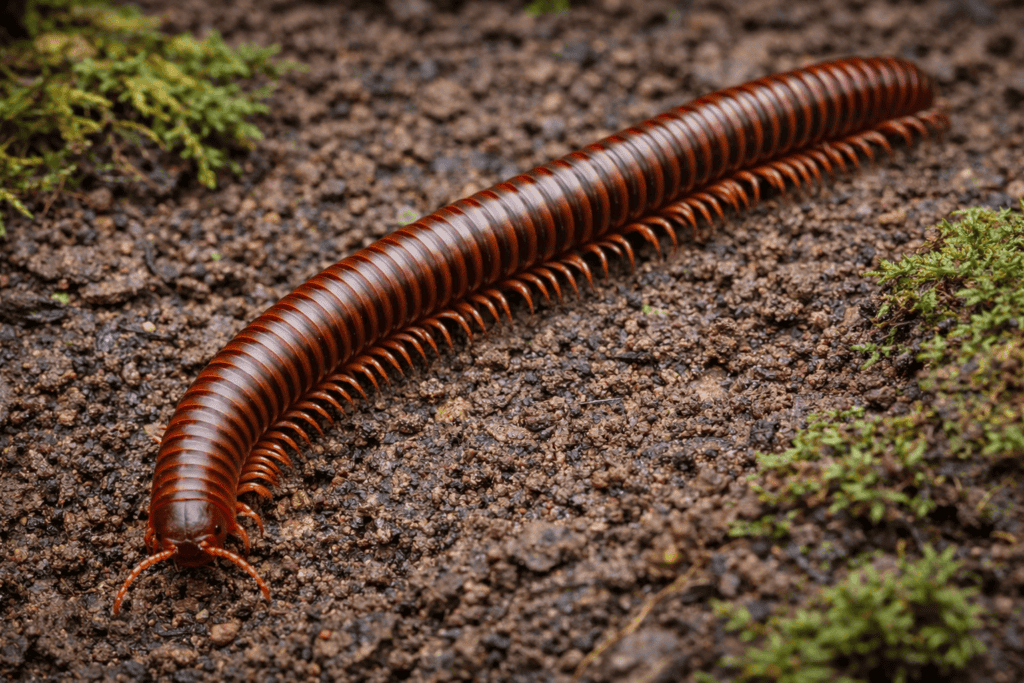
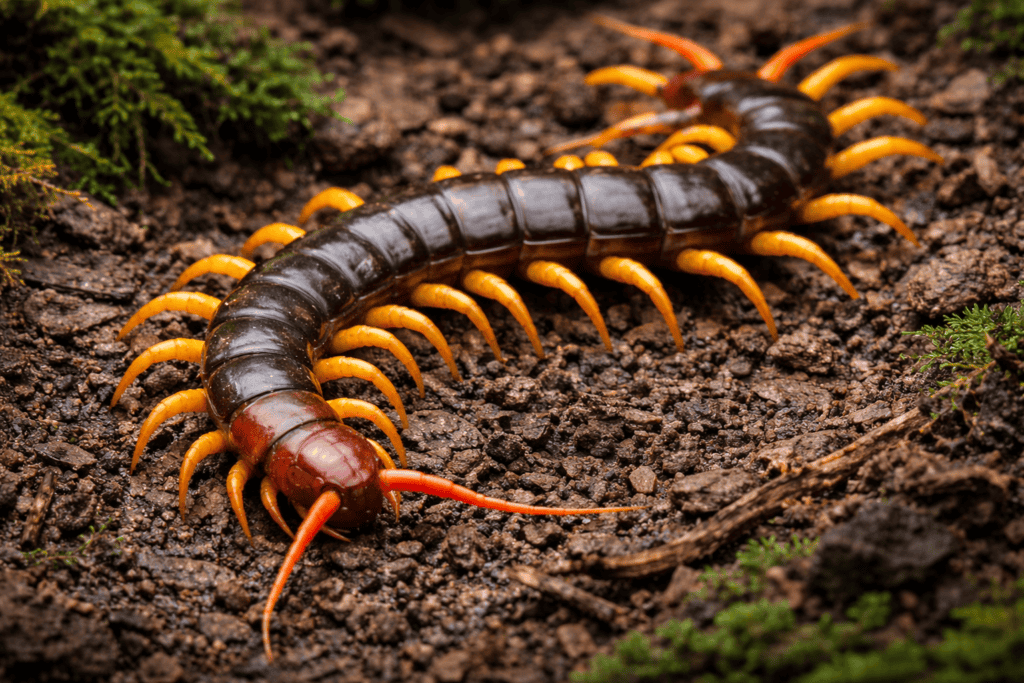
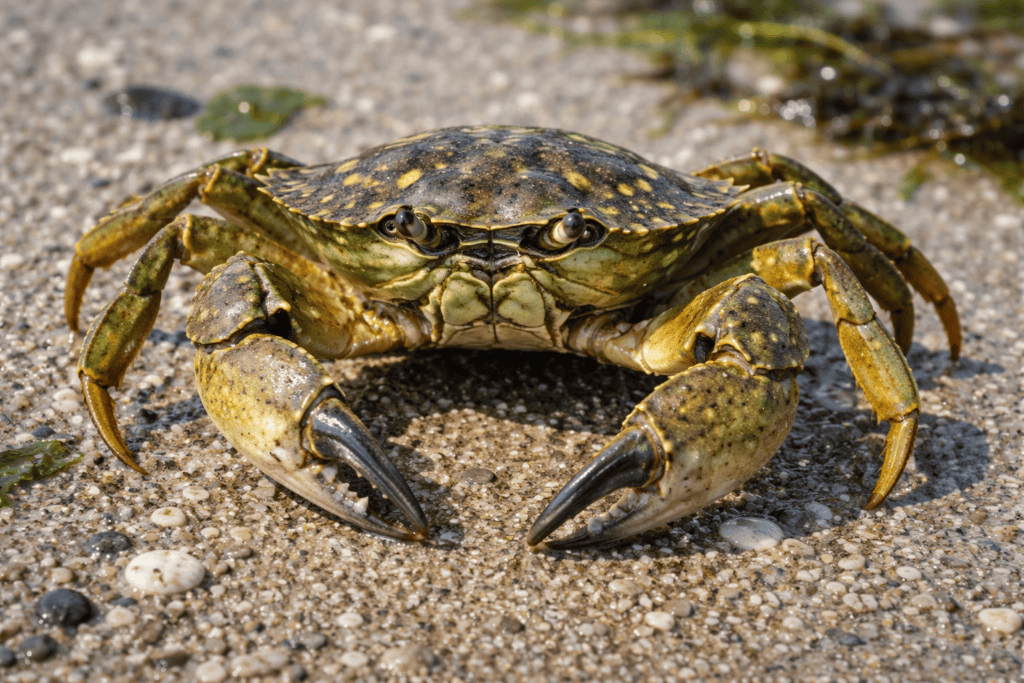
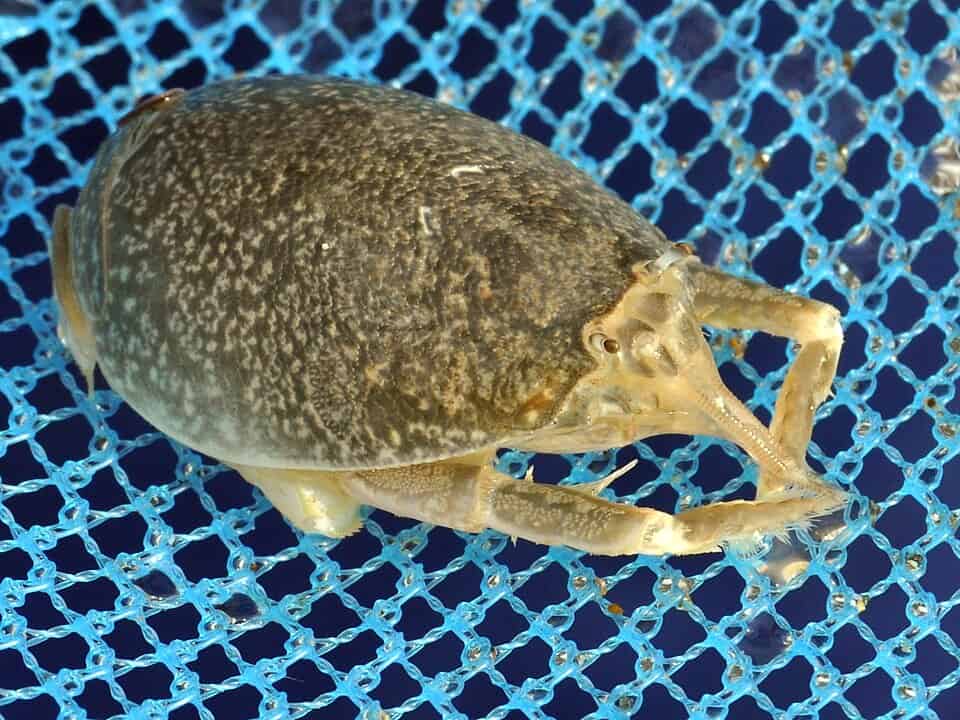
PHYLUM ARTHROPODA

PHYLUM ARTHROPODA

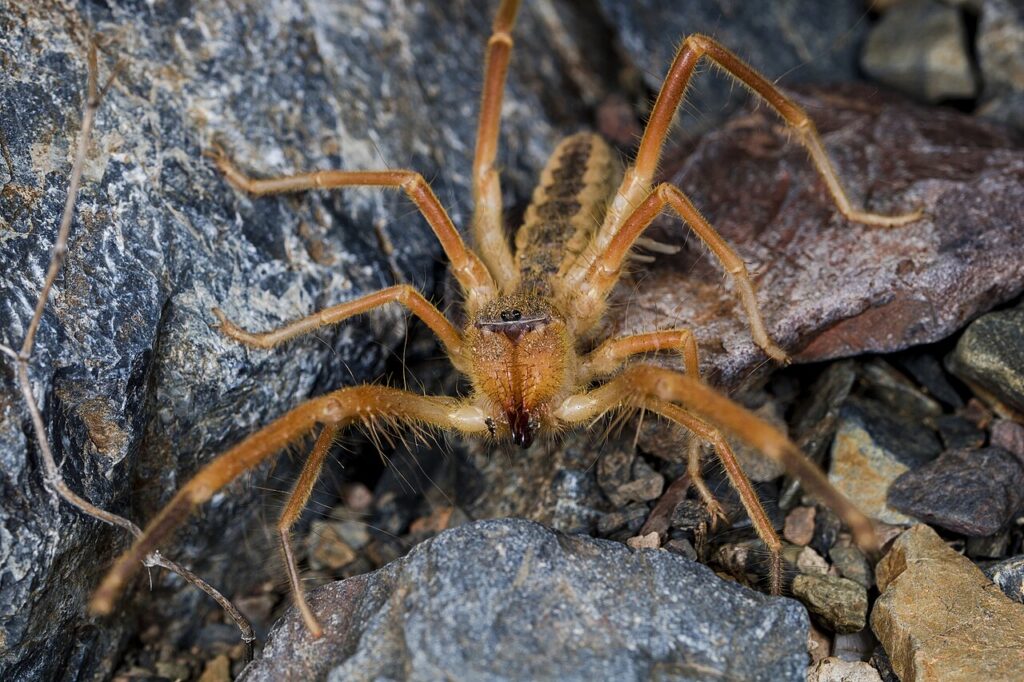
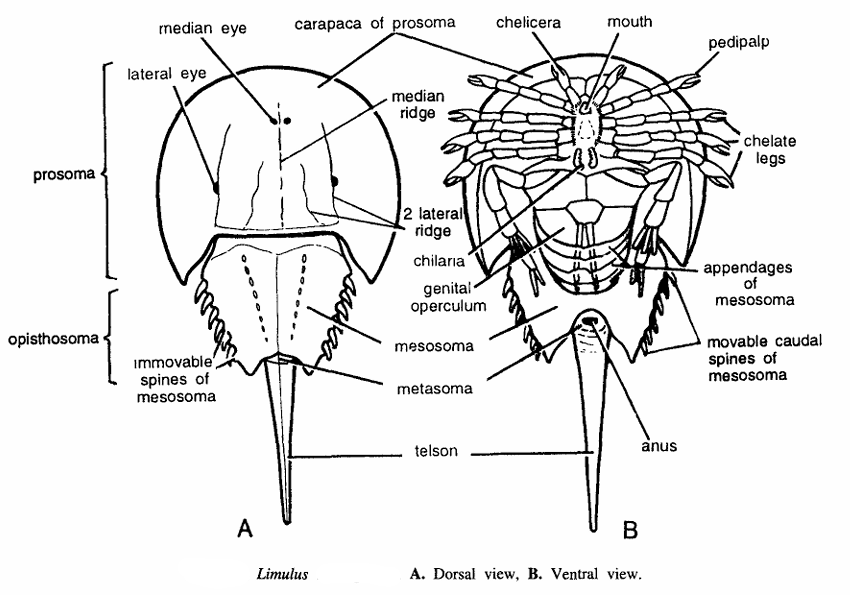
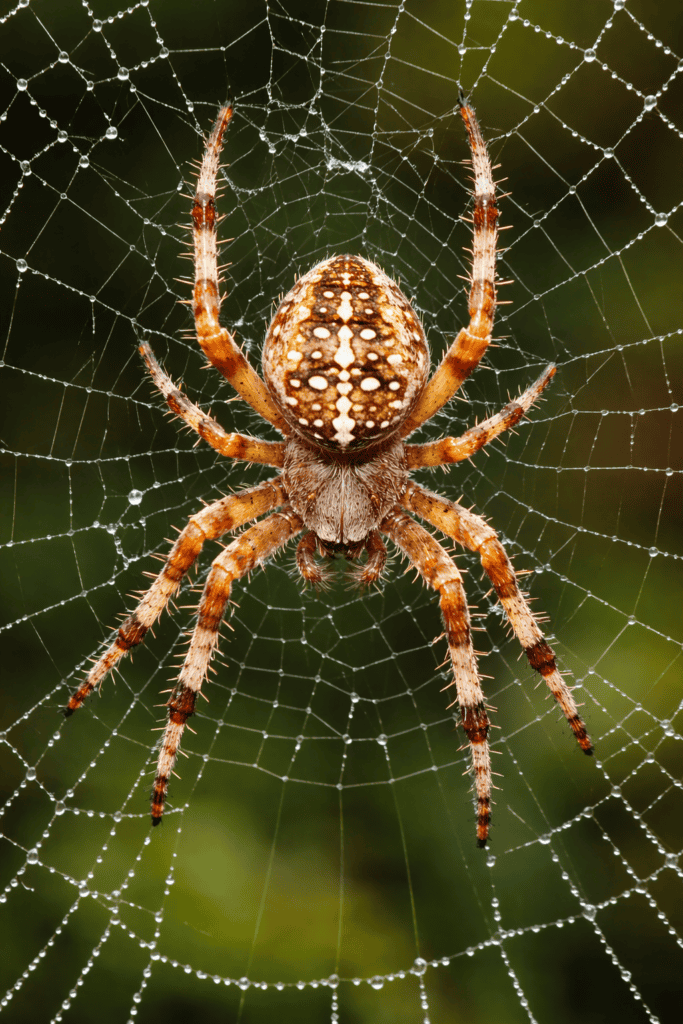
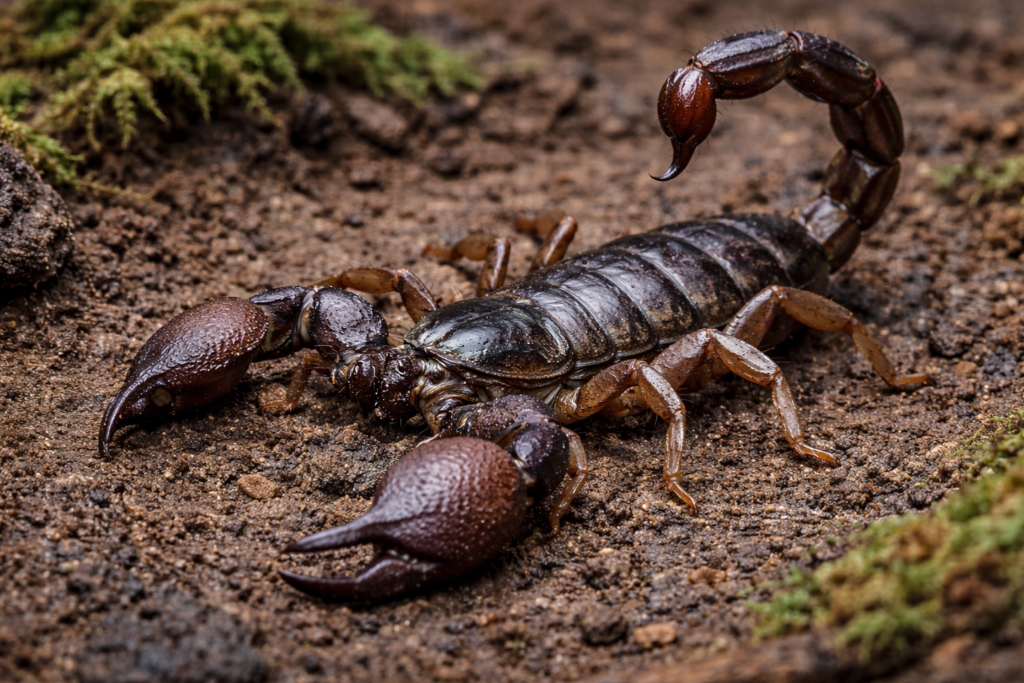
Phylum Arthropoda: Characteristics, Classification, and Significance Phylum Arthropoda is the largest and most diverse phylum in the animal kingdom, accounting for over 80% of all known animal species. From the tiny insects buzzing in our gardens to the majestic crustaceans dwelling in oceans, arthropods are found in almost every habitat on Earth. What is Phylum

PHYLUM ARTHROPODA Read More »