Arthropoda

Sacculina

Sacculina

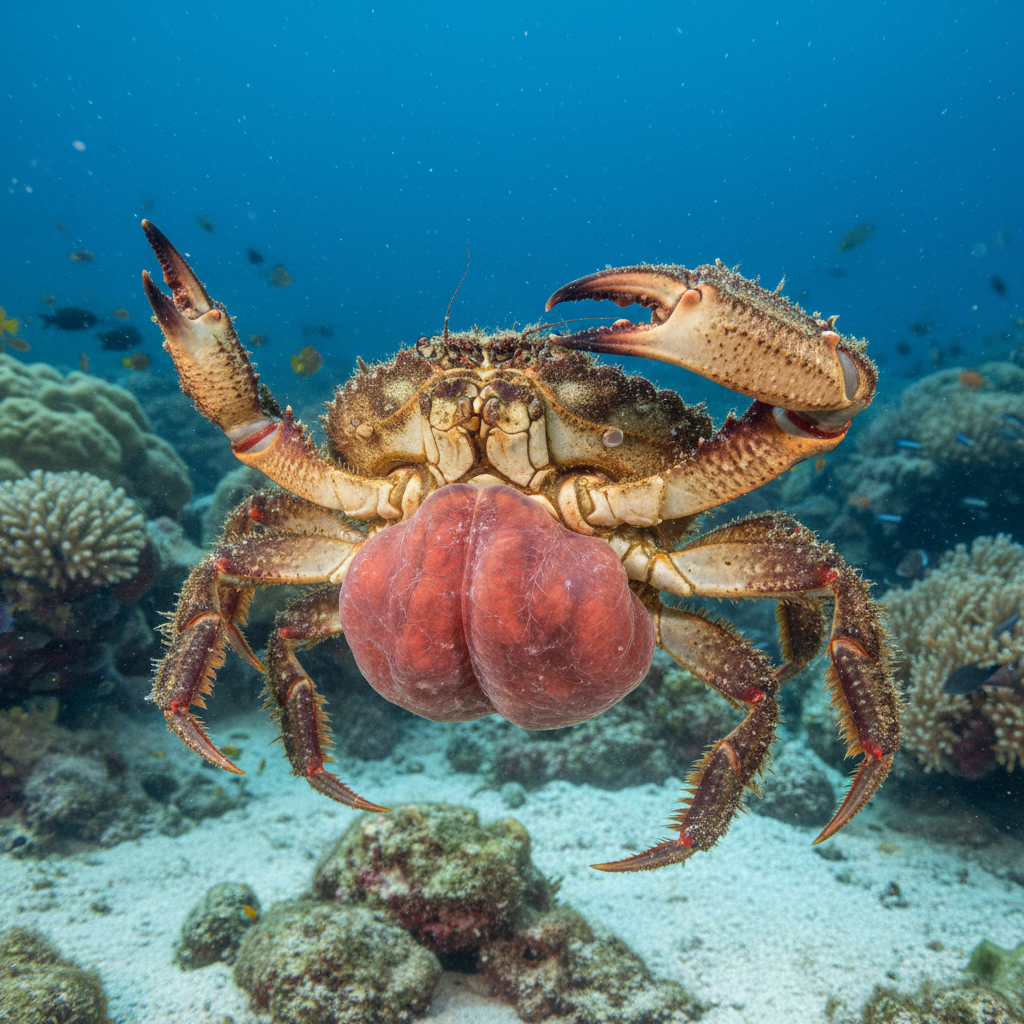
Sacculina: Morphology, Parasitism, and Ecological Impact of the Parasitic Barnacle Sacculina is a genus of parasitic barnacles belonging to the infraclass Rhizocephala. Unlike typical barnacles that live attached to hard substrates, Sacculina species are parasitic castrators of crabs. Their adult form bears little resemblance to conventional barnacles; instead, they exhibit a unique morphology adapted for
Sacculina Read More »

Lepas

Lepas

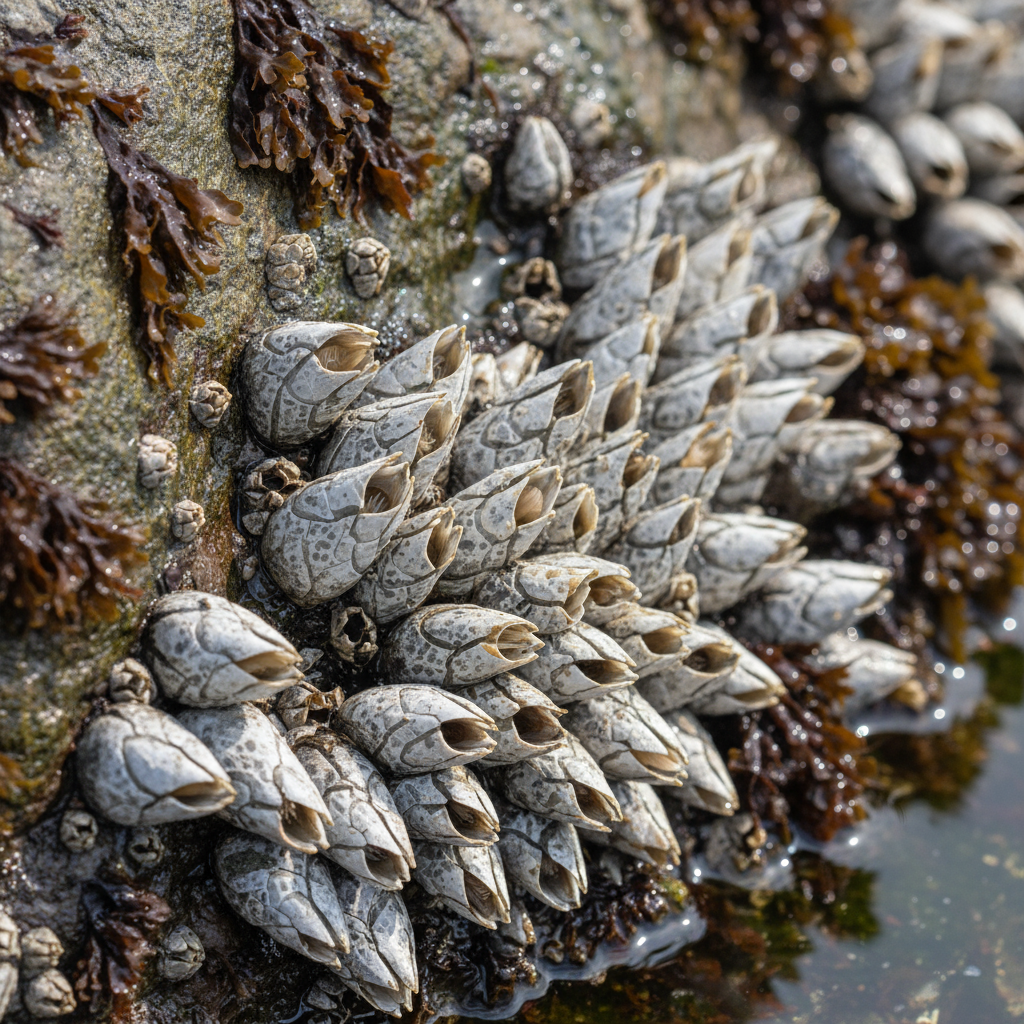
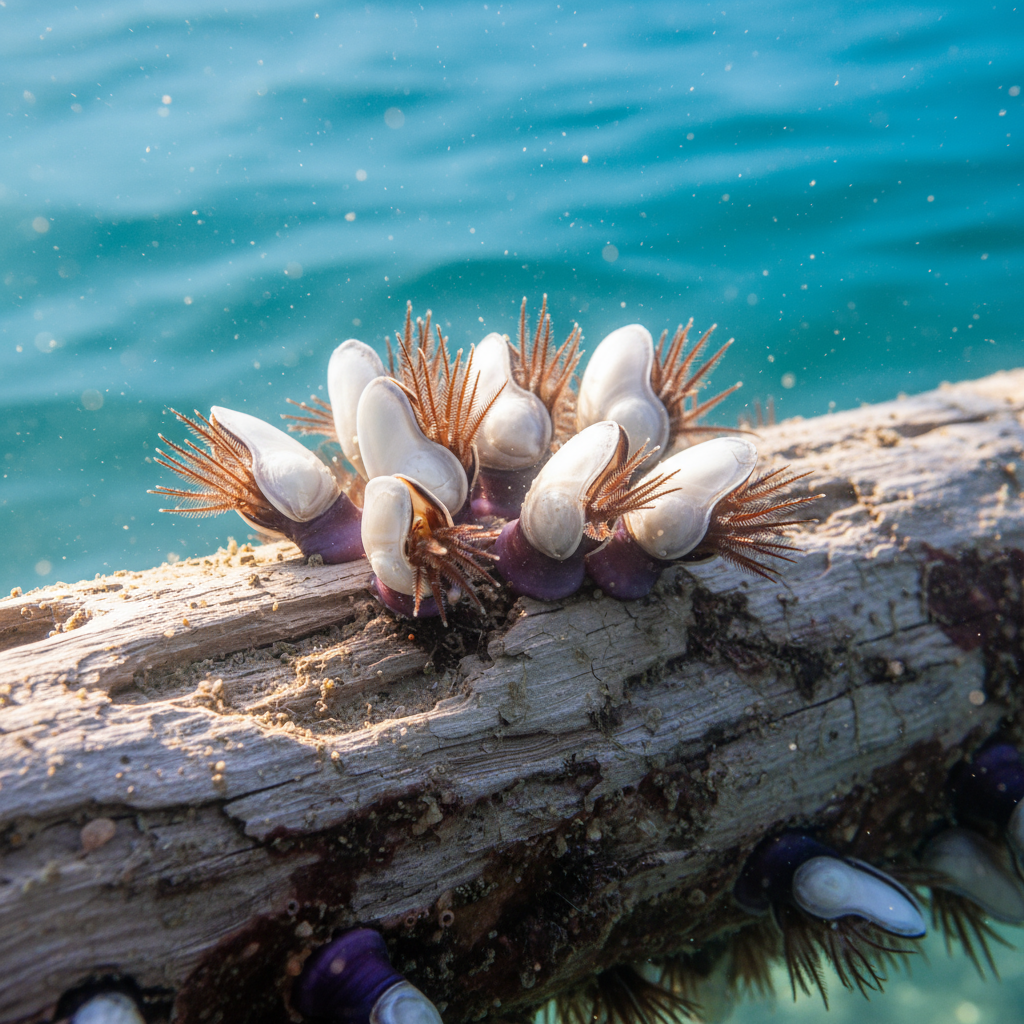
Lepas: Morphology, Classification, Habitat, and Life History of the Goose Barnacle Lepas is a cosmopolitan genus of stalked barnacles commonly called “goose barnacles,” belonging to the family Lepadidae. These pelagic cirripedes are known for their flexible, stalk-like peduncle and smooth, calcareous plates that surround the body, called the capitulum. Members of Lepas are easily recognized

Lepas Read More »

Apus

Apus

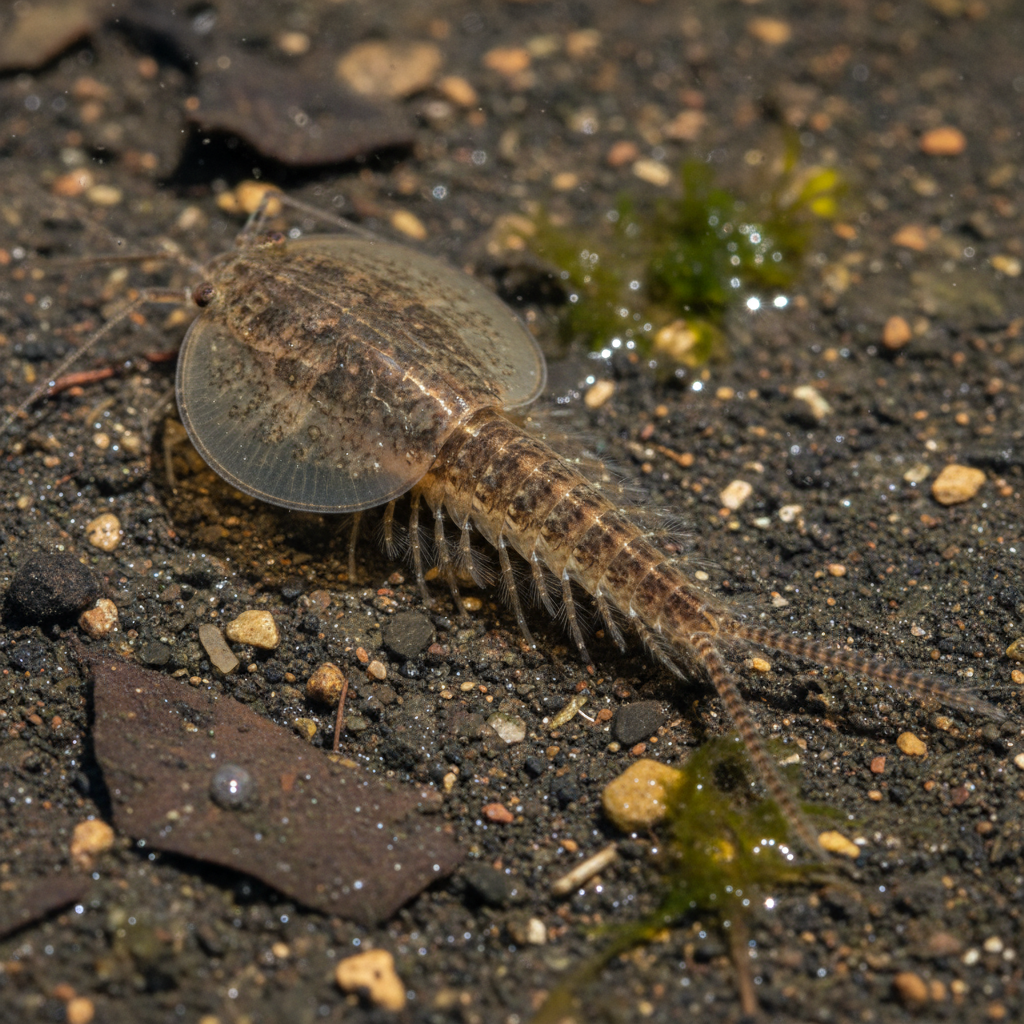
Apus: Morphology, Classification, Habitat, and Life History of the Tadpole Shrimp Apus is a genus of freshwater crustaceans commonly known as tadpole shrimps, belonging to the order Notostraca within the class Branchiopoda. Distinguished by their shield-like carapace and elongated bodies, tadpole shrimps are ancient crustaceans often considered living fossils, showing little change since the Triassic

Apus Read More »

PHYLUM ARTHROPODA

PHYLUM ARTHROPODA

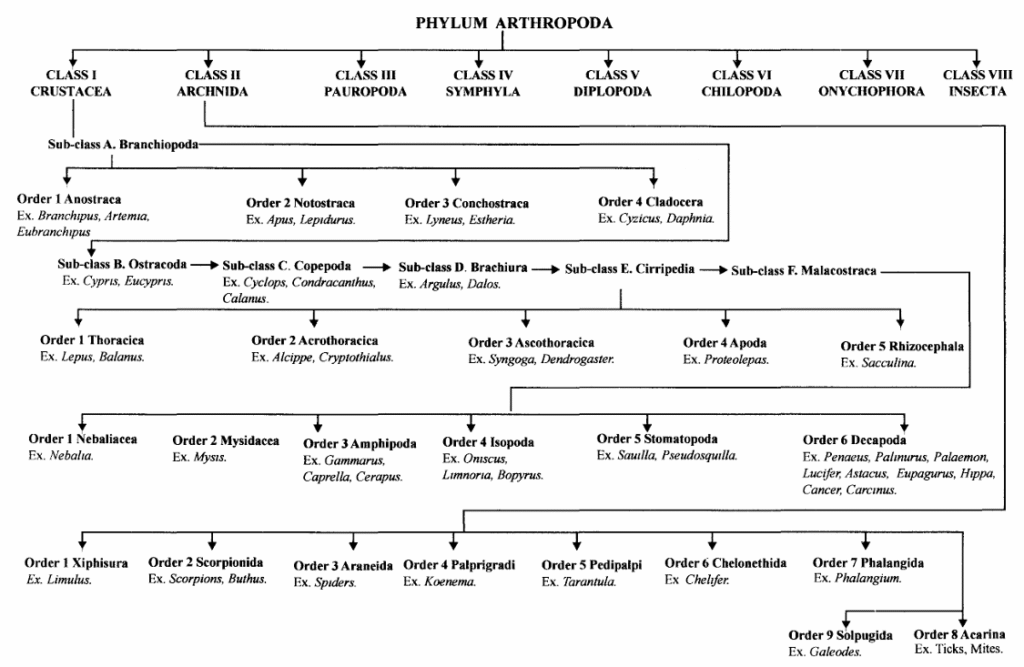
Phylum Arthropoda: Characteristics, Classification, and Significance Phylum Arthropoda is the largest and most diverse phylum in the animal kingdom, accounting for over 80% of all known animal species. From the tiny insects buzzing in our gardens to the majestic crustaceans dwelling in oceans, arthropods are found in almost every habitat on Earth. What is Phylum

PHYLUM ARTHROPODA Read More »

Newly Identified Scorpion Species That Spits Venom to Defend Itself: A Revolutionary Discovery in Arachnid Defense Mechanisms

Scorpion Species That Spits Venom to Defend Itself

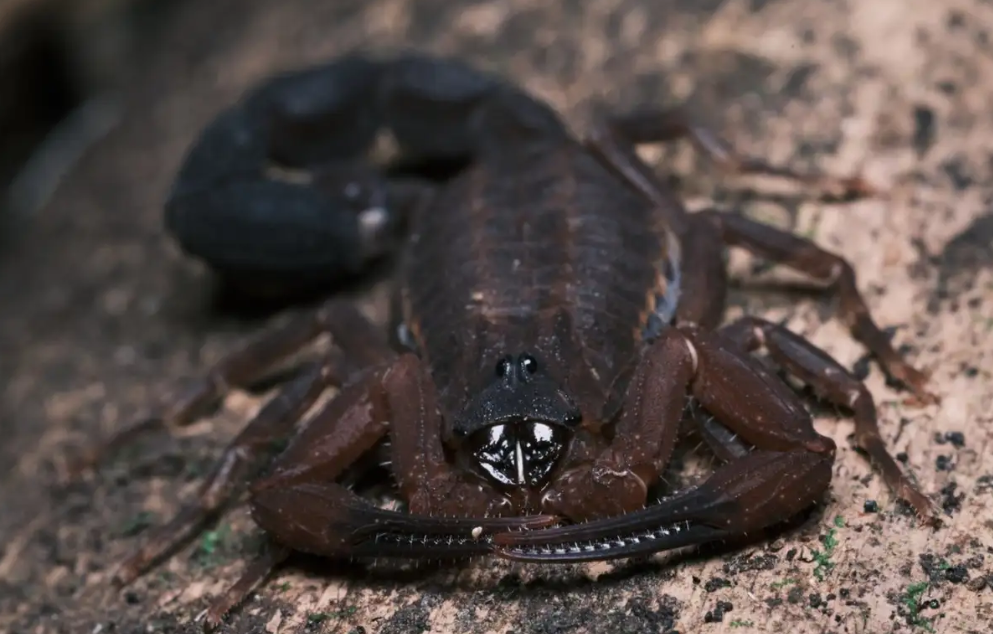
Introduction In a groundbreaking scientific discovery, researchers have Newly Identified Scorpion Species in Colombia that exhibits a unique defensive behavior: it spits venom to deter predators. Named Tityus achilles, this scorpion species is the first of its kind documented in South America capable of venom projection—a defense previously known only in select African and North

Scorpion Species That Spits Venom to Defend Itself Read More »

Iberian Harvester Ant Queens Produce Two Genetically Distinct Male Lineages: A Groundbreaking Evolutionary Discovery (2025)

Iberian Harvester Ant

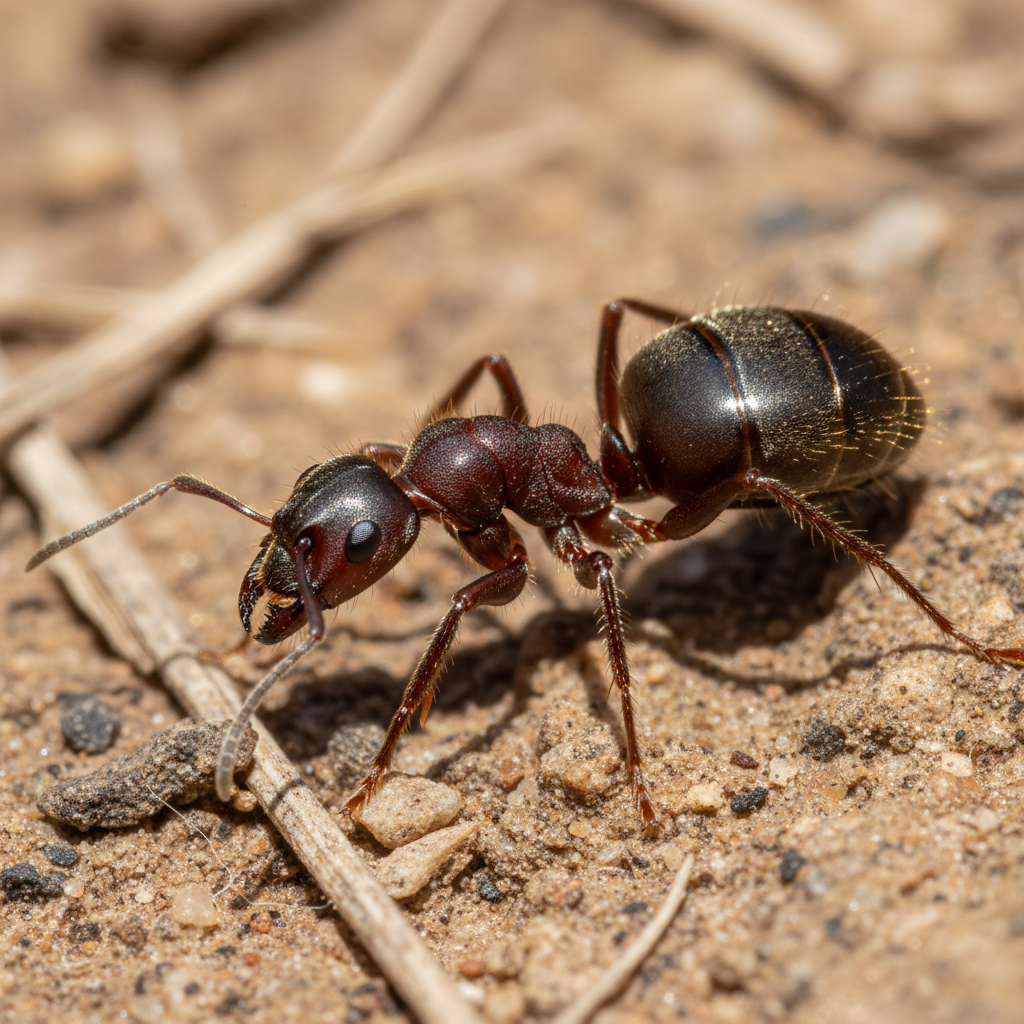
The Remarkable Reproductive Strategy of the Iberian Harvester Ant: Sons of Two Species Iberian Harvester Ant possess some of the most intricate social structures in the animal kingdom, often hailed for their teamwork, division of labor, and cooperative living. But beyond their well-known social traits lies a secret world of genetic innovation and mystery. The

Iberian Harvester Ant Read More »

Unknown Parasitic Wasp Species Spreading Across the U.S.

Unknown Parasitic Wasp Species Spreading Across the U.S.

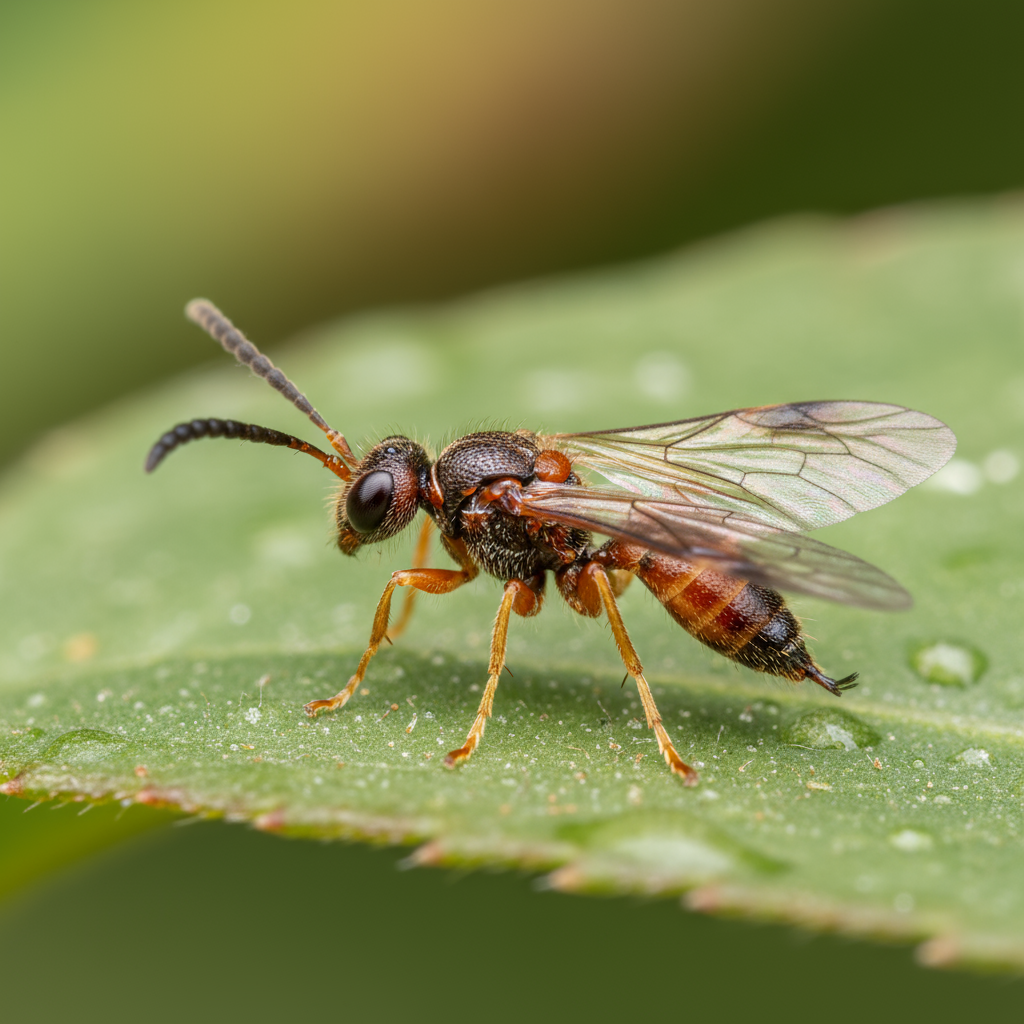
New Discovery: Unknown Parasitic Wasp Species Spreading Across the U.S. Recent scientific research has uncovered two previously unknown species of parasitic wasp living in the United States, a discovery that sheds light on the rich biodiversity hiding right in our backyards. These tiny insects, part of a fascinating community known as parasitoids, parasitize oak gall

Unknown Parasitic Wasp Species Spreading Across the U.S. Read More »

Butterfly | Study of Butterflies

Butterfly | Study of Butterflies

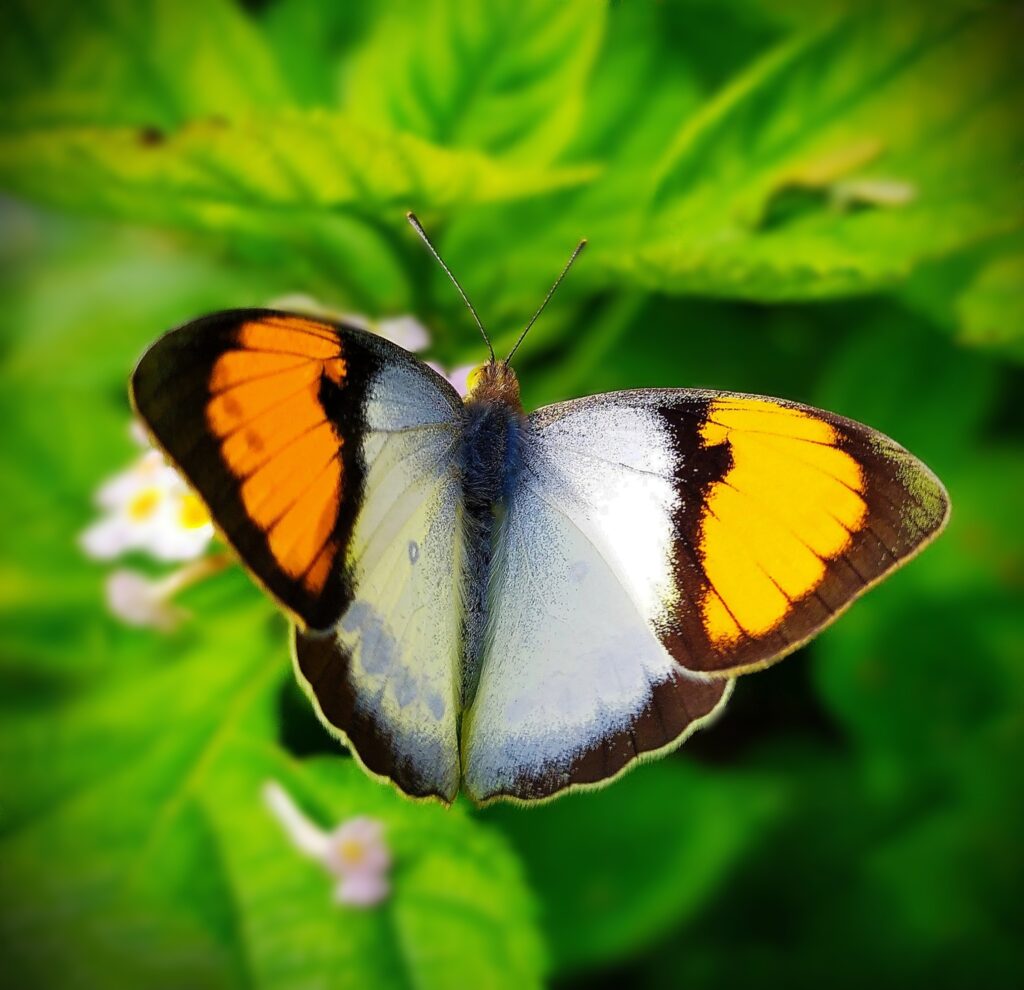
Introduction Butterflies are one of the most diverse and fascinating groups of insects belonging to the order Lepidoptera. They play crucial roles in ecosystems as pollinators, prey species, and bioindicators of environmental health. Their study spans multiple scientific disciplines, including taxonomy, morphology, anatomy, physiology, molecular biology, evolution, and biodiversity. Taxonomically, butterflies are classified under several

Butterfly | Study of Butterflies Read More »