
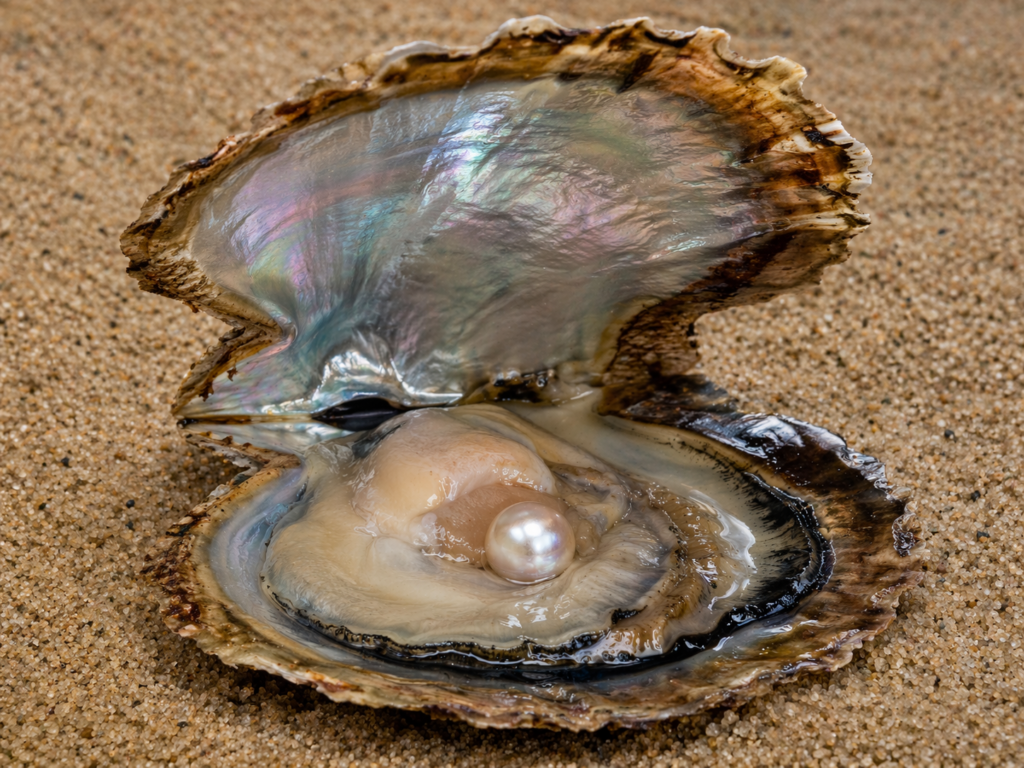
Pinctada vulgaris
Invertebrates Mollusca Specimens ZoologyverseClassification of Ostrea verginiana, O. virginiana is highly valued as food. Oysters are cultivated by men like other animal products industry
Classification of Ostrea verginiana, O. virginiana is highly valued as food. Oysters are cultivated by men like other animal products industry
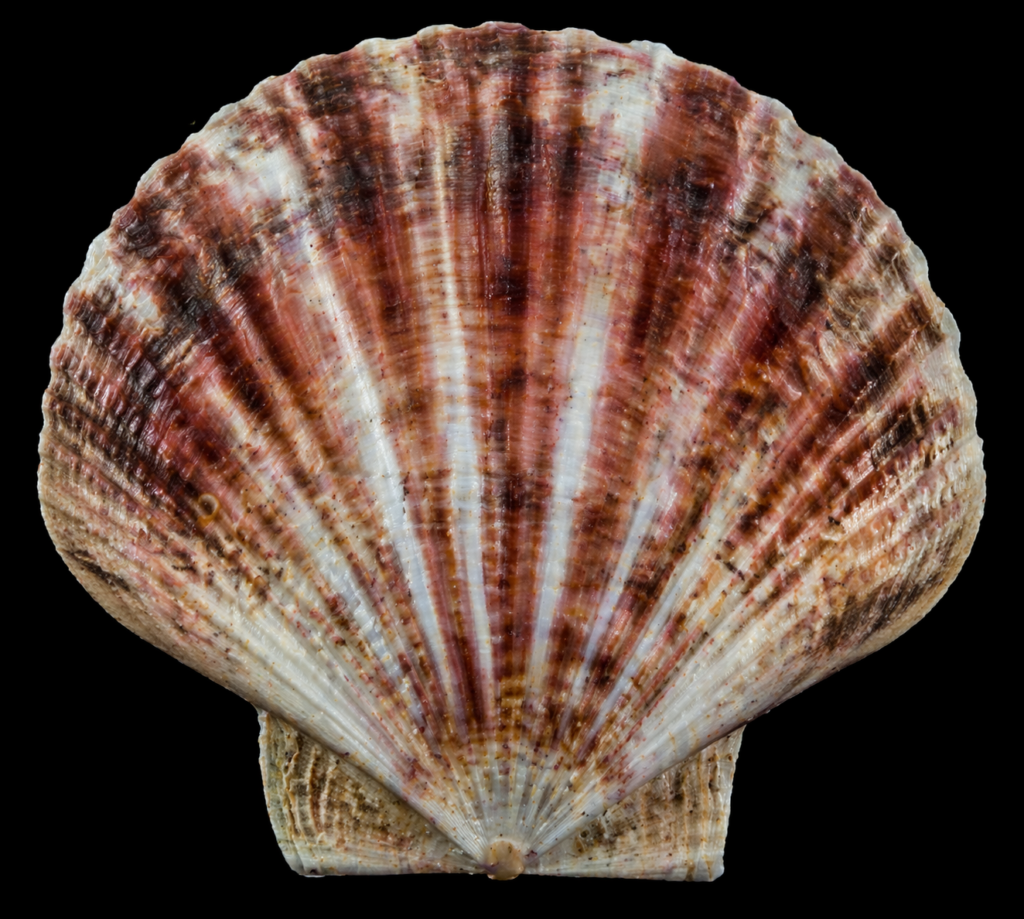
Classification of Ostrea verginiana, O. virginiana is highly valued as food. Oysters are cultivated by men like other animal products industry
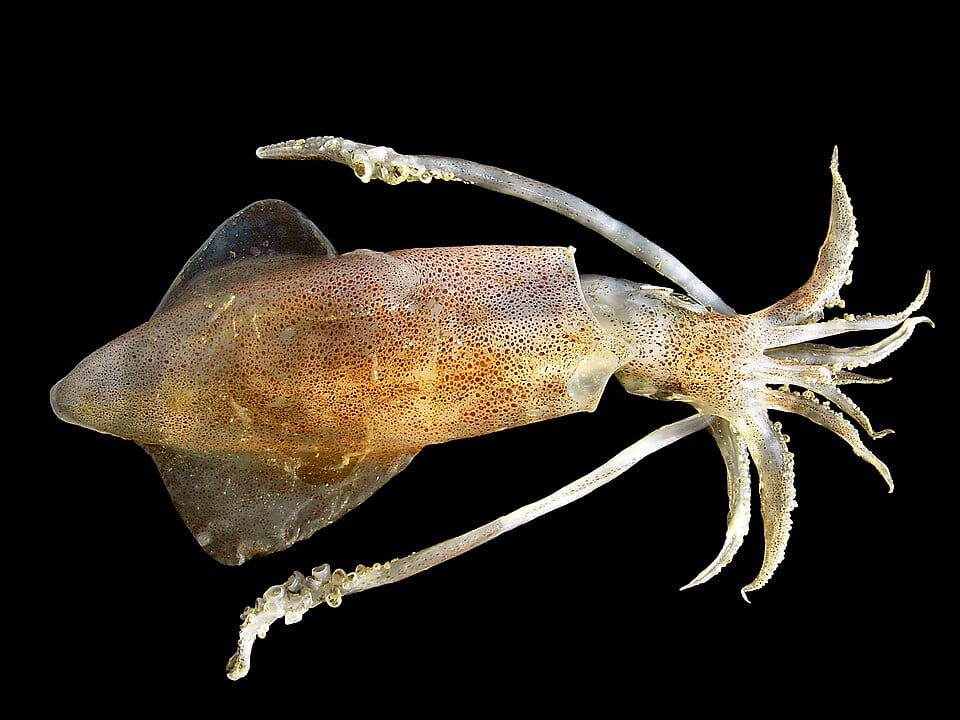
Introduction Loligo is a well-known genus of squid belonging to the family Loliginidae. These squids are admired for their speed,

Introduction Sepia is a remarkable genus of cuttlefish recognized for its advanced camouflage abilities, intelligence, and unique cuttlebone structure. This
Sepia – Characteristics, Habitat, and Importance of the Cuttlefish Read More »
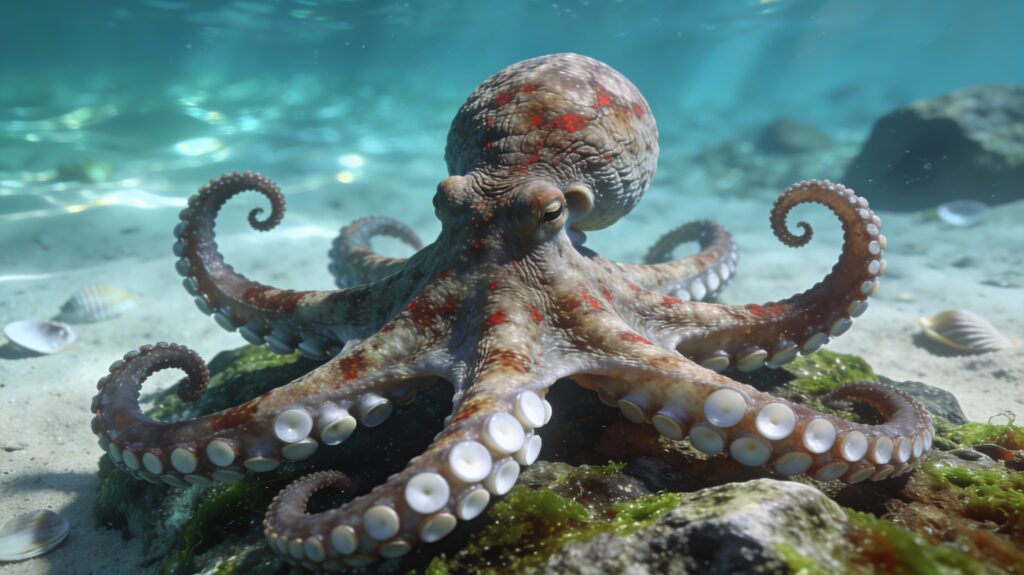
Master of Camouflage and Intelligence The Octopus is perhaps the most famous and highly intelligent member of the class Cephalopoda,
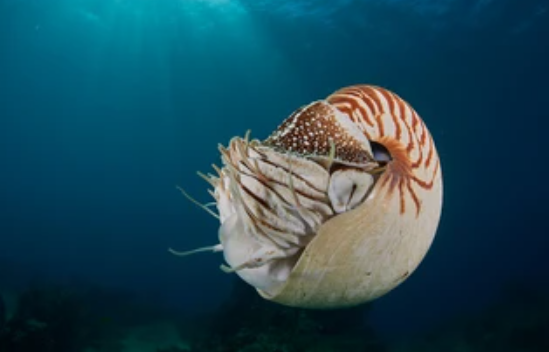
The Nautilus, a majestic marine mollusk, is often revered as a “living fossil” for its remarkable survival through multiple mass

Introduction Argonauta, also known as the paper nautilus, is a fascinating genus of pelagic octopods belonging to the family Argonautidae.

Unio includes medium-sized freshwater mussels belonging to the family Unionidae, commonly known as river mussels. These bivalve mollusks occupy rivers
Unio | Classification, Habitat and Identification Read More »

Mytilus: Classification, Habitat, Anatomy, Ecology, and Identification The genus Mytilus encompasses medium to large saltwater mussels, renowned bivalve mollusks of
Mytilus: Classification, Habitat, Anatomy, Ecology, and Identification Read More »

Limax: Classification, Habitat, Anatomy, Ecology, and Identification Limax is a genus of large, air-breathing terrestrial slugs in the family Limacidae,
Limax: Classification, Habitat, Anatomy, Ecology, and Identification Read More »

Helix: Classification, Habitat, Anatomy, Ecology, and Identification The genus Helix comprises large, air-breathing land snails native to the western Palaearctic

Planorbis: Classification, Ecology, Identification, and Importance Planorbis is a genus of air-breathing freshwater snails in the family Planorbidae, commonly called

Lymnaea: Taxonomy, Ecology, and Identification Lymnaea, is a genus of air-breathing freshwater snails known for their ecological importance in freshwater

Aeolis: Classification, Habitat, Anatomy, Identification, and More Aeolis is a historically recognized genus of marine gastropod mollusks in the family

Doris: Classification, Habitat, Anatomy, Identification, and More Doris is a prominent genus within the dorid nudibranchs, a group of shell-less
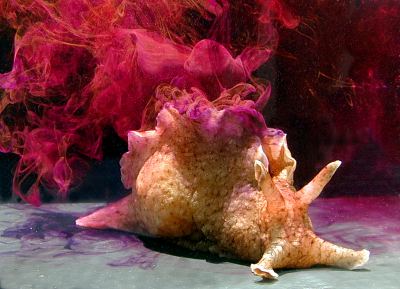
Aplysia: Morphology, Classification, Habitat, and Neurobiological Importance of the Sea Hare Aplysia is a genus of large sea slugs commonly
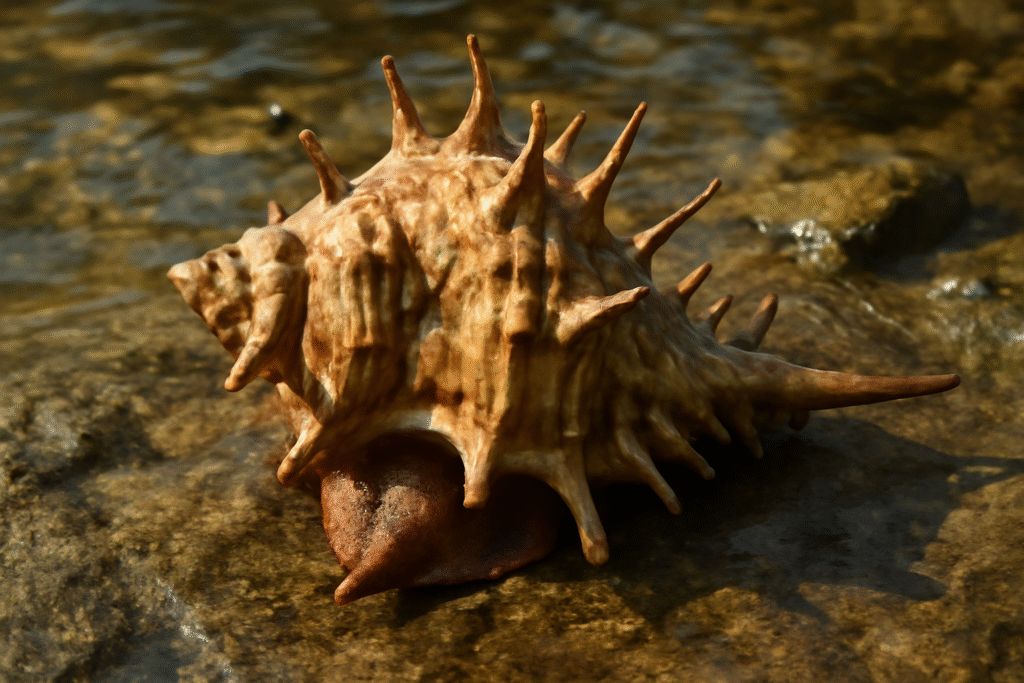
Murex angulifer: Morphology, Classification, Habitat, and Ecological Role of the Spiny Rock Snail Murex angulifer is a species of predatory
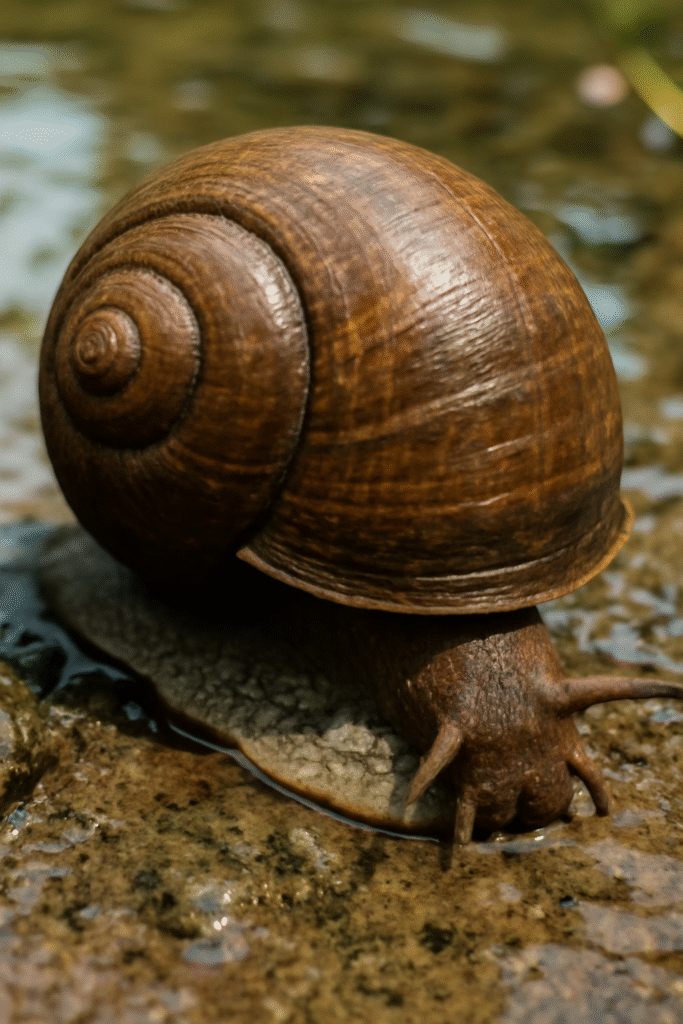
Pila globosa: Morphology, Classification, Habitat, and Ecological Role of the Apple Snail Pila globosa, commonly known as the apple snail,
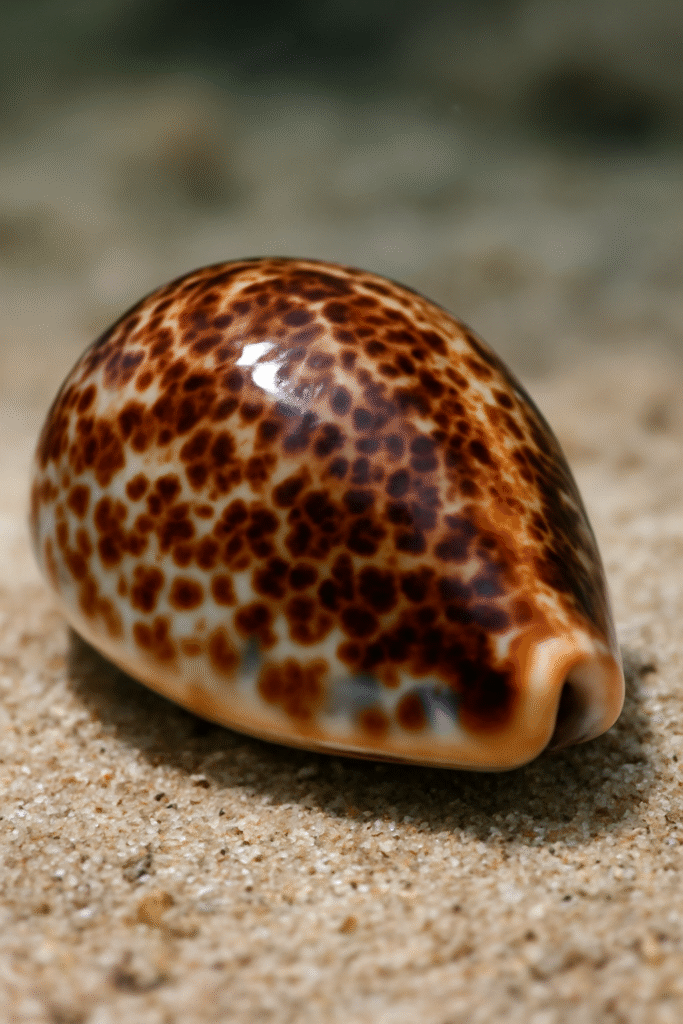
Cypraea: The Cowry Shells – Morphology, Classification, Habitat, and Ecological Importance Cypraea is a prominent genus within the family Cypraeidae,
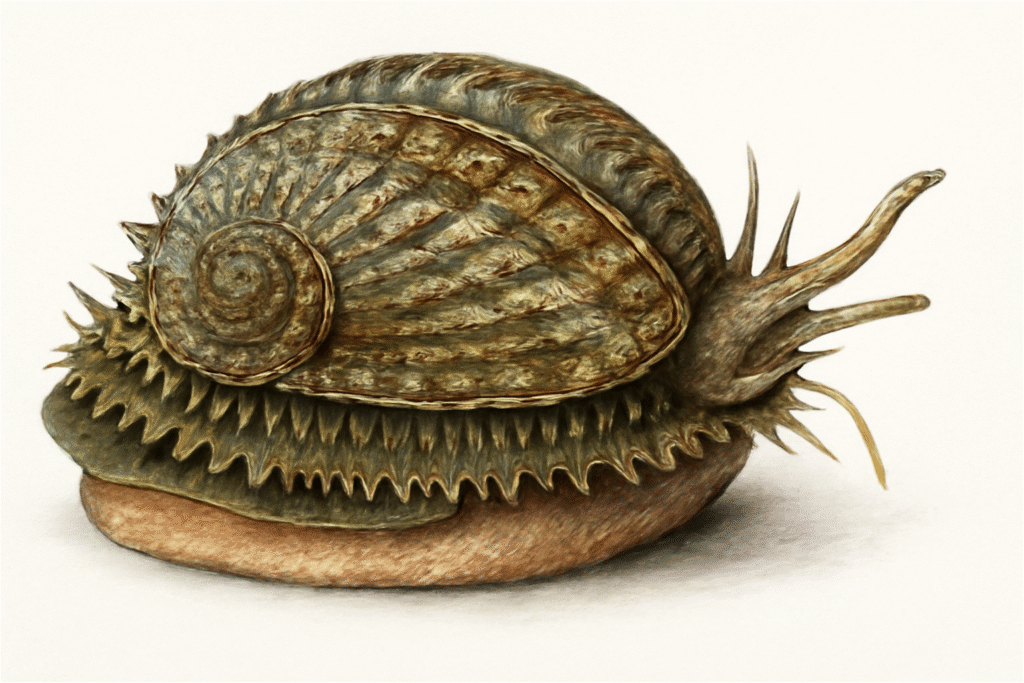
Haliotis: Morphology, Classification, Habitat, and Ecological Importance of Abalone Haliotis, commonly known as abalone, is a genus of marine gastropod
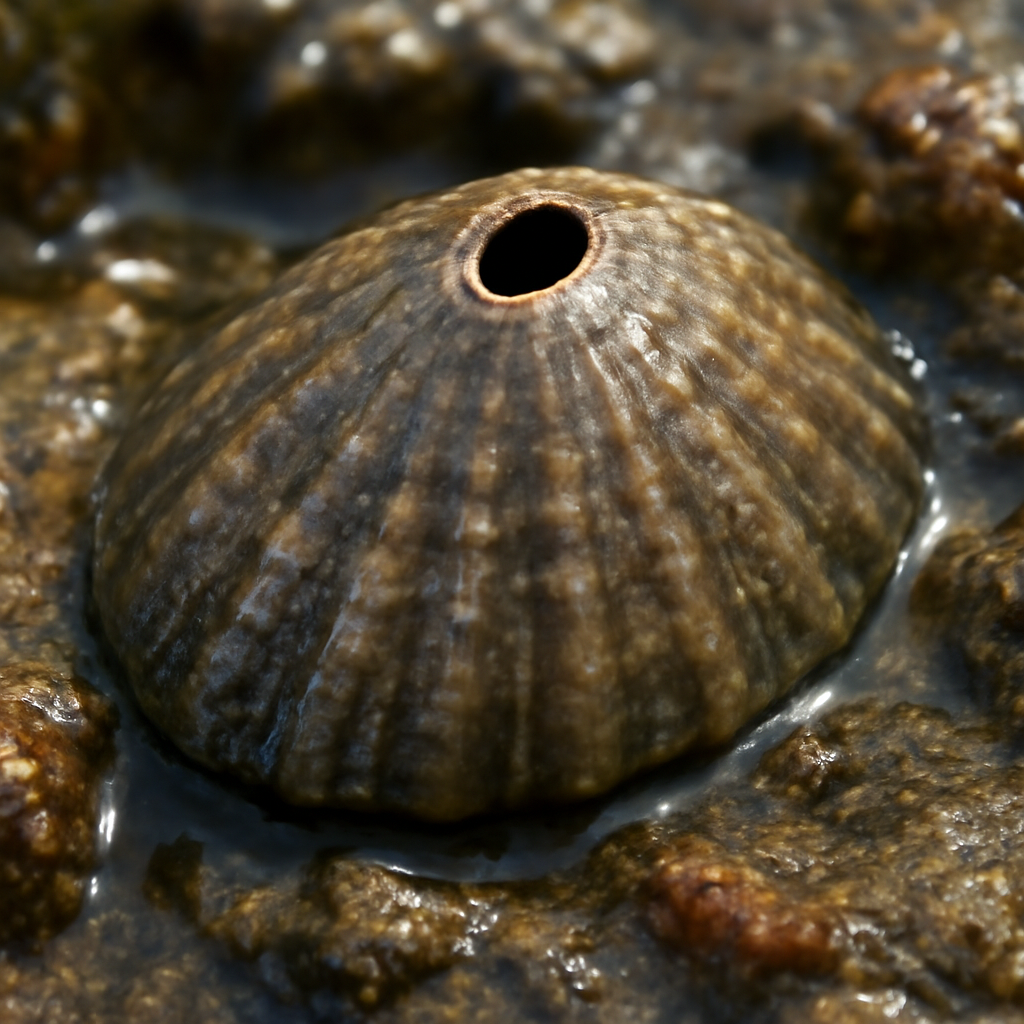
Fissurella: Morphology, Classification, Habitat, and Ecological Role of the Keyhole Limpets Fissurella is a genus of marine gastropod mollusks commonly

Patella: Morphology, Classification, Habitat, and Ecological Role of the True Limpet Patella is a genus of marine gastropod mollusks commonly

Dentalium: Morphology, Classification, Habitat, and Cultural Significance of the Tusk Shell Mollusc Dentalium, commonly known as tusk shells or tooth
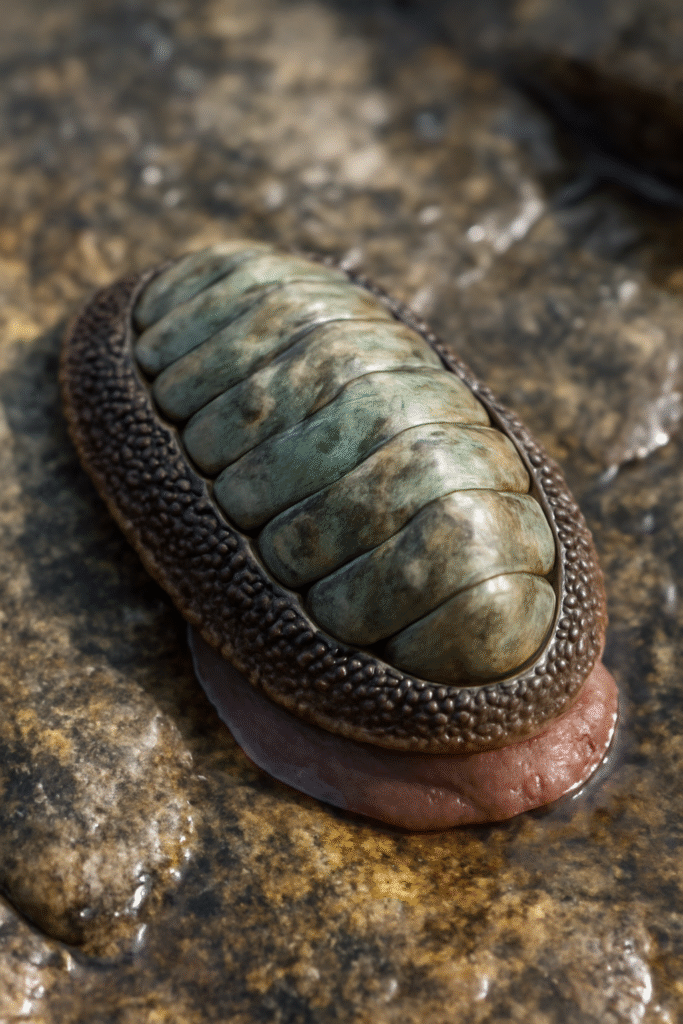
Introduction Chiton are marine mollusks classified under the class Polyplacophora, sometimes called sea cradles or coat-of-mail shells due to their
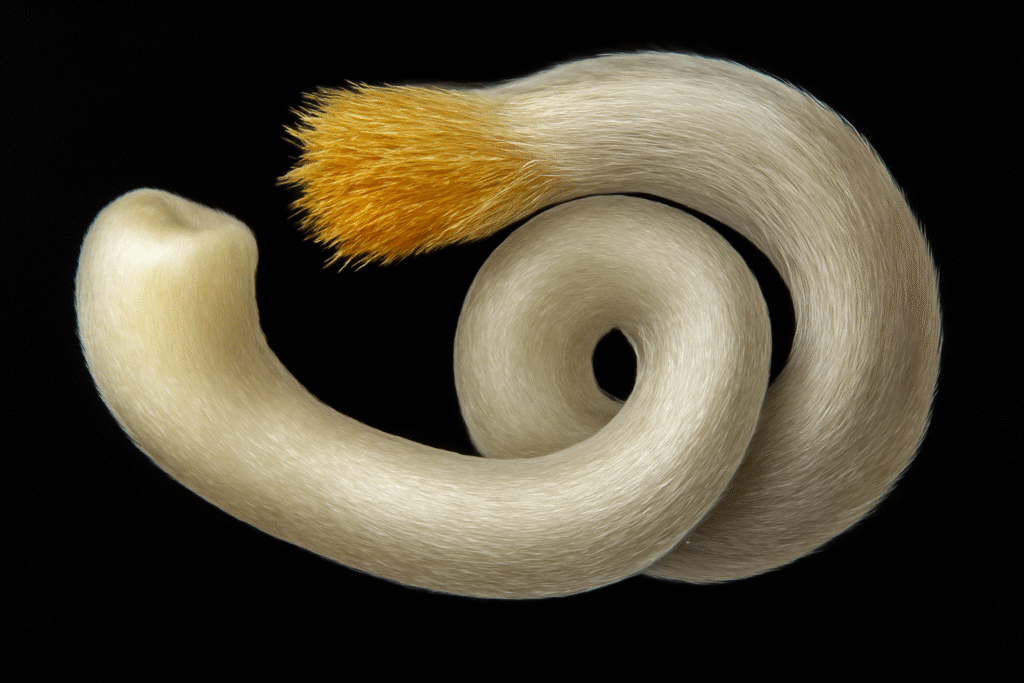
Chaetoderma: Morphology, Systematics, Habitat, Life Cycle, and Ecological Significance of the Primitive Aplacophoran Mollusc Introduction Chaetoderma is a distinctive genus
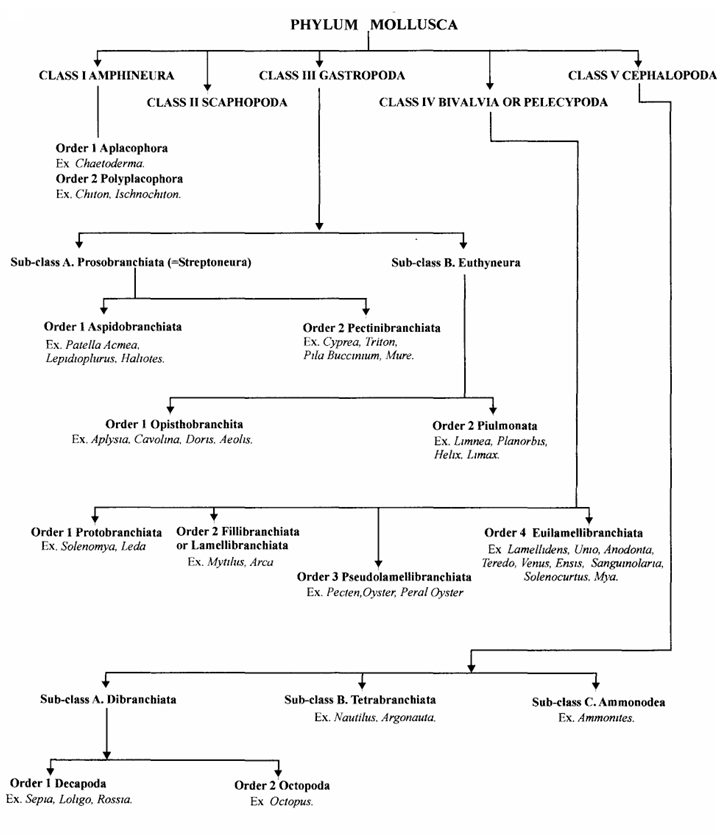
Introduction Phylum Mollusca is one of the largest and most diverse groups in the animal kingdom, comprising over 85,000 recognized
Phylum Mollusca: Characteristics, Classification, and Importance Read More »