
Moth belong to the order Lepidoptera, which also includes butterflies. Moths are distinguished by their dark or dull-patterned wings. The group is paraphyletic with regard to butterflies (suborder Rhopalocera), and neither subordinate taxon is used in current classifications. Previously, they were classed as suborder Heterocera. The great majority of the order consists of moths. Moths have over 160,000 species, many of which are yet unidentified. While some moth species are crepuscular or diurnal, the majority are nocturnal.
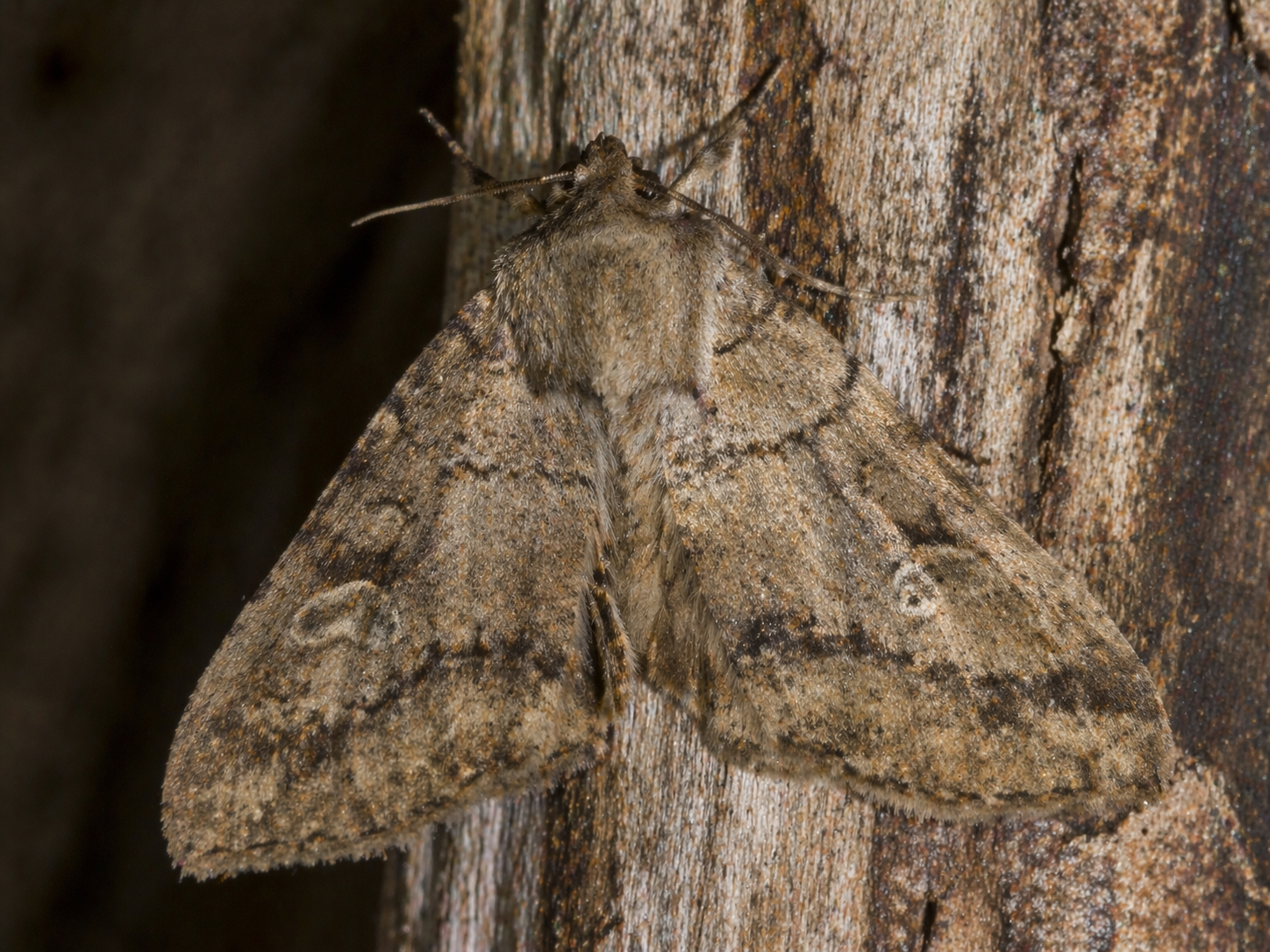
Classification of Moth
Phylum – Arthropoda (Jointed Appendages)
Class – Insecta (3 pairs of legs.)
Sub-class – Pterygota (Winged insects.)
Division – Endopterygota(Wings develop internally.)
Order – Lepidoptera (Scale wing.)
Habit and habitat
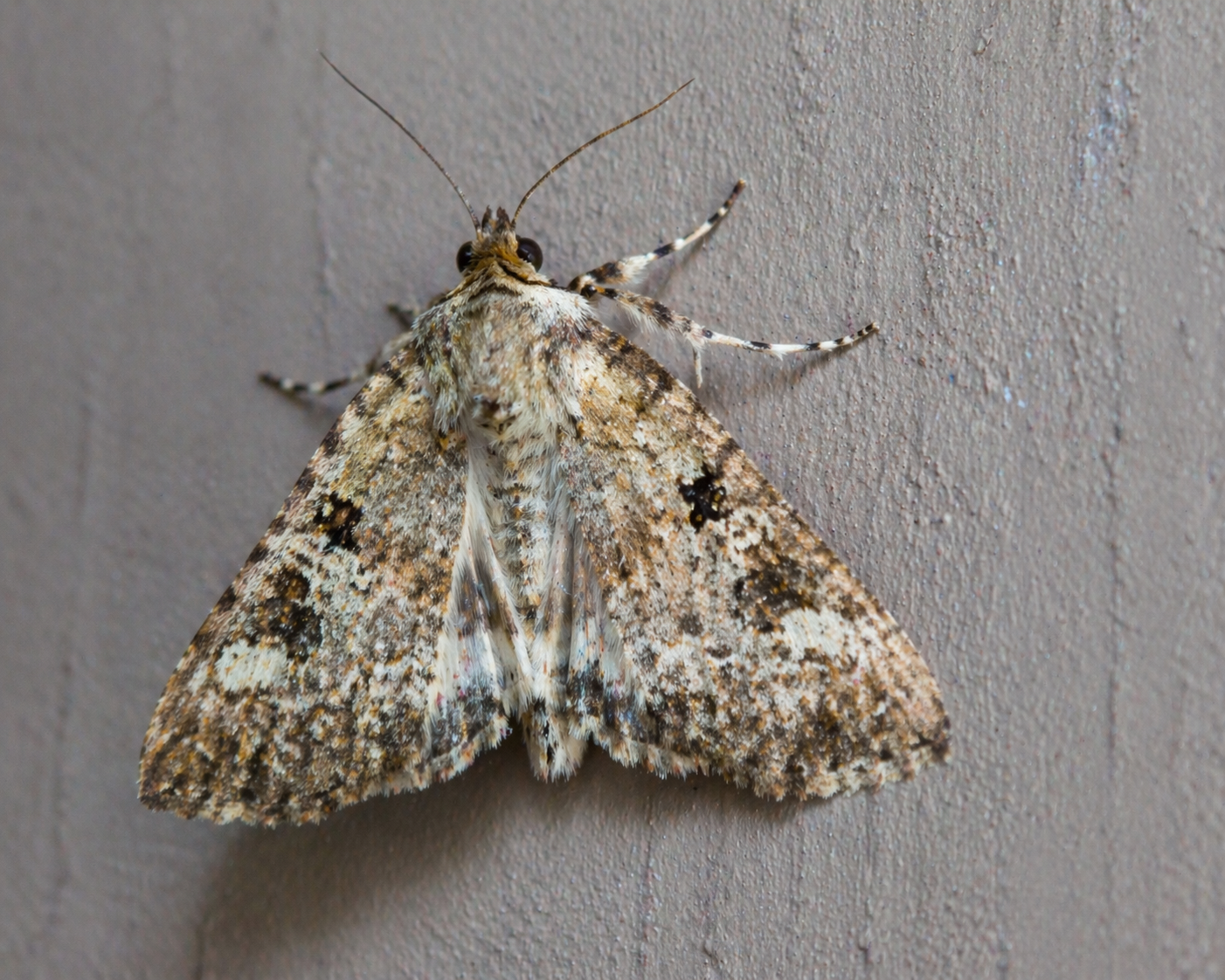
Found in dry cultivated plains, lower hills (slopes), forest, grasses and cultivated crops. They are night fliers or nocturnal. At night they are found near light (bulb or tube).
Distribution
Cosmopolitans
Comments on Moth
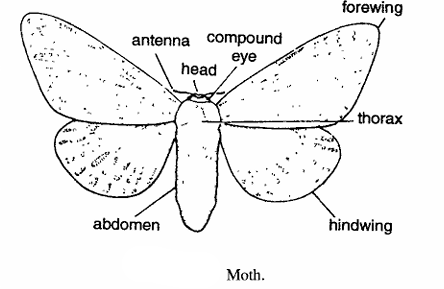
- Body is divided into head, thorax and abdomen.
- Head contains compound eyes, feathry antennae and mouth parts.
- During resting period wings are horizontally held.
- Mouth parts are of sucking and siphoning type with long coiled proboscis.
- Hind wings are smaller than forewings.
- Wings are membranous, also coupled and beat together.
- Thorax has 3 pairs of legs. Abdomen has 10 segments.
- There are several varieties of moths as cercopia moths, cloth moths and sphinx moths.
- Common cloth moth is Tinea pellionella.
Identification
Since the insect contains short, feathery tentacle and all above features hence it is moth.
See other posts also
- DragonFly
- Ephimera (Mayfly)
- Wastebasket taxon
- Butterfly | Study of Butterflies
- MAMMAL SLIDES : RABBIT SLIDES
Discover more from Zoologyverse
Subscribe to get the latest posts sent to your email.