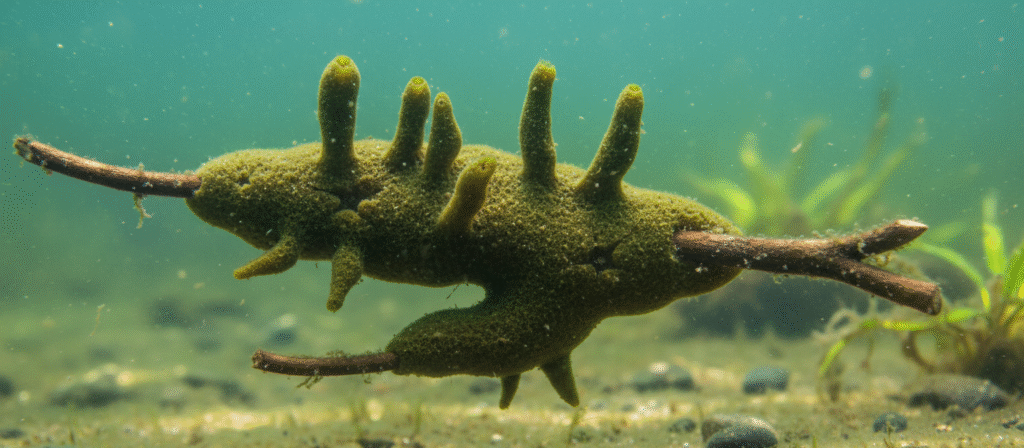
Invertebrates

Classification of Oscarella

Oscarella : Classification, Habitat, Distribution, and Identification

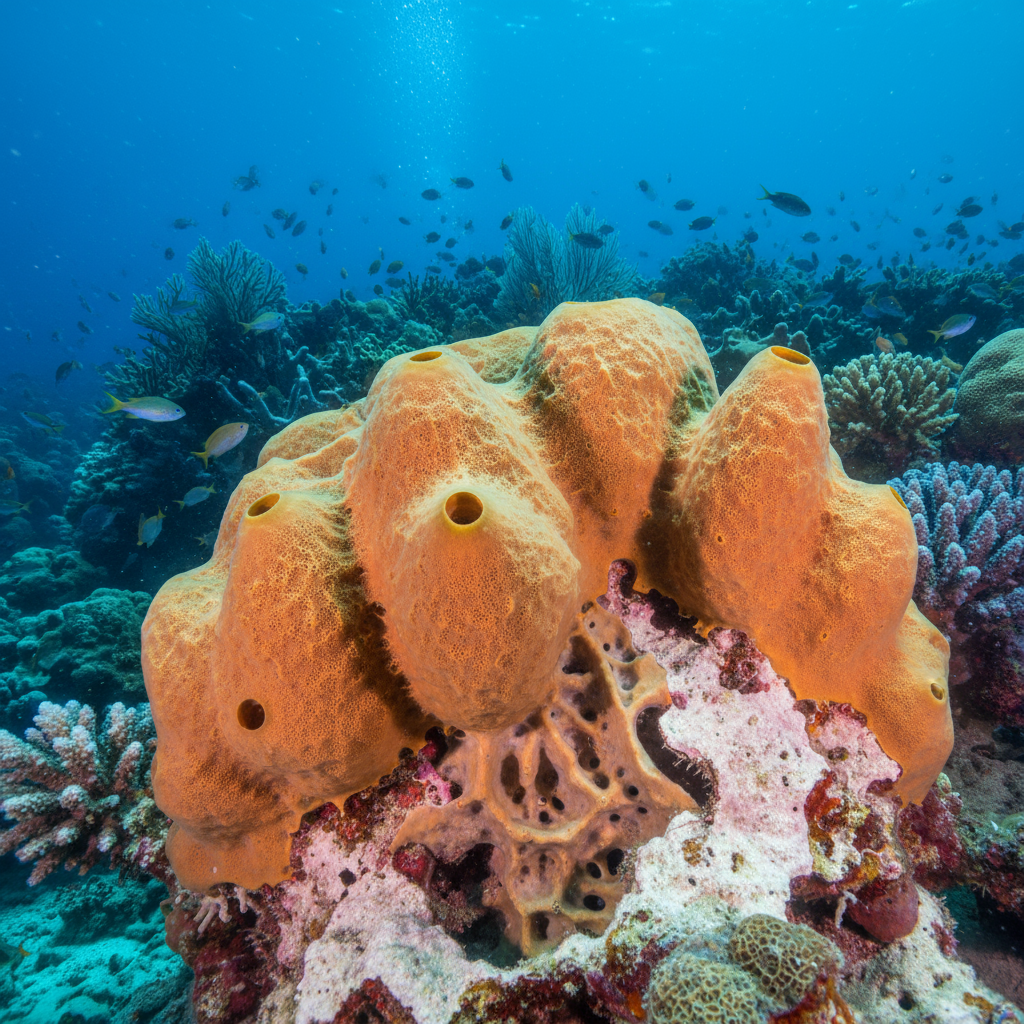
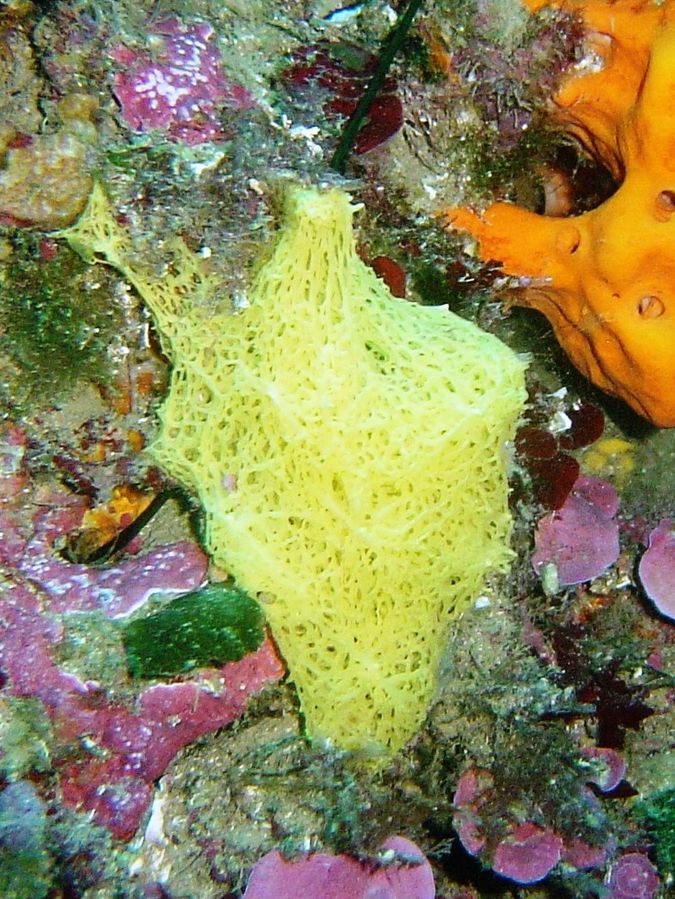
Oscarella Oscarella is a fascinating genus of marine sponges known for its delicate structure and biological significance. This genus comprised of soft-bodied sponges without traditional skeletons, making them unique within the Porifera. Classification of Oscarella Habit and Habitat Oscarella species are predominantly marine and exhibit encrusting habits, forming thin layers or thick patches over rocks, […]

Oscarella : Classification, Habitat, Distribution, and Identification Read More »

Classification of Pheronema

Pheronema

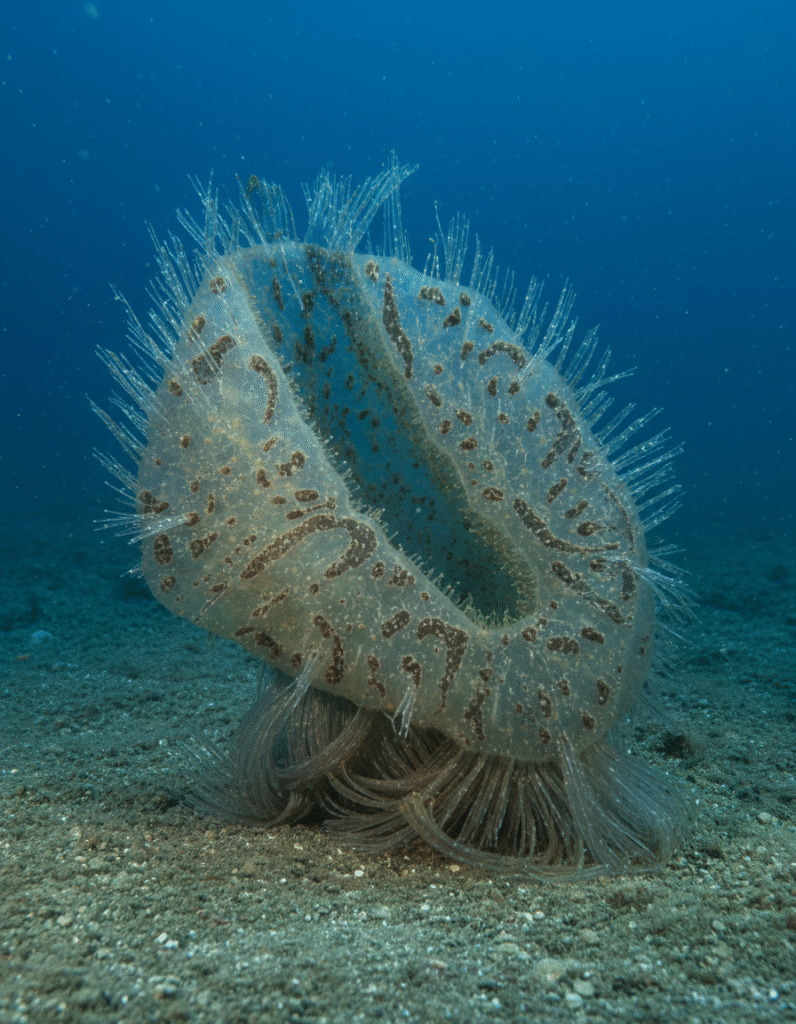
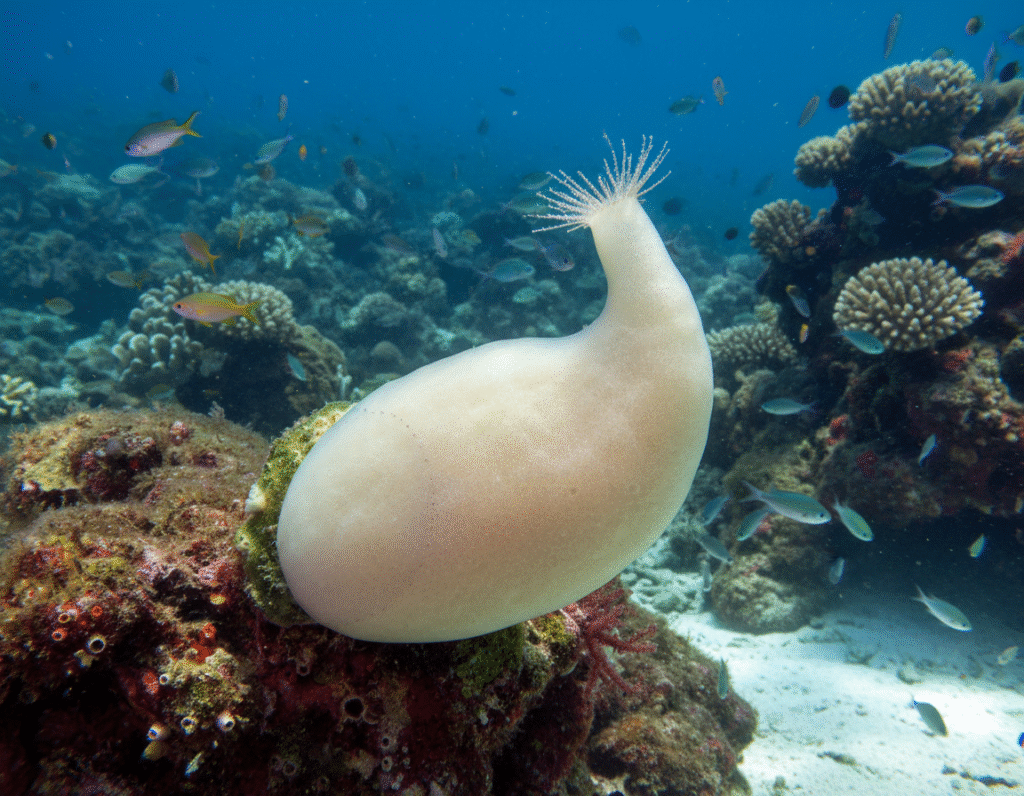
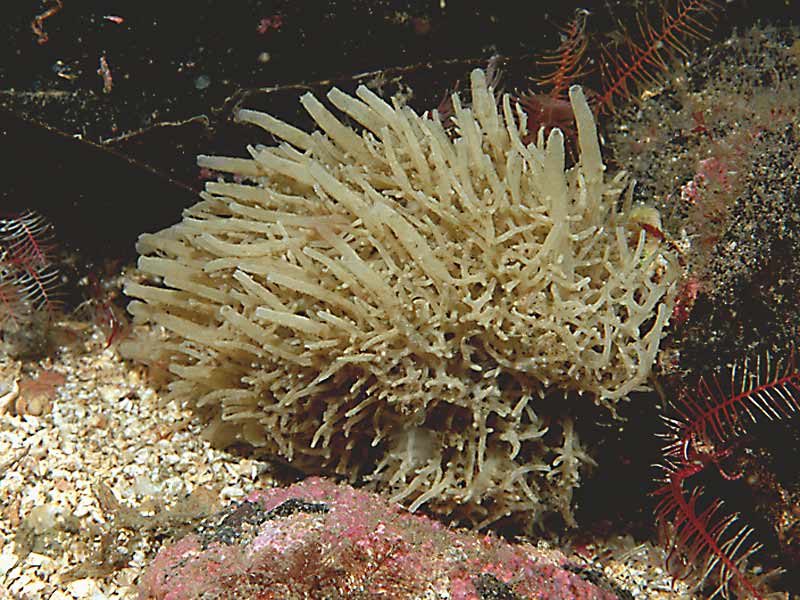
Pheronema Pheronema is a genus of deep-sea glass sponges belonging to the class Hexactinellida. These sponges are typically found anchored in soft ocean sediments at great depths, where they filter tiny organic particles from the surrounding water for nutrition. Their bodies are supported by delicate, silica-based skeletal structures that give them a fragile, translucent appearance.

Pheronema Read More »

Classification of Hyalonema

Hyalonema

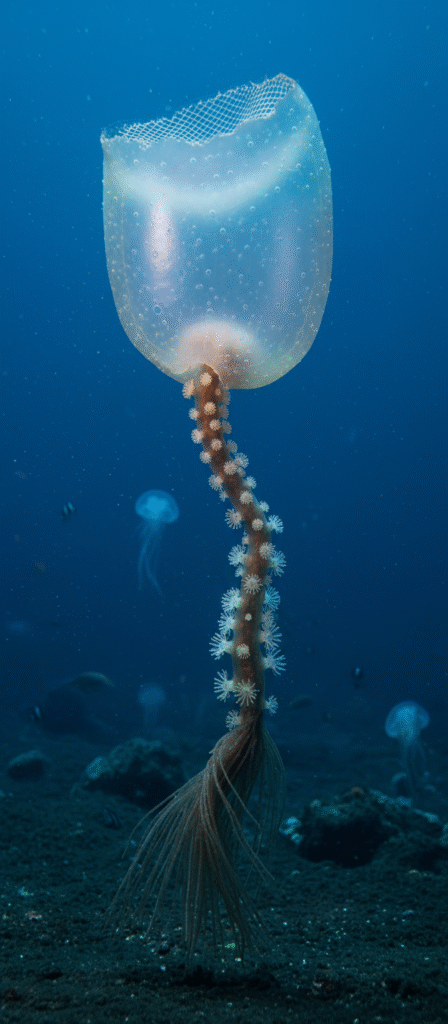
Hyalonema Hyalonema is a genus of deep-sea glass sponges that belongs to the class Hexactinellida. These sponges are known for their long, twisted stalk made of silica spicules, which anchors them securely to the ocean floor in very deep marine environments. Their delicate, lattice-like body structure allows them to filter microscopic food particles from seawater.

Hyalonema Read More »

Euplectella

Euplectella

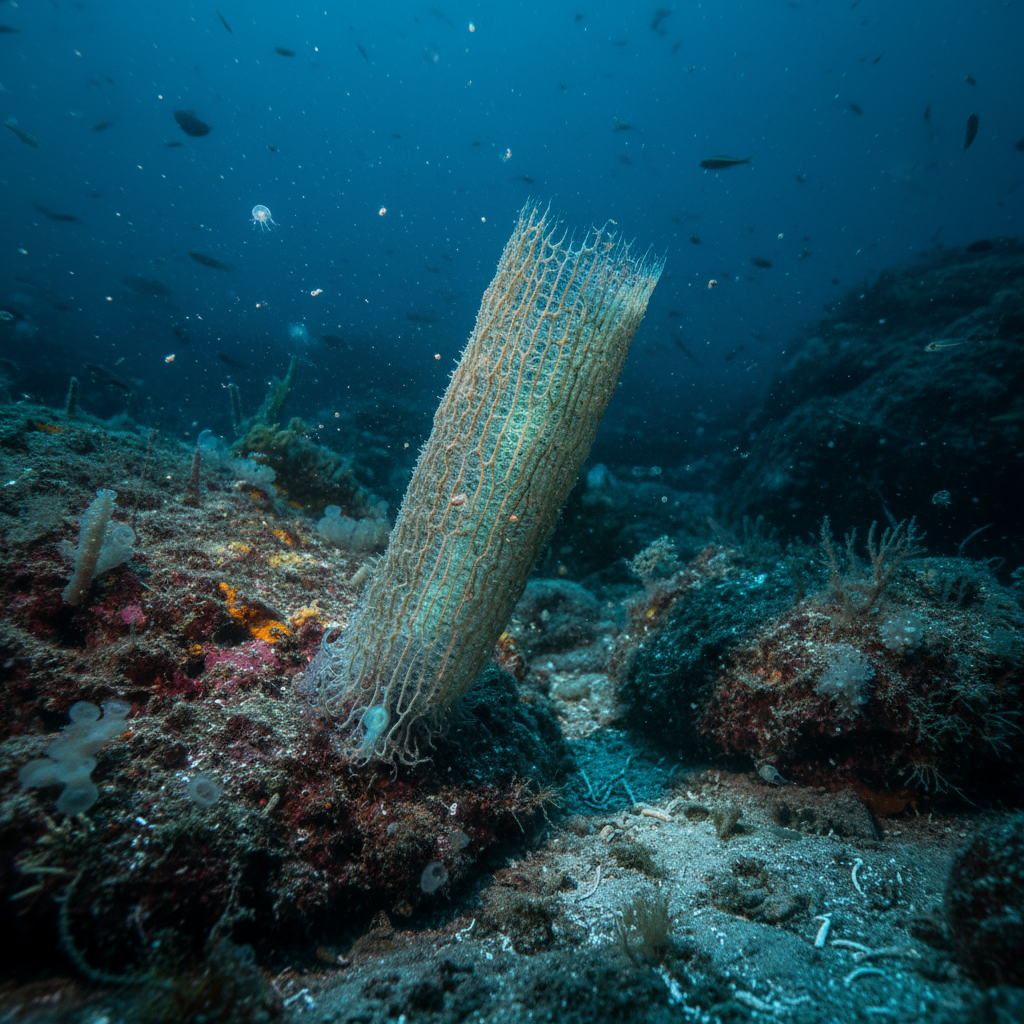
Euplectella is a genus of deep-sea glass sponges in the class Hexactinellida, commonly known as the “Venus’ flower basket.” These sponges have a delicate, cylindrical body made of a lattice of silica spicules, giving them a glass-like appearance. They live anchored in soft sediments on the ocean floor and feed by filtering microscopic particles from

Euplectella Read More »

Classification of Leucila

Leucila

Leucila Leucila is a genus of small marine sponges that belongs to the class Calcarea, a group characterized by spicules made of calcium carbonate. These sponges are typically found in shallow coastal waters, where they attach to rocks, shells, or other submerged surfaces. It feeds by filtering microscopic particles and organic matter from seawater, helping

Leucila Read More »

Grantia

Grantia

Grantia Grantia is a genus of small marine sponges belonging to the class Calcarea, which are characterized by spicules made of calcium carbonate. These sponges are usually found in shallow coastal waters attached to hard surfaces such as rocks and shells. Grantia has a simple tubular body structure with numerous pores that allow water to

Grantia Read More »

Sycon or Scypha

Sycon (Scypha): Classification, Habitat, Characteristics & Diagram

Sycon or Scypha Sycon is a genus of small marine sponges that belongs to the class Calcarea, whose members possess calcium carbonate spicules forming their skeletal framework. These sponges are commonly found in shallow coastal waters attached to hard surfaces such as rocks or shells. Sycon has a cylindrical body with a system of pores

Sycon (Scypha): Classification, Habitat, Characteristics & Diagram Read More »

Leucosolenia

Leucosolenia: Classification, Habitat, Characteristics & Diagram

Leucosolenia Leucosolenia is a genus of simple calcareous sponges belonging to the class Calcarea. These small, tube-shaped sponges are usually found in shallow marine waters attached to rocks, shells, or other submerged surfaces. Their bodies contain calcium carbonate spicules and a basic canal system that allows water to flow through for filter feeding on microscopic

Leucosolenia: Classification, Habitat, Characteristics & Diagram Read More »

Phylum Porifera

Phylum Porifera Explained: Classification, Structure & Examples

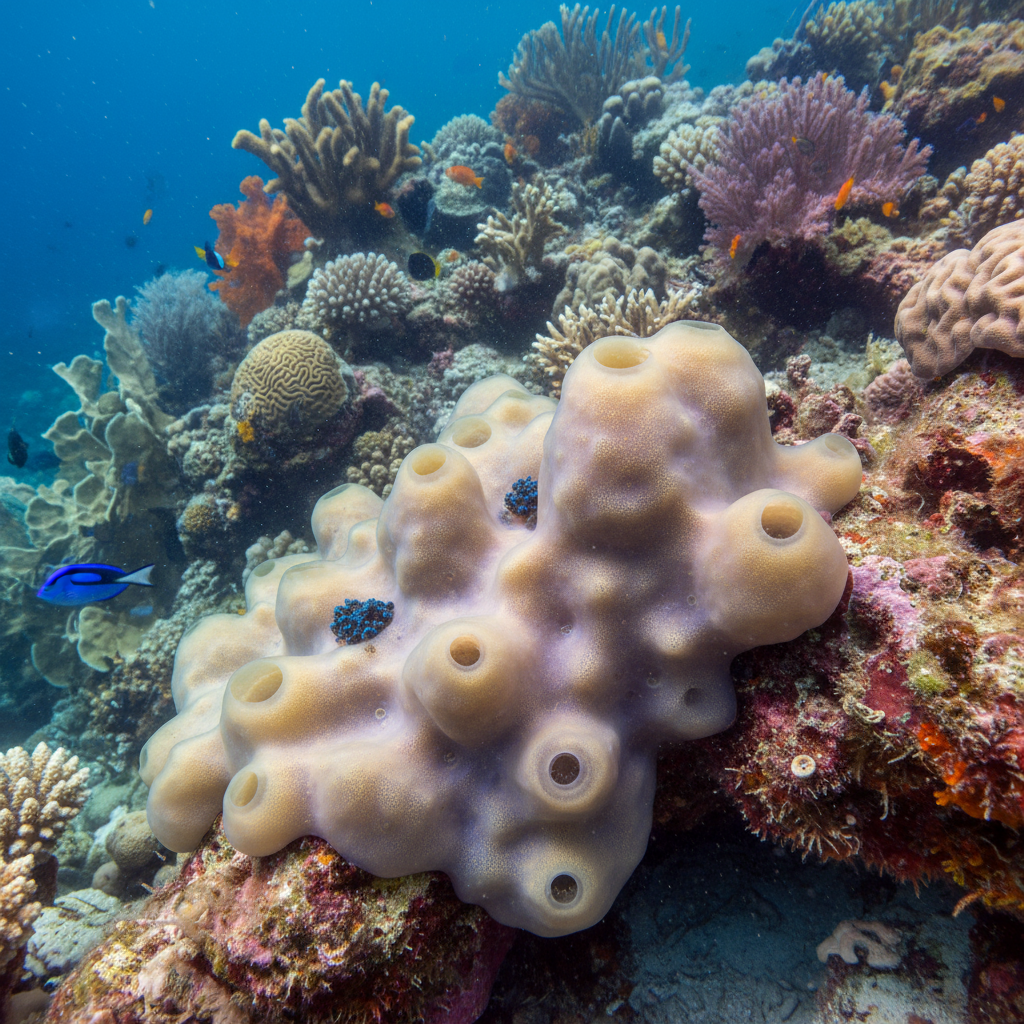
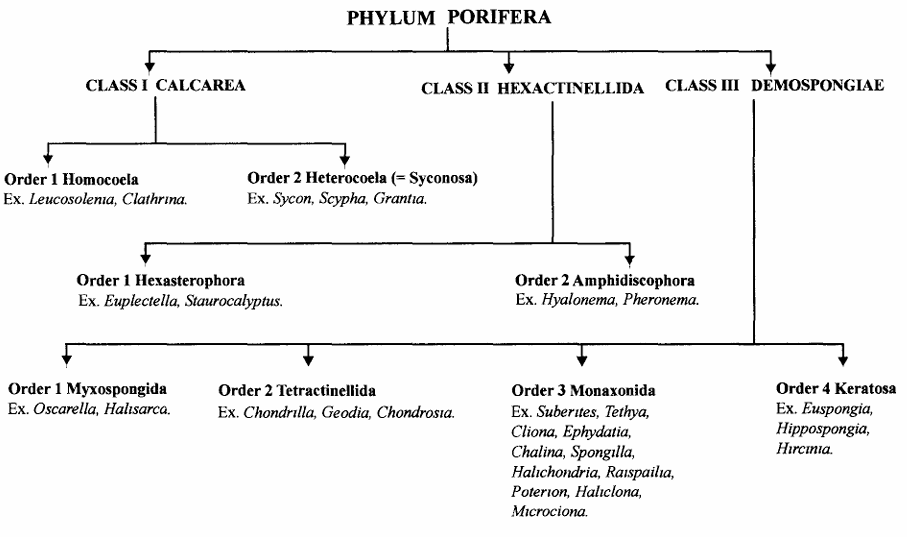
Phylum Porifera The most primordial phylum of multicellular animals is called Porifera. These pore-bearing creatures, also referred to as sponges, are organized at the cellular level, lack actual tissues and organs, and obtain their nourishment by filtering water through a network of canals. At a Glance Feature Description Common Name Sponges Habitat Mostly marine Symmetry

Phylum Porifera Explained: Classification, Structure & Examples Read More »