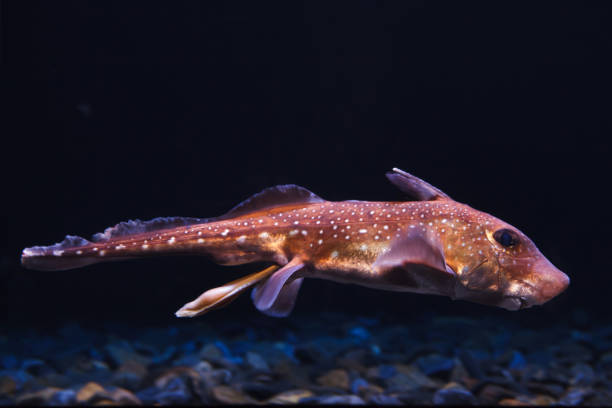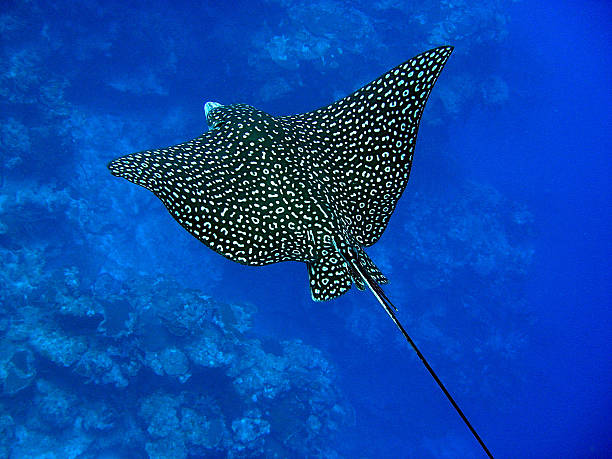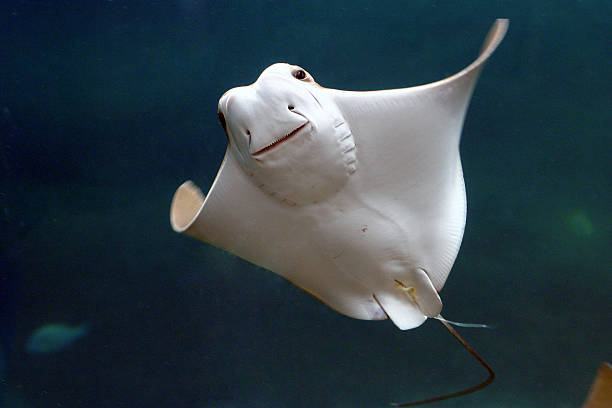
MYLIOBATIS (EAGLE RAY)
The Myliobatis, commonly known as eagle rays, holds economic importance in several sectors, including fisheries, tourism, and ecological research.
Trygon Commonly known as stingrays, holds significant economic importance in various sectors, including fisheries, ecotourism, and research. Classification of Trygon (Dasyatis) Geographical distribution Trygon is abundantly distributed in tropical regions of the Atlantic and Pacific Oceans. It has been reported from India, Japan, China, North America, Australia and South America. Upper Jurrassic to Recent. Habit
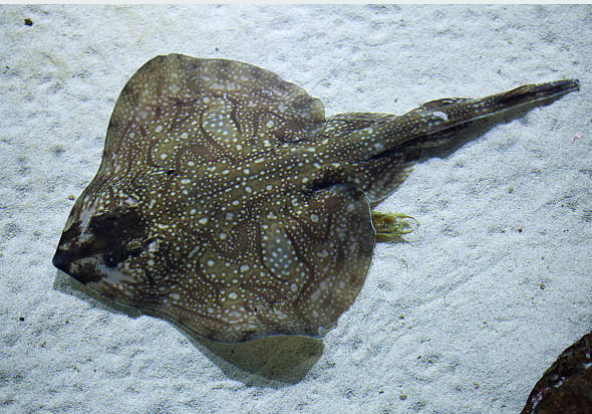
Skate Fish Belonging to the family Rajidae, have notable economic importance due to their role in fisheries, trade, and ecological systems. Classification of Skate Fish Geographical distribution Skate fish is found in almost all temperate sea waters. Most of the species belonging to the genus Raja are abundantly distributed in northern hemisphere, Arctic and Antarctic
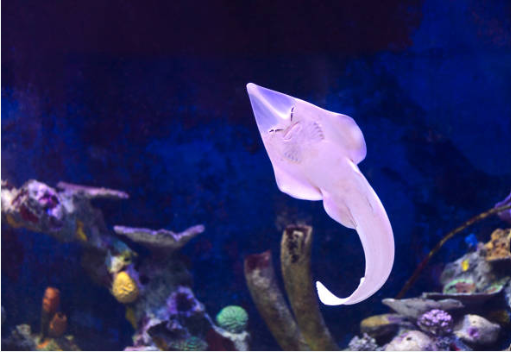
Rhinobatus (family Rhinobatidae) are a group of cartilaginous fish with significant economic and ecological importance. Their value comes from their use in fisheries, trade, and their role in marine ecosystems. Classification of Rhinobatus (Guitar Fish) Geographical distribution Rhinobatus has been reported from west coast of Africa, Indian Ocean, Australia, China, Atlantic and Pacific coasts of
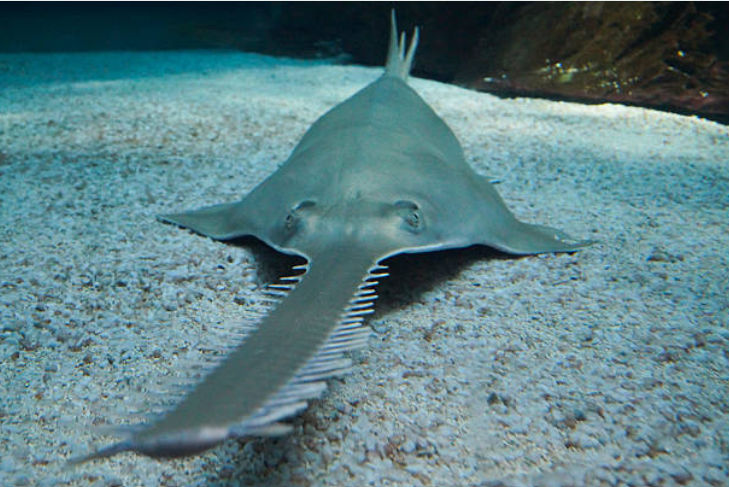
The Pristis fish, commonly known as the sawfish, has significant economic and ecological importance, primarily in fisheries, tourism, and as a part of the marine ecosystem. Here’s an overview: Classification of Pristis (Saw Fish) Geographical distribution Pristis is found in tropical and sub-tropical regions. Indian form ascends beyond tidal zones. It is reported from America,
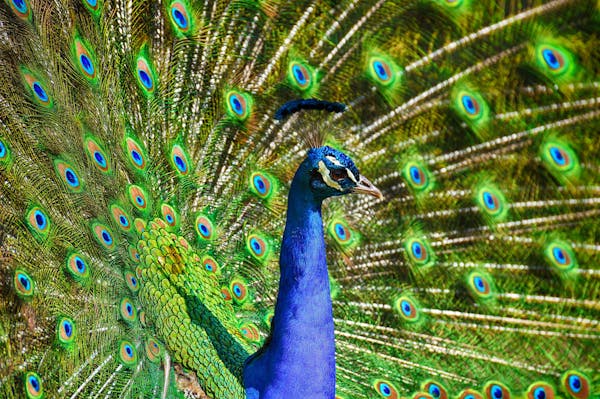
Pavo cristatus, commonly known as the Indian Peafowl or Blue Peafowl, is one of the most recognizable and culturally significant birds of the Indian subcontinent. Famous for the male’s vibrant blue plumage and spectacular fan-shaped tail, this species displays elaborate courtship dances during the breeding season. Widely distributed across forests, farmlands, and village edges, Pavo
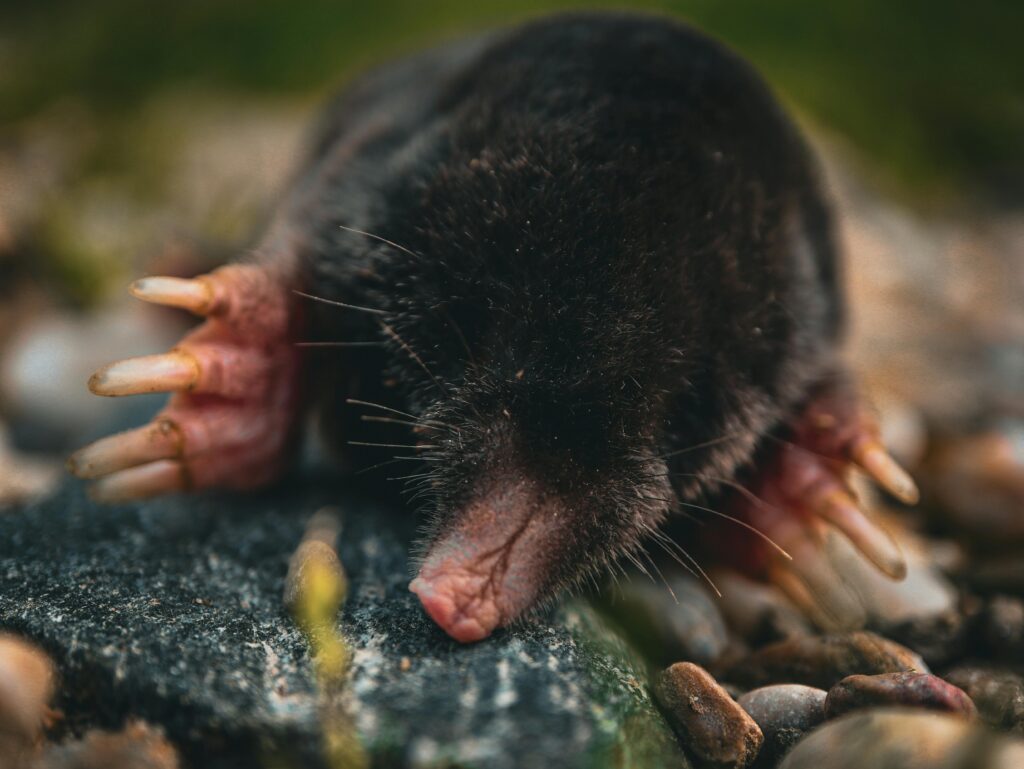
Talpa is a genus of Eurasian moles in the family Talpaidae, which includes about 13 to 14 species, including the common European mole (Talpa europaea). Known as subterranean insectivores, they are characterized by their velvety fur, burrowing claws, and the formation of earthen mounds. Although they help control insects in the soil, they are considered
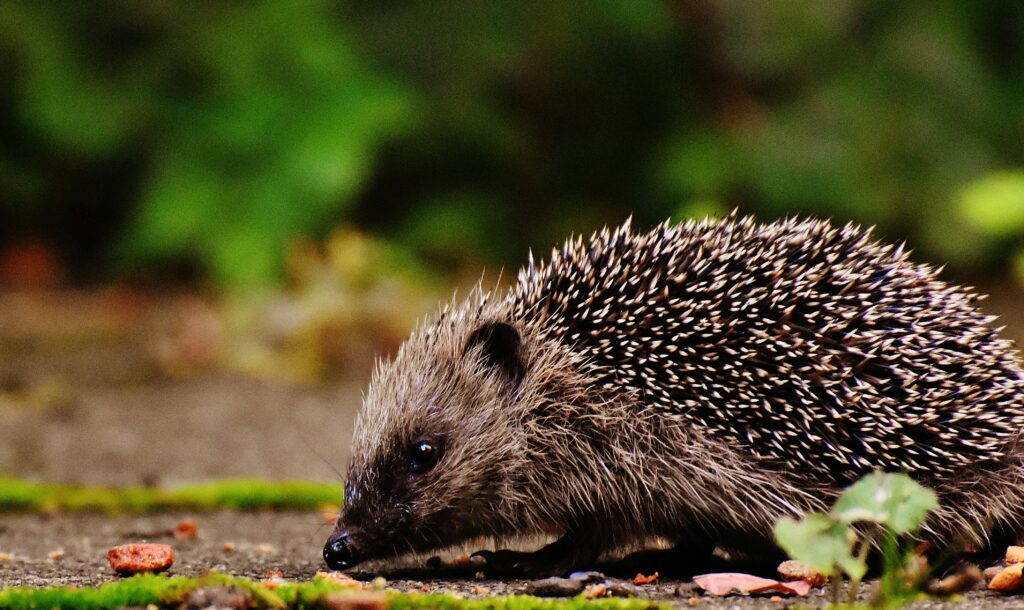
Erinaceus is a genus of the hedgehog family Erinaceus. There are four main species of Erinaceus. Its range covers all of Europe, the Middle East, parts of Russia, and extends to northern China and South Korea. The European hedgehog (Erinaceus europaeus) has been introduced to New Zealand. Classification of Erinaceus (Hedgehog) Geographical distribution Habit and
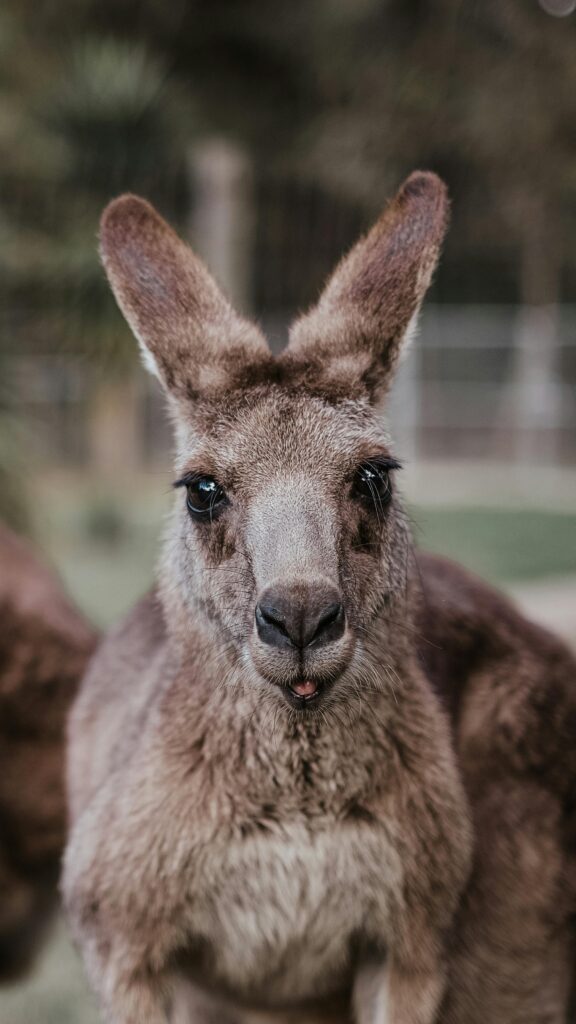
Macropus, derived from the ancient Greek words μακρός (makrós) meaning long” and πούς (pous) meaningleg,” is a genus of marsupials
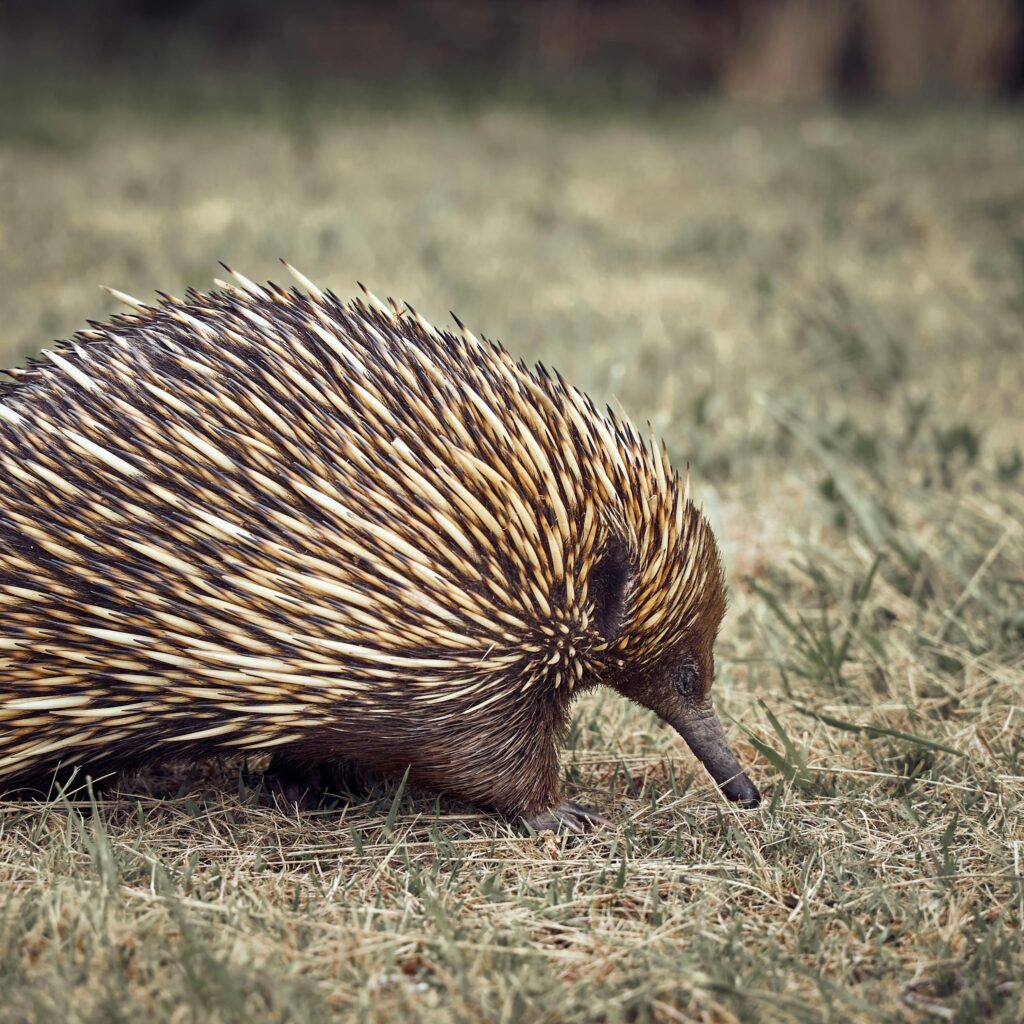
The echidna, or spiny anteater, is a unique oviparous mammal (monotreme) native to Australia and New Guinea, characterized by a spiny, hairy body and a long, sticky tongue used for eating ants and termites. One of five living monotremes, it is solitary, has a low body temperature, and has a baby pouch known as a
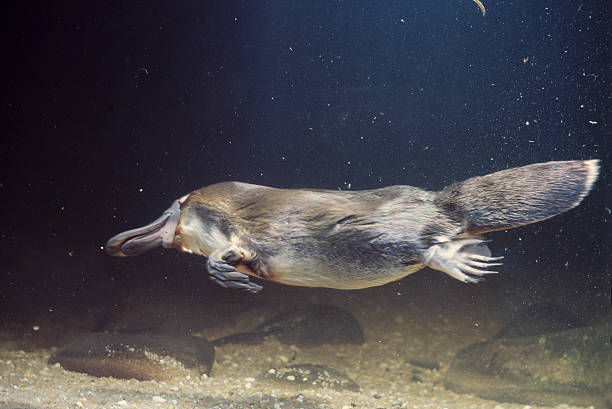
The platypus (Ornithorhynchus anatinus), also known as the platypus, is a semi-aquatic egg-laying mammal endemic to eastern Australia, including Tasmania. The platypus is the only extant species of the family Ornithorhynchidae and genus Ornithorhynchus, but many related species appear in the fossil record. Along with four species of echidna, it is one of five extant
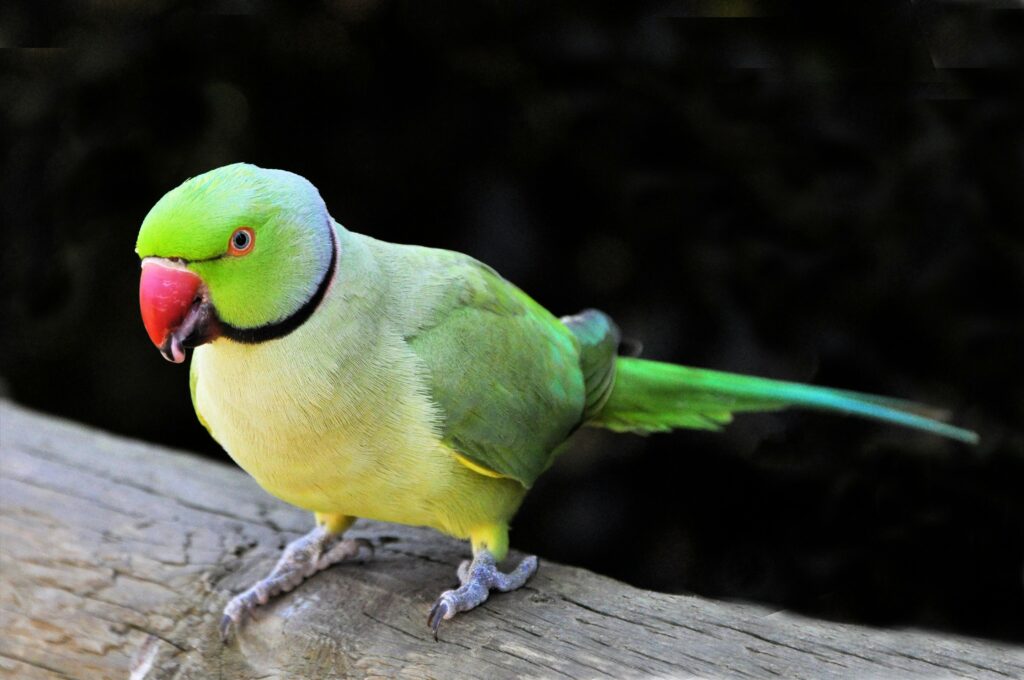
Psittacula eupatria, commonly known as the Alexandrine Parakeet, is one of the largest and most striking parakeets of South and Southeast Asia. Recognized by its long tail, powerful red beak, and the characteristic maroon shoulder patch, the species thrives in forests, farmlands, and urban green spaces. Highly intelligent and social, Alexandrine Parakeets form strong pair
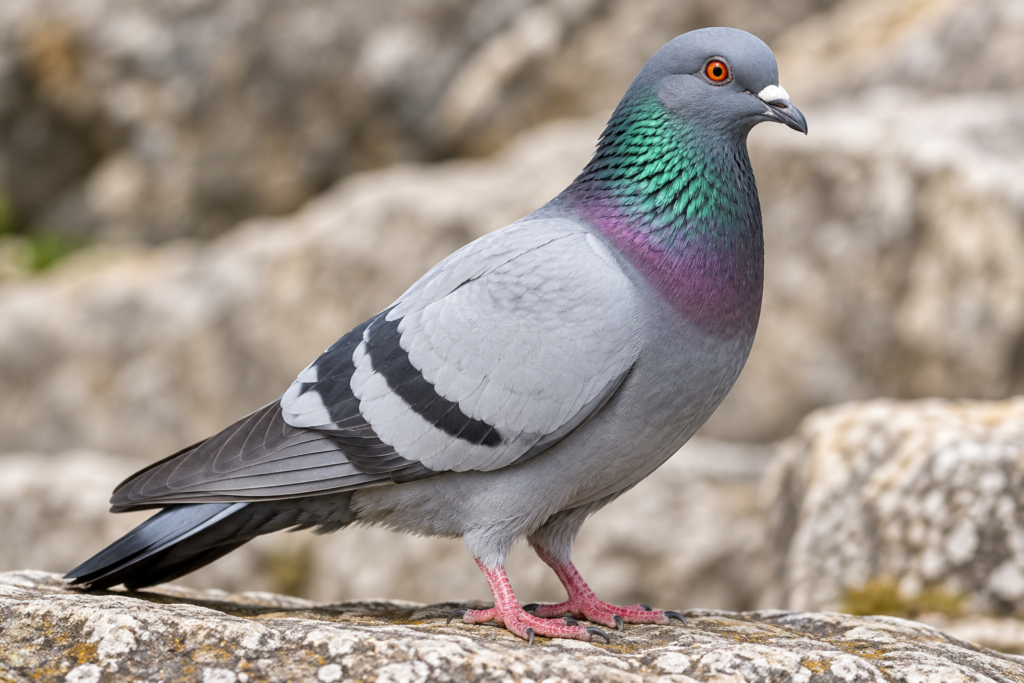
Columba livia, commonly known as the Rock Pigeon or Rock Dove, is one of the most widespread bird species in the world. Originally native to cliffs and rocky habitats of Europe, North Africa, and Western Asia, it has successfully adapted to urban environments across the globe. Known for its remarkable homing ability, varied plumage, and
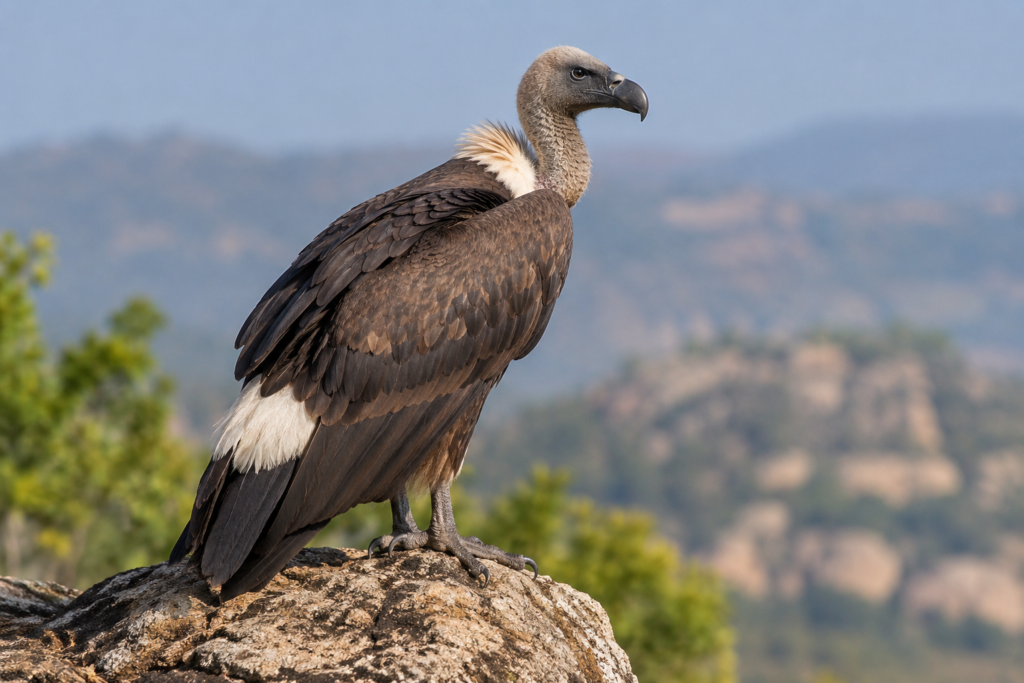
Gyps bengalensis, commonly known as the White-rumped Vulture, is one of South Asia’s most iconic but critically endangered raptors. Once abundant across the Indian subcontinent, this species experienced a dramatic population collapse due to veterinary drug contamination, habitat loss, and food scarcity. Known for its broad wings, pale rump, and soaring flight, Gyps bengalensis plays
Phoenicopterus, commonly known as the flamingo, is a genus of tall, wading birds recognized for their striking pink plumage, slender legs, and uniquely curved bills. These birds inhabit shallow lakes, lagoons, and coastal wetlands, where they feed on algae, crustaceans, and other microscopic organisms. Their vivid coloration comes from carotenoid pigments in their diet, making
Trionyx is a genus of softshell turtles belonging to the family Trionychidae. In the past, many species of this family were placed in this genus, but now T. The African soft-shelled turtle, or Nile soft-shelled turtle, is the only extant soft-shelled turtle still classified as a soft-shelled turtle. Other species in this genus are known
Chelone (tortoise head) is a genus of four to six species of hardy perennial herbaceous plants native to North America known for their flowers that resemble turtle heads. It grows in moist, acidic soils and partial shade, and is popular in woodland gardens for its late summer flowers (white, pink, red) and disease resistance. Classification
The Indian Terrapin (Kachuga tactum) is a small, primarily carnivorous freshwater turtle native to South Asia (India, Pakistan, and Bangladesh). Known for its raised roof-like shell and striking yellow and red markings on its neck, this species prefers slow-moving rivers and ponds. Threatened by exploitation of the pet trade and habitat loss. Classification of Kachuga
Chrysemys is a genus of turtles in the family Emydiidae. They are found in most areas of North America. This genus includes loggerhead turtles and southern loggerhead turtles. In Chrysemis, sex determination is temperature dependent. Incubating the eggs at low temperatures will produce males, and incubating them at high temperatures will produce females. Classification of
Testudo (Latin for “turtle”) most commonly refers to an ancient Roman armored military formation, a genus of Mediterranean turtle, or the mascot of the University of Maryland. As a military tactic, soldiers used stacked shields to protect themselves during a siege. Classification of Testudo (Giant Turtle) Geographical distribution Testudo is widely distributed in Galapagos Islands,