Vertebrates

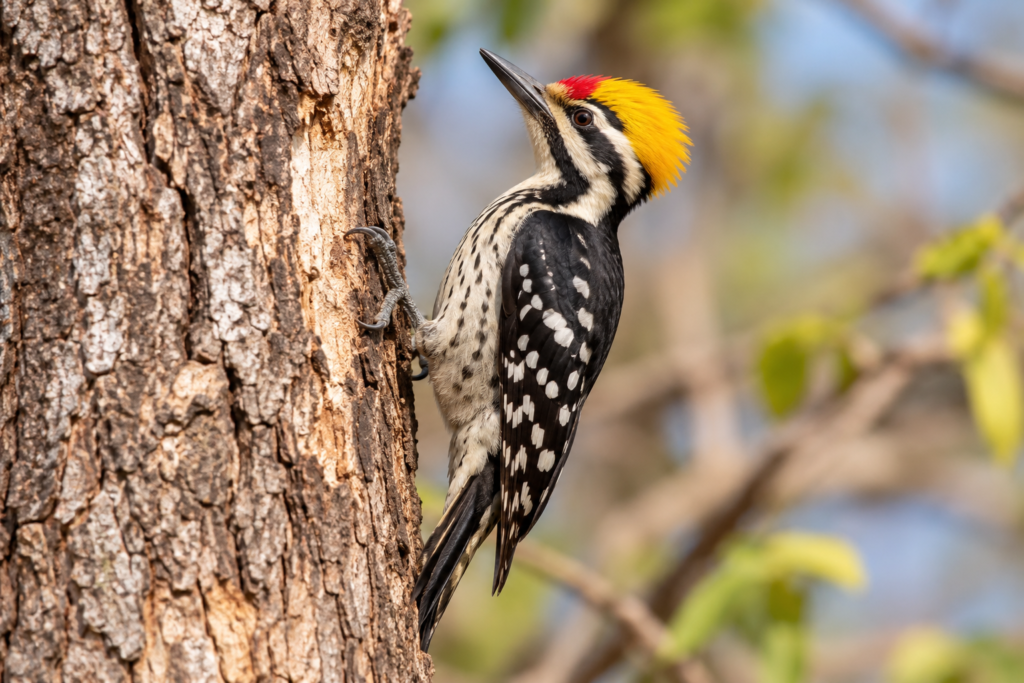
yellow-crowned woodpecker

Dendrocopos mahrattensis (Yellow-crowned Woodpecker)

Dendrocopos mahrattensis, commonly known as the Yellow-crowned Woodpecker or Mahratta Woodpecker, is a small and active woodpecker species native to the Indian subcontinent. It inhabits dry deciduous forests, scrublands, orchards, and semi-urban areas, where it feeds on insects, larvae, and tree sap. Recognized by its distinctive yellow crown, barred wings, and sharp drumming calls, this

Dendrocopos mahrattensis (Yellow-crowned Woodpecker) Read More »

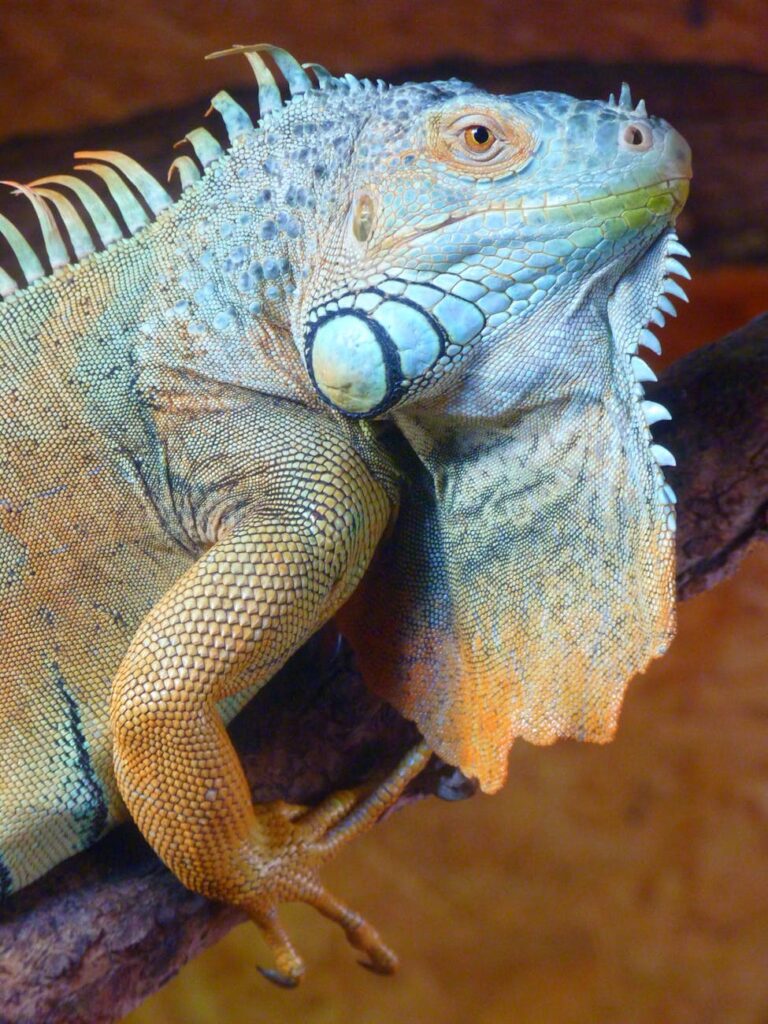
Classification of Iguana

IGUANA

Iguana play a vital role in maintaining the balance and health of the ecosystems they inhabit. Their ecological importance lies in their interactions with plants, animals, and the environment, which contribute to biodiversity and ecological stability. Classification of Iguana Geographical distribution Iguana is found in tropical countries. It is distributed in Mexico, West Indies, Southern

IGUANA Read More »

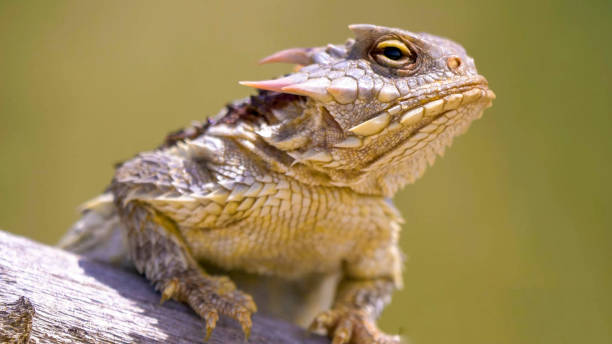
Classification of Phrynosoma (Horned Toad)

PHRYNOSOMA (HORNED TOAD)

Phrynosoma, commonly known as horned lizards, are a genus of reptiles native to arid and semi-arid regions of North and Central America. These distinctive, spiny-bodied lizards play a critical role in the ecosystems they inhabit, contributing to biodiversity and maintaining ecological balance. Classification of Phrynosoma (Horned Toad) Geographical distribution Phrynosoma is a New World lizard

PHRYNOSOMA (HORNED TOAD) Read More »

Classification of Gecko (Wall Lizard)

GECKO (WALL LIZARD)

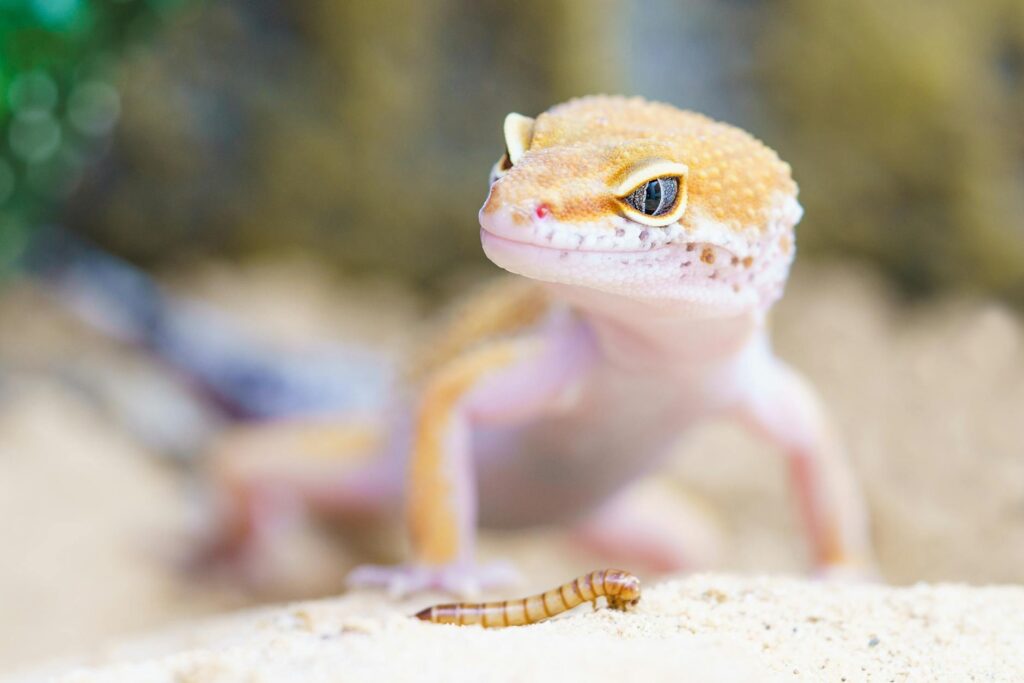
Gecko, small lizards belonging to the infraorder Gekkota, are widely distributed across tropical, subtropical, and even temperate regions. They play significant ecological roles in the ecosystems they inhabit. Classification of Gecko (Wall Lizard) Geographical distribution Gecko has cosmopolitan distribution but is specially found in Asian and European countries. Habit and habitat Gecko is a common

GECKO (WALL LIZARD) Read More »

Classification of Sphenodon (Tuatara)

SPHENODON (TUATARA)

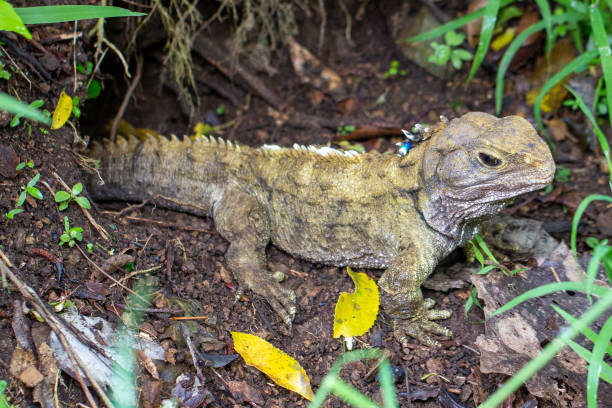
Sphenodon reptile endemic to New Zealand and the sole surviving member of the order Rhynchocephalia, which thrived during the Mesozoic Era. Despite its ancient lineage and limited geographic range, the tuatara holds significant ecological importance in the ecosystems it inhabits. Classification of Sphenodon Geographical distribution It is found in New Zealand and specially in the

SPHENODON (TUATARA) Read More »

Classification of Cryptobranchus (Hell Bender)

CRYPTOBRANCHUS (HELL BENDER)

The genus Cryptobranchus, which includes the hellbender salamander (Cryptobranchus alleganiensis), is an aquatic amphibian native to the freshwater streams and rivers of North America. Its ecological importance is significant due to its role in aquatic ecosystems, its sensitivity to environmental changes, and its contribution to biodiversity. Classification of Cryptobranchus (Hell Bender) Geographical distribution Habit and

CRYPTOBRANCHUS (HELL BENDER) Read More »

Classification of Proteus (Olm)

PROTEUS (OLM)

The Proteus, or olm (Proteus anguinus), is an aquatic salamander endemic to the caves of Southeastern Europe, particularly the Dinaric Alps. Its ecological importance stems from its role in maintaining the balance and health of the unique and fragile subterranean ecosystems it inhabits. Classification of Proteus (Olm) Geographical distribution Habit and habitat General Characteristics of

PROTEUS (OLM) Read More »

Classification of Necturus (Mud Puppy)

NECTURUS (MUD PUPPY)

Necturus, commonly known as mudpuppies or waterdogs, are fully aquatic salamanders found in freshwater ecosystems of North America. These amphibians play an important role in the ecology of the aquatic environments they inhabit. Classification of Necturus (Mud Puppy) Geographical distribution Habit and habitat General Characteristics of Necturus Ecological Importance of Necturus 1. Trophic Role in

NECTURUS (MUD PUPPY) Read More »

Classification of Uraeotyphlus

URAEOTYPHLUS

Uraeotyphlus play a vital role in aerating soil as they burrow, contributing to soil health and fertility. They act as both predators (feeding on invertebrates like earthworms and termites) and prey (for larger animals), maintaining ecological balance. Classification of Uraeotyphlus Geographical distribution Habit and habitat General Characteristics of Uraeotyphlus Conservation Status of Uraeotyphlus Special features

URAEOTYPHLUS Read More »

Classification of Ichthyophis

Ichthyophis

Ichthyophis resembles Amphibia in having a 3 chambered heart, conus arteriosus, urinogenital organs and brain like Amphibia. But it differs from living Amphibia in having scales in dermis and meroblastic eggs. Classification of Ichthyophis Geographical distribution Ichthyophis is distributed in tropical regions and found in Sri Lanka, Philippines, Borneo, Java, Scychelles, Mexico to Argentina and

Ichthyophis Read More »

Classification of Trygon (Dasyatis)

TRYGON (DASYATIS) STING RAY

Trygon Commonly known as stingrays, holds significant economic importance in various sectors, including fisheries, ecotourism, and research. Classification of Trygon (Dasyatis) Geographical distribution Trygon is abundantly distributed in tropical regions of the Atlantic and Pacific Oceans. It has been reported from India, Japan, China, North America, Australia and South America. Upper Jurrassic to Recent. Habit

TRYGON (DASYATIS) STING RAY Read More »