Vertebrates

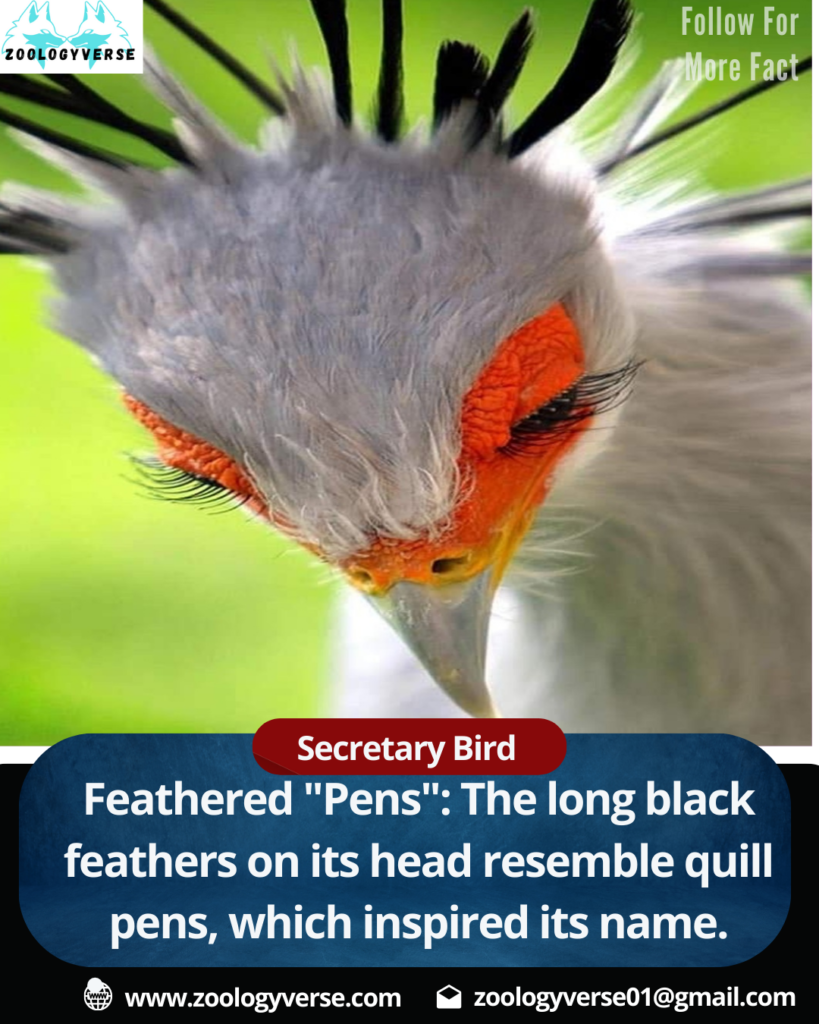
Secretary Bird (Sagittarius serpentarius)

Secretary Bird: The Snake-Hunting Raptor of the African Savannas

Secretary Bird (Sagittarius serpentarius) The Secretary Bird (Sagittarius serpentarius) is one of the most fascinating raptors in the world. Unlike most birds of prey, which hunt from the sky, this long-legged predator hunts primarily on land, using its powerful legs to stomp and kill its prey, particularly snakes. Found across the open grasslands and savannas

Secretary Bird: The Snake-Hunting Raptor of the African Savannas Read More »

Introduction to Aves (Birds)

Introduction to Aves (Birds)

What Are Aves (Birds)? Aves (Birds), scientifically classified under the class Aves, are warm-blooded vertebrates characterized by feathers, beaks, and laying hard-shelled eggs. They are found in almost every ecosystem, from dense rainforests to arid deserts, showcasing incredible diversity in size, color, and behavior. Birds are a diverse and fascinating group of animals that belong

Introduction to Aves (Birds) Read More »

Reptile | Definition, Characteristics, Examples, & Facts

Reptiles | Definition, Characteristics, Examples, & Facts

Introduction to Reptiles Reptiles are cold-blooded vertebrates belonging to the class Reptilia, which includes lizards, snakes, crocodiles, turtles, and tortoises. They possess dry, scaly skin, lay shelled eggs (in most species), and rely on external heat sources to regulate body temperature. Reptiles occupy a wide range of habitats—from deserts and forests to marshes and oceans—and

Reptiles | Definition, Characteristics, Examples, & Facts Read More »

 Amphibians | Characteristics, Life Cycle, & Facts

 Amphibians | Characteristics, Life Cycle, & Facts

Introduction to Amphibians Amphibians are a fascinating group of animals that represent a critical evolutionary bridge between aquatic and terrestrial life. Derived from the Greek word amphibios, meaning “double life,” amphibians embody the duality of existence as they inhabit both water and land during different stages of their life cycle. This remarkable ability to adapt

 Amphibians | Characteristics, Life Cycle, & Facts Read More »

Pisces : Definition, Classification and Characteristics

Pisces : Definition, Classification and Characteristics

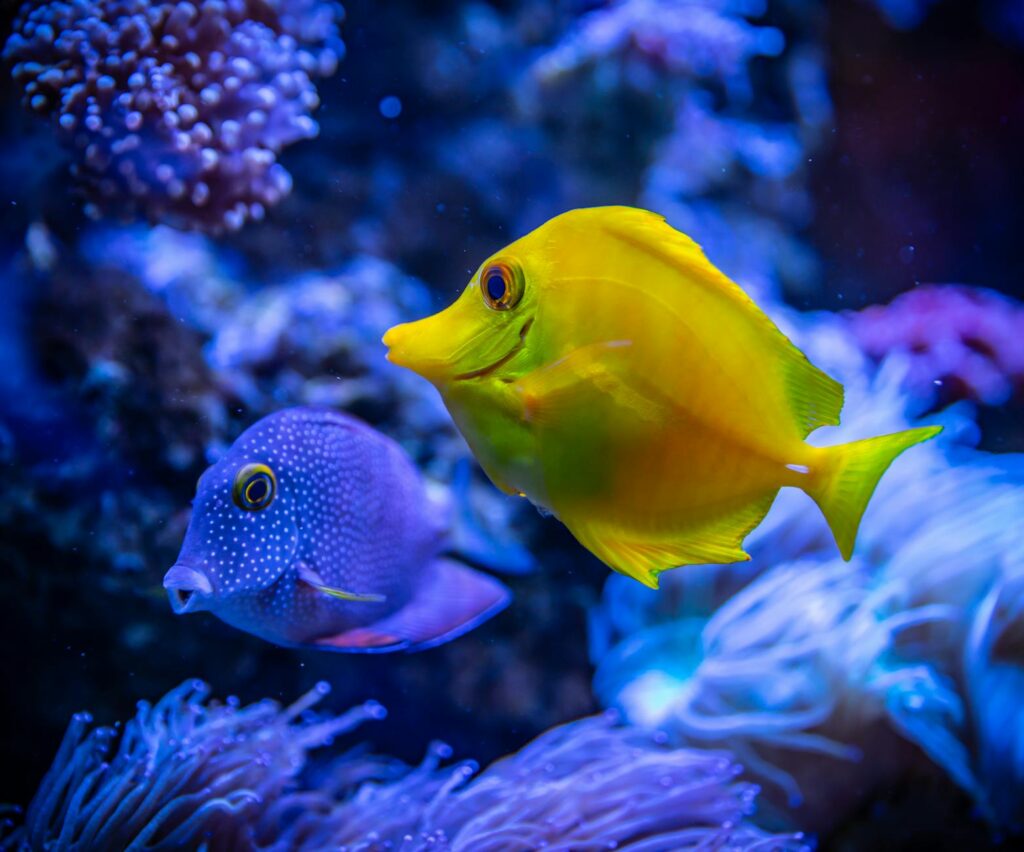
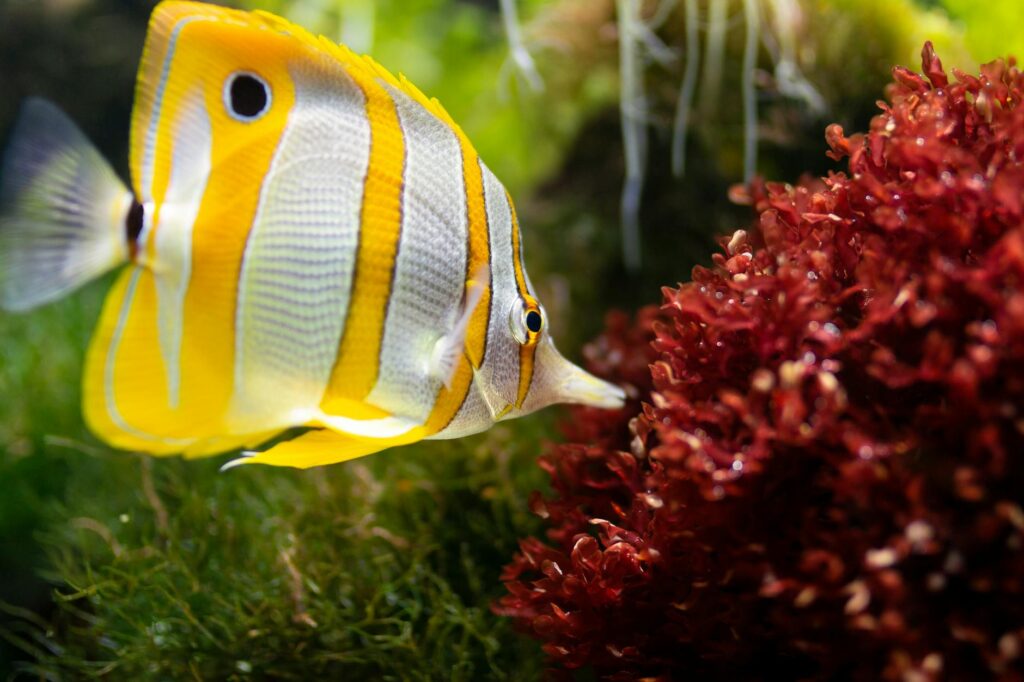
Pisces: The Aquatic Vertebrates of the Animal Kingdom Pisces, commonly known as fish, are one of the most diverse and fascinating groups of animals on Earth. They are aquatic vertebrates that inhabit a wide variety of aquatic ecosystems, from the deepest oceans to freshwater rivers and lakes. Representing a significant portion of Earth’s biodiversity, Pisces

Pisces : Definition, Classification and Characteristics Read More »

Classification of Ovis : Sheep

OVIS : SHEEP

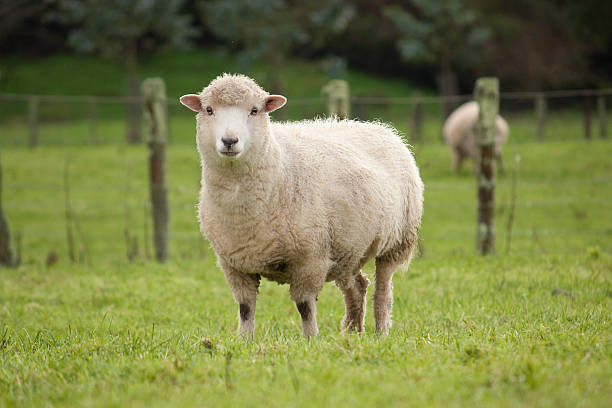
Introduction The genus Ovis, commonly known as sheep, encompasses both wild and domesticated species that have become an integral part of ecosystems and human civilization. Wild sheep, such as the argali (Ovis ammon) and bighorn sheep (Ovis canadensis), are known for their impressive horns and adaptability to rugged terrains, while domesticated sheep (Ovis aries) have

OVIS : SHEEP Read More »

Classification of Sus Scrofa (Wild Boar)

SUS SCROFA (WILD BOAR)

Introduction The wild boar (Sus scrofa), a member of the family Suidae, is a highly adaptable and widespread mammal native to Eurasia and North Africa. It is recognized for its robust build, bristly coat, and characteristic tusks. Wild boars have a remarkable ability to thrive in diverse habitats, ranging from dense forests to open grasslands.

SUS SCROFA (WILD BOAR) Read More »

Classification of Rhinoceros

RHINOCEROS

Introduction The rhinoceros, commonly referred to as the rhino, is one of the most iconic and ancient megafauna on Earth. These large, herbivorous mammals belong to the family Rhinocerotidae and are characterized by their thick, armor-like skin and one or two horns on their snouts. The name “rhinoceros” originates from the Greek words “rhino” (nose)

RHINOCEROS Read More »

Classification of Zebra

ZEBRA | Classification, Habitat, Characters and Identification

Introduction The Equus zebra, commonly known as the zebra, is one of the most recognizable animals in the animal kingdom, renowned for its striking black-and-white striped coat. Found in the wild plains and mountains of Africa, zebras are members of the Equidae family, which includes horses and donkeys. These social herbivores are celebrated for their

ZEBRA | Classification, Habitat, Characters and Identification Read More »

Classification of Equus Caballus (Horse)

EQUUS CABALLUS (HORSE)

Introduction Equus caballus, better known as the domestic horse, is a symbol of grace, power, and loyalty that has left an indelible mark on human history. This extraordinary animal, domesticated around 4,000–6,000 years ago, has transformed societies through its unmatched utility in transportation, agriculture, warfare, and leisure. Equus caballus belong to the family Equidae, sharing

EQUUS CABALLUS (HORSE) Read More »

Classification of Platanista Gangetica (Ganges River Dolphin)

PLATANISTA GANGETICA (GANGES RIVER DOLPHIN)

Introduction The Ganges River dolphin (Platanista gangetica), also referred to as the “Susu” or the “blind dolphin,” is a freshwater dolphin endemic to the Indian subcontinent. It is one of the few species of freshwater dolphins globally and holds immense ecological and cultural importance. These unique mammals have evolved specialized adaptations for their freshwater habitat

PLATANISTA GANGETICA (GANGES RIVER DOLPHIN) Read More »

Classification of Phoca (Seal)

PHOCA (SEAL)

Introduction The genus Phoca, which includes some of the world’s most iconic seals, belongs to the family Phocidae, commonly referred to as “true seals” or “earless seals.” These marine mammals are globally recognized for their streamlined bodies, lack of external ear flaps, and exceptional adaptations for aquatic life. Seals of the genus Phoca are critical

PHOCA (SEAL) Read More »