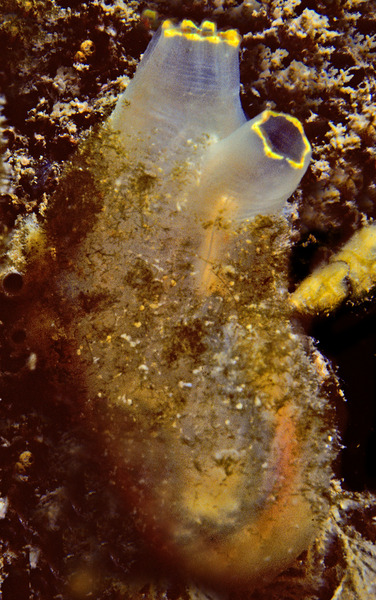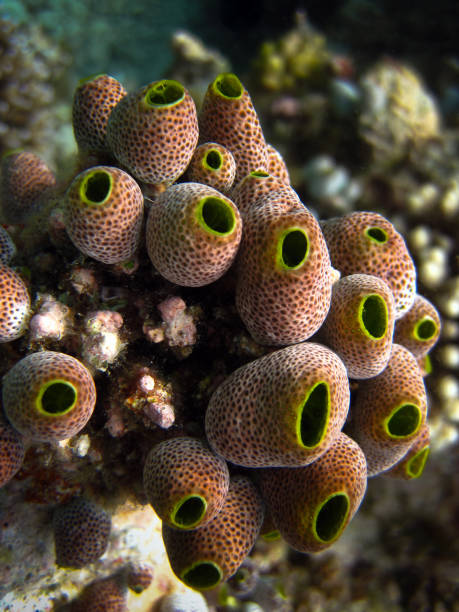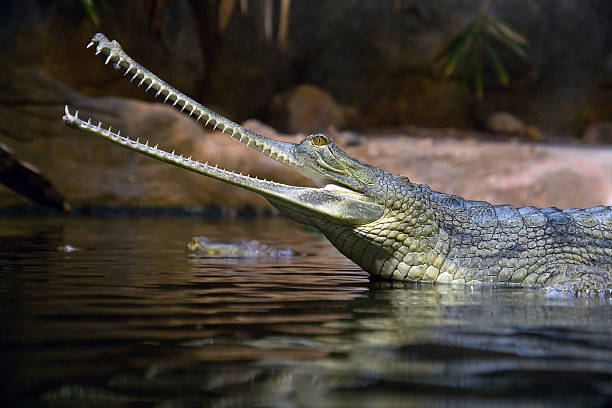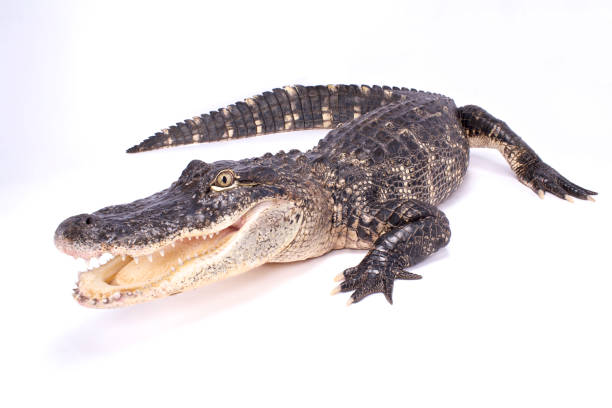
Specimens

Classification of Acipenser (Sturgeon)

ACIPENSER (STURGEON)

Classification of Acipenser (Sturgeon) Geographical distribution Habit and habitat General Characteristics of Acipenser (Sturgeon) Acipenser is a genus of fish within the family Acipenseridae, commonly referred to as sturgeons. These ancient fish are often called “living fossils” due to their evolutionary history, which dates back over 200 million years. They are primarily found in freshwater

ACIPENSER (STURGEON) Read More »

Classification of Polypterus (Bichir)

POLYPTERUS (BICHIR)

Classification of Polypterus (Bichir) Geographical distribution Habit and habitat General Characteristics of Polypterus (Bichir) Ecological Importance: Conservation Status: In summary, Polypterus species are ecologically significant as both predator and prey, contributing to the health and balance of freshwater ecosystems. While many species are not currently at high risk, habitat degradation and human activities could threaten

POLYPTERUS (BICHIR) Read More »

Classification of Manis (Scaly Anteater)

MANIS (SCALY ANTEATER)

Classification of Manis (Scaly Anteater) Geographical distribution Habit and habitat General Characteristics of Manis (Scaly Anteater) Ecological Importance of Manis Conservation Status of Manis Endangered Species: All eight species of pangolins are threatened in some capacity, with many classified as Endangered or Critically Endangered. The IUCN Red List provides the following classifications: Poaching and Illegal

MANIS (SCALY ANTEATER) Read More »

Classification of Dasypus (Armadillo)

DASYPUS (ARMADILLO)

Classification of Dasypus (Armadillo) Geographical distribution Habit and habitat General Characteristics of Dasypus (Armadillo) Dasypus, commonly referred to as the long-nosed armadillo, is a genus of armadillos native to the Americas. The most well-known species is the nine-banded armadillo (Dasypus novemcinctus), though the genus includes several others. These unique mammals play significant roles in their

DASYPUS (ARMADILLO) Read More »

Classification of Pteropus (Flying Fox)

PTEROPUS (FLYING FOX)

Classification of Pteropus (Flying Fox) Geographical distribution Habit and habitat General Characteristics of Pteropus (Flying Fox) The genus Pteropus, commonly known as flying foxes or fruit bats, comprises large fruit-eating bats found in tropical and subtropical regions, particularly in South and Southeast Asia, Australia, and the Pacific islands. These bats are vital to the health

PTEROPUS (FLYING FOX) Read More »

Classification of Loris

LORIS

Classification of Loris Geographical distribution Habit and habitat General Characteristics of Loris Loris refers to small, nocturnal primates belonging to the family Lorisidae. These arboreal animals are native to South and Southeast Asia and include species such as the slender loris and slow loris (Nycticebus). Despite their small size and elusive nature, lorises play important

LORIS Read More »

Classification of Sorex (Shrew)

SOREX (SHREW)

Classification of Sorex (Shrew) Geographical distribution Habit and habitat General Characteristics of Sorex (Shrew) The genus Sorex, commonly known as shrews, includes numerous small mammalian species found in a variety of habitats, such as forests, grasslands, wetlands, and tundra. These insectivorous mammals play significant roles in ecosystems and face varying conservation statuses depending on the

SOREX (SHREW) Read More »

yellow-crowned woodpecker

Dendrocopos mahrattensis (Yellow-crowned Woodpecker)

Dendrocopos mahrattensis, commonly known as the Yellow-crowned Woodpecker or Mahratta Woodpecker, is a small and active woodpecker species native to the Indian subcontinent. It inhabits dry deciduous forests, scrublands, orchards, and semi-urban areas, where it feeds on insects, larvae, and tree sap. Recognized by its distinctive yellow crown, barred wings, and sharp drumming calls, this

Dendrocopos mahrattensis (Yellow-crowned Woodpecker) Read More »

Classification of Iguana

IGUANA

Classification of Iguana Geographical distribution Iguana is found in tropical countries. It is distributed in Mexico, West Indies, Southern and Central America. Habit and habitat Iguana is adapted for active running and climbing. It feeds on leaves, fruits, some insects and small vertebrates. It lives on trees. General Characteristics of Iguana Ecological Importance They play

IGUANA Read More »

Classification of Gecko (Wall Lizard)

GECKO (WALL LIZARD)

Classification of Gecko (Wall Lizard) Geographical distribution Gecko has cosmopolitan distribution but is specially found in Asian and European countries. Habit and habitat Gecko is a common house lizard found in every home. Nocturnal in habit. During winter they hibernate under wood, logs and crevices of the walls. They are adapted to walk on walls.

GECKO (WALL LIZARD) Read More »

Classification of Sphenodon (Tuatara)

SPHENODON (TUATARA)

Classification of Sphenodon Geographical distribution It is found in New Zealand and specially in the islets of Bay of Plenty. Permian to Eocene and Recent. Habit and habitat They lives in burrows, leads semiaquatic life. It is nocturnal and eats insects, molluscs or small invertebrates. It also produces frog-like croak. Breeding season November to February.

SPHENODON (TUATARA) Read More »

Classification of Cryptobranchus (Hell Bender)

CRYPTOBRANCHUS (HELL BENDER)

Classification of Cryptobranchus (Hell Bender) Geographical distribution Habit and habitat General Characteristics of Cryptobranchus (Hell Bender) Ecological Importance The genus Cryptobranchus, which includes the hellbender salamander (Cryptobranchus alleganiensis), is an aquatic amphibian native to the freshwater streams and rivers of North America. Its ecological importance is significant due to its role in aquatic ecosystems, its

CRYPTOBRANCHUS (HELL BENDER) Read More »