
Introduction
Hantavirus is a rare but potentially serious viral infection that spreads mainly through contact with infected rodents and their droppings, urine, or saliva. Although uncommon, hantavirus infections can become life-threatening if not diagnosed and treated early. Increased awareness about rodent-borne diseases and recent global discussions around hantavirus outbreaks have made it important for people to understand how the virus spreads, what symptoms to watch for, and how to stay protected.
This article explains hantavirus in simple terms, including its causes, symptoms, diagnosis, treatment options, and practical prevention strategies.
What Is Hantavirus?
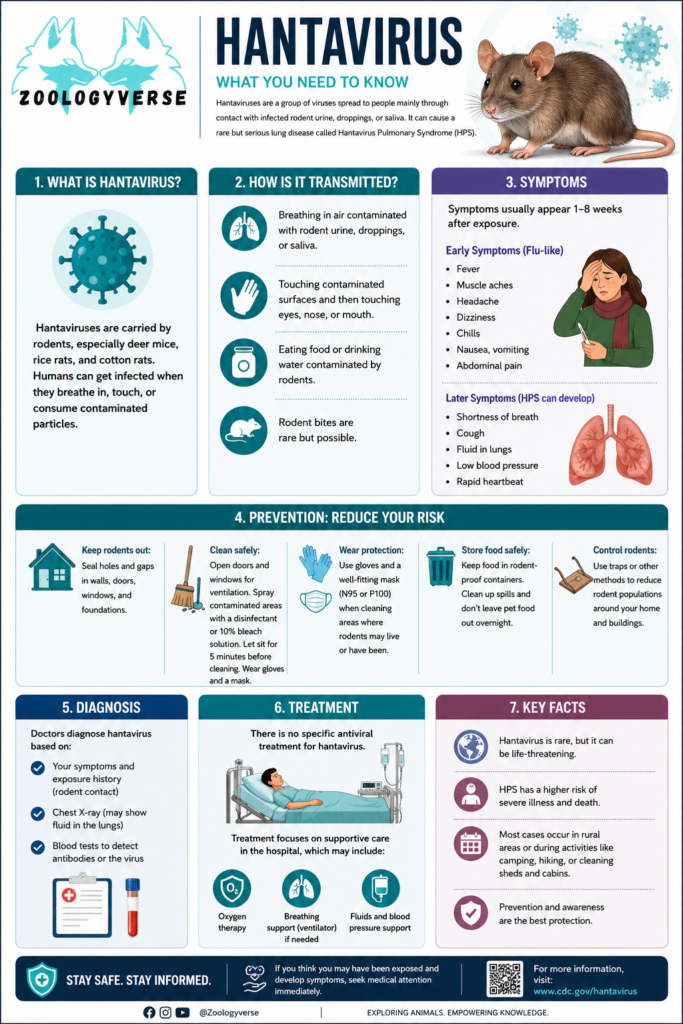
Hantaviruses are a group of viruses carried by certain species of rodents. Humans can become infected after exposure to contaminated dust, rodent urine, droppings, saliva, or nesting materials.
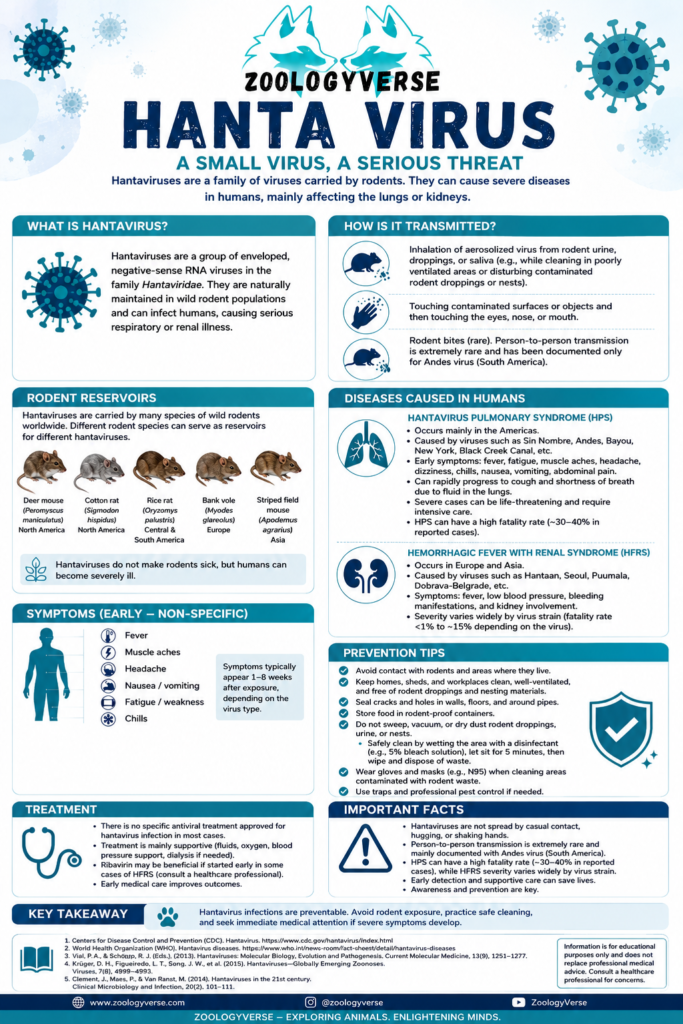
Different strains of hantavirus exist around the world:
- In North and South America, hantaviruses can cause Hantavirus Pulmonary Syndrome (HPS), a severe respiratory illness.
- In Europe and Asia, some strains cause Hemorrhagic Fever with Renal Syndrome (HFRS), which mainly affects the kidneys.
Most infections occur when people inhale virus particles that become airborne while cleaning rodent-infested areas.
According to the Centers for Disease Control and Prevention (CDC) and the World Health Organization (WHO), hantavirus infections are uncommon but can be extremely dangerous if untreated.
How Does Hantavirus Spread?
Hantavirus primarily spreads through contact with infected rodents. Common transmission methods include:
- Breathing contaminated air after disturbing rodent droppings or nests.
- Touching contaminated surfaces and then touching the mouth, nose, or eyes.
- Rodent bites in rare cases.
- Eating contaminated food exposed to infected rodents.
Unlike common respiratory viruses, most hantavirus strains do not spread easily from person to person. However, the Andes virus strain found in parts of South America has shown limited human-to-human transmission in close-contact situations.
Common Rodents Linked to Hantavirus
Different rodent species carry different hantavirus strains. Examples include:
Rodents carrying hantavirus usually do not appear sick, making it difficult to identify infected animals.
Symptoms of Hantavirus Infection
Symptoms generally appear 1 to 8 weeks after exposure.
Early Symptoms
The initial stage often resembles the flu and may include:
- Fever
- Fatigue
- Headache
- Muscle aches
- Chills
- Nausea and vomiting
- Abdominal pain
- Dizziness
Severe Symptoms
As the disease progresses, patients may develop:
- Coughing
- Shortness of breath
- Chest tightness
- Rapid heartbeat
- Fluid buildup in the lungs
- Difficulty breathing
In severe cases, hantavirus pulmonary syndrome can lead to respiratory failure.
Why Hantavirus Is Dangerous
One of the biggest concerns about hantavirus is how quickly symptoms can worsen. A patient may initially feel like they have a mild viral illness, only to develop serious breathing difficulties within days.
Hantavirus Pulmonary Syndrome has a relatively high fatality rate compared to many viral infections. Early medical attention significantly improves survival chances.
How Doctors Diagnose Hantavirus
Diagnosing hantavirus can be challenging because early symptoms resemble influenza or other viral infections.
Doctors usually consider:
- Recent exposure to rodents or rodent-infested areas
- Travel history
- Symptoms and breathing problems
- Blood tests to detect hantavirus antibodies
- Chest imaging such as X-rays or CT scans
If someone develops flu-like symptoms after cleaning dusty cabins, storage rooms, barns, or abandoned buildings, medical attention should be sought immediately.
Is There a Cure for Hantavirus?
Currently, there is no specific antiviral cure approved for most hantavirus infections.
Treatment mainly focuses on supportive care, including:
- Oxygen therapy
- Intravenous fluids
- Intensive care monitoring
- Mechanical ventilation in severe cases
Early hospitalization can greatly improve outcomes.
Hantavirus Prevention Tips
Prevention is the best defense against hantavirus. The key goal is reducing contact with rodents and contaminated materials.
1. Seal Entry Points
Close gaps and holes in homes, sheds, and storage spaces to prevent rodents from entering.
2. Store Food Properly
Keep food in sealed containers and avoid leaving pet food exposed overnight.
3. Use Safe Cleaning Methods
Never sweep or vacuum dry rodent droppings because this can release virus particles into the air.
Instead:
- Wear gloves and a mask
- Spray disinfectant on contaminated areas
- Let it soak for several minutes
- Wipe using paper towels
- Dispose of waste safely
4. Maintain Clean Surroundings
Remove clutter, garbage, and food scraps that attract rodents.
5. Be Careful in Rural or Unused Buildings
Cabins, barns, warehouses, and closed rooms may contain rodent nests and droppings.
Who Is Most at Risk?
People with greater exposure to rodent habitats face higher risk, including:
- Farmers
- Campers and hikers
- Construction workers
- Pest control workers
- People cleaning abandoned buildings
- Rural residents
Outdoor workers and travelers should take extra precautions in areas known for rodent activity.
Hantavirus Around the World
Hantavirus cases have been reported in many countries across North America, South America, Europe, and Asia.
The virus gained international attention after outbreaks linked to rodent exposure and rare cases of person-to-person transmission involving the Andes strain.
Health organizations continue monitoring outbreaks and educating communities about prevention.
Myths and Facts About Hantavirus
Myth: Hantavirus spreads easily like COVID-19.
Fact: Most hantavirus strains do not spread efficiently between people.
Myth: Only dirty homes have rodents.
Fact: Rodents can enter clean homes, cabins, and workplaces.
Myth: Every rodent carries hantavirus.
Fact: Only certain rodent species are known carriers.
Myth: Hantavirus always causes severe illness.
Fact: Severity varies, but some infections become life-threatening.
When Should You See a Doctor?
Seek immediate medical care if you experience:
- Fever and muscle aches after rodent exposure
- Sudden breathing difficulty
- Chest pain or tightness
- Severe fatigue after cleaning rodent-infested spaces
Early diagnosis can save lives.
Hantavirus is a rare but serious disease that everyone should be aware of, especially people living or working in rodent-prone environments. Although the infection is uncommon, understanding how it spreads and taking preventive steps can significantly reduce the risk.
Simple habits such as sealing homes, storing food safely, and cleaning rodent-infested areas carefully can make a major difference.
Awareness, prevention, and early medical attention remain the strongest tools against hantavirus infections.
References
Sources
Information in this article is based on guidance and public health information from the CDC and WHO. (cdc.gov)
See Other Posts Also
- EMBRYOLOGY SLIDES – RABBIT (SPERMATOGENESIS & OOGENESIS)
- Placenta in Mammals (Placentation)
- Respiratory System in Vertebrates
- Digestive System in Vertebrates
- Integument or Skin and its Derivatives in Vertebrates
Discover more from Zoologyverse
Subscribe to get the latest posts sent to your email.