Pisces

Classification of Notopterus (Chitala)

NOTOPTERUS (CHITALA)

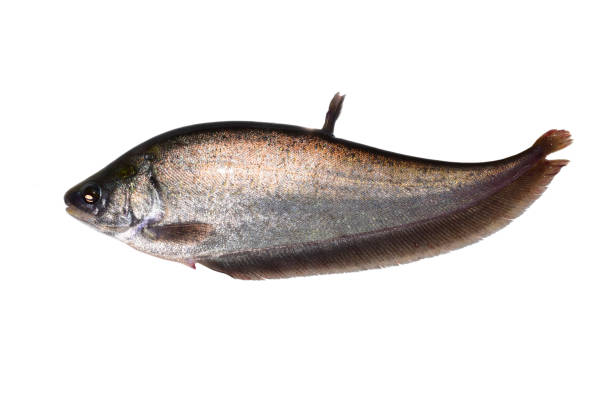
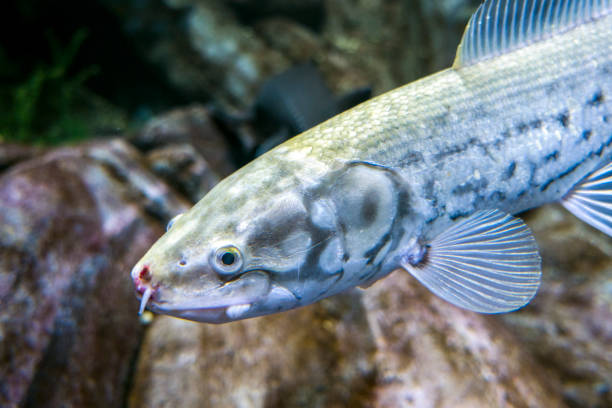
Introduction The bronze featherback (Notopterus notopterus) is a freshwater fish native to South and Southeast Asia, inhabiting rivers, lakes, and swamps. Recognizable by its elongated, laterally compressed body and silvery-bronze coloration, it holds ecological significance and faces conservation challenges. Classification of Notopterus (Chitala) Geographical distribution Habit and habitat General Characteristics of Notopterus (Chitala) Ecological Importance

NOTOPTERUS (CHITALA) Read More »

Classification of Lepidosteus (Garpike)

LEPIDOSTEUS (GARPIKE)

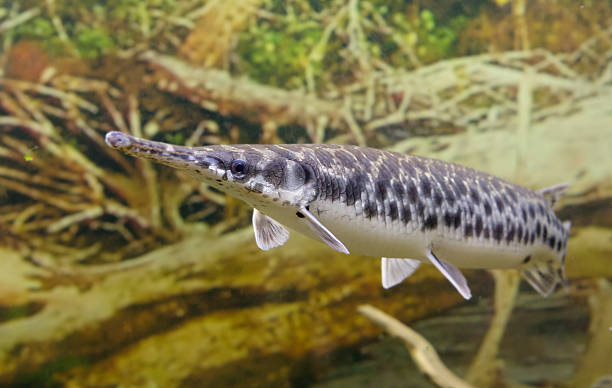
Classification of Lepidosteus (Garpike) Geographical distribution Habit and habitat General Characteristics of Lepidosteus (Garpike) Lepidosteus, commonly known as gars, is a genus of ancient ray-finned fishes belonging to the family Lepisosteidae. These fish are native to North and Central America and are typically found in freshwater rivers, lakes, and brackish waters. Gars are known for

LEPIDOSTEUS (GARPIKE) Read More »

Classification of Acipenser (Sturgeon)

ACIPENSER (STURGEON)

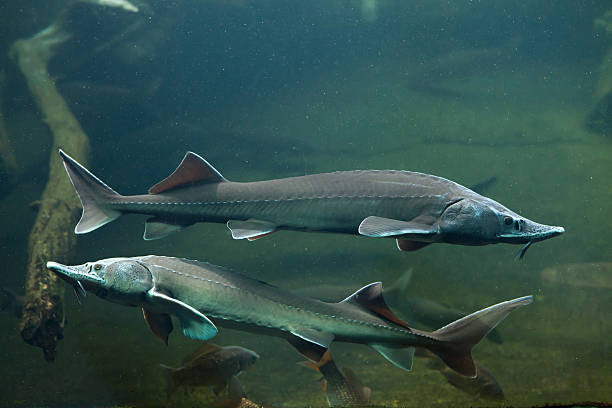
Classification of Acipenser (Sturgeon) Geographical distribution Habit and habitat General Characteristics of Acipenser (Sturgeon) Acipenser is a genus of fish within the family Acipenseridae, commonly referred to as sturgeons. These ancient fish are often called “living fossils” due to their evolutionary history, which dates back over 200 million years. They are primarily found in freshwater

ACIPENSER (STURGEON) Read More »

Classification of Polypterus (Bichir)

POLYPTERUS (BICHIR)

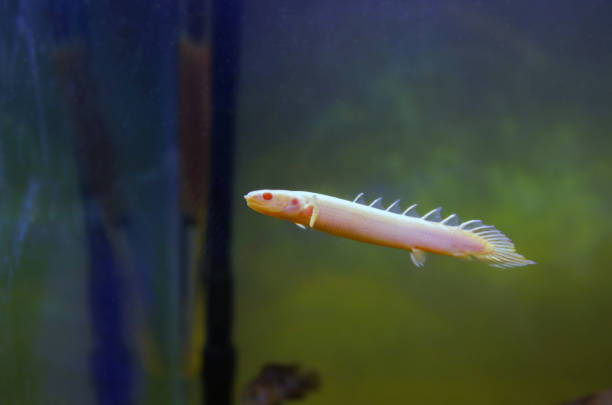
Classification of Polypterus (Bichir) Geographical distribution Habit and habitat General Characteristics of Polypterus (Bichir) Ecological Importance: Conservation Status: In summary, Polypterus species are ecologically significant as both predator and prey, contributing to the health and balance of freshwater ecosystems. While many species are not currently at high risk, habitat degradation and human activities could threaten

POLYPTERUS (BICHIR) Read More »

Classification of Myliobatis (Eagle Ray)

MYLIOBATIS (EAGLE RAY)

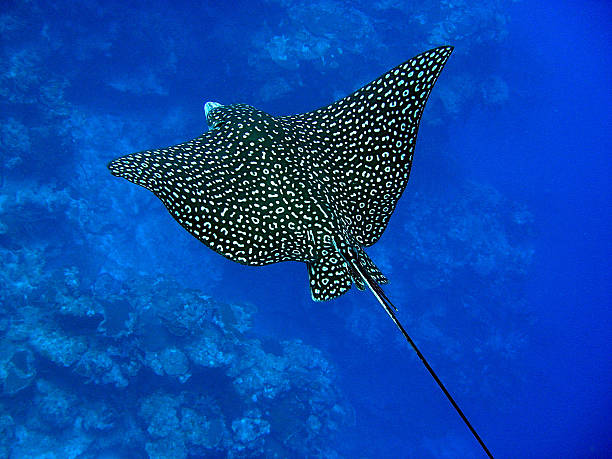
Classification of Myliobatis (Eagle Ray) Geographical distribution Myliobatis is found in tropical and sub-tropical regions, in Mediterranean andeastern and southern coast& of England. Upper Jurassic to Recent. Habit and habitat Myliobatis is found in sea water. It is viviparous and carnivorous. It feeds on small organisms, crustaceans and molluscs. General Characteristics of Myliobatis (Eagle Ray)

MYLIOBATIS (EAGLE RAY) Read More »

Classification of Trygon (Dasyatis)

TRYGON (DASYATIS) STING RAY

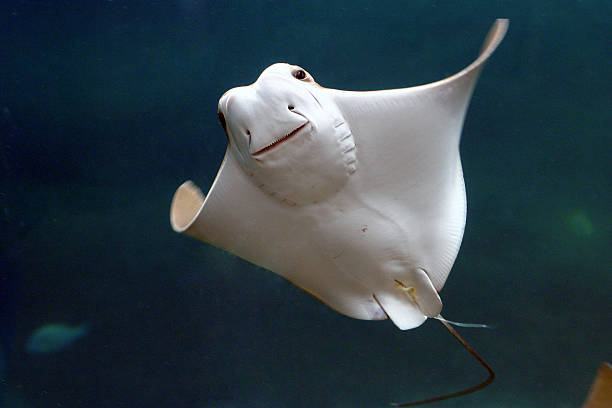
Classification of Trygon (Dasyatis) Geographical distribution Trygon is abundantly distributed in tropical regions of the Atlantic and Pacific Oceans. It has been reported from India, Japan, China, North America, Australia and South America. Upper Jurrassic to Recent. Habit and habitat Trygon is found lying quietly on the sea bottom. It occasionally swims to change the

TRYGON (DASYATIS) STING RAY Read More »

RHINOBATUS (GUITAR FISH)

RHINOBATUS (GUITAR FISH)

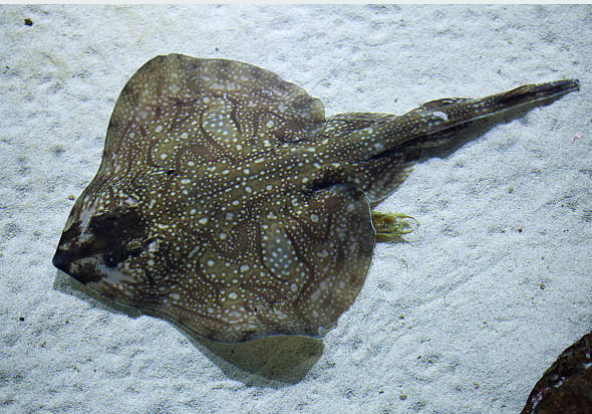
Classification of Rhinobatus (Guitar Fish) Geographical distribution Rhinobatus has been reported from west coast of Africa, Indian Ocean, Australia, China, Atlantic and Pacific coasts of America and Galapagos. Mostly distributed in tropical and sub-tropical seas. Upper Jurassic to Recent. Habit and habitat It is a bottom dweller. General Characteristics of Rhinobatus (Guitar Fish) Economic importance

RHINOBATUS (GUITAR FISH) Read More »

Classification of Sphyrna : Hammer-headed Shark

SPHYRNA (HAMMER HEADED SHARK)

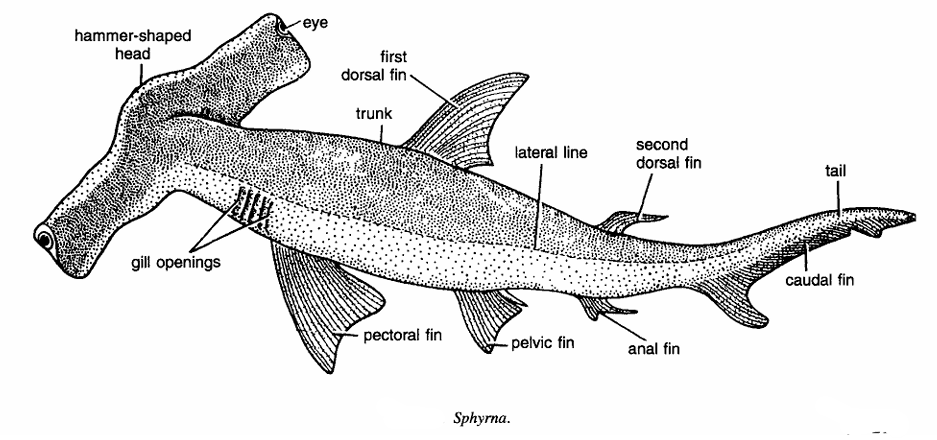
Classification of Sphyrna : Hammer headed Shark Geographical distribution of Sphyrna : Hammer-headed Shark Sphyrna is found in all tropical and sub-tropical sea waters and Pacific Ocean, primarily in warm coastal waters. Lower Carboniferous to Recent. Habit and habitat of Sphyrna : Hammer-headed Shark Sphyrna or Zygaena or Reniceps is a common marine fish, adapted

SPHYRNA (HAMMER HEADED SHARK) Read More »