
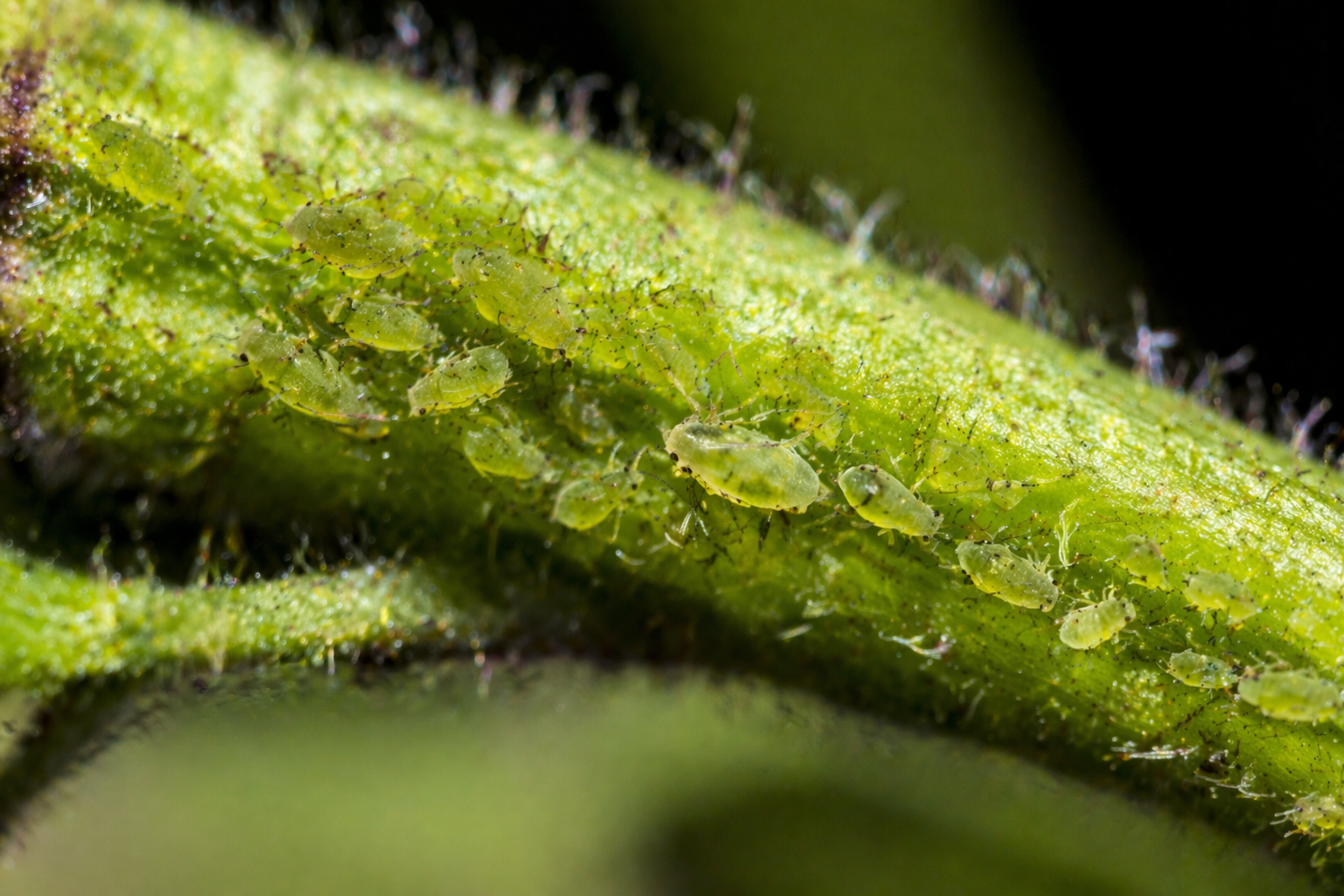
Aphids are tiny insects that feed on sap and belong to the Hemipteran order’s Aphididae family. Although individuals within a species can differ greatly in color, common names include “greenfly” and “blackfly.” The fluffy white woolly aphids are part of the group. In a typical life cycle, flightless females give live birth to female nymphs without the assistance of males. These nymphs may also be pregnant, an adaptation scientists refer to as telescoping generations. These insects quickly proliferate due to the females’ rapid maturation and copious reproduction. Later in the season, winged females may emerge, enabling the insects to settle on other plants. Autumn is when sexual reproduction takes place in temperate regions, and the insects often overwinter as eggs.
Classification of Aphids
Phylum – Arthropoda (Jointed Appendages)
Class – Insecta (3 pairs of legs.)
Sub-class – Pterygota (Winged insects.)
Division – Exopterygota (Wings develop externally.)
Order – Hemiptera (Metamorphosis gradual.)
Habit and habitat
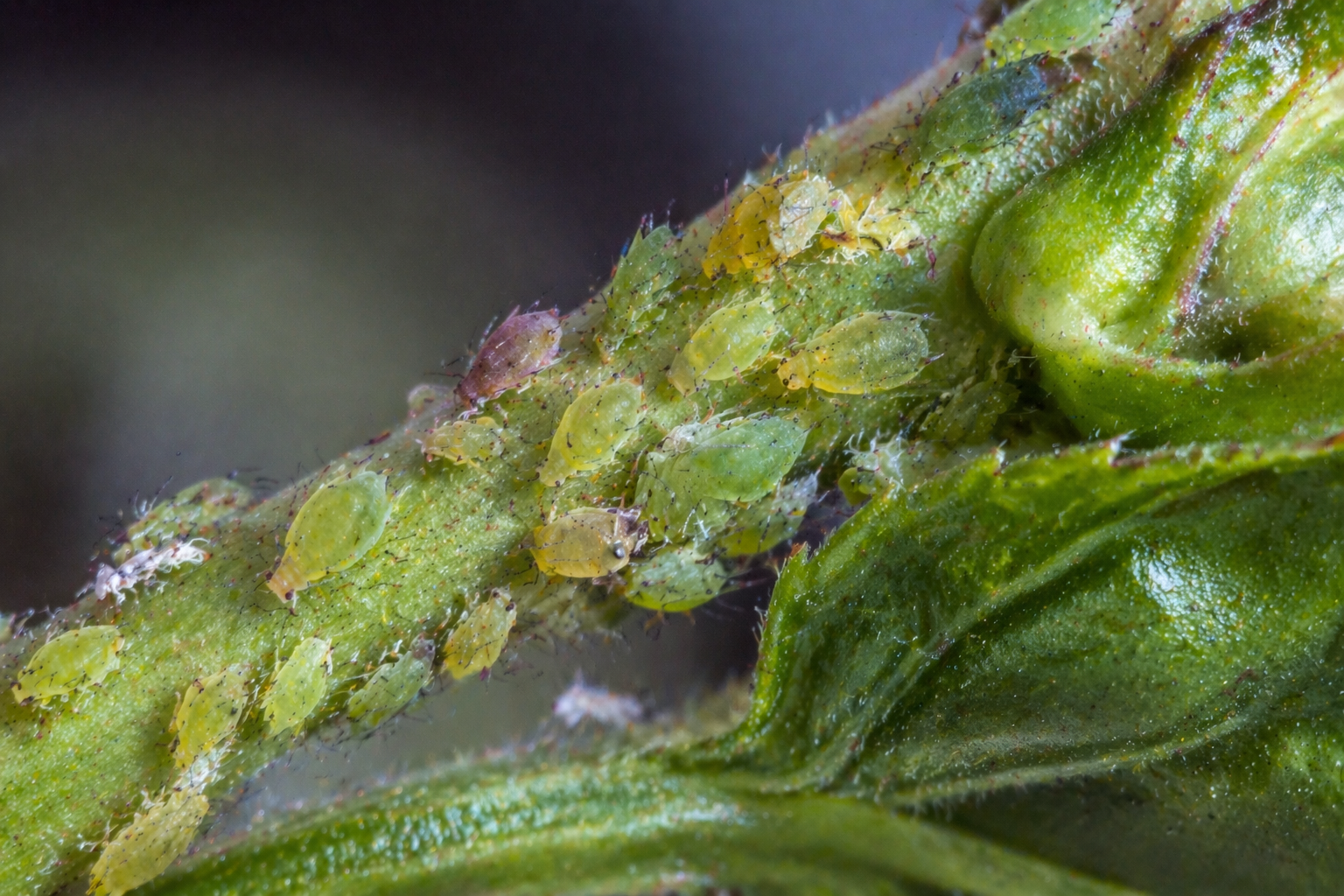
Aphid is a small insect infecting every kind of plant, sucking the juice. It presents peculiar feature, i.e. adaptation to parasitic mode of life.
Distribution
They occur specially on mustard, wheat and cotton plants.
Comments on Aphids
- Commonly called as plant lice.
- These insects are easily distinguished by the rounded body form and a pair of siphons.
- They are dull yellow, green or black coloured insects.
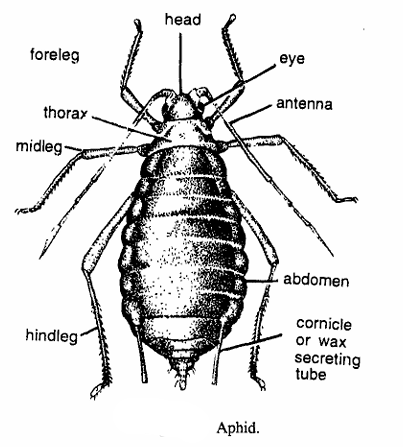
- Body is short divided into head, thorax and abdomen.
- Head is distinct with long straight antennae, small compound eyes and long thread like mouth parts extruded from a short proboscis.
- Mouth parts are of sucking and piercing type.
- Thorax and elongated abdominal robut.
- Abdomen contains a pair of elongated wax secreting tube or cormidia.
- Labial proboscis extend to anterior coxi.
- Spiracles in pairs. Their life cycle is very complex involving asexual and sexual phases and both winged and wingless forms.
Economic importance
Harmful insects. Aphids are economically important. Aphids destroy mustard and wheat crops and also cotton plants. Certain they use aphids as ‘ant cows’. They nurse ants and strike them gently, while they are feeding and thus ‘milk’ them of a sweet juice called honey dew. Certain aphids show hyperparasitism. They live inside the body of other aphids.
Special features
The females are as a general rule parthenogenetic producing eggs and young ones without intervention of males. The question arises as to how they are able to carry genetic constitution and genetic continuity.
Identification
Since the aphid has elongated antennae and all above features, hence it is Aphid.
See other posts also
- DragonFly
- Ephimera (Mayfly)
- Species Concept
- THEORIES OF ORIGIN OF METAZOANS
- Environmental Limiting Factors
Discover more from Zoologyverse
Subscribe to get the latest posts sent to your email.