
Carcinus (Crab)
Crabs in the genus Carcinus (Greek: Καρκίνoς Karkinos) include the significant invasive species Carcinus maenas and the Mediterranean Sea-endemic species C. aestuarii.
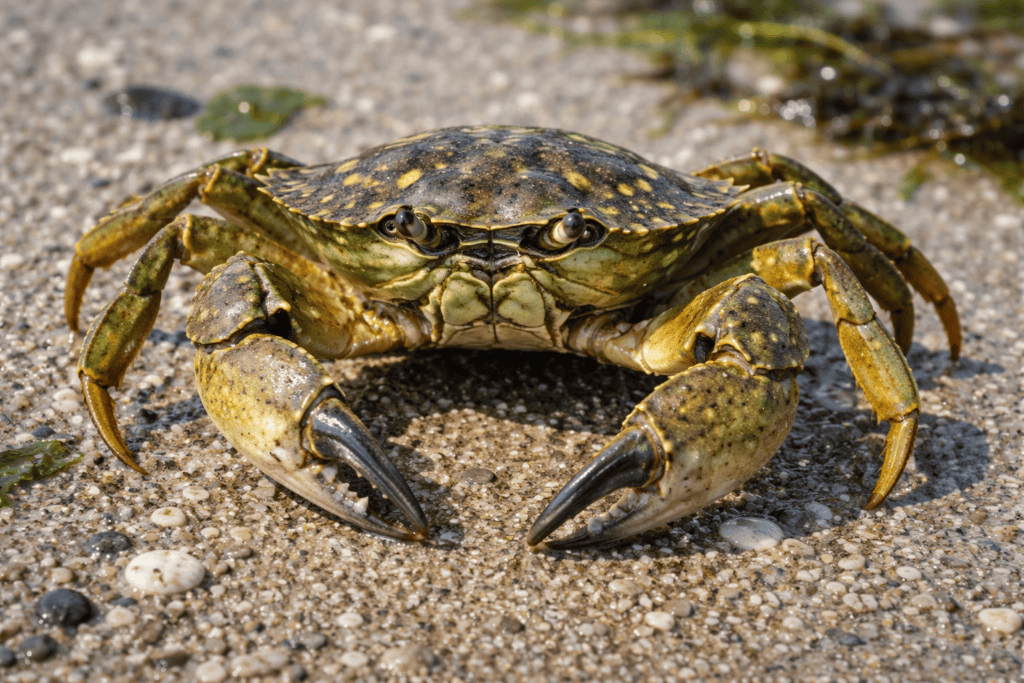
Crabs in the genus Carcinus (Greek: Καρκίνoς Karkinos) include the significant invasive species Carcinus maenas and the Mediterranean Sea-endemic species C. aestuarii.
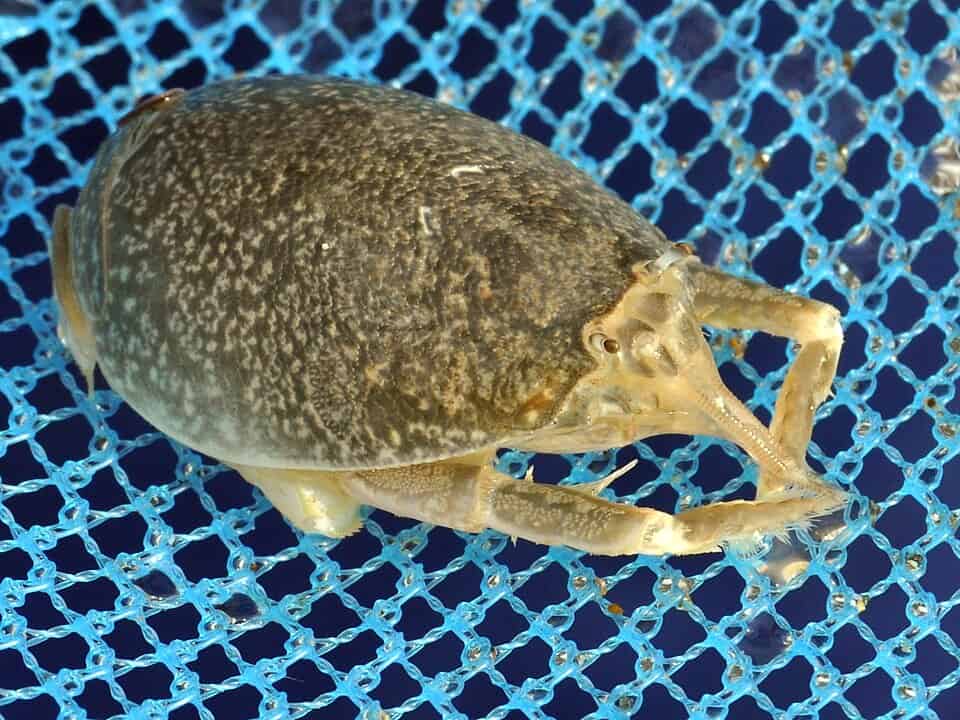
The little, sand-burrowing decapod crab species Hippa adactyla inhabits the shores of the Indo-West Pacific. It can be found in the swash area of the intertidal zone on bare sandy beaches.
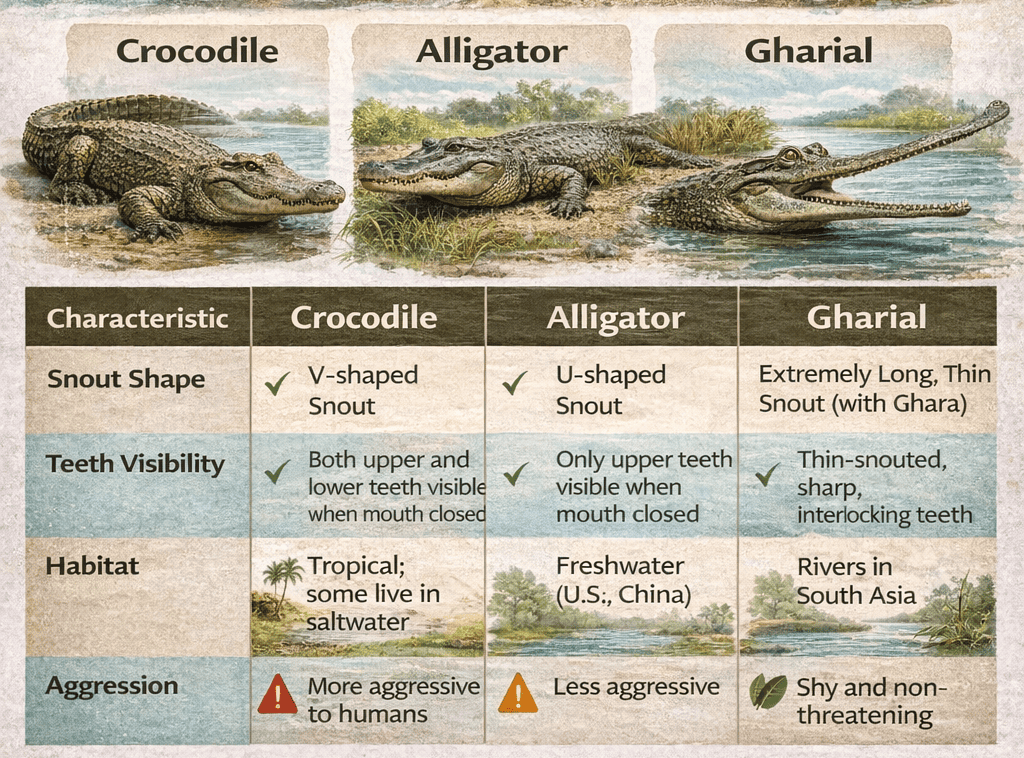
Crocodile vs alligator vs gharial are large semi-aquatic reptiles belonging to the order Crocodilia. They differ greatly in appearance, habitat, behavior, and distribution, although having many traits in common, like as strong jaws, armored bodies, and a lifestyle related to water. Comprehending these differences facilitates precise identification and emphasizes their ecological significance. Physical Differences Between
Differences between Crocodile vs Alligator vs Gharial Read More »
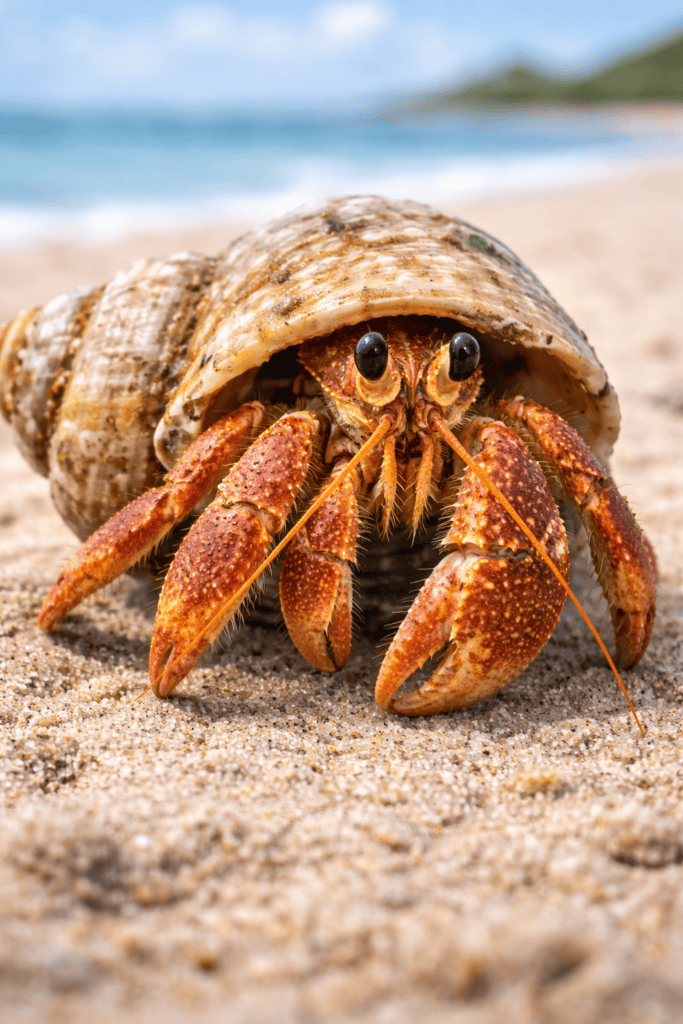
Commonly identified as belonging to the genus Pagurus, Eupagurus is a genus of marine hermit crabs in the Paguridae family. They are distinguished by their asymmetrical, soft, and curled abdomens, which necessitate sheltering in empty snail shells. These decapods are found in marine habitats all over the world, frequently coexisting with sea anemones.
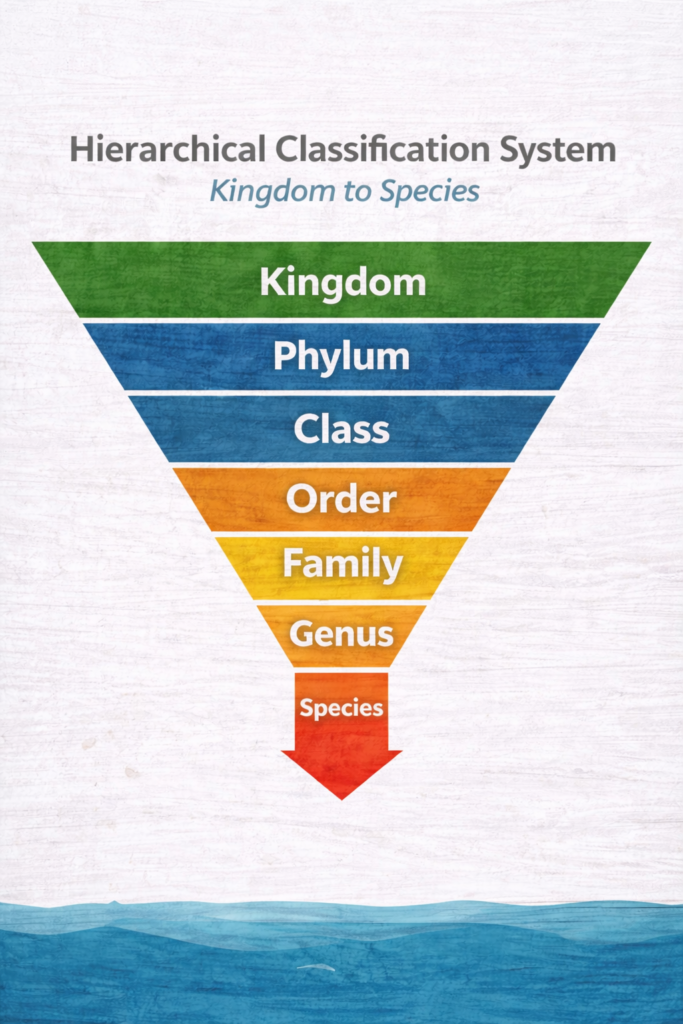
The history of biological classification states that the Greek philosopher Aristotle categorized many creatures according to their environment, traits, etc. Later, in the 18th century, Swedish botanist Carolus Linnaeus established the Taxonomic Hierarchy Categories, a classification scheme that is still in use today.
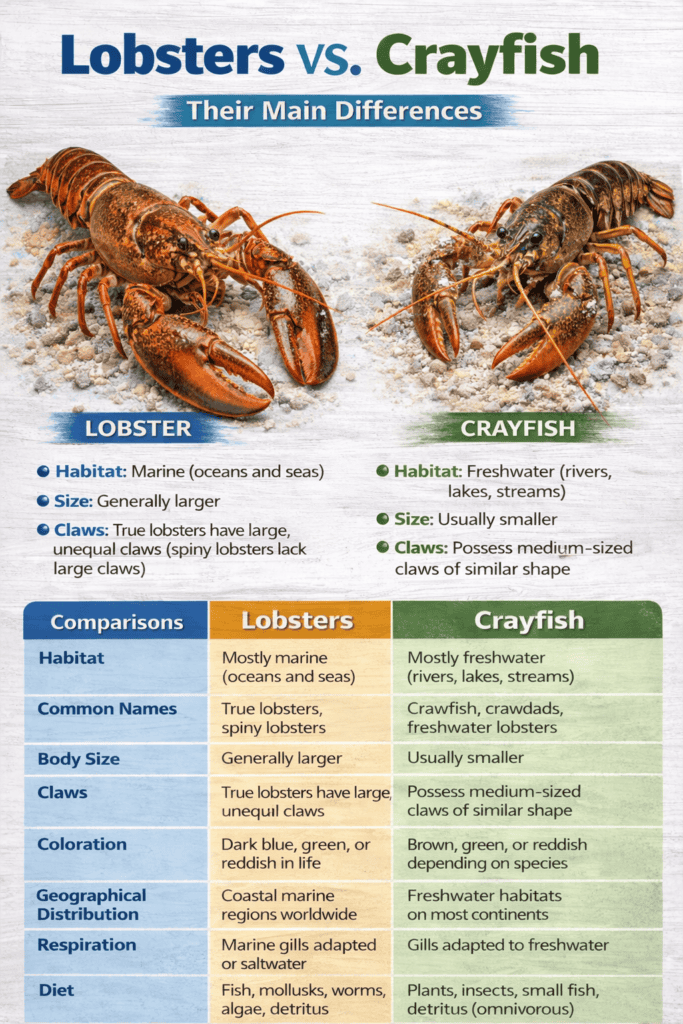
Crayfish vs Lobster : Differences Explained – The fact that lobsters are sometimes referred to as crayfish in some places only serves to further confuse the two species. They do appear strikingly same, so it’s simple to make the mistake. Both have big pincers and robust exoskeletons, and they both live in water. In actuality, however, they belong to two distinct species.
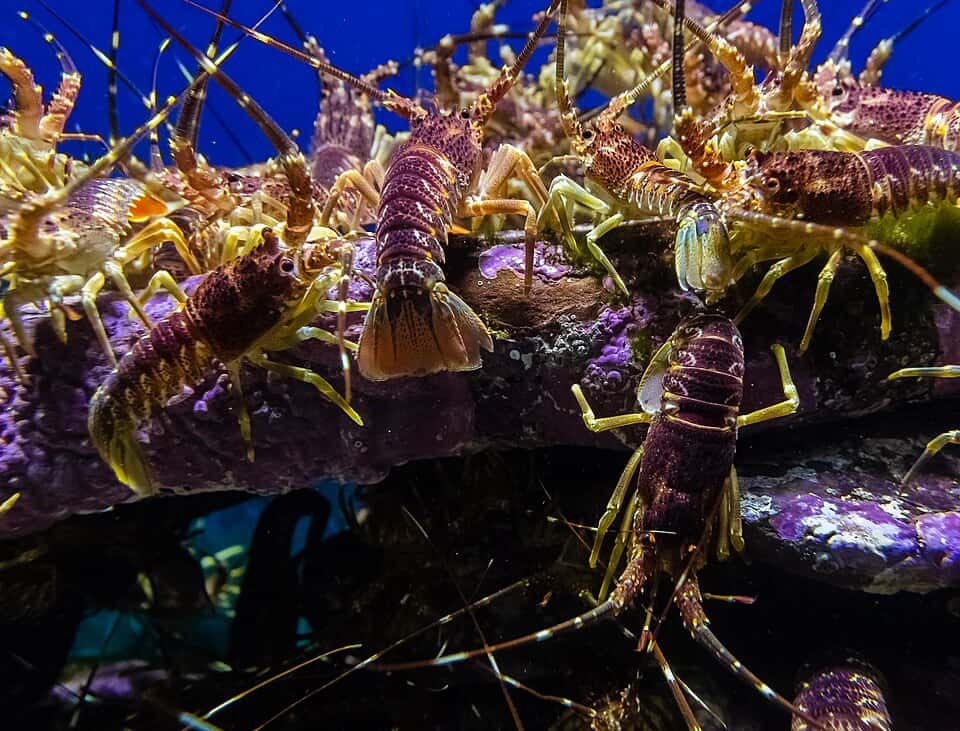
Palinurus is a genus of lobsters in the family Palinuridae, native to the eastern Atlantic Ocean, the Mediterranean Sea and the western Indian Ocean. A 110 million year old fossil, recognizable as a member of the genus Palinurus, was discovered in a quarry in El Espinal, Chiapas state, Mexico, in 1995 and named P. palacesi.
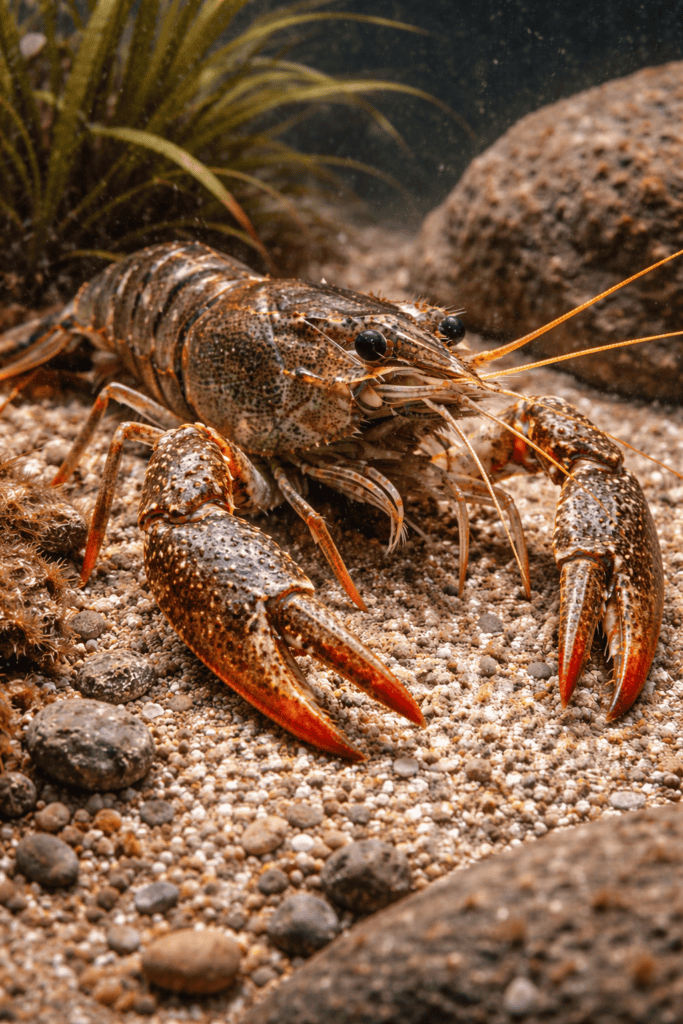
Astacus astacus (commonly known as the European crayfish, noble crayfish, or broad-legged crayfish) is a freshwater decapod native to Europe from France to Russia to Scandinavia
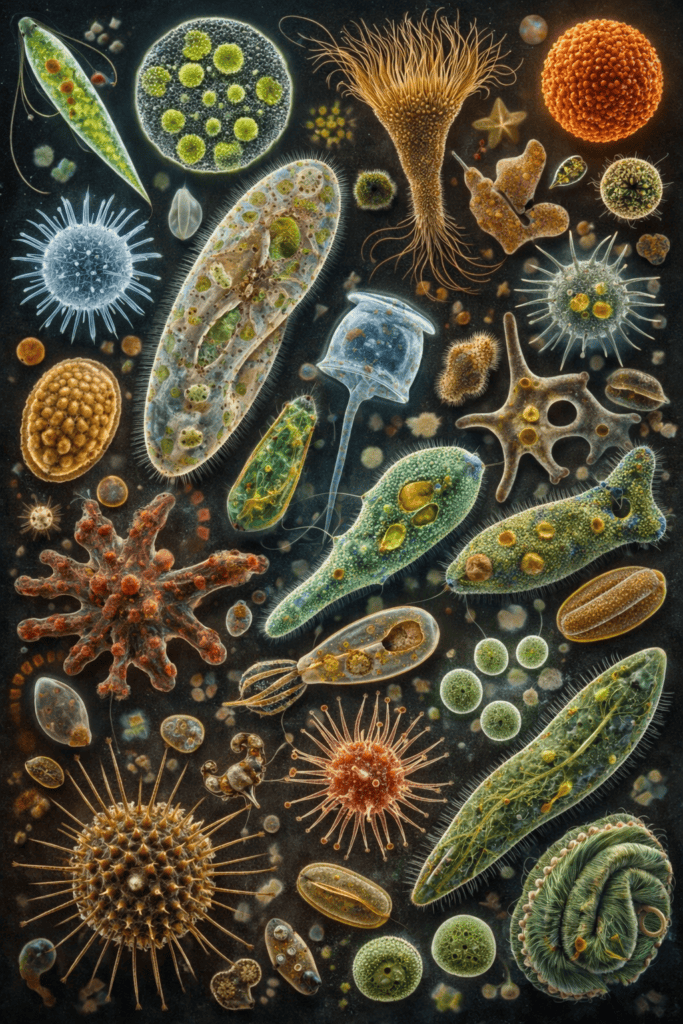
Wastebasket taxon (also called a waste-bin taxon, dustbin taxon or catch-all taxon) is a term used by some taxonomists to refer to a taxon intended to classify organisms that do not fit anywhere else. They are generally defined by designated members, often superficial resemblance to each other, lack of one or more distinct trait states, or non-membership of one
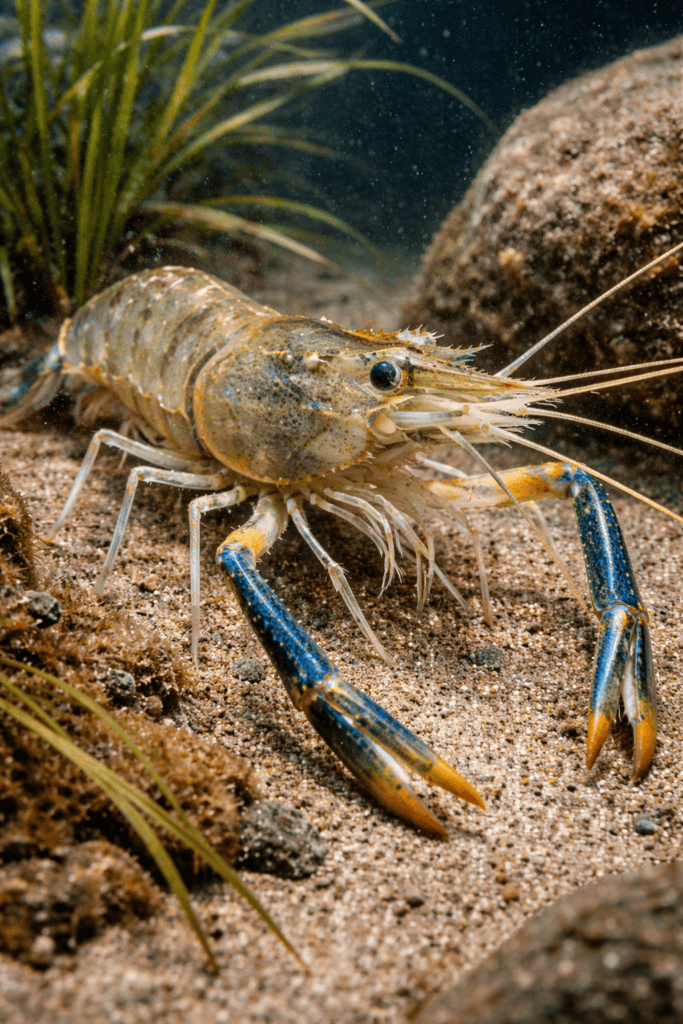
Introduction Macrobrachium Malcolmsonii (formerly known as Palaemon Malcolmsonii) or monsoon river shrimp is an economically important nocturnal omnivorous freshwater shrimp that inhabits the rivers, lakes, and ponds of India, Pakistan, and Bangladesh. They are 25 to 40 cm long, relatively hardy, and prefer slow, clear water. They are bottom-dwellers that breed during monsoon months. Classification of Palaemon malcomsonii Taxonomic Rank Name Characteristics Kingdom Animalia Multicellular eukaryotes Phylum Arthropoda Segmented invertebrates with jointed appendages Subphylum
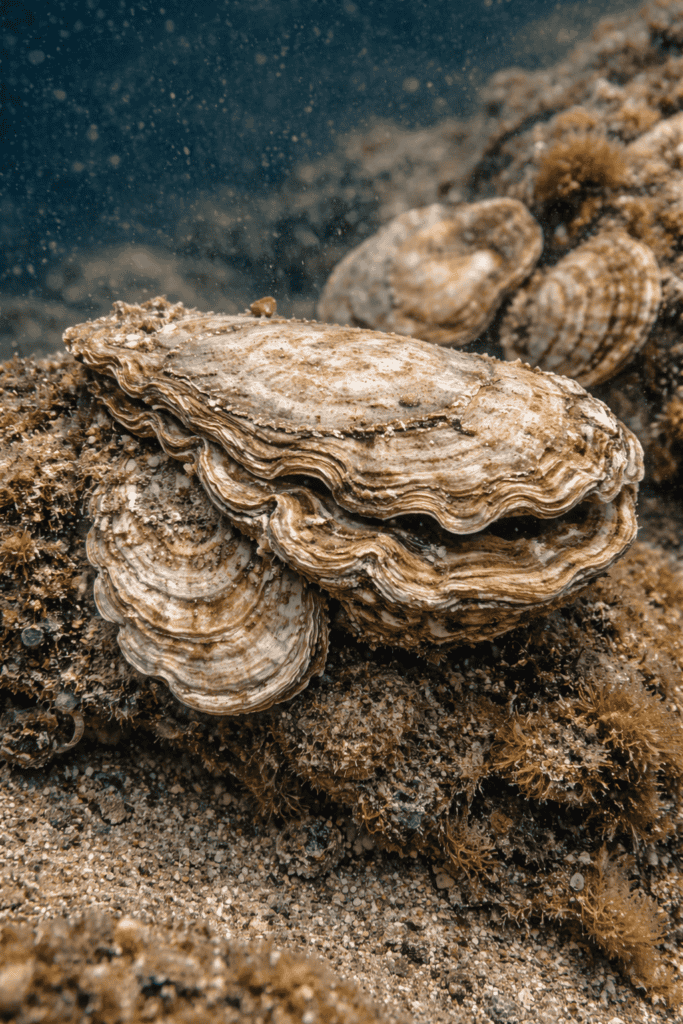
Classification of Ostrea verginiana, O. virginiana is highly valued as food. Oysters are cultivated by men like other animal products industry
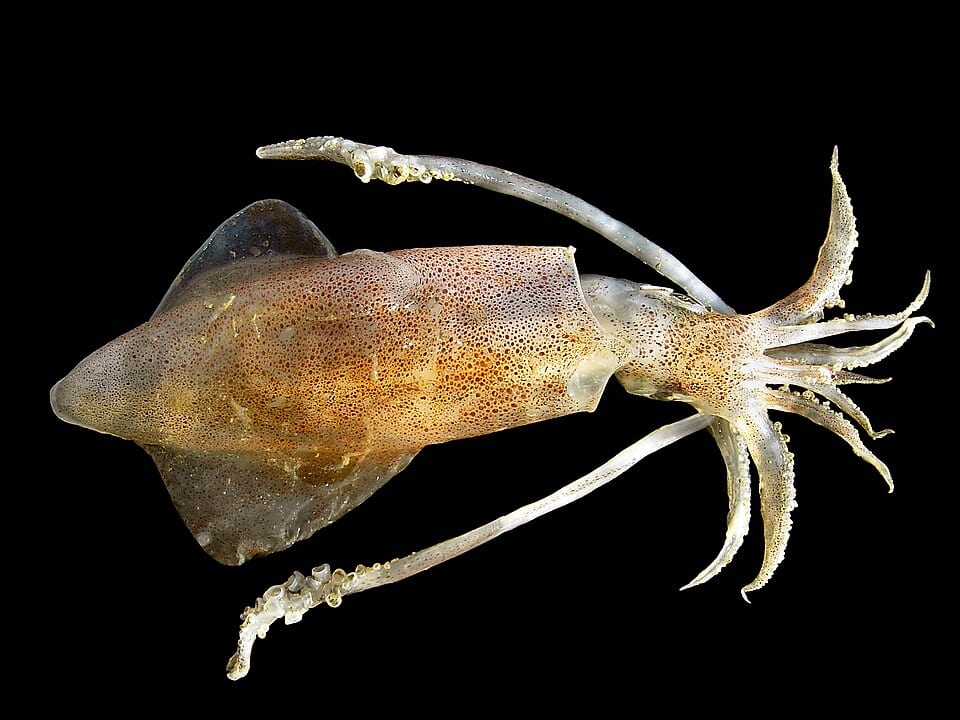
Introduction Loligo is a well-known genus of squid belonging to the family Loliginidae. These squids are admired for their speed, intelligence, and streamlined bodies. Because of their advanced adaptations and global distribution, species are significant not only in marine ecosystems but also in scientific research and international fisheries. This detailed article explores their morphology, ecological

Introduction Sepia is a remarkable genus of cuttlefish recognized for its advanced camouflage abilities, intelligence, and unique cuttlebone structure. This guide provides a clear overview of its classification, physical traits, ecology, and importance in marine ecosystems. Scientific Classification of Sepia Taxonomic Rank Classification Characteristics Kingdom Animalia Multicellular and heterotrophic Phylum Mollusca Soft-bodied invertebrates Class Cephalopoda
Sepia – Characteristics, Habitat, and Importance of the Cuttlefish Read More »

The Aravalli Crisis 2025: A Battle for India’s Ecological Shield The Aravalli Range, one of the world’s oldest geological features, is currently the center of an intense legal and environmental battle. Spanning nearly 700 kilometers across Gujarat, Rajasthan, Haryana, and Delhi, these hills serve as the primary barrier against the expansion of the Thar Desert
The Aravalli Crisis 2025: A Battle for India’s Ecological Shield Read More »
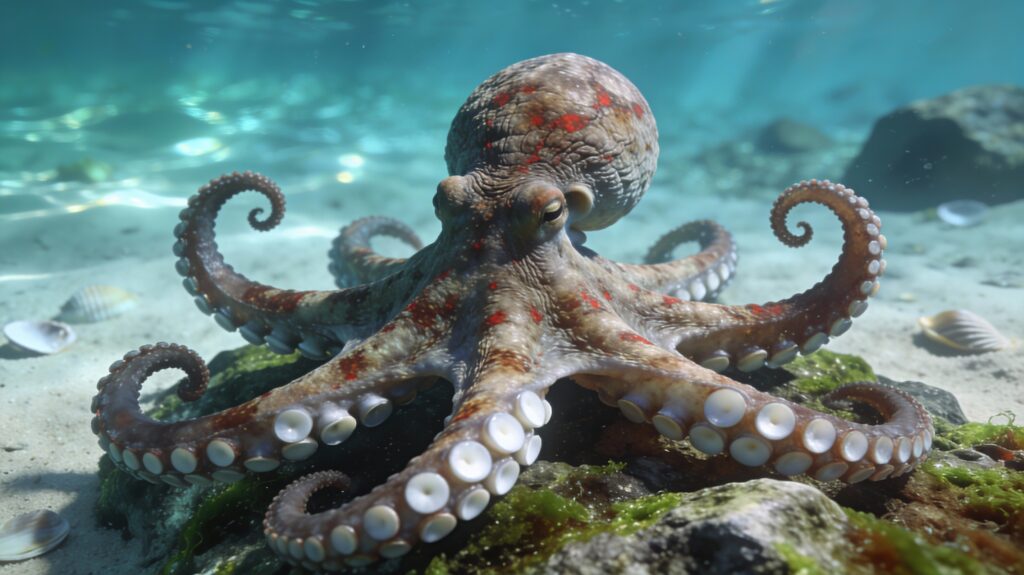
Master of Camouflage and Intelligence The Octopus is perhaps the most famous and highly intelligent member of the class Cephalopoda, a group of marine mollusks that also includes squid and cuttlefish. Renowned for its eight highly flexible arms, sophisticated camouflage abilities, and remarkable problem-solving skills, the octopus represents the pinnacle of invertebrate evolution. Their lack
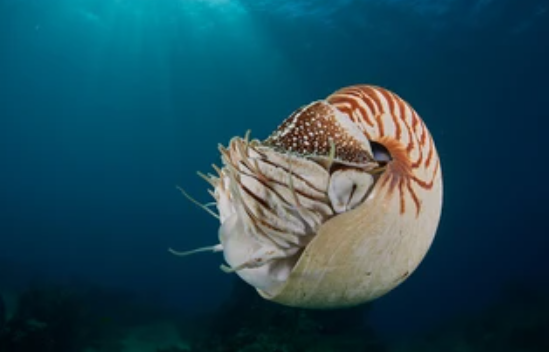
The Nautilus, a majestic marine mollusk, is often revered as a “living fossil” for its remarkable survival through multiple mass extinctions over an evolutionary history spanning nearly 500 million years. It is the sole living genus of the subclass Nautiloidea, a lineage that once dominated the ancient oceans. Unlike its more modern relatives—the squids, octopuses,

Introduction Argonauta, also known as the paper nautilus, is a fascinating genus of pelagic octopods belonging to the family Argonautidae. Often mistaken for the true nautilus (a shelled cephalopod), the Argonauta is unique for the intricate, delicate, paper-thin shell that the female secretes and uses to house her eggs and potentially for buoyancy and respiration.

Unio includes medium-sized freshwater mussels belonging to the family Unionidae, commonly known as river mussels. These bivalve mollusks occupy rivers and lakes across Europe, Africa, and the Middle East, and humans have introduced some species into East Asia. Researchers revere Unio species for their ecological role in filtering water and indicating water quality. Their fossil
Unio | Classification, Habitat and Identification Read More »

Mytilus: Classification, Habitat, Anatomy, Ecology, and Identification The genus Mytilus encompasses medium to large saltwater mussels, renowned bivalve mollusks of the family Mytilidae and key ecological engineers of temperate marine coasts. These mussels are notable for forming dense beds along rocky shorelines and estuaries, providing habitat structure and stabilizing substrates. Some species such as M.
Mytilus: Classification, Habitat, Anatomy, Ecology, and Identification Read More »

Limax: Classification, Habitat, Anatomy, Ecology, and Identification Limax is a genus of large, air-breathing terrestrial slugs in the family Limacidae, best known for its most prominent species, Limax maximus, commonly called the leopard slug or great grey slug. Unlike most land mollusks, Limax species are shell-less as adults, instead possessing a small internal shell plate.
Limax: Classification, Habitat, Anatomy, Ecology, and Identification Read More »