
MACACA MULATTA (RHESUS MONKEY)
The rhesus macaque (Macaca mulatta) is one of the most widely recognized and studied primates in the world. Native to South, Central, and Southeast Asia,
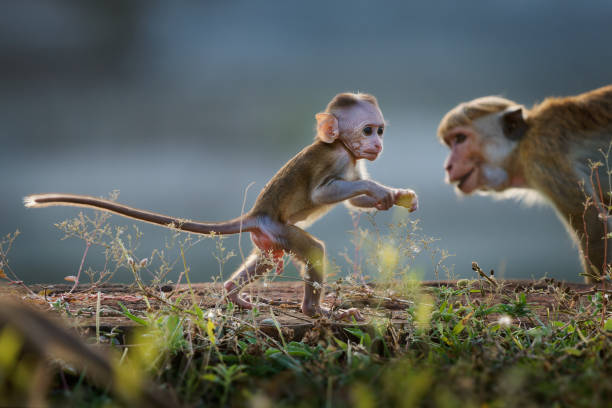
The rhesus macaque (Macaca mulatta) is one of the most widely recognized and studied primates in the world. Native to South, Central, and Southeast Asia,
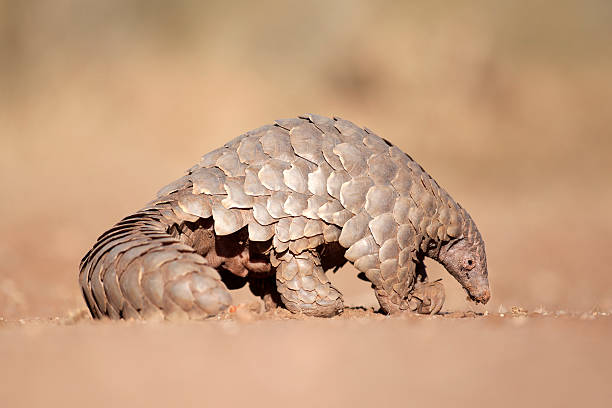
All eight species of pangolins are threatened in some capacity, with many classified as Endangered or Critically Endangered
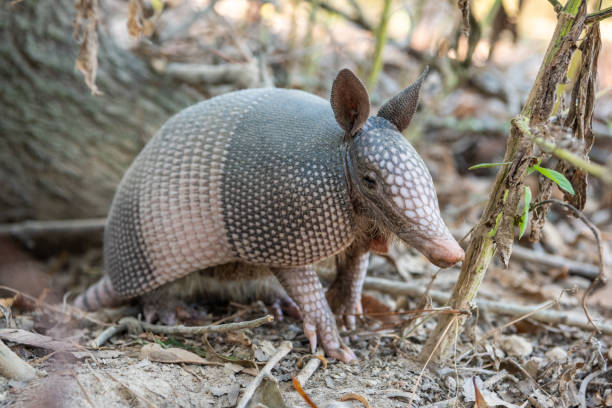
Dasypus, commonly referred to as the long-nosed armadillo, is a genus of armadillos native to the Americas. The most well-known species is the nine-banded armadillo (Dasypus novemcinctus), though the genus includes several others. These unique mammals play significant roles in their ecosystems and exhibit fascinating adaptations. Classification of Dasypus (Armadillo) Geographical distribution Habit and habitat
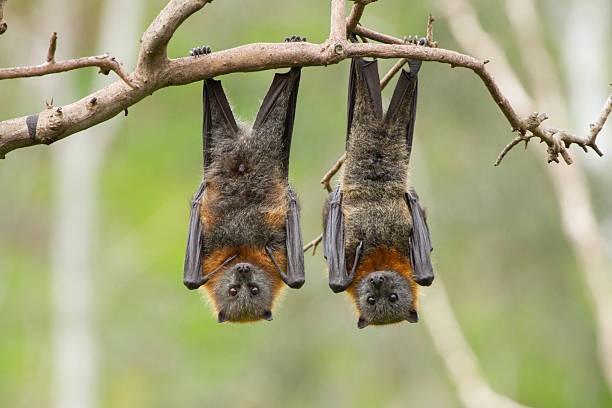
The genus Pteropus, commonly known as flying foxes or fruit bats, comprises large fruit-eating bats found in tropical and subtropical regions, particularly in South and Southeast Asia, Australia, and the Pacific islands. These bats are vital to the health and functioning of ecosystems, but they face significant conservation challenges. Classification of Pteropus (Flying Fox) Geographical
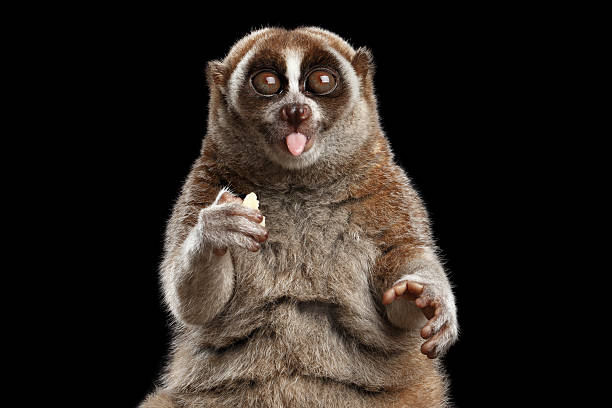
Loris refers to small, nocturnal primates belonging to the family Lorisidae. These arboreal animals are native to South and Southeast Asia and include species such as the slender loris and slow loris (Nycticebus). Despite their small size and elusive nature, lorises play important ecological roles and face significant conservation challenges. Classification of Loris Geographical distribution
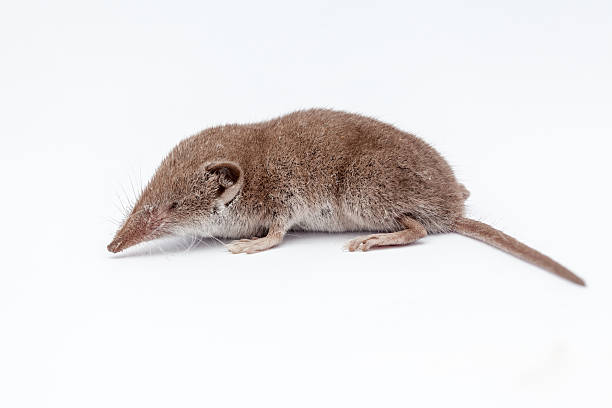
The genus Sorex, commonly known as shrews, includes numerous small mammalian species found in a variety of habitats,
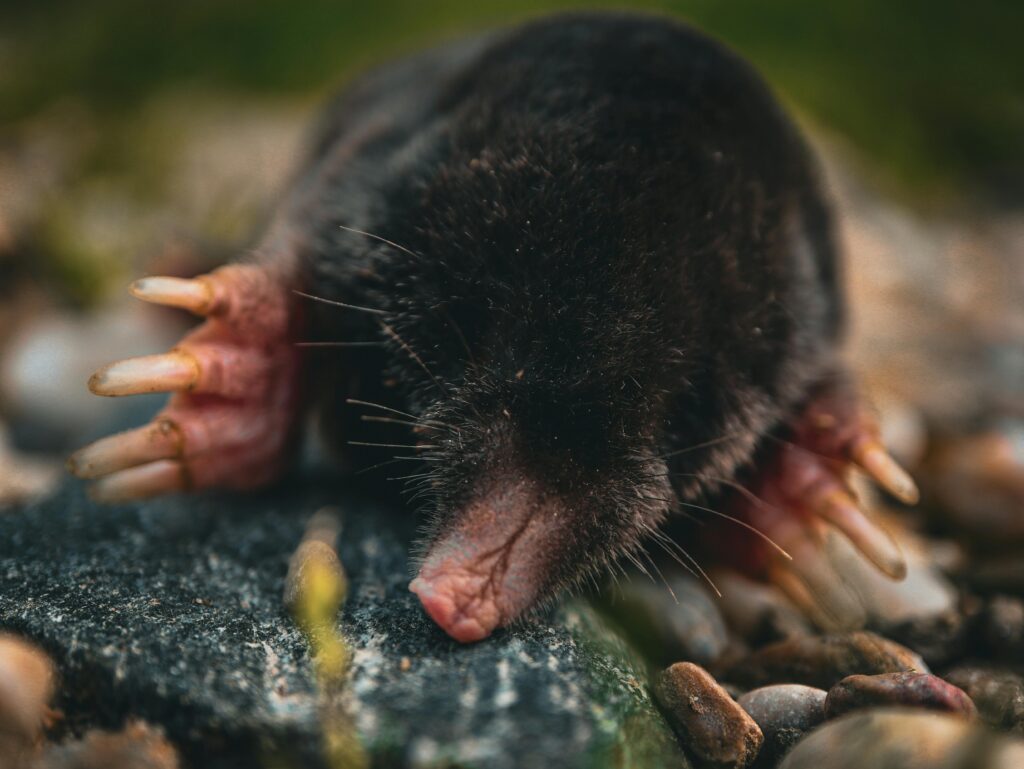
Talpa is a genus of Eurasian moles in the family Talpaidae, which includes about 13 to 14 species, including the common European mole (Talpa europaea). Known as subterranean insectivores, they are characterized by their velvety fur, burrowing claws, and the formation of earthen mounds. Although they help control insects in the soil, they are considered
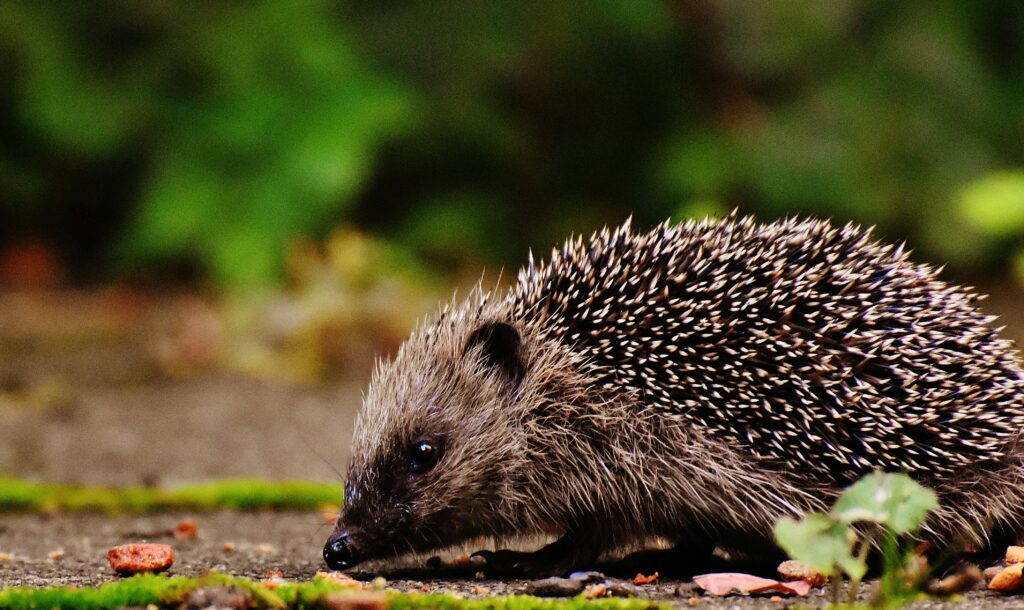
Erinaceus is a genus of the hedgehog family Erinaceus. There are four main species of Erinaceus. Its range covers all of Europe, the Middle East, parts of Russia, and extends to northern China and South Korea. The European hedgehog (Erinaceus europaeus) has been introduced to New Zealand. Classification of Erinaceus (Hedgehog) Geographical distribution Habit and
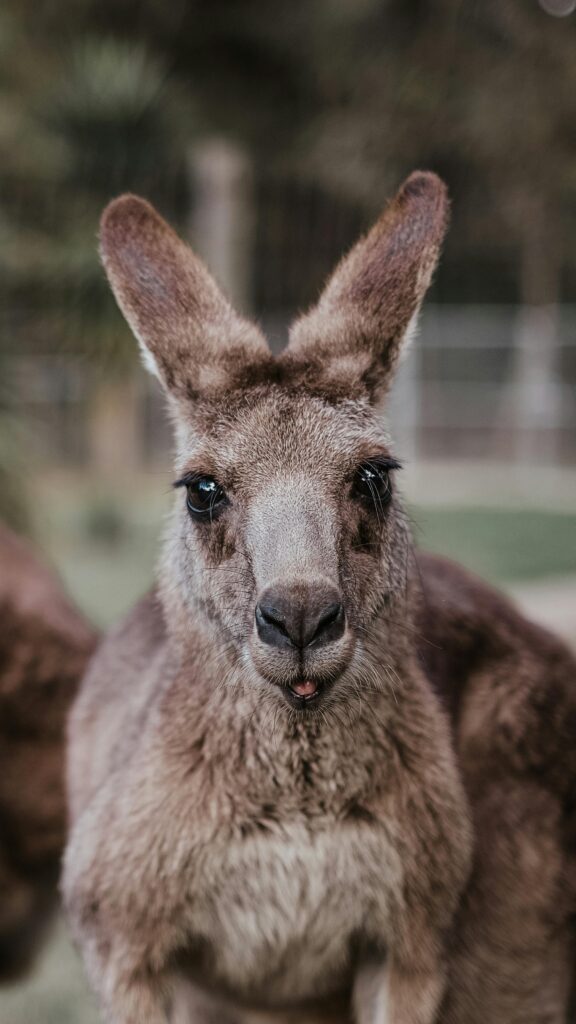
Macropus, derived from the ancient Greek words μακρός (makrós) meaning long” and πούς (pous) meaningleg,” is a genus of marsupials
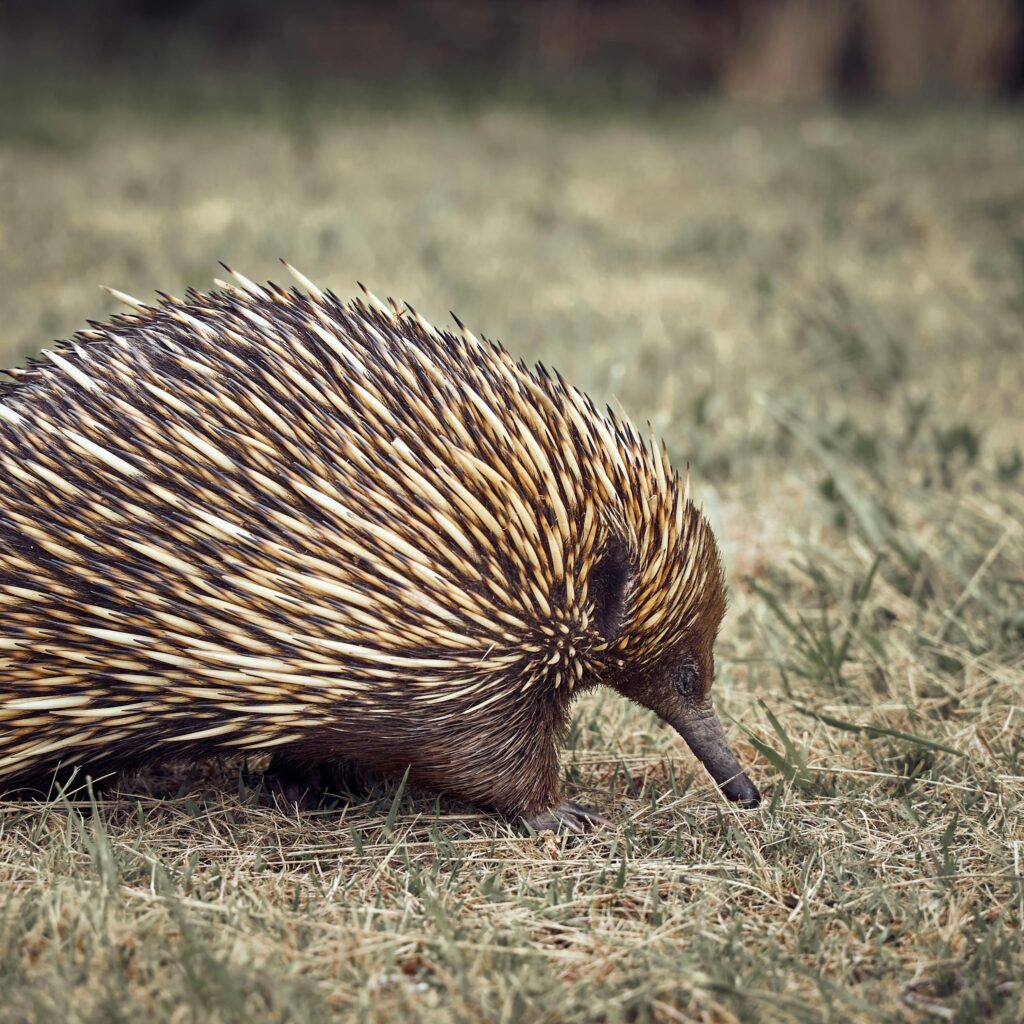
The echidna, or spiny anteater, is a unique oviparous mammal (monotreme) native to Australia and New Guinea, characterized by a spiny, hairy body and a long, sticky tongue used for eating ants and termites. One of five living monotremes, it is solitary, has a low body temperature, and has a baby pouch known as a
Echidna: Classification, Habitat & Characteristics Read More »
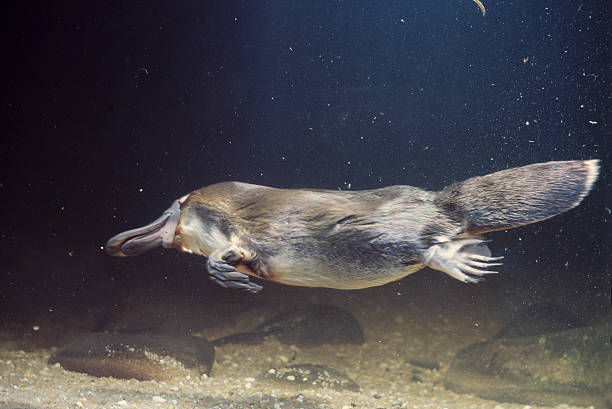
The platypus (Ornithorhynchus anatinus), also known as the platypus, is a semi-aquatic egg-laying mammal endemic to eastern Australia, including Tasmania. The platypus is the only extant species of the family Ornithorhynchidae and genus Ornithorhynchus, but many related species appear in the fossil record. Along with four species of echidna, it is one of five extant