Invertebrates

Classification of Bopyrus

Bopyrus

Bopyrus: Morphology, Parasitism, and Ecological Impact of Ectoparasitic Isopods Bopyrus is a genus within the family Bopyridae, consisting of parasitic isopods known for their ectoparasitic lifestyle primarily on decapod crustaceans such as shrimps and crabs. These crustaceans are remarkable for their specialized adaptations to parasitism, living in the branchial chambers or under the carapace of […]

Bopyrus Read More »

Oniscus (Woodlice)

Oniscus (Woodlice)

Oniscus: Morphology, Classification, Habitat, and Ecology of the Woodlouse Genus Oniscus is a genus of terrestrial isopods commonly known as woodlice, belonging to the family Oniscidae within the order Isopoda. These small, segmented crustaceans are adapted to life on land, typically found in moist environments under logs, stones, leaf litter, and other damp places. Unlike

Oniscus (Woodlice) Read More »

Caprella

Caprella

Caprella: Morphology, Classification, Habitat, and Ecology of Skeleton Shrimps Caprella is the largest genus within the family Caprellidae, commonly known as skeleton shrimps. These amphipod crustaceans are recognized for their slender, elongated, and stick-like bodies that give them a unique appearance resembling skeletons or ghostly forms. Found predominantly in marine environments, Caprella species play critical

Caprella Read More »

Gammarus (Scuds)

Gammarus: Morphology, Classification, Habitat, and Ecological Role of Amphipod Crustaceans Gammarus is a diverse genus of small, laterally compressed amphipod crustaceans belonging to the family Gammaridae. With over 200 described species, this genus is one of the most species-rich among crustaceans. Commonly referred to as “scuds,” Gammarus species are key components of freshwater, estuarine, and

Gammarus (Scuds) Read More »

Sacculina

Sacculina

Sacculina: Morphology, Parasitism, and Ecological Impact of the Parasitic Barnacle Sacculina is a genus of parasitic barnacles belonging to the infraclass Rhizocephala. Unlike typical barnacles that live attached to hard substrates, Sacculina species are parasitic castrators of crabs. Their adult form bears little resemblance to conventional barnacles; instead, they exhibit a unique morphology adapted for

Sacculina Read More »

Lepas

Lepas

Lepas: Morphology, Classification, Habitat, and Life History of the Goose Barnacle Lepas is a cosmopolitan genus of stalked barnacles commonly called “goose barnacles,” belonging to the family Lepadidae. These pelagic cirripedes are known for their flexible, stalk-like peduncle and smooth, calcareous plates that surround the body, called the capitulum. Members of Lepas are easily recognized

Lepas Read More »

Apus

Apus

Apus: Morphology, Classification, Habitat, and Life History of the Tadpole Shrimp Apus is a genus of freshwater crustaceans commonly known as tadpole shrimps, belonging to the order Notostraca within the class Branchiopoda. Distinguished by their shield-like carapace and elongated bodies, tadpole shrimps are ancient crustaceans often considered living fossils, showing little change since the Triassic

Apus Read More »

PHYLUM ARTHROPODA

PHYLUM ARTHROPODA

Phylum Arthropoda: Characteristics, Classification, and Significance Phylum Arthropoda is the largest and most diverse phylum in the animal kingdom, accounting for over 80% of all known animal species. From the tiny insects buzzing in our gardens to the majestic crustaceans dwelling in oceans, arthropods are found in almost every habitat on Earth. What is Phylum

PHYLUM ARTHROPODA Read More »

Aplysia

Aplysia

Aplysia: Morphology, Classification, Habitat, and Neurobiological Importance of the Sea Hare Aplysia is a genus of large sea slugs commonly known as sea hares, belonging to the family Aplysiidae. These marine gastropod mollusks are notable for their soft, often leathery bodies and reduced internal shells. Sea hares have distinctive parapodia—wing-like flaps—that aid in swimming, and

Aplysia Read More »

Murex angulifer

Murex angulifer

Murex angulifer: Morphology, Classification, Habitat, and Ecological Role of the Spiny Rock Snail Murex angulifer is a species of predatory sea snail belonging to the family Muricidae, commonly known as rock snails or murex snails. Recognized for their robust, spiny shells and ornate appearance, Murex species have fascinated collectors and biologists alike. The species occupies

Murex angulifer Read More »

Cypraea

Cypraea

Cypraea: The Cowry Shells – Morphology, Classification, Habitat, and Ecological Importance Cypraea is a prominent genus within the family Cypraeidae, commonly known as cowries, characterized by their glossy, smooth, and often vibrantly patterned shells. Cowries have fascinated humans for centuries due to their unique aesthetics and cultural significance as currency, jewelry, and decorative objects. The

Cypraea Read More »

Classification of Haliotis

Haliotis

Haliotis: Morphology, Classification, Habitat, and Ecological Importance of Abalone Haliotis, commonly known as abalone, is a genus of marine gastropod mollusks in the family Haliotidae. These animals are renowned for their distinct, ear-shaped shells featuring a row of respiratory pores running along the shell margin. The genus is culturally and economically significant worldwide due to

Haliotis Read More »

Fissurella

Fissurella

Fissurella: Morphology, Classification, Habitat, and Ecological Role of the Keyhole Limpets Fissurella is a genus of marine gastropod mollusks commonly known as keyhole limpets due to the distinctive hole or slit located at the apex of their conical shells. These limpets are part of the family Fissurellidae and are widely distributed in marine environments, from

Fissurella Read More »

Classification of Patella

Patella

Patella: Morphology, Classification, Habitat, and Ecological Role of the True Limpet Patella is a genus of marine gastropod mollusks commonly known as true limpets. Belonging to the family Patellidae, these animals are characterized by their conical, uncoiled shells and strong adhesion to hard substrates such as rocks in intertidal and subtidal zones. Patella limpets play

Patella Read More »

Dentalium

Dentalium

Dentalium: Morphology, Classification, Habitat, and Cultural Significance of the Tusk Shell Mollusc Dentalium, commonly known as tusk shells or tooth shells, is a genus of marine molluscs belonging to the class Scaphopoda. These animals are named for their distinctive slender, tubular, tusk-like shells open at both ends, which have fascinated biologists and humans alike for

Dentalium Read More »

Chaetoderma

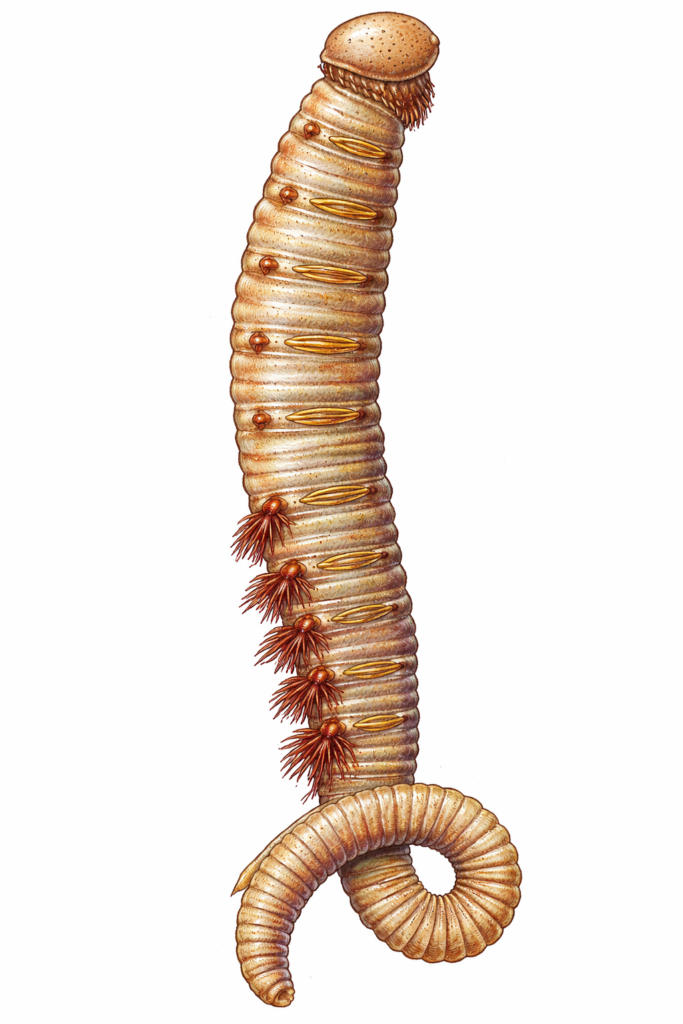
Chaetoderma: Morphology, Systematics, Habitat, Life Cycle, and Ecological Significance of the Primitive Aplacophoran Mollusc Introduction Chaetoderma is a distinctive genus of shell-less, worm-like mollusks grouped under the class Caudofoveata (also called Chaetodermomorpha), a basal lineage within the phylum Mollusca. Sometimes called “glistenworms” for their shiny cuticle covered with calcareous spicules, members of this genus are

Chaetoderma Read More »

phylum mollusca

Phylum Mollusca: Characteristics, Classification, and Importance

Introduction Phylum Mollusca is one of the largest and most diverse groups in the animal kingdom, comprising over 85,000 recognized species and potentially many more undiscovered ones. The term “Mollusca” comes from the Latin word mollis, meaning soft, referring to the soft-bodied nature of these animals. Members of this phylum are known as mollusks or

Phylum Mollusca: Characteristics, Classification, and Importance Read More »