vertebrate evolution

Reptile | Definition, Characteristics, Examples, & Facts

Reptiles | Definition, Characteristics, Examples, & Facts

Introduction to Reptiles Reptiles are cold-blooded vertebrates belonging to the class Reptilia, which includes lizards, snakes, crocodiles, turtles, and tortoises. They possess dry, scaly skin, lay shelled eggs (in most species), and rely on external heat sources to regulate body temperature. Reptiles occupy a wide range of habitats—from deserts and forests to marshes and oceans—and […]

Reptiles | Definition, Characteristics, Examples, & Facts Read More »
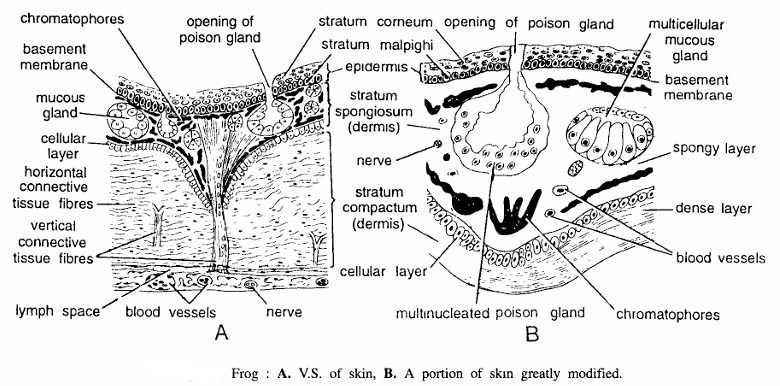
AMPHIBIAN SLIDES (FROG)

AMPHIBIAN SLIDES (FROG)

Amphibian slides of the frog are commonly used in zoology practicals to study the structural organization of a typical vertebrate. These slides often include transverse and longitudinal sections of skin, muscle, intestine, liver, kidney, ovary, testis, and blood vessels. Students examine frog slides to understand amphibian adaptations, organ systems, epithelial types, and basic vertebrate anatomy.

AMPHIBIAN SLIDES (FROG) Read More »

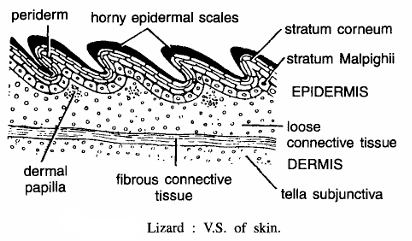
REPTILE SLIDES (LIZARD)

REPTILE SLIDES (LIZARD)

Reptile slides of the lizard are widely used in zoology laboratories to study the tissue structure and organ organization of a typical reptile. These slides often include sections of skin, muscle, intestine, liver, kidney, testis, ovary, and scales. Students use lizard slides to understand reptilian adaptations such as keratinized epidermis, well-developed lungs, and efficient circulatory

REPTILE SLIDES (LIZARD) Read More »

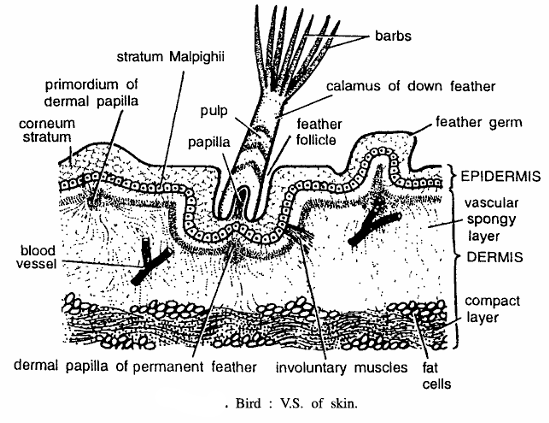
Bird Slides (Pigeon)

BIRD SLIDES (Pigeon)

Bird slides are commonly used in zoology and histology practicals to study the specialized tissues and organ systems of avian species. These slides often include sections of feathers, skin, muscle, lung, intestine, liver, kidney, ovary, and testis. Students examine bird slides to understand adaptations such as lightweight bones, efficient respiration, and high metabolic rate. Because

BIRD SLIDES (Pigeon) Read More »