

Frogfish Facts, Species, Behavior, Reproduction
Osteichthyes (Bony Fish) Pisces ZoologyverseIntroduction to Frogfish Frogfish (Antennariidae) are some of the most enigmatic and well-camouflaged fish in the marine world. Their unique
Introduction to Frogfish Frogfish (Antennariidae) are some of the most enigmatic and well-camouflaged fish in the marine world. Their unique

Introduction The sailfish (Istiophorus) is a magnificent marine predator, often celebrated as the fastest fish in the ocean. With its
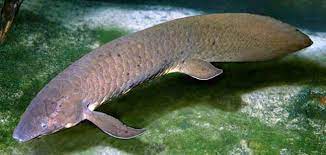
Introduction Neoceratodus forsteri, commonly known as the Australian lungfish or Queensland lungfish, is a remarkable species of freshwater fish endemic
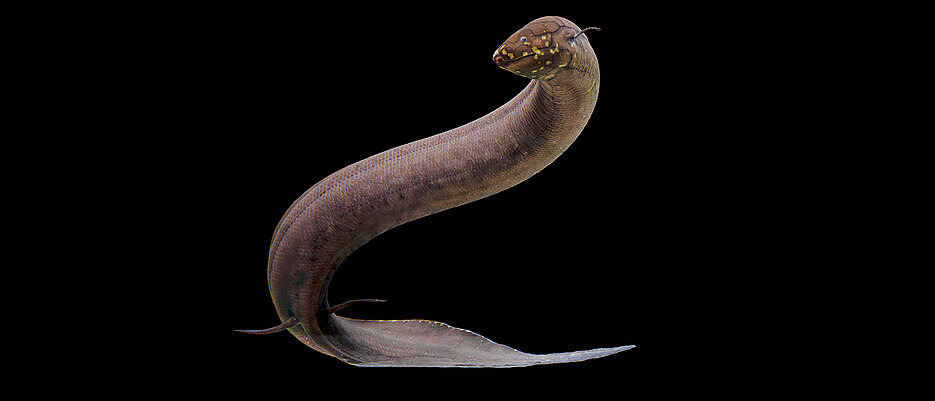
Introduction Lepidosiren paradoxa, commonly known as the South American lungfish, is a unique species of freshwater fish native to South
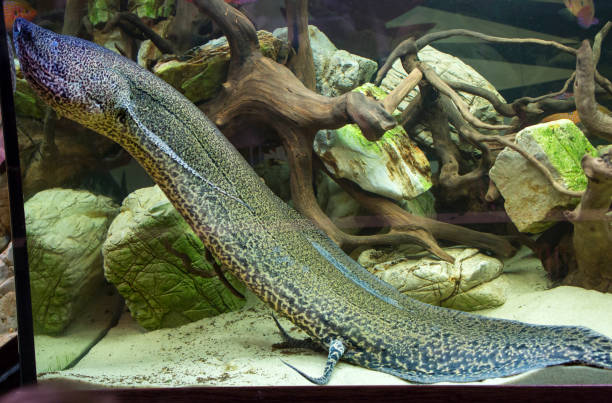
Introduction The African lungfish (Protopterus) is a remarkable freshwater fish known for its unique ability to breathe both water and
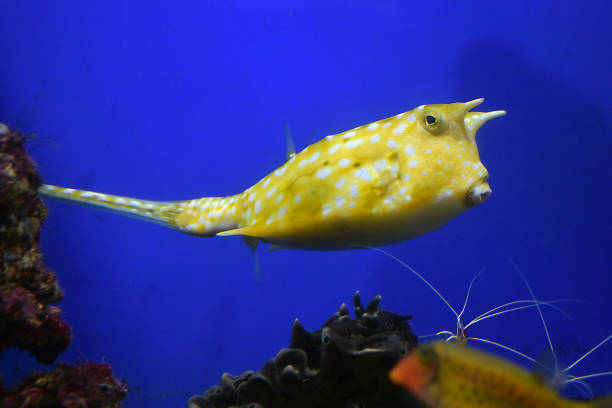
Introduction The genus Ostracion, commonly referred to as boxfish, represents a fascinating group of marine creatures characterized by their box-like,
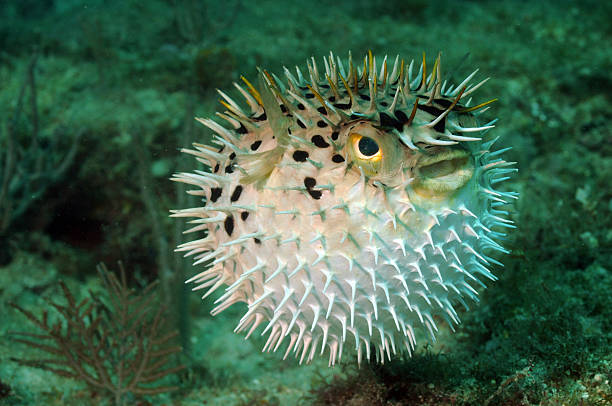
Introduction The genus Diodon, commonly referred to as porcupinefish, represents one of the most distinctive groups of marine animals. Belonging
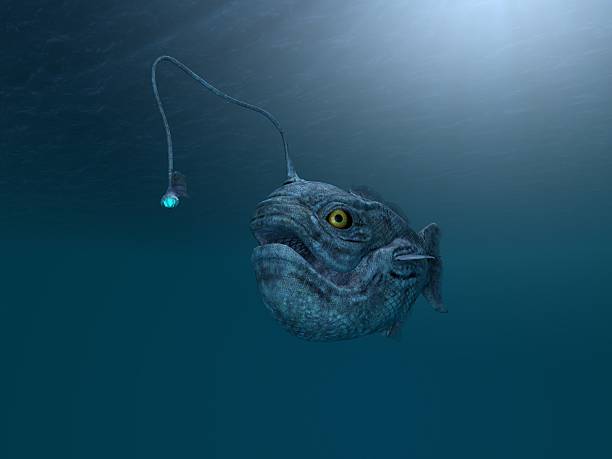
Introduction The genus Lophius, commonly known as monkfish or anglerfish, represents a group of bottom-dwelling, deep-water fish in the family
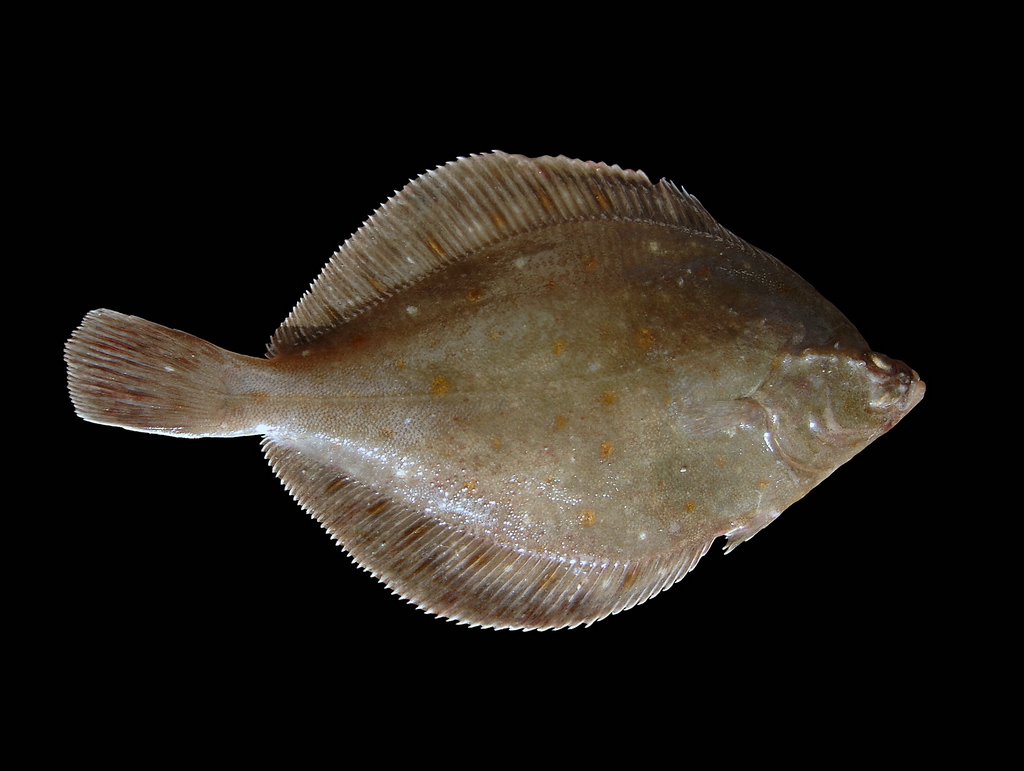
Introduction The genus Pleuronectes, commonly referred to as flatfish, is an integral part of the family Pleuronectidae. These fascinating fish
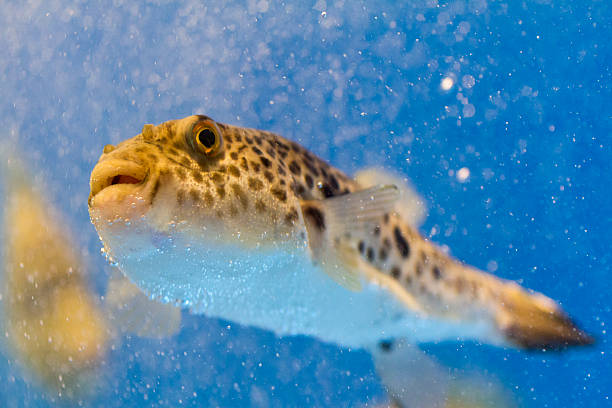
Introduction The genus Tetraodon, commonly referred to as pufferfish, represents a unique group of fish in the family Tetraodontidae. Found
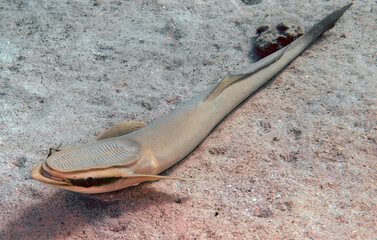
Introduction The genus Echeneis, commonly known as suckerfish or remoras, comprises fascinating marine species famous for their unique ecological relationship
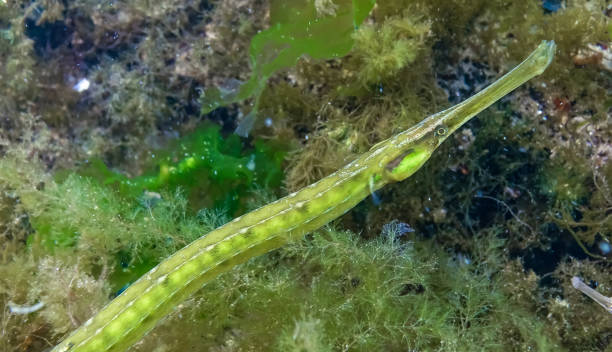
Introduction The genus Syngnathus, commonly known as pipefish, represents a unique group of marine and estuarine fishes within the family
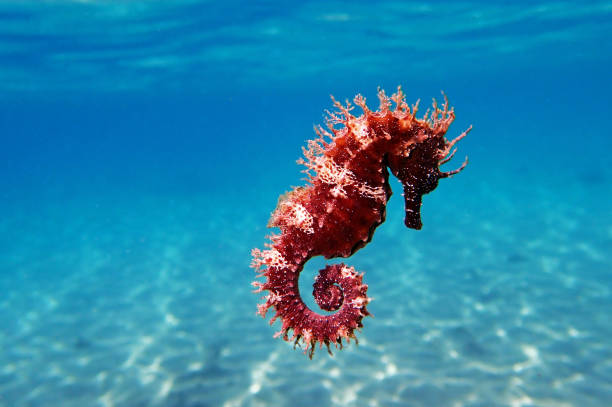
Introduction The genus Hippocampus, commonly known as sea horses, comprises a group of unique and enchanting marine fishes belonging to
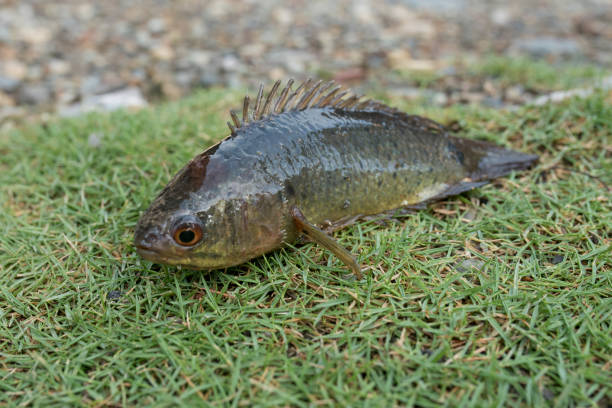
Introduction The genus Anabas, particularly the species Anabas testudineus (commonly known as the climbing perch), is a freshwater fish native
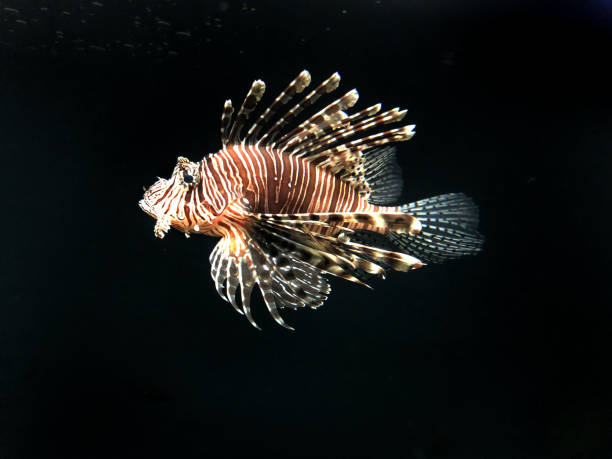
Introduction The genus Pterois, commonly known as lionfish, comprises venomous marine fish renowned for their striking appearance, including elongated pectoral
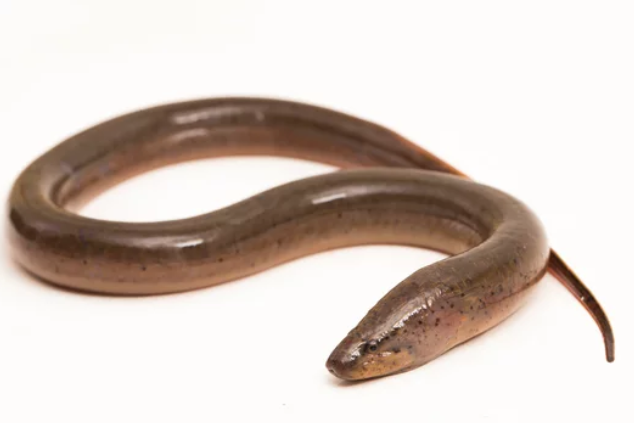
Introduction Amphipnous cuchia, commonly referred to as the cuchia or swamp eel, is a fascinating freshwater fish belonging to the
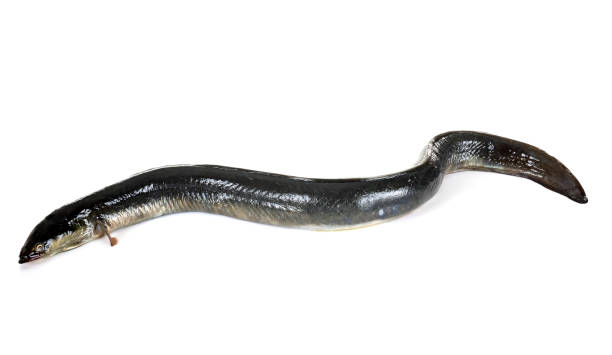
Introduction Anguilla vulgaris, commonly known as the European eel, is a catadromous fish species belonging to the family Anguillidae. This
Introduction Ophiocephalus punctatus, commonly known as the spotted snakehead, is a freshwater fish species belonging to the family Channidae. Native
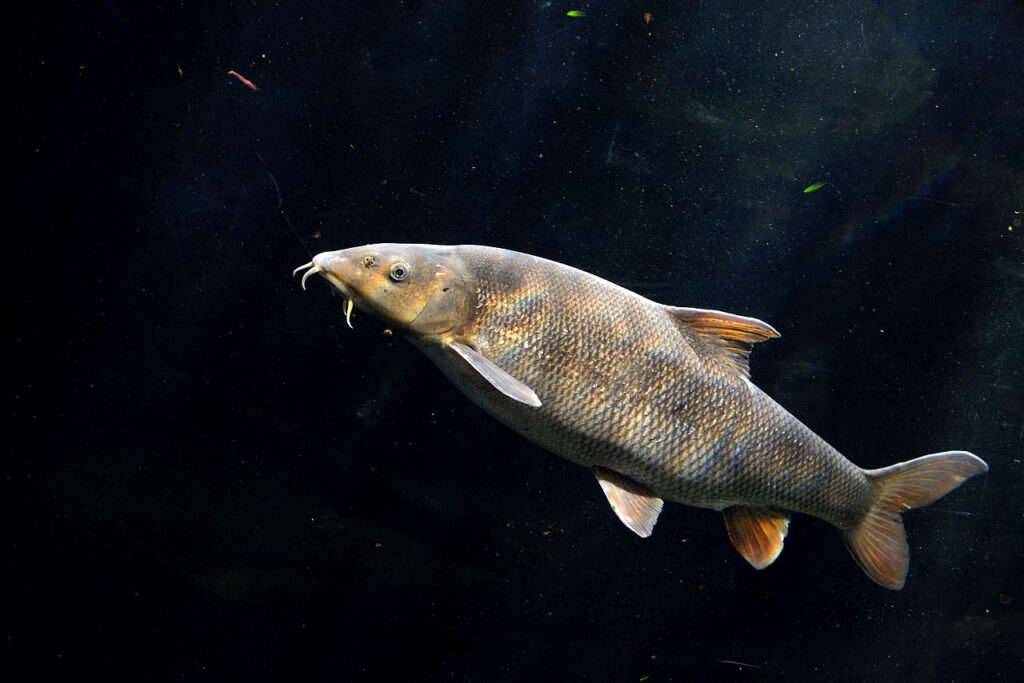
Introduction Barbus sarana, commonly referred to as the sarana barb or minnow, is a small to medium-sized freshwater fish belonging
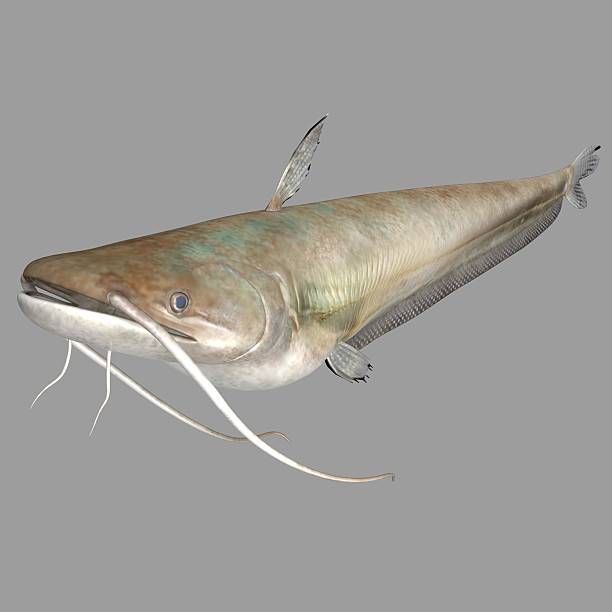
Introduction Wallago attu, commonly known as the freshwater shark or wallago catfish, is a large, predatory catfish species belonging to
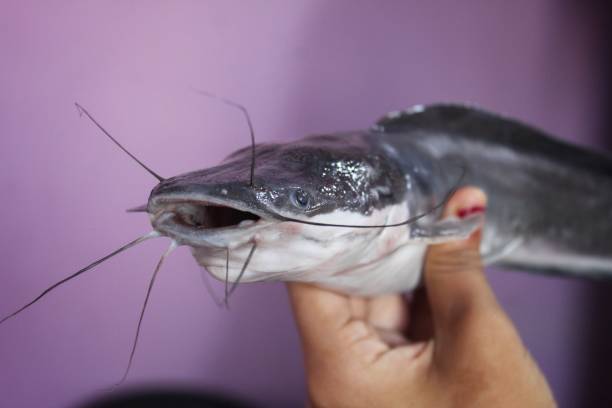
Introduction The genus Clarias consists of air-breathing catfishes, widely recognized for their ability to survive in extreme aquatic environments and
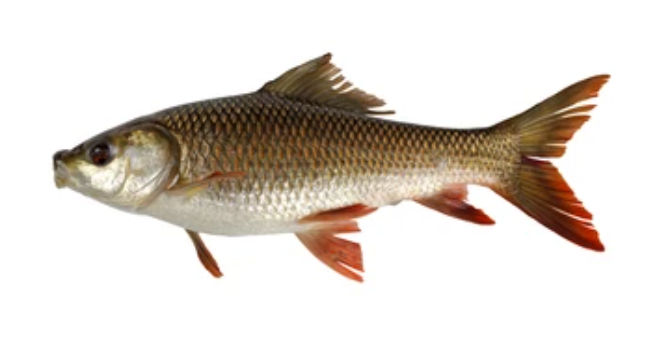
Introduction Labeo rohita, commonly known as rohu, is a freshwater fish of the carp family (Cyprinidae). It is native to
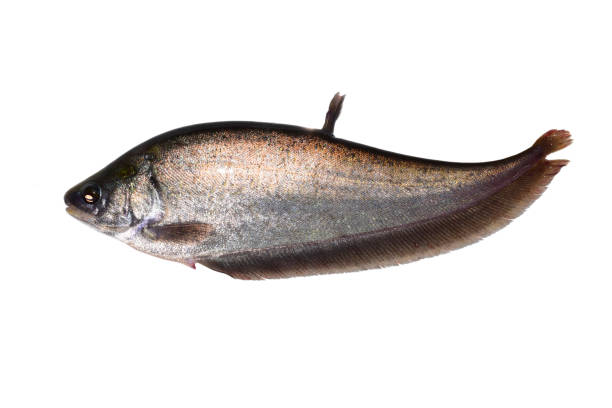
Introduction The bronze featherback (Notopterus notopterus) is a freshwater fish native to South and Southeast Asia, inhabiting rivers, lakes, and
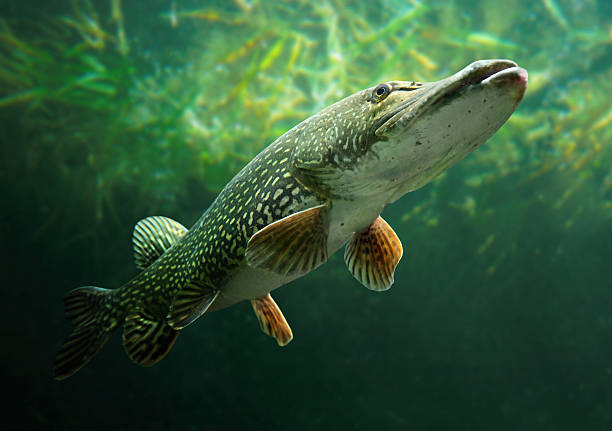
Introduction The northern pike (Esox lucius), commonly known as pike, is a predatory fish native to freshwater bodies across the
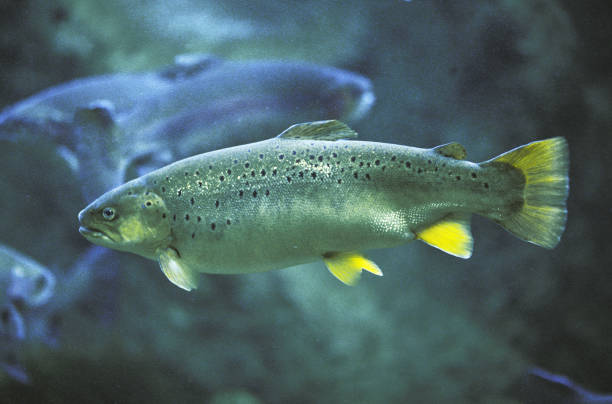
Introduction The Atlantic salmon (Salmo salar) is a species of ray-finned fish in the family Salmonidae. It is the third
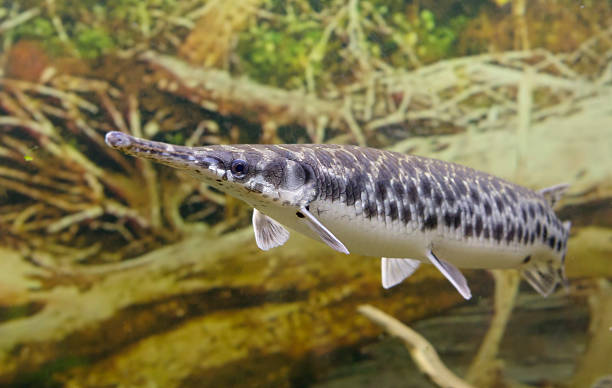
Lepidosteus, commonly known as gars, is a genus of ancient ray-finned fishes belonging to the family Lepisosteidae. These fish are
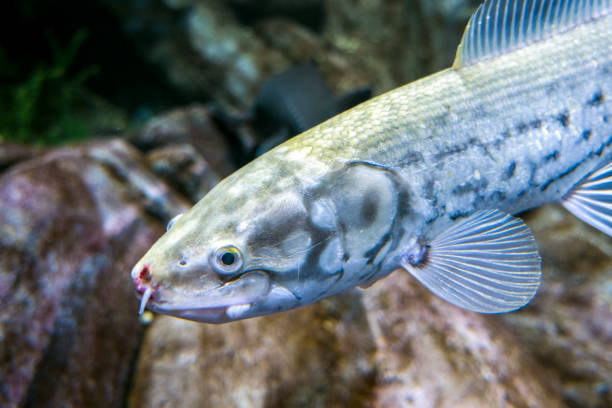
Amia calva, commonly known as the bowfin, is a primitive freshwater fish native to North America. It is the sole
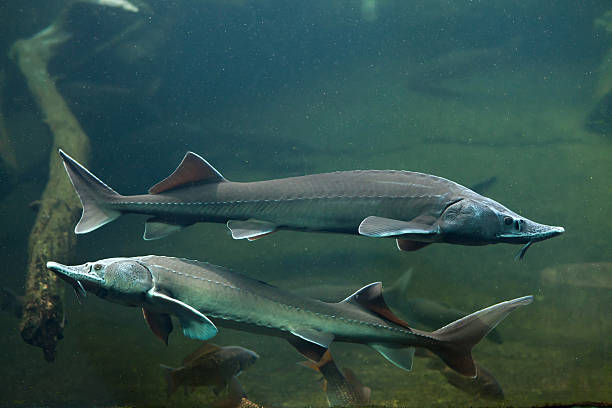
Acipenser is a genus of fish within the family Acipenseridae, commonly referred to as sturgeons. These ancient fish are often called “living fossils”
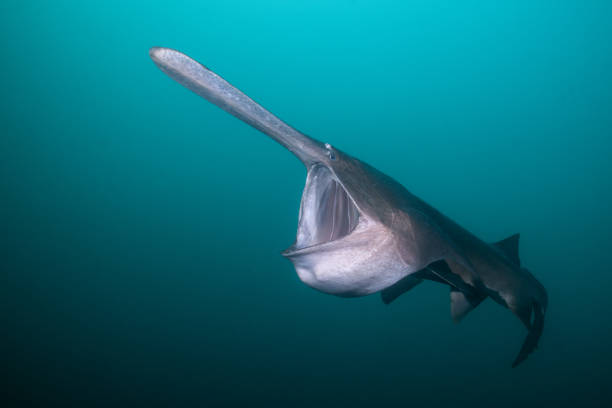
Polyodon (Paddlefish) are named for their long, flattened snout (rostrum), which is covered with electroreceptors. These sensory organs help them detect plankton in the water, even in low-visibility conditions.
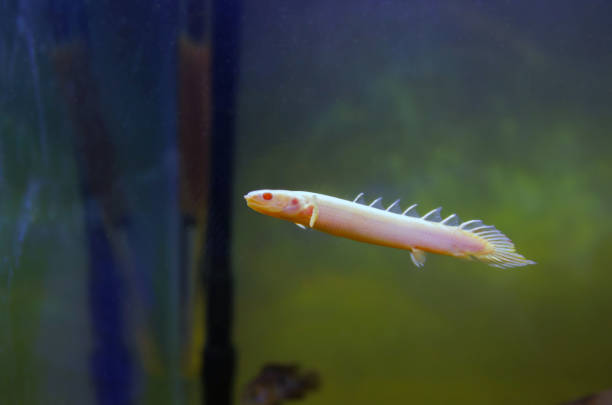
Polypterus species are ecologically significant as both predator and prey, contributing to the health and balance of freshwater ecosystems.