Mammalia

Classification of Platanista Gangetica (Ganges River Dolphin)

PLATANISTA GANGETICA (GANGES RIVER DOLPHIN)

Introduction The Ganges River dolphin (Platanista gangetica), also referred to as the “Susu” or the “blind dolphin,” is a freshwater dolphin endemic to the Indian subcontinent. It is one of the few species of freshwater dolphins globally and holds immense ecological and cultural importance. These unique mammals have evolved specialized adaptations for their freshwater habitat

PLATANISTA GANGETICA (GANGES RIVER DOLPHIN) Read More »

Classification of Phoca (Seal)

PHOCA (SEAL)

Introduction The genus Phoca, which includes some of the world’s most iconic seals, belongs to the family Phocidae, commonly referred to as “true seals” or “earless seals.” These marine mammals are globally recognized for their streamlined bodies, lack of external ear flaps, and exceptional adaptations for aquatic life. Seals of the genus Phoca are critical

PHOCA (SEAL) Read More »

Classification of Hyena

HYENA

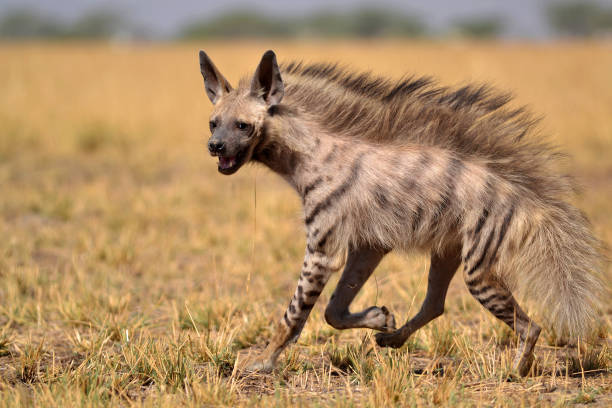
Introduction Hyenas are fascinating and often misunderstood members of the animal kingdom. Belonging to the family Hyaenidae, hyenas are carnivorous mammals that play a critical role in maintaining ecosystem balance. These creatures are renowned for their unique vocalizations, including the infamous “laugh,” which serves as a form of communication. Hyenas are often misrepresented as cowardly

HYENA Read More »

Classification of Panthera Leo (Lion)

PANTHERA LEO (LION)

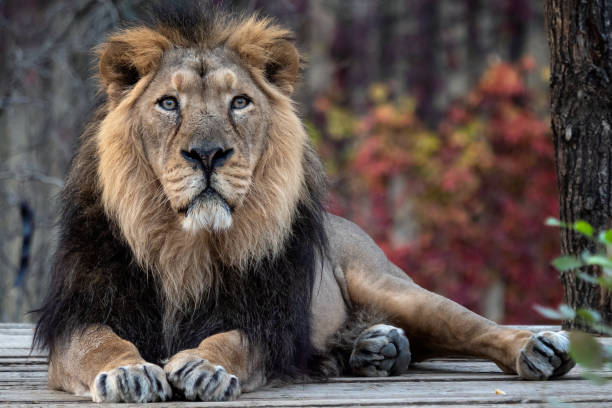
Introduction The lion (Panthera leo), often referred to as the “King of the Jungle,” is one of the most iconic species in the animal kingdom. Renowned for its majestic mane, formidable presence, and powerful roar, the lion symbolizes strength, courage, and royalty in cultures worldwide. This apex predator belongs to the family Felidae and is

PANTHERA LEO (LION) Read More »

Classification of Felis Domesticus (Cat)

FELIS DOMESTICUS (CAT)

Introduction Felis domesticus, commonly known as the domestic cat, is a small carnivorous mammal and one of the most popular companion animals worldwide. Belonging to the family Felidae, it shares ancestry with larger wild cats but has been selectively bred and domesticated over thousands of years. Known for its agility, sharp senses, and playful nature,

FELIS DOMESTICUS (CAT) Read More »

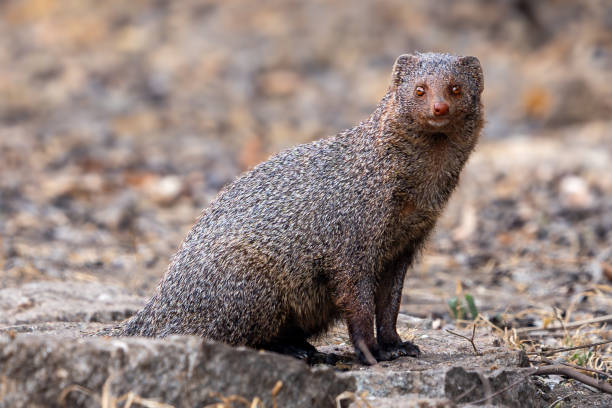
Classification of Herpestes (Mongoose)

HERPESTES (MONGOOSE)

Introduction The genus Herpestes, belonging to the family Herpestidae, includes a variety of small to medium-sized carnivorous mammals commonly referred to as mongooses. Known for their agility, intelligence, and striking ability to combat venomous snakes, mongooses have earned a reputation as fearless hunters. These creatures are distributed across Africa, Asia, and parts of Europe, inhabiting

HERPESTES (MONGOOSE) Read More »

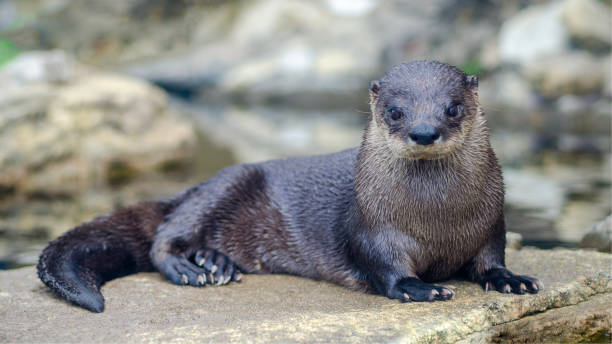
Classification of Lutra (Otter)

LUTRA (OTTER)

Introduction The genus Lutra, part of the Mustelidae family, comprises semi-aquatic mammals widely distributed across various continents, including Europe, Asia, and parts of Africa. These animals are celebrated for their unique adaptability to aquatic environments, exceptional swimming abilities, and critical role in maintaining the ecological balance of freshwater and coastal ecosystems. Known for their elongated,

LUTRA (OTTER) Read More »

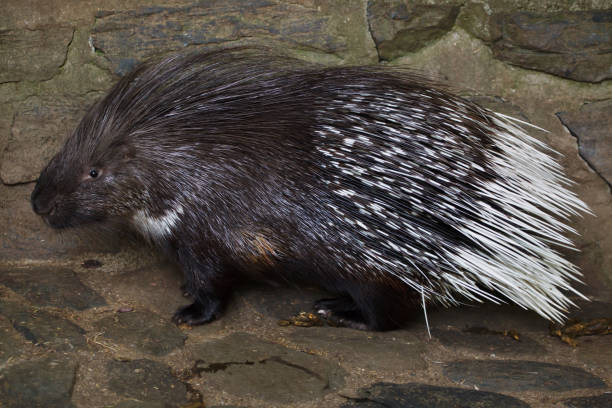
Classification of Hystrix (Porcupine)

HYSTRIX (PORCUPINE)

Introduction The genus Hystrix, commonly known as Old World porcupines, comprises large rodents renowned for their unique defensive adaptations, including sharp, spiny quills. These animals are part of the family Hystricidae and are distributed across Asia, Africa, and parts of Southern Europe. With their nocturnal habits and herbivorous diet, porcupines play an essential role in

HYSTRIX (PORCUPINE) Read More »

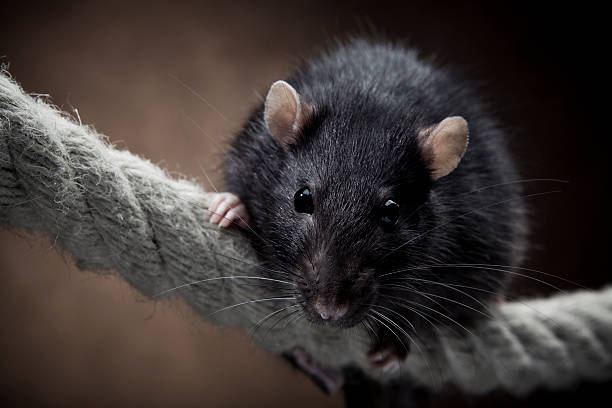
Classification of Rattus Rattus (Rat)

RATTUS RATTUS (RAT)

Introduction Rattus rattus, commonly known as the black rat or roof rat, is a small rodent species native to the Indian subcontinent but now distributed worldwide due to human activities. Known for its adaptability, the black rat thrives in diverse environments, including urban areas, forests, and agricultural lands. While often viewed as a pest, it

RATTUS RATTUS (RAT) Read More »

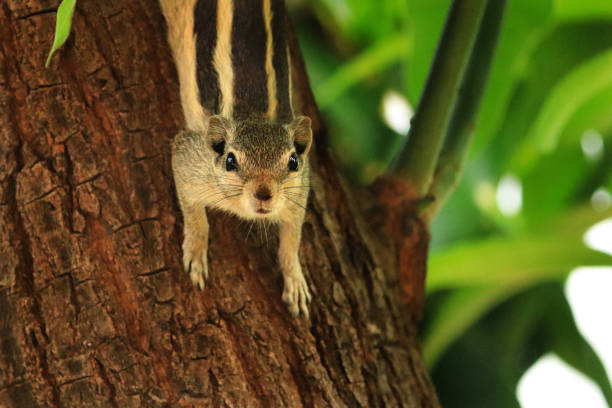
Classification of Funambulus (Squirrel)

FUNAMBULUS (SQUIRREL)

Introduction The genus Funambulus includes striped squirrels, commonly found in South Asia, especially in India, Sri Lanka, and surrounding regions. These small rodents are known for their distinctive stripes running along their back and their lively, agile movements. Often seen in urban and forested areas, striped squirrels are integral to their ecosystems due to their

FUNAMBULUS (SQUIRREL) Read More »

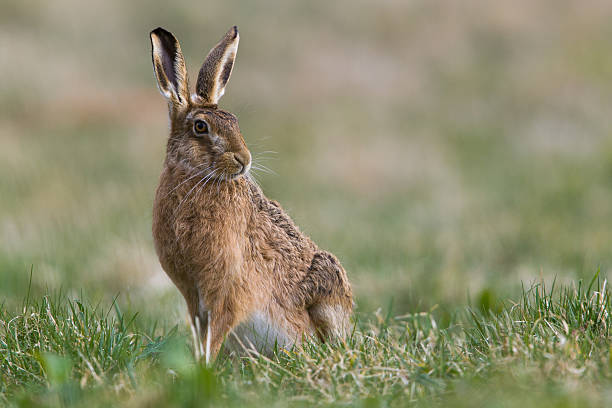
Classification of Lepus (Hare)

LEPUS (HARE)

Introduction The genus Lepus encompasses hares and jackrabbits, which are fast-moving mammals found across a wide range of habitats, including grasslands, deserts, forests, and tundra. Known for their powerful hind legs and long ears, hares are distinct from rabbits in their solitary nature and more robust build. Hares play an essential role in ecosystems as

LEPUS (HARE) Read More »

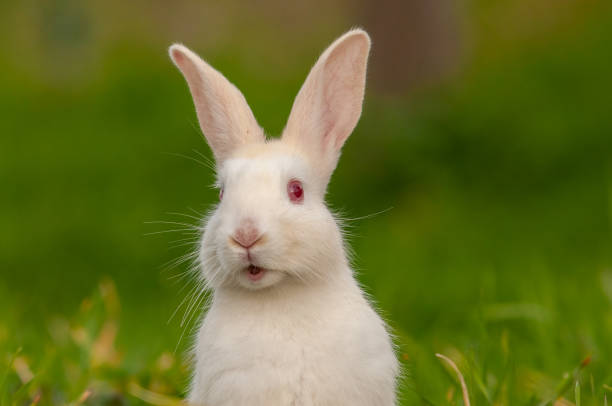
Classification of Oryctolagus (Rabbit)

ORYCTOLAGUS (RABBIT)

Introduction Oryctolagus cuniculus, commonly known as the European rabbit, is a small mammal native to the Iberian Peninsula and parts of North Africa. It is the progenitor of all domestic rabbit breeds and plays a significant ecological and economic role. However, in areas where it has been introduced, such as Australia, it is considered an

ORYCTOLAGUS (RABBIT) Read More »

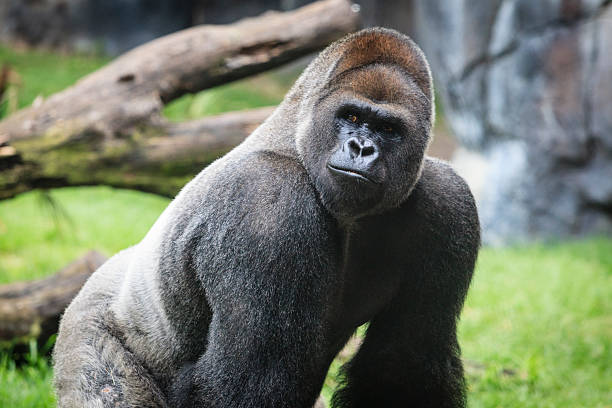
Classification of Gorilla

GORILLA

Introduction Gorillas are the largest living primates and belong to the genus Gorilla. They are divided into two species: the eastern gorilla (Gorilla beringei) and the western gorilla (Gorilla gorilla), each with subspecies such as the mountain gorilla and the western lowland gorilla. Native to the forests of central and western Africa, gorillas are known

GORILLA Read More »

Classification of Pongo (Orangutan)

PONGO (ORANGUTAN)

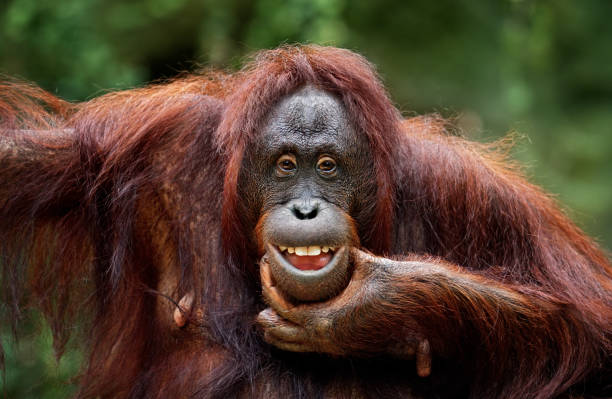
Introduction The genus Pongo encompasses the three species of orangutans: the Bornean orangutan (Pongo pygmaeus), the Sumatran orangutan (Pongo abelii), and the Tapanuli orangutan (Pongo tapanuliensis). These critically endangered primates are native to the rainforests of Southeast Asia, primarily on the islands of Borneo and Sumatra. Known for their distinctive red fur, remarkable intelligence, and

PONGO (ORANGUTAN) Read More »

Classification of Hylobates (Gibbon)

HYLOBATES (GIBBON)

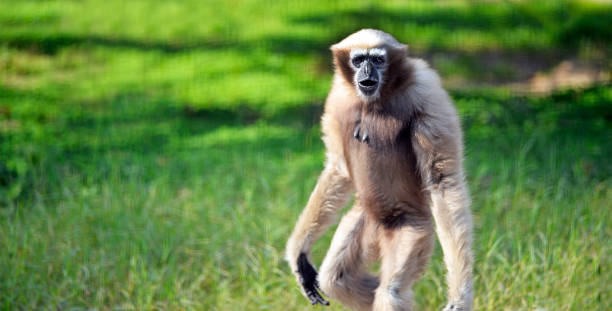
Introduction Hylobates is a genus of small apes known as gibbons, commonly referred to as “lesser apes” due to their smaller size compared to great apes like gorillas and chimpanzees. Native to Southeast Asia, gibbons are arboreal primates renowned for their extraordinary agility, long arms, and melodious vocalizations. They are primarily found in tropical and

HYLOBATES (GIBBON) Read More »