Ctenophora

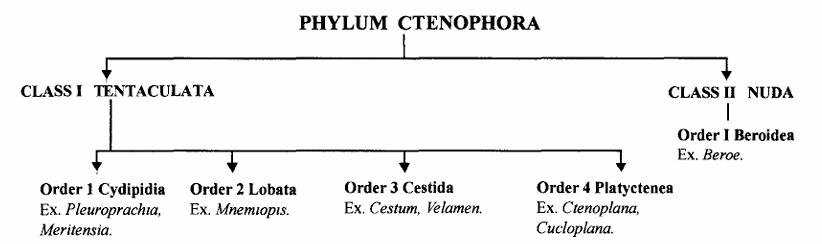
Classification of Beroe

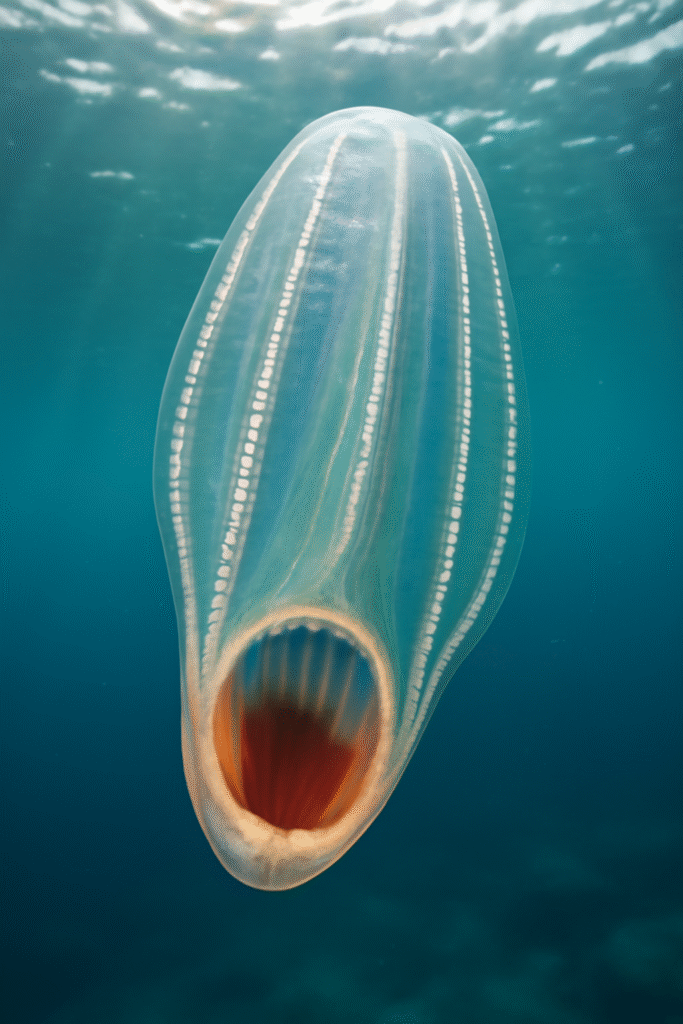
Beroe

Beroe: A Detailed Insight into Classification, Ecology, Morphology, and Behavior Beroe is a genus of comb jellies (phylum Ctenophora) that stands out due to its active predatory lifestyle and unique morphological features. Unlike many ctenophores which feed passively on plankton, Beroe species are voracious predators specializing in feeding on other gelatinous zooplankton, particularly members of […]
Beroe Read More »

Classification of Coeloplana

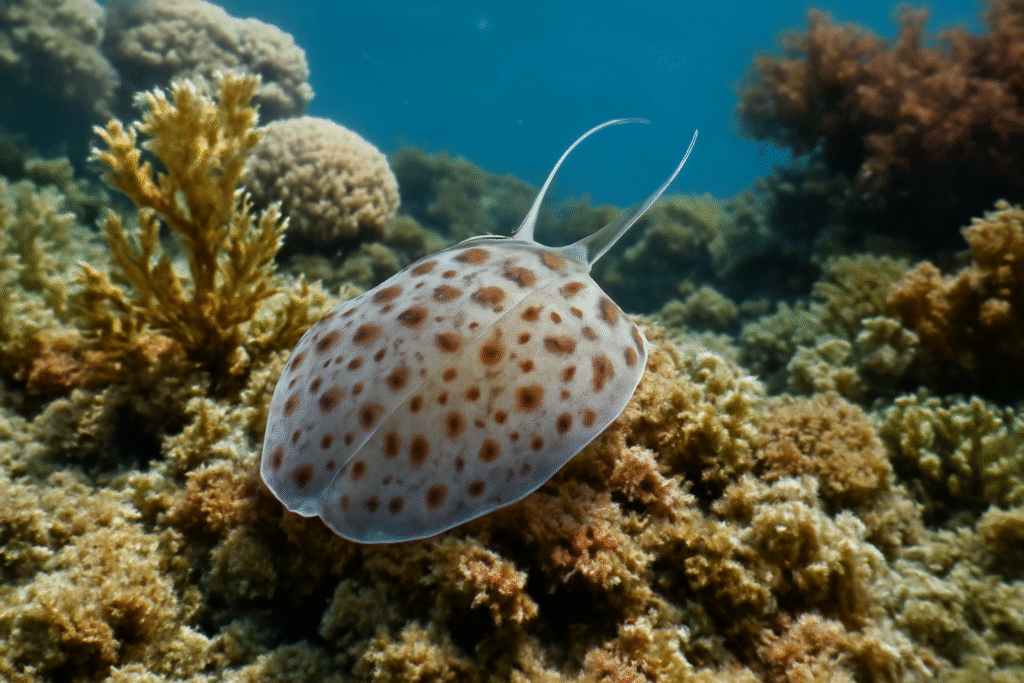
Coeloplana

Exploring Coeloplana: Classification, Habitat, Morphology, and Ecological Role Coeloplana is a genus of small, flattened marine organisms belonging to the phylum Ctenophora (comb jellies). Unlike typical free-swimming ctenophores, species of Coeloplana live creeping on the surface of seaweeds or other marine invertebrates and lack the characteristic comb plates used for swimming. They possess tentacles for

Coeloplana Read More »

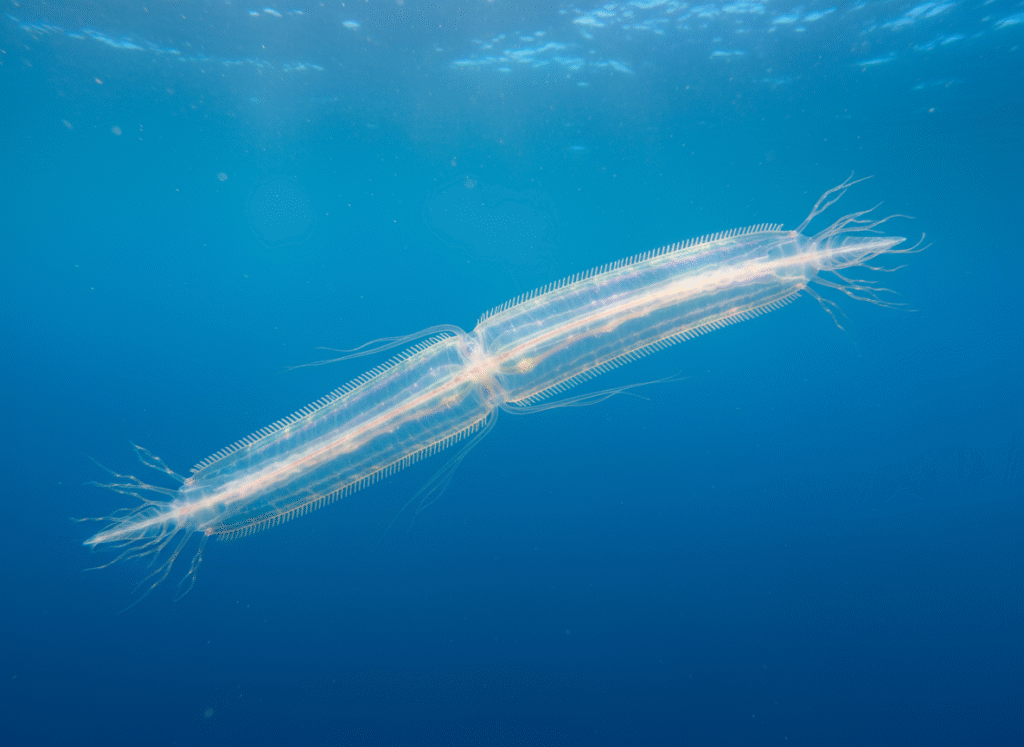
Classification of Cestum

Cestum

Cestum: Comprehensive Insights into Classification, Habitat, and Characteristics Cestum is a genus of ribbon-shaped marine organisms belonging to the phylum Ctenophora (comb jellies), with the well-known species Cestum veneris, commonly called the Venus’ girdle. It has a long, transparent, band-like body adapted for slow swimming in open ocean waters. Instead of typical comb rows used

Cestum Read More »

Phylum Ctenophora

Phylum Ctenophora

Phylum Ctenophora overview Phylum Ctenophora, commonly known as comb jellies, represents a fascinating group of marine animals renowned for their distinctive locomotion and ecological role in oceans worldwide. The name “ctenophora” originates from the Greek words “ktenos” meaning comb and “phoros” meaning bearer, reflecting the hallmark feature of these creatures—the rows of cilia that resemble

Phylum Ctenophora Read More »