Vertebrates

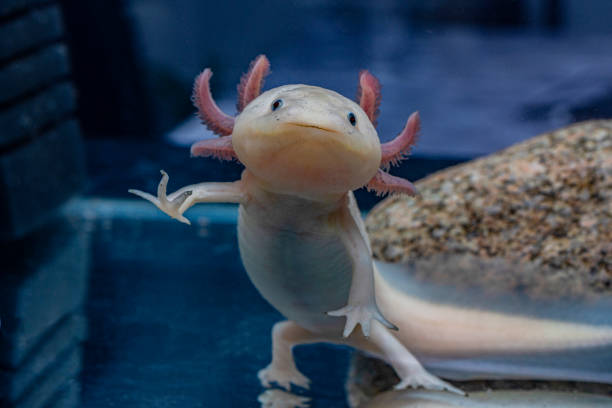
Classification of Axolotl Larva

AXOLOTL LARVA

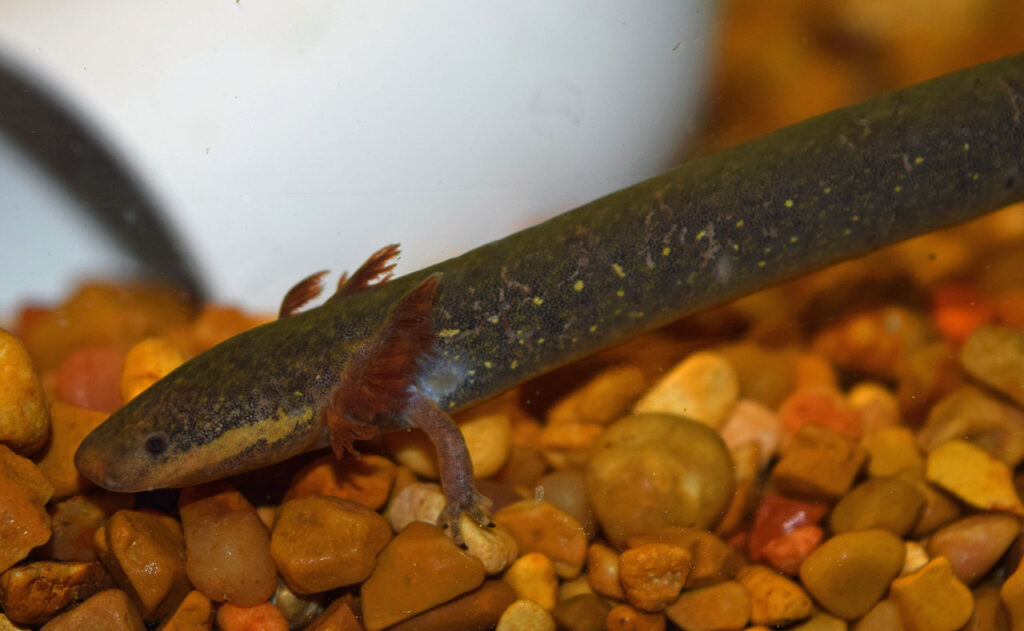
The axolotl larva is a neotenic salamander species, meaning it retains its larval features throughout its life. Native to the lakes of Mexico, particularly Lake Xochimilco, axolotls are famous for their ability to regenerate limbs and organs. Axolotl larvae are the early developmental stage of this unique amphibian. Classification of Axolotl Larva Geographical distribution Habit

AXOLOTL LARVA Read More »

Classification of Dasypus (Armadillo)

DASYPUS (ARMADILLO)

Dasypus, commonly referred to as the long-nosed armadillo, is a genus of armadillos native to the Americas. The most well-known species is the nine-banded armadillo (Dasypus novemcinctus), though the genus includes several others. These unique mammals play significant roles in their ecosystems and exhibit fascinating adaptations. Classification of Dasypus (Armadillo) Geographical distribution Habit and habitat

DASYPUS (ARMADILLO) Read More »

Classification of Pteropus (Flying Fox)

PTEROPUS (FLYING FOX)

The genus Pteropus, commonly known as flying foxes or fruit bats, comprises large fruit-eating bats found in tropical and subtropical regions, particularly in South and Southeast Asia, Australia, and the Pacific islands. These bats are vital to the health and functioning of ecosystems, but they face significant conservation challenges. Classification of Pteropus (Flying Fox) Geographical

PTEROPUS (FLYING FOX) Read More »