Reptilia

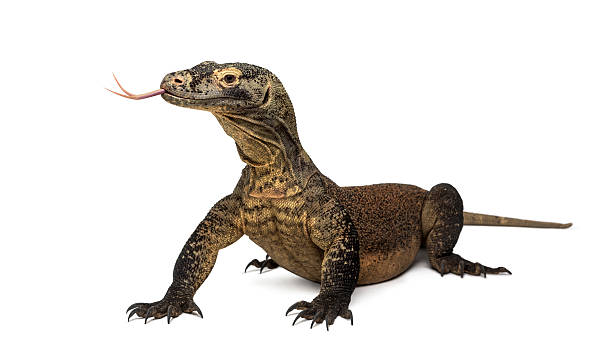
Classification of Varanus (Monitor Lizard)

VARANUS (MONITOR LIZARD)

Introduction The genus Varanus encompasses a wide range of monitor lizards, known for their intelligence, agility, and adaptability. These reptiles are found across Africa, Asia, and Australia, inhabiting diverse ecosystems such as forests, deserts, and wetlands. Species like the Komodo dragon (Varanus komodoensis) and the water monitor (Varanus salvator) are iconic representatives of this group.

VARANUS (MONITOR LIZARD) Read More »

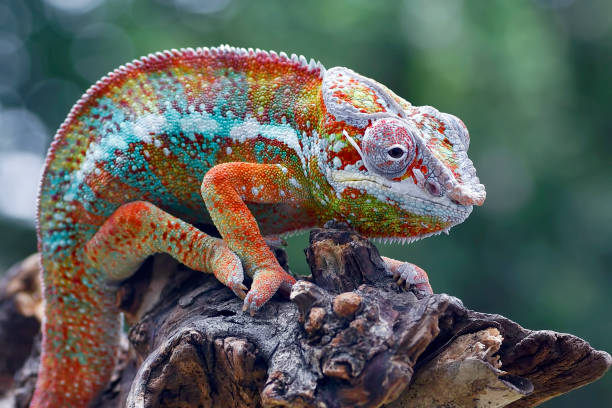
Classification of Chamaeleon

CHAMELEON

Introduction Chameleon are a group of reptiles belonging to the family Chamaeleonidae. Known for their extraordinary ability to change color, chameleons are native to Africa, Madagascar, southern Europe, and parts of Asia. They are arboreal lizards with unique adaptations like independently moving eyes and a projectile tongue. These fascinating creatures are symbols of biodiversity and

CHAMELEON Read More »

Classification of Iguana

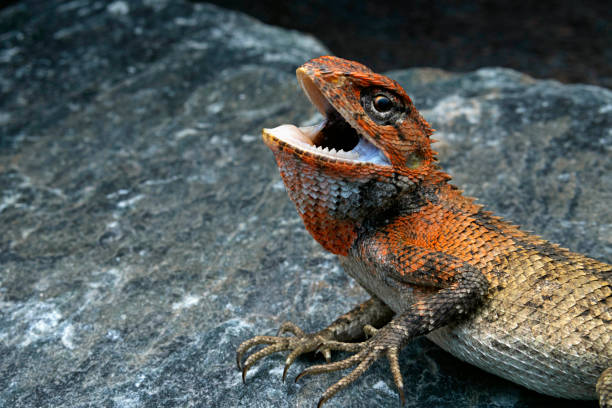
IGUANA

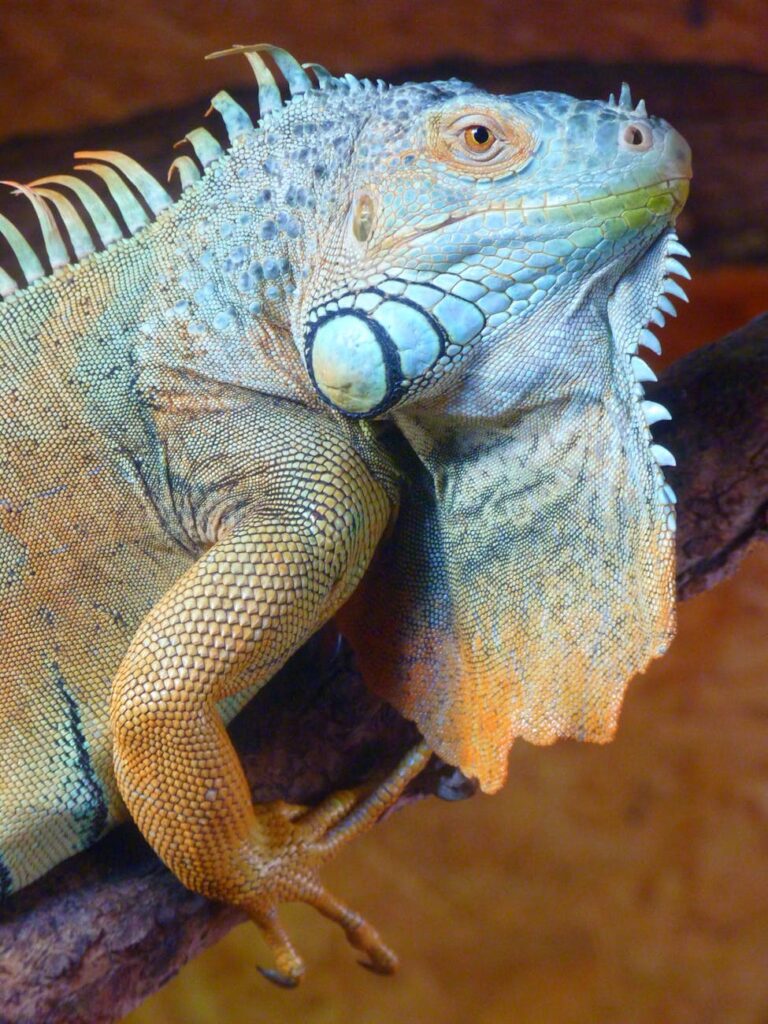
Iguana play a vital role in maintaining the balance and health of the ecosystems they inhabit. Their ecological importance lies in their interactions with plants, animals, and the environment, which contribute to biodiversity and ecological stability. Classification of Iguana Geographical distribution Iguana is found in tropical countries. It is distributed in Mexico, West Indies, Southern

IGUANA Read More »

Classification of Phrynosoma (Horned Toad)

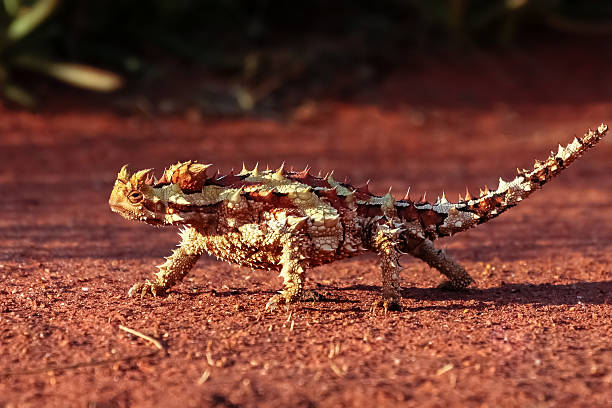
PHRYNOSOMA (HORNED TOAD)

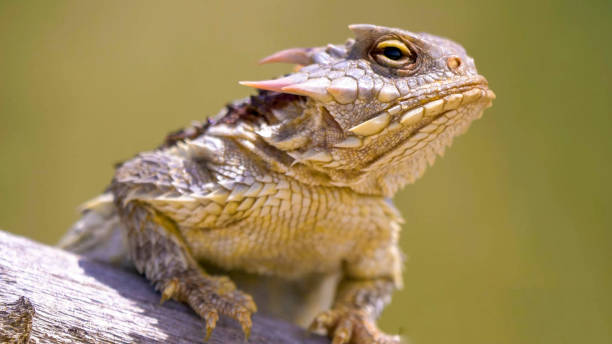
Phrynosoma, commonly known as horned lizards, are a genus of reptiles native to arid and semi-arid regions of North and Central America. These distinctive, spiny-bodied lizards play a critical role in the ecosystems they inhabit, contributing to biodiversity and maintaining ecological balance. Classification of Phrynosoma (Horned Toad) Geographical distribution Phrynosoma is a New World lizard

PHRYNOSOMA (HORNED TOAD) Read More »

Classification of Gecko (Wall Lizard)

GECKO (WALL LIZARD)

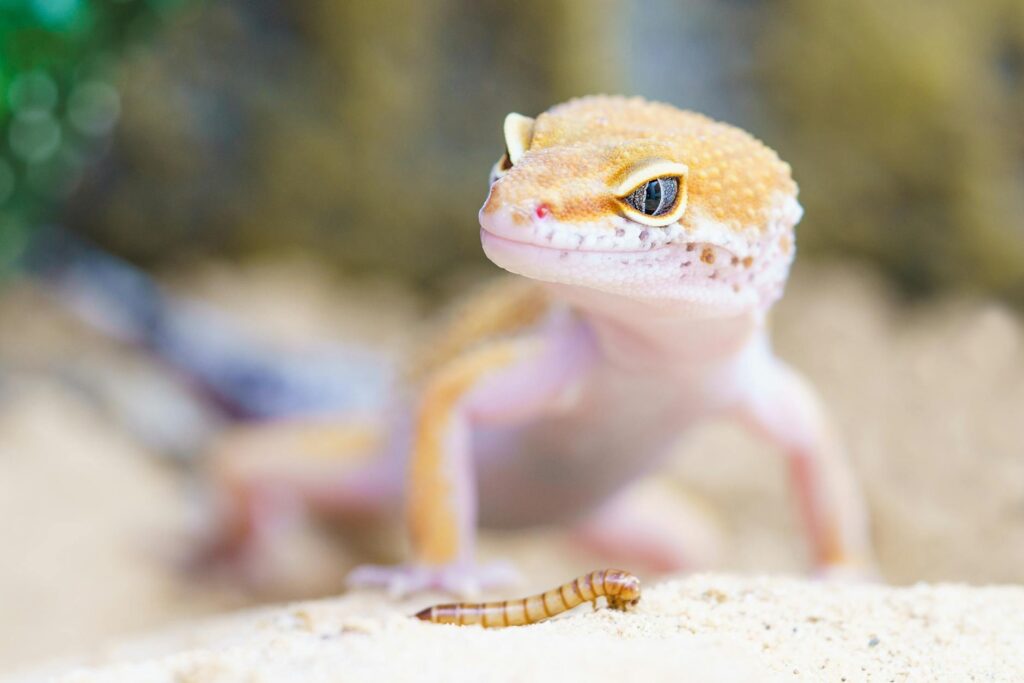
Gecko, small lizards belonging to the infraorder Gekkota, are widely distributed across tropical, subtropical, and even temperate regions. They play significant ecological roles in the ecosystems they inhabit. Classification of Gecko (Wall Lizard) Geographical distribution Gecko has cosmopolitan distribution but is specially found in Asian and European countries. Habit and habitat Gecko is a common

GECKO (WALL LIZARD) Read More »

Classification of Sphenodon (Tuatara)

SPHENODON (TUATARA)

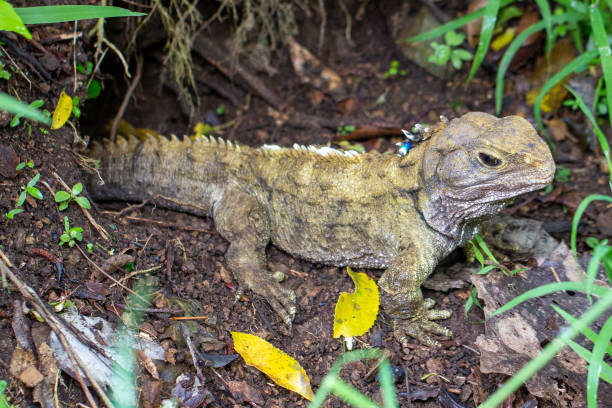
Sphenodon reptile endemic to New Zealand and the sole surviving member of the order Rhynchocephalia, which thrived during the Mesozoic Era. Despite its ancient lineage and limited geographic range, the tuatara holds significant ecological importance in the ecosystems it inhabits. Classification of Sphenodon Geographical distribution It is found in New Zealand and specially in the

SPHENODON (TUATARA) Read More »

Classification of Chelone (Green Turtle)

Chelone

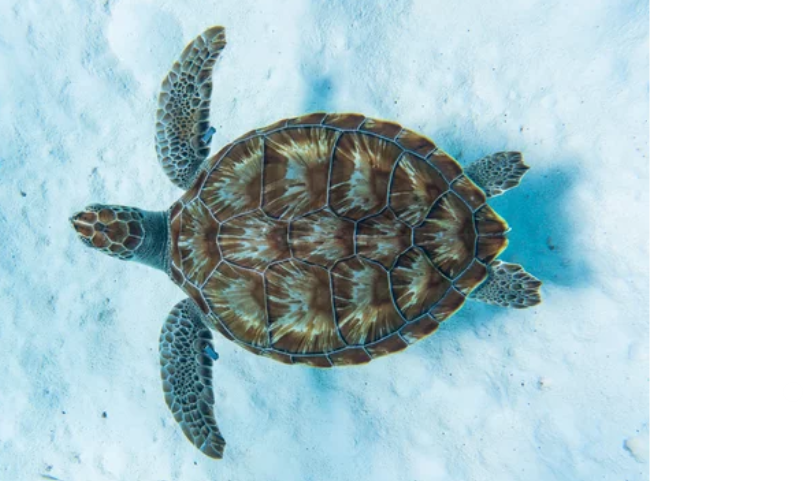
Chelone (tortoise head) is a genus of four to six species of hardy perennial herbaceous plants native to North America known for their flowers that resemble turtle heads. It grows in moist, acidic soils and partial shade, and is popular in woodland gardens for its late summer flowers (white, pink, red) and disease resistance. Classification

Chelone Read More »

Classification of Testudo (Giant Turtle)

Testudo (Giant Turtle)

Testudo (Latin for “turtle”) most commonly refers to an ancient Roman armored military formation, a genus of Mediterranean turtle, or the mascot of the University of Maryland. As a military tactic, soldiers used stacked shields to protect themselves during a siege. Classification of Testudo (Giant Turtle) Geographical distribution Testudo is widely distributed in Galapagos Islands,

Testudo (Giant Turtle) Read More »