Amphibia

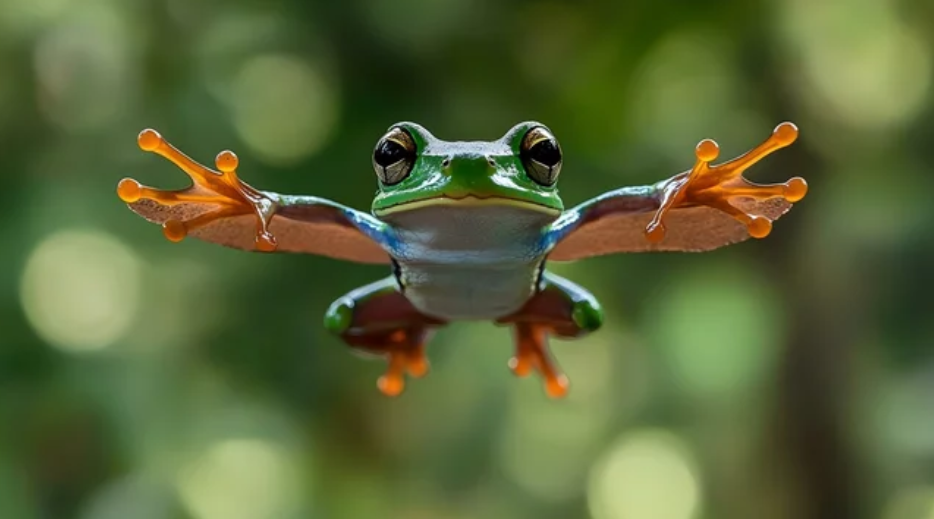
Blue-Spotted Glass Frog (Cochranella mache)

Blue-Spotted Glass Frog (Cochranella mache)

Introduction Deep within the lush rainforests of Ecuador and Colombia, a tiny yet mesmerizing amphibian thrives—the Blue-Spotted Glass Frog (Cochranella mache). This rare and unique frog species is known for its semi-transparent body and vibrant blue spots, setting it apart from other glass frogs. The Blue-Spotted Glass Frog is one of nature’s most mesmerizing amphibians. […]

Blue-Spotted Glass Frog (Cochranella mache) Read More »

 Amphibians | Characteristics, Life Cycle, & Facts

 Amphibians | Characteristics, Life Cycle, & Facts

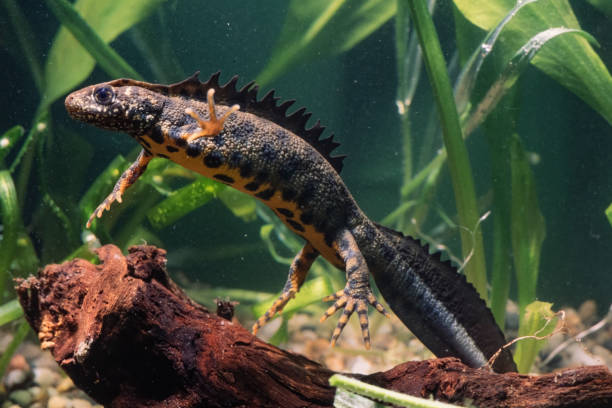
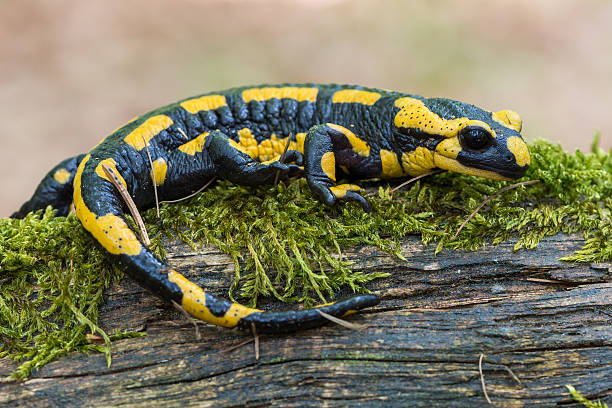
Introduction to Amphibians Amphibians are a fascinating group of animals that represent a critical evolutionary bridge between aquatic and terrestrial life. Derived from the Greek word amphibios, meaning “double life,” amphibians embody the duality of existence as they inhabit both water and land during different stages of their life cycle. This remarkable ability to adapt

 Amphibians | Characteristics, Life Cycle, & Facts Read More »

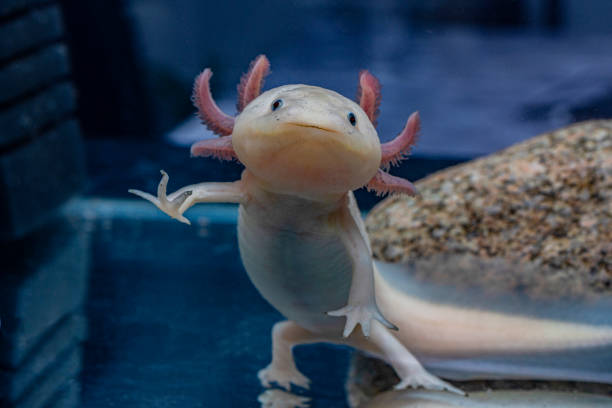
Classification of Axolotl Larva

AXOLOTL LARVA

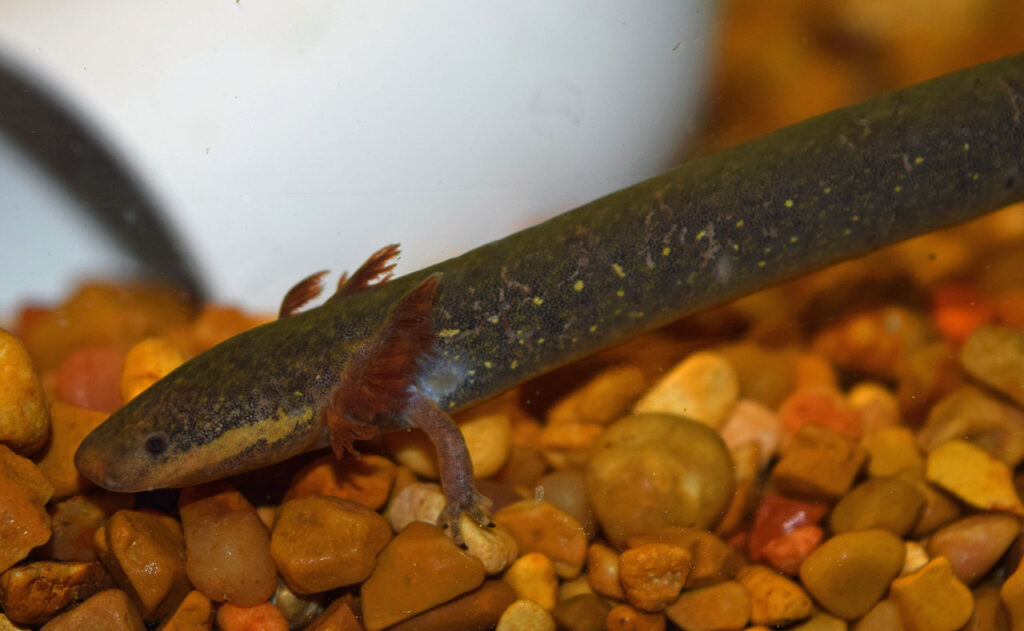
The axolotl larva is a neotenic salamander species, meaning it retains its larval features throughout its life. Native to the lakes of Mexico, particularly Lake Xochimilco, axolotls are famous for their ability to regenerate limbs and organs. Axolotl larvae are the early developmental stage of this unique amphibian. Classification of Axolotl Larva Geographical distribution Habit

AXOLOTL LARVA Read More »

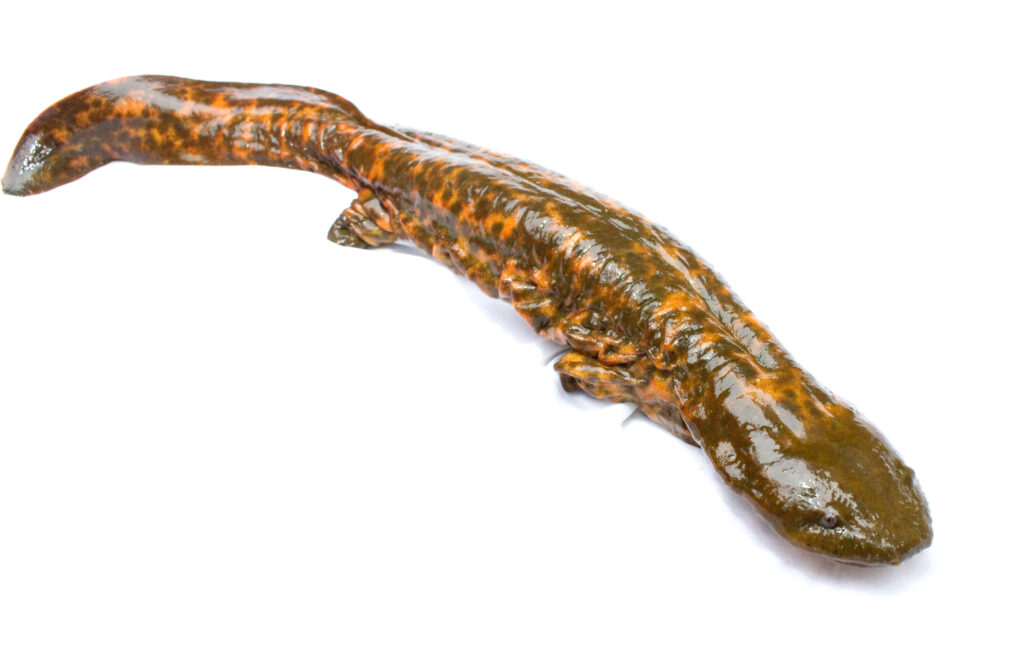
Classification of Cryptobranchus (Hell Bender)

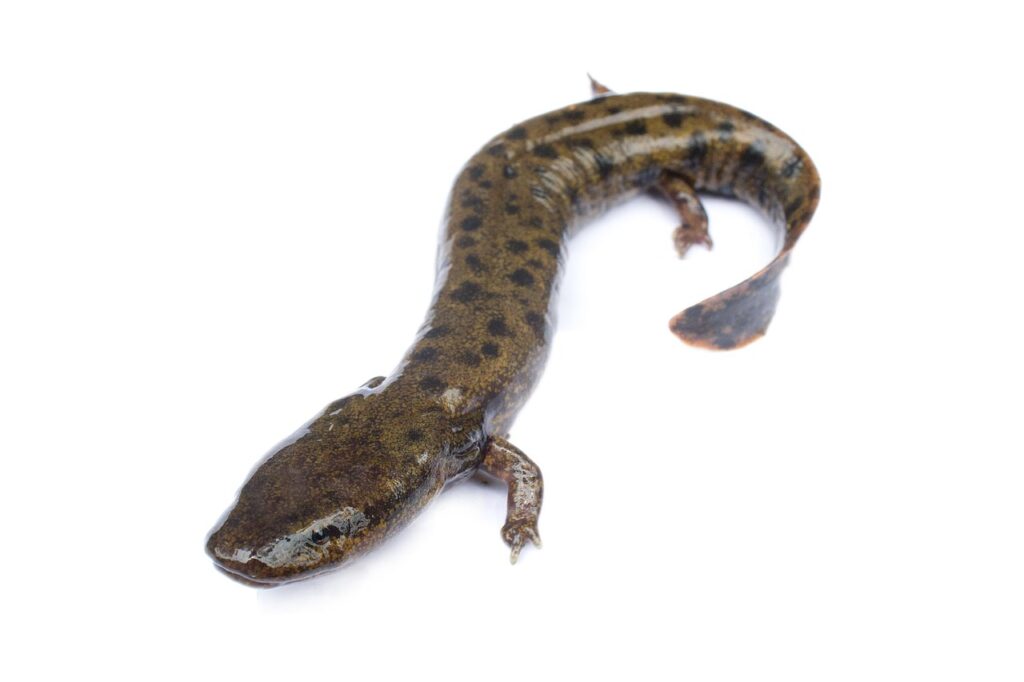
CRYPTOBRANCHUS (HELL BENDER)

The genus Cryptobranchus, which includes the hellbender salamander (Cryptobranchus alleganiensis), is an aquatic amphibian native to the freshwater streams and rivers of North America. Its ecological importance is significant due to its role in aquatic ecosystems, its sensitivity to environmental changes, and its contribution to biodiversity. Classification of Cryptobranchus (Hell Bender) Geographical distribution Habit and

CRYPTOBRANCHUS (HELL BENDER) Read More »

Classification of Proteus (Olm)

PROTEUS (OLM)

The Proteus, or olm (Proteus anguinus), is an aquatic salamander endemic to the caves of Southeastern Europe, particularly the Dinaric Alps. Its ecological importance stems from its role in maintaining the balance and health of the unique and fragile subterranean ecosystems it inhabits. Classification of Proteus (Olm) Geographical distribution Habit and habitat General Characteristics of

PROTEUS (OLM) Read More »

Classification of Necturus (Mud Puppy)

NECTURUS (MUD PUPPY)

Necturus, commonly known as mudpuppies or waterdogs, are fully aquatic salamanders found in freshwater ecosystems of North America. These amphibians play an important role in the ecology of the aquatic environments they inhabit. Classification of Necturus (Mud Puppy) Geographical distribution Habit and habitat General Characteristics of Necturus Ecological Importance of Necturus 1. Trophic Role in

NECTURUS (MUD PUPPY) Read More »

Classification of Uraeotyphlus

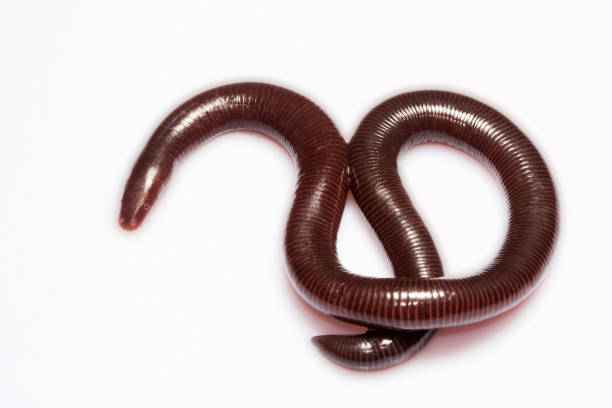
URAEOTYPHLUS

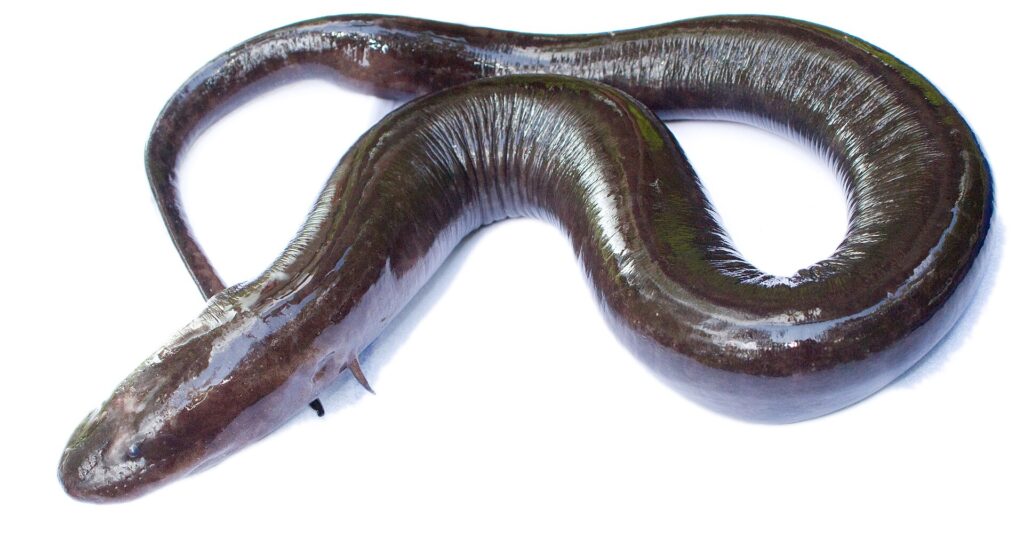
Uraeotyphlus play a vital role in aerating soil as they burrow, contributing to soil health and fertility. They act as both predators (feeding on invertebrates like earthworms and termites) and prey (for larger animals), maintaining ecological balance. Classification of Uraeotyphlus Geographical distribution Habit and habitat General Characteristics of Uraeotyphlus Conservation Status of Uraeotyphlus Special features

URAEOTYPHLUS Read More »

Classification of Ichthyophis

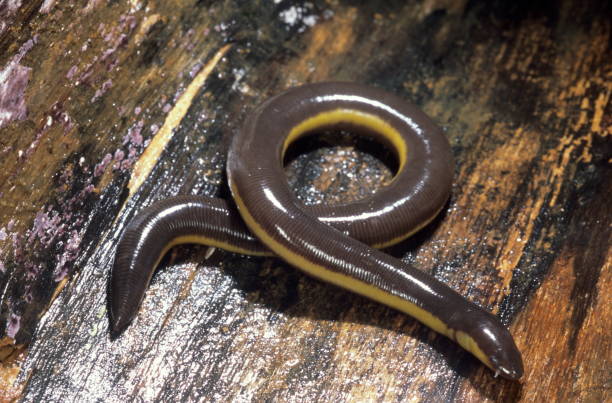
Ichthyophis

Ichthyophis resembles Amphibia in having a 3 chambered heart, conus arteriosus, urinogenital organs and brain like Amphibia. But it differs from living Amphibia in having scales in dermis and meroblastic eggs. Classification of Ichthyophis Geographical distribution Ichthyophis is distributed in tropical regions and found in Sri Lanka, Philippines, Borneo, Java, Scychelles, Mexico to Argentina and

Ichthyophis Read More »

Classification of Bufo : Common Toad

Bufo | Common Frog

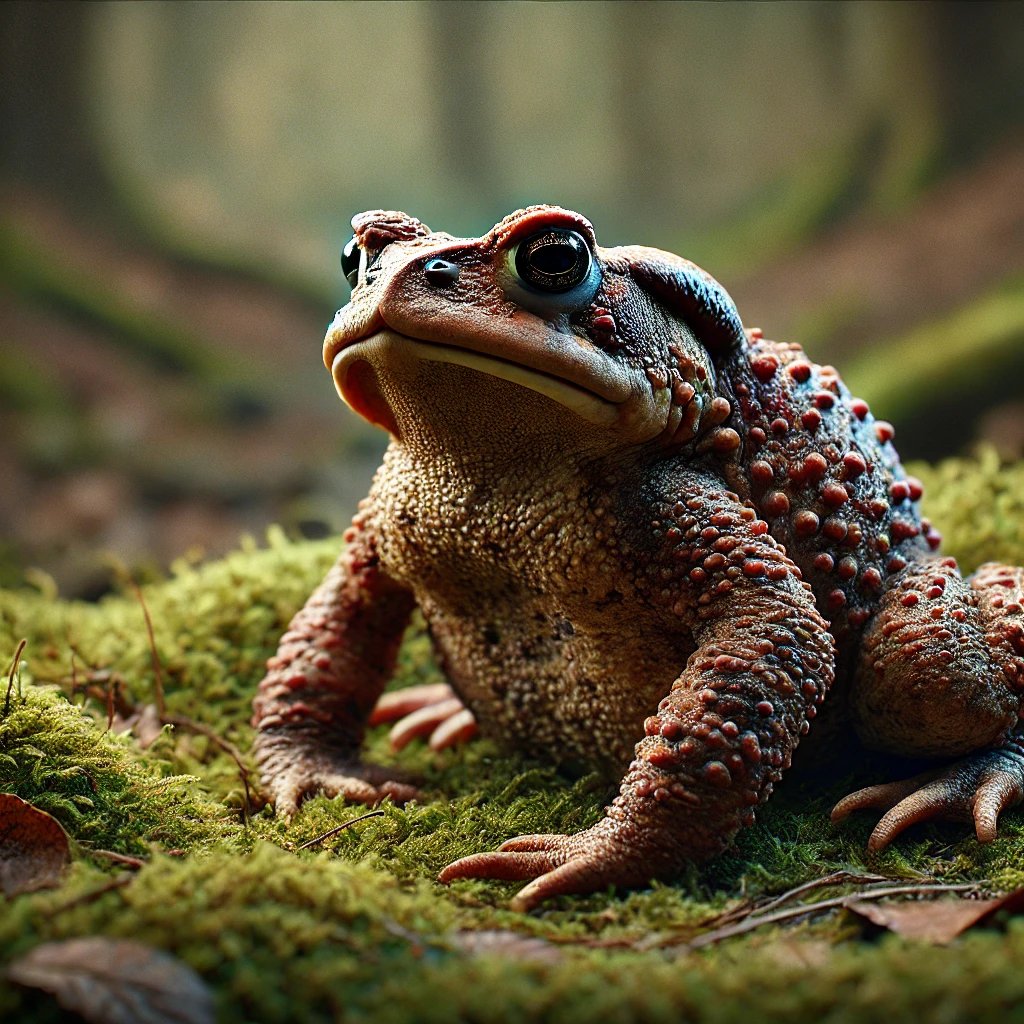
Bufo is a genus of true toads in the amphibian family Bufoidae. According to the traditional definition, this genus was a “Wastebasket” genus that included numerous toads living in many parts of the world, but after taxonomic review, most were transferred to other genera, leaving the genus with only 17 extant species from Europe, North

Bufo | Common Frog Read More »

Classification of Hyla : Tree Frog

Hyla | Tree Frog

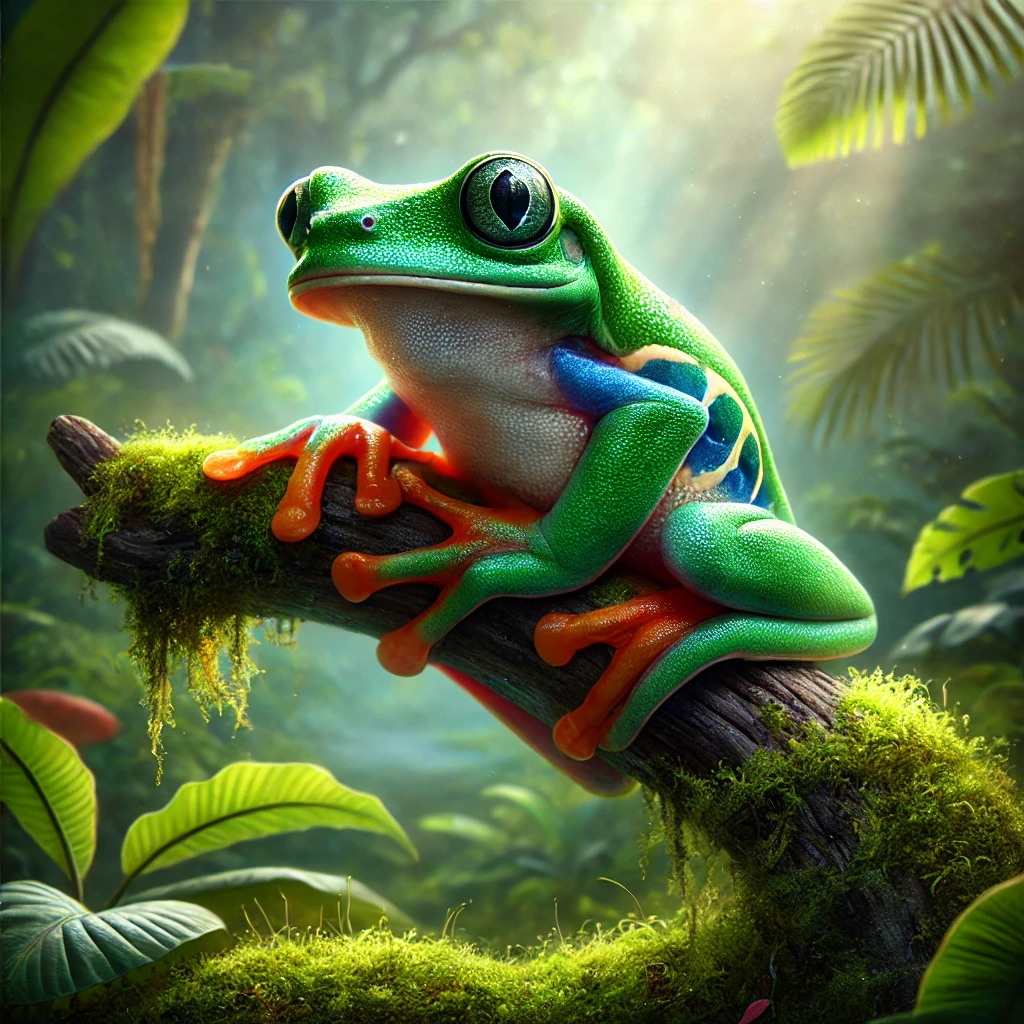
Hyla (Tree frogs), commonly known as Holarctic tree frogs, are a genus of tree frogs (family Hylaidae) that consists of 17 extant species found in Europe, Asia, and North Africa, including the European tree frog (Hyla arborea). Formerly a “wastebasket” genus with over 300 species, it now refers to a smaller group of mainly arboreal amphibians.

Hyla | Tree Frog Read More »

Classification of Pipa : Surinam Toad

Pipa | Surinam Toad

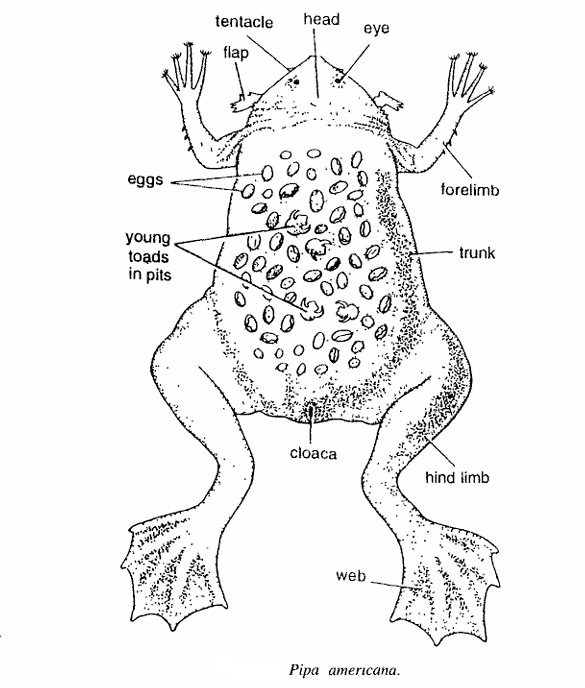
The common Surinam toad, Surinamese toad, or star toad (Pipa pipa), is a completely aquatic frog of the family Pipidae, widely distributed in much of tropical South America and the island of Trinidad. Females of this species are well known for “nurturing” eggs in honeycomb-like cavities directly on the skin of their backs, and releasing

Pipa | Surinam Toad Read More »

Classification of Alytes : Midwife Toad

Alytes | Midwife Toad

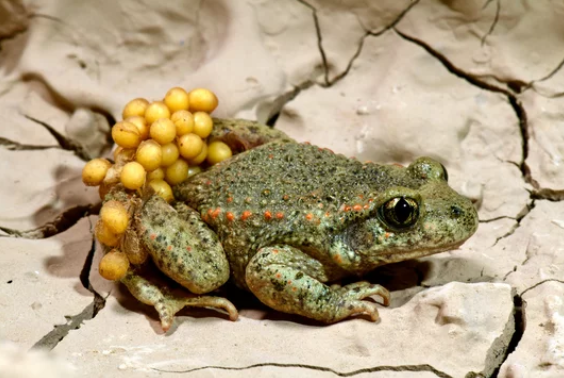
Introduction Alytes, commonly known as the Midwife Toads, is a small genus of amphibians found mainly in Europe and North Africa. These toads are famous for their unique parental care behavior—males carry long strings of fertilized eggs wrapped around their hind legs until the tadpoles are ready to hatch. Midwife Toads prefer rocky habitats, woodlands,

Alytes | Midwife Toad Read More »