Specimens

Classification of Anguilla Vulgaris (European Eel)

ANGUILLA VULGARIS (EUROPEAN EEL)

Introduction Anguilla vulgaris, commonly known as the European eel, is a catadromous fish species belonging to the family Anguillidae. This species is renowned for its remarkable life cycle, involving long-distance migration from European freshwater habitats to the Sargasso Sea for reproduction. The European eel exhibits significant ecological, cultural, and economic importance, particularly in European regions […]

ANGUILLA VULGARIS (EUROPEAN EEL) Read More »

Classification of Ophiocephalus punctatus (Snake Head)

OPHIOCEPHALUS PUNCTATUS (SNAKE HEAD)

Introduction Ophiocephalus punctatus, commonly known as the spotted snakehead, is a freshwater fish species belonging to the family Channidae. Native to South and Southeast Asia, it is a predatory species renowned for its adaptability, resilience, and aggressive feeding behavior. The snakehead fish derives its name from the snake-like appearance of its elongated body and scaled

OPHIOCEPHALUS PUNCTATUS (SNAKE HEAD) Read More »

Classification of Bdellostoma

BDELLOSTOMA

Introduction Bdellostoma is a genus of jawless marine creatures belonging to the class Myxini, commonly referred to as hagfish. These primitive chordates are often considered living fossils due to their retention of ancestral vertebrate traits. Similar to their close relatives in the genus Myxine, Bdellostoma exhibits an eel-like body and lacks jaws, paired fins, and

BDELLOSTOMA Read More »

Classification of Myxine - Hag Fish

MYXINE – HAG FISH

Introduction Myxine, commonly known as hagfish, is a jawless marine organism belonging to the class Myxini and order Myxiniformes. It is one of the most primitive vertebrates, often referred to as a “living fossil,” as it retains many ancestral traits. With its elongated, eel-like body, Myxine lacks jaws, paired fins, and scales, making it distinct

MYXINE – HAG FISH Read More »

Classification of Petromyzon (Sea Lamprey)

PETROMYZON (SEA LAMPREY)

Introduction Petromyzon, commonly known as the sea lamprey, is a jawless fish belonging to the class Agnatha and family Petromyzontidae. It is one of the most primitive vertebrates, showcasing ancestral traits that provide significant insights into vertebrate evolution. Resembling an eel in appearance, Petromyzon lacks jaws, paired fins, and scales, features that distinguish it from

PETROMYZON (SEA LAMPREY) Read More »

Classification of Branchiostoma lanceolatum (Amphioxus lanceolatus)

BRANCHIOSTOMA LANCEOLATUM

Introduction Branchiostoma lanceolatum (Amphioxus lanceolatus)), commonly known as the European lancelet, is a small, fish-like marine organism belonging to the subphylum Cephalochordata in the phylum Chordata. Often regarded as a “living fossil,” this species holds significant importance in evolutionary biology as it provides insight into the transition from invertebrates to vertebrates. Found in shallow coastal

BRANCHIOSTOMA LANCEOLATUM Read More »

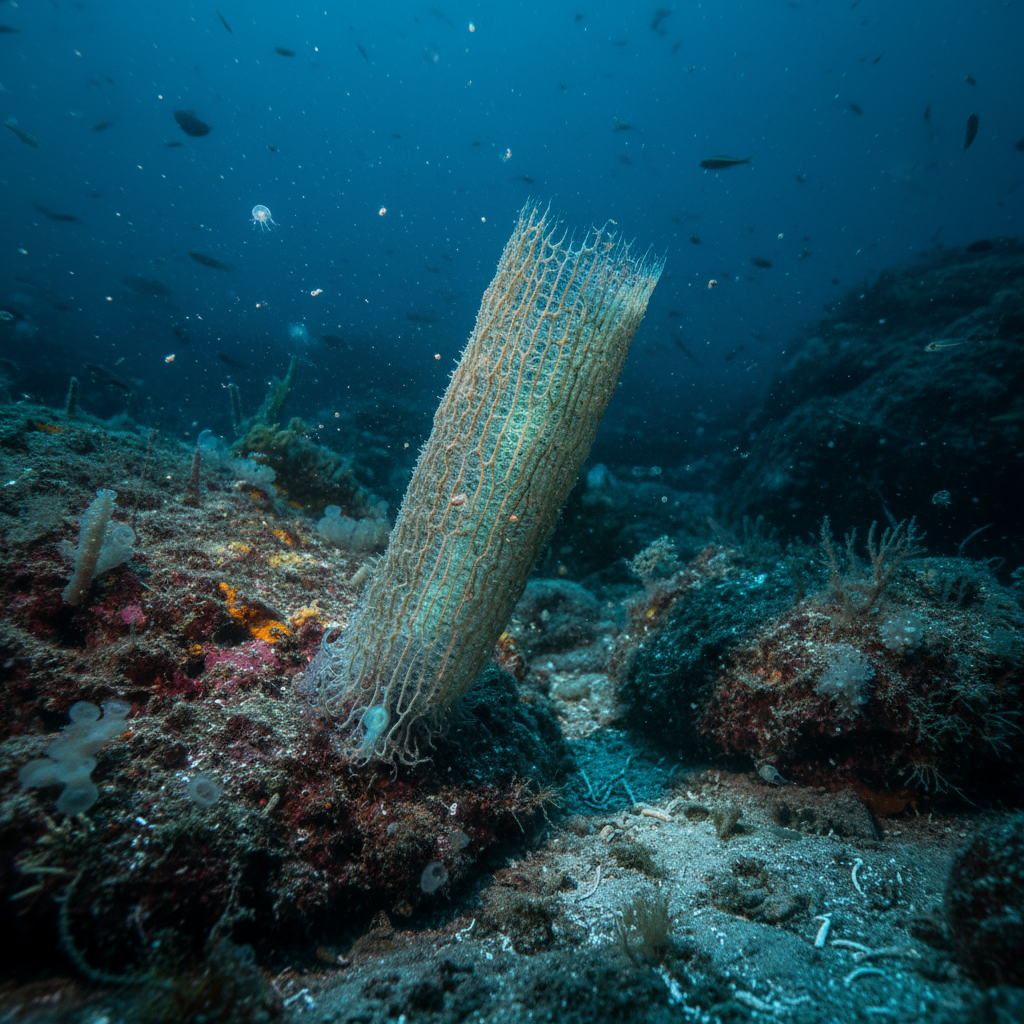
OIKOPLEURA

Introduction Oikopleura is a genus of small, free-floating, pelagic tunicates belonging to the class Appendicularia. These fascinating marine organisms are noted for their unique ability to produce intricate mucus houses, which they use to filter microscopic food particles from the water. Despite their small size, Oikopleura species play a vital role in marine ecosystems as

OIKOPLEURA Read More »

Classification of Salp

SALP

Introduction Salp is a genus of free-floating, barrel-shaped tunicates belonging to the class Thaliacea within the subphylum Tunicata (Urochordata). These fascinating marine organisms are pelagic, found drifting in oceans worldwide, particularly in temperate and tropical regions. Known for their remarkable transparency and bioluminescence, Salp species play a vital role in the marine ecosystem as filter

SALP Read More »

Classification of Doliolum

DOLIOLUM

Introduction Doliolum is a genus of small, free-swimming, barrel-shaped tunicates belonging to the class Thaliacea within the subphylum Tunicata (Urochordata) of the phylum Chordata. These pelagic organisms are found in oceans worldwide, typically in warm and temperate regions. Doliolum is known for its streamlined body, which is well-adapted for efficient swimming, and its fascinating alternation

DOLIOLUM Read More »

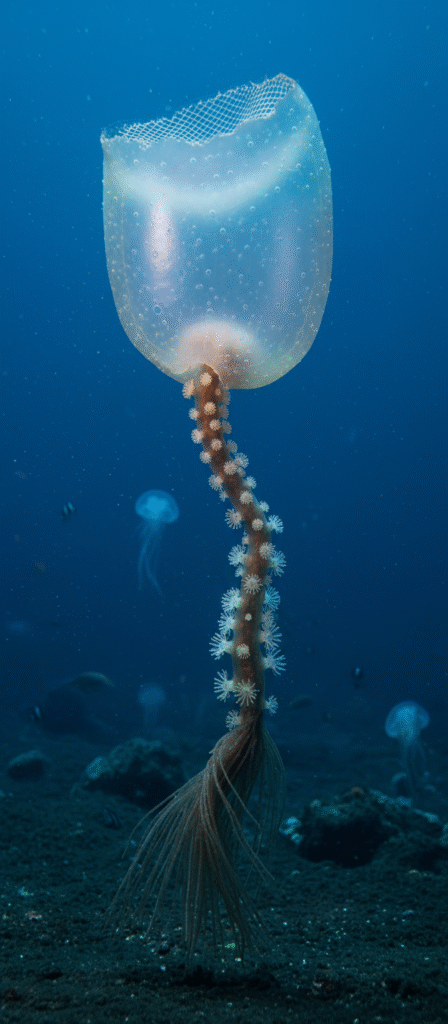
Classification of Pyrosoma

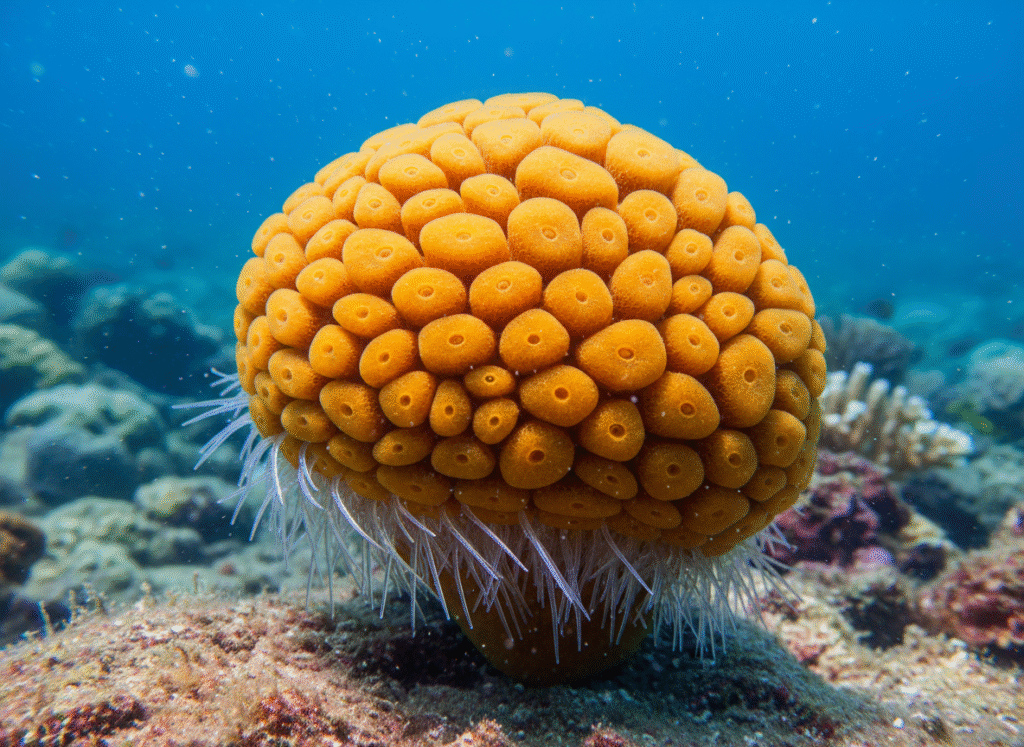
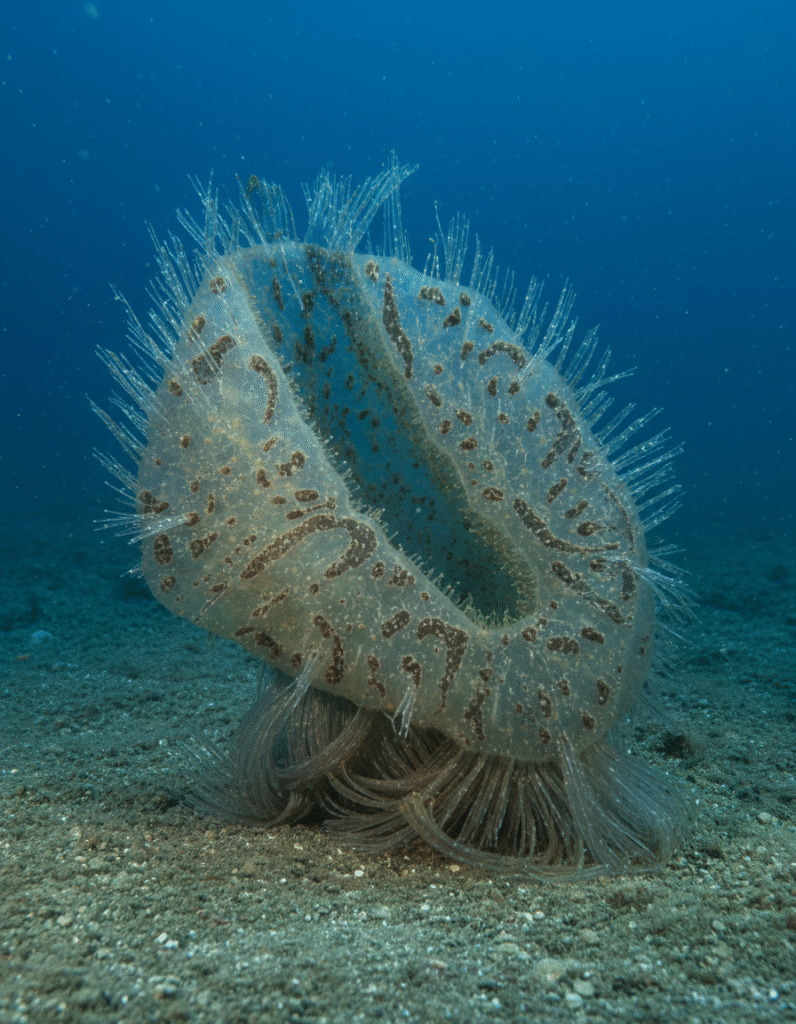
PYROSOMA

Introduction Pyrosoma is a genus of free-floating colonial tunicates belonging to the subphylum Tunicata (Urochordata) in the phylum Chordata. These fascinating marine organisms form tubular colonies composed of hundreds to thousands of individual zooids embedded in a gelatinous matrix. Often referred to as “sea pickles” due to their shape and texture, Pyrosoma colonies are bioluminescent,

PYROSOMA Read More »

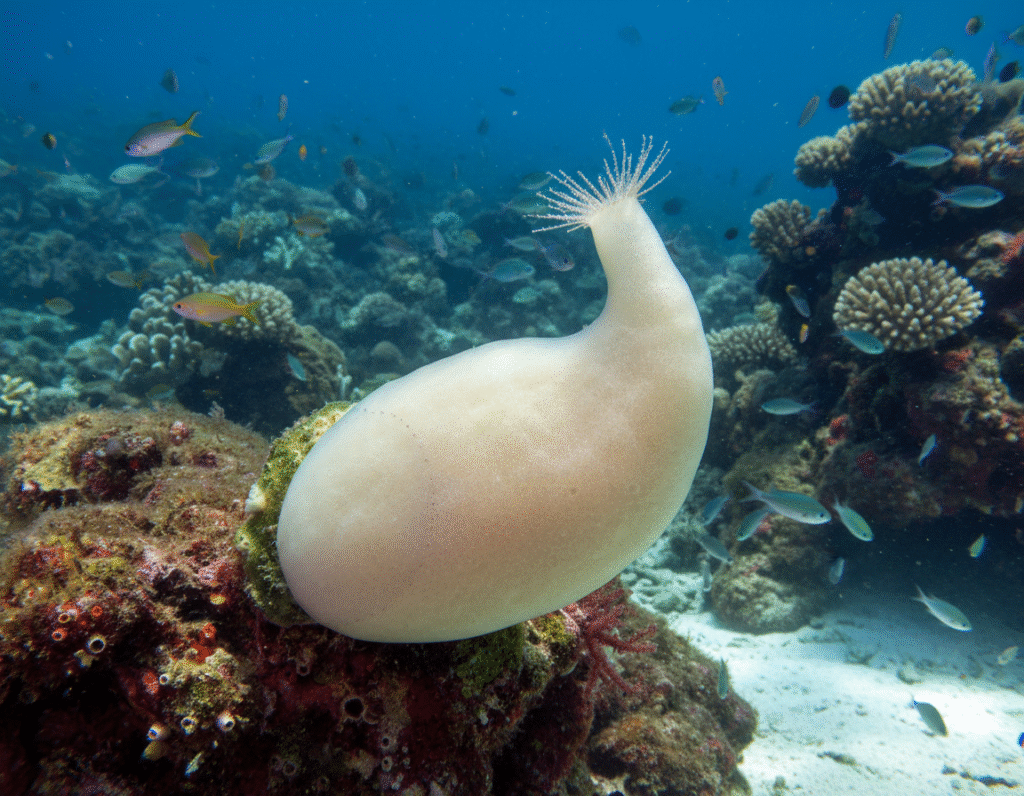
Classification of Herdmania

HERDMANIA

Introduction Herdmania, a genus of sea squirts belonging to the subphylum Tunicata (Urochordata), is a marine invertebrate commonly found in shallow coastal waters. These organisms are sac-like, sessile filter feeders enclosed in a protective tunic composed of tunicin, a cellulose-like material. As tunicates, Herdmania exhibits fascinating evolutionary traits, including the presence of chordate characteristics like

HERDMANIA Read More »

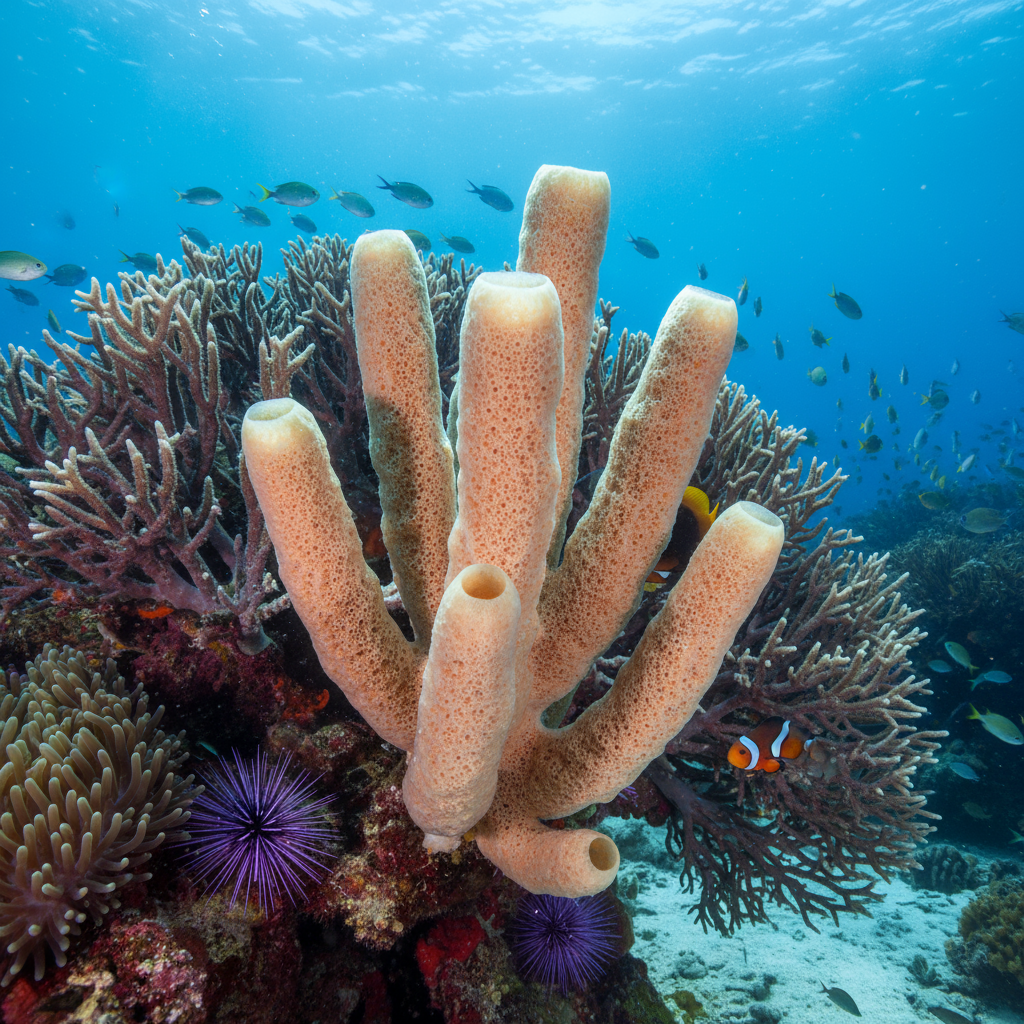
Classification of Ciona

CIONA

Introduction Ciona is a genus of sea squirts, marine invertebrates belonging to the subphylum Tunicata (Urochordata) within the phylum Chordata. Often called “sea vase” due to their vase-like appearance, species in this genus are sessile filter feeders, thriving in marine environments around the world. They are characterized by their translucent, soft-bodied tunics, which are made

CIONA Read More »

Classification of Ascidia

ASCIDIA

Introduction Ascidia refers to a genus of sea squirts, which are sessile marine invertebrates belonging to the subphylum Tunicata (Urochordata) in the phylum Chordata. These intriguing organisms are often regarded as a bridge between invertebrates and vertebrates due to their chordate features, such as a notochord and a dorsal nerve cord in their larval stage.

ASCIDIA Read More »

Classification of Gavialis (Gharial)

GAVIALIS (GHARIYAL)

Introduction The genus Gavialis represents one of the most distinctive groups of crocodilians, commonly known as gharials. These ancient reptiles are renowned for their elongated, narrow snouts, perfectly adapted for catching fish, their primary prey. Gavialis gangeticus, the gharial, is the sole extant species of this genus and is a vital indicator of the health

GAVIALIS (GHARIYAL) Read More »

Classification of Alligator

ALLIGATOR

Introduction Alligators, members of the family Alligatoridae, are remarkable reptiles with a lineage dating back over 37 million years. Often referred to as “living fossils,” they are a testament to the resilience of nature. Two extant species represent this genus: the American alligator (A. mississippiensis) and the Chinese alligator (A. sinensis). Recognized for their broad,

ALLIGATOR Read More »

Classification of Crocodylus (Crocodile)

CROCODYLUS (CROCODILE)

Introduction The genus Crocodylus encompasses true crocodiles, large, semiaquatic reptiles found in tropical and subtropical regions worldwide. Known for their formidable appearance and powerful bite, these apex predators are essential for maintaining the health and balance of aquatic ecosystems. With their ancient lineage, crocodiles are often referred to as “living fossils,” having existed for over

CROCODYLUS (CROCODILE) Read More »

Classification of Naja (cobra)

NAJA (COBRA)

Introduction Naja, commonly known as the true cobras, is a genus of highly venomous snakes found across Africa and Asia. These snakes are easily recognized by their ability to spread a hood when threatened. Cobras possess potent neurotoxic venom that affects the nervous system, making them some of the most dangerous snakes in the world.

NAJA (COBRA) Read More »

Classification of Bungarus (Krait)

BUNGARUS (KRAIT)

Introduction Bungarus, commonly known as kraits, is a genus of highly venomous snakes found primarily in South and Southeast Asia. These nocturnal elapids possess extremely potent neurotoxic venom that affects the central nervous system and can cause paralysis if untreated. Despite their deadly venom, kraits are usually shy and avoid confrontation, often biting only when

BUNGARUS (KRAIT) Read More »