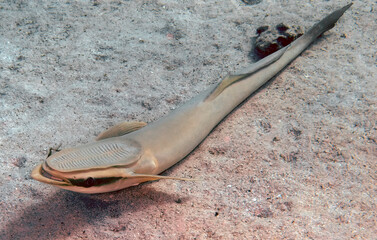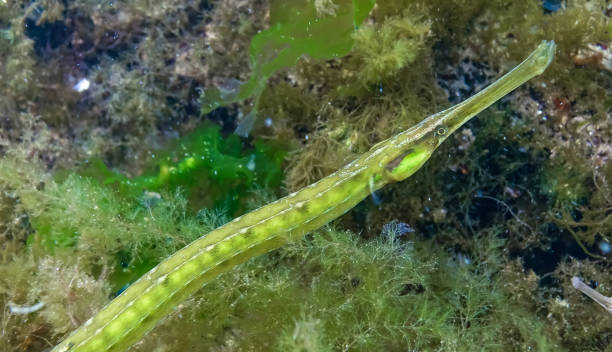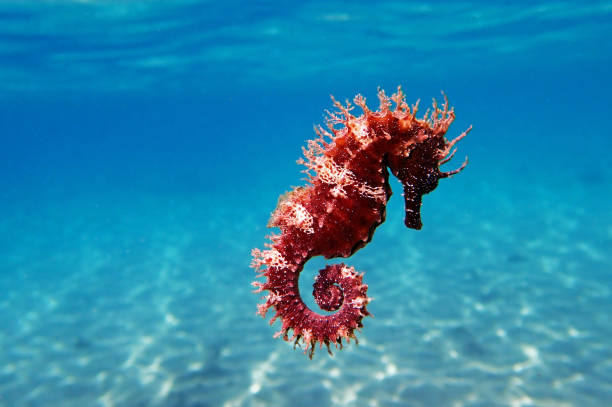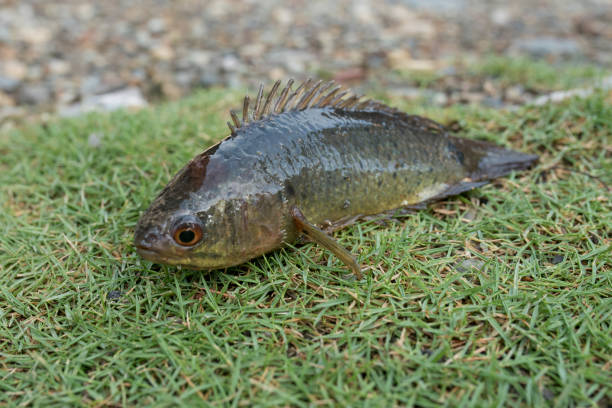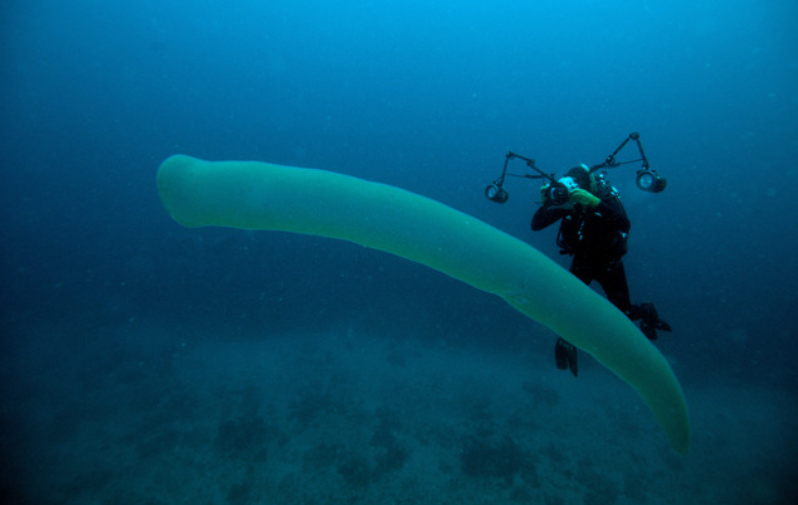
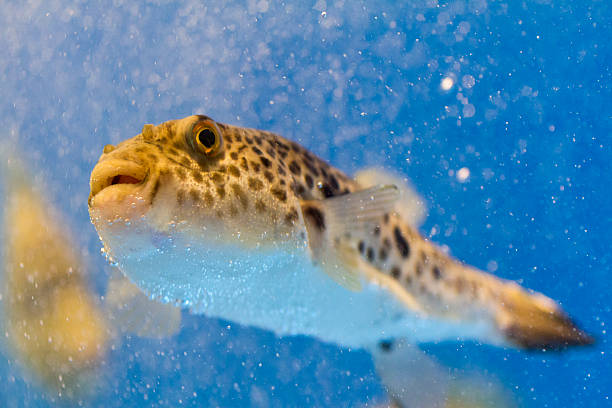
Classification of Trygon (Dasyatis)

TRYGON (DASYATIS) STING RAY

Trygon Commonly known as stingrays, holds significant economic importance in various sectors, including fisheries, ecotourism, and research. Classification of Trygon (Dasyatis) Geographical distribution Trygon is abundantly distributed in tropical regions of the Atlantic and Pacific Oceans. It has been reported from India, Japan, China, North America, Australia and South America. Upper Jurrassic to Recent. Habit

TRYGON (DASYATIS) STING RAY Read More »

RHINOBATUS (GUITAR FISH)

RHINOBATUS (GUITAR FISH)

Rhinobatus (family Rhinobatidae) are a group of cartilaginous fish with significant economic and ecological importance. Their value comes from their use in fisheries, trade, and their role in marine ecosystems. Classification of Rhinobatus (Guitar Fish) Geographical distribution Rhinobatus has been reported from west coast of Africa, Indian Ocean, Australia, China, Atlantic and Pacific coasts of

RHINOBATUS (GUITAR FISH) Read More »

Classification of Pristis (Saw Fish)

PRISTIS (SAW FISH)

The Pristis fish, commonly known as the sawfish, has significant economic and ecological importance, primarily in fisheries, tourism, and as a part of the marine ecosystem. Here’s an overview: Classification of Pristis (Saw Fish) Geographical distribution Pristis is found in tropical and sub-tropical regions. Indian form ascends beyond tidal zones. It is reported from America,

PRISTIS (SAW FISH) Read More »

Classification of Cephalodiscus

CEPHALODISCUS

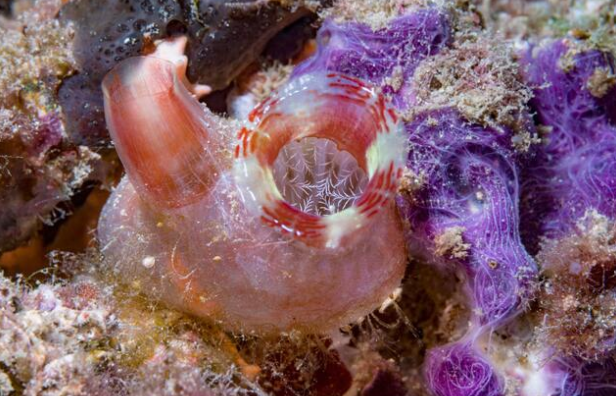
Cephalodiscus is a small genus of sessile hemichordates belonging to the class Pterobranchia. These colonial, tube-dwelling marine organisms are known for their unique lifestyle, in which individuals live within secreted tubular structures attached to rocky or deep-sea substrates. Each zooid possesses a set of feathery arms used for filter feeding. Although they are relatively simple

CEPHALODISCUS Read More »

Classification of Rhabdopleura

RHABDOPLEURA

Rhabdopleura belongs to the class Pterobranchia and represents one of the simplest living hemichordates. It lives in colonies on hard marine substrates and secretes delicate tubes, called coenecia, in which individual zooids reside. Each zooid extends its tentaculated arms to filter feed, capturing suspended particles from the surrounding water. Because it shares important features with

RHABDOPLEURA Read More »

Classification of Saccoglossus

SACCOGLOSSUS

Acorn worms in the genus Saccoglossus are members of the class Enteropneusta within the phylum Hemichordata. These worms feed on organic particles while burrowing through muddy or sandy soils in shallow sea environments. They are crucial to the recycling of nutrients and the turnover of sediment. Saccoglossus offers important information on early deuterostome evolution and

SACCOGLOSSUS Read More »

BONES OF VERTEBRAL COLUMN

BONES OF VERTEBRAL COLUMN

Comparative study of Vertebral Column Comparative studies of the Vertebral Column have shown that although the basic structural patterns (cervical, thoracic, lumbar, sacral, caudal) are conserved among vertebrates, regional specialization reflects locomotion, posture, and adaptation to environmental demands.Vertebrae mark an evolutionary transition from simple, rigid structures in fishes to complex, intertwined, curved columns in tetrapods. Scoliodon : Vertebral Column Comments : In Scoliodon Vertebral Column of 130 vertebrae divided into trunk and caudal regions.

BONES OF VERTEBRAL COLUMN Read More »

PELVIC GIRDLES IN VERTEBRATES

PELVIC GIRDLES IN VERTEBRATES

Comparative study of Pelvic Girdles of vertebrate The vertebrate pelvic girdles is a robust paired structure (ossa innominata) consisting of the ilium, ischium, and pubic bone that connects the hind limbs to the axial skeleton for locomotion and support. It has evolved from the simple cartilage structure of fish to the robust fusion structure of quadrupeds that supports body weight, making it highly adaptable to bipedal locomotion, jumping, and walking

PELVIC GIRDLES IN VERTEBRATES Read More »

FORELIMB BONES OF VERTEBRATES

FORELIMB BONES OF VERTEBRATES

Comparative study of Forelimb bones of vertebrate The forelimb bones of vertebrates have homologous structures (humerus, radius, ulna, carpals, metacarpals, phalanges) adapted to different functions such as flight, running, swimming or grasping, derived from a common ancestor. Although the basic structure is pentadactyl (five fingers), evolution has modified, fused, or reduced these bones to meet

FORELIMB BONES OF VERTEBRATES Read More »

Comparative study of Hind limb bones of vertebrate

HIND LIMB BONES

Comparative study of Hind limb bones of vertebrate The hind limb of vertebrates have a homologous five-toed plan – femur, tibia/fibula, tarsus, metatarsals and phalanges – adapted to specific modes of locomotion. Structural variations exist: running mammals (horses) have reduced toes (cannon bones) to increase speed, birds have a fused tibia, while tetrapods like salamanders

HIND LIMB BONES Read More »

FISH SLIDES (SCOLIODON)

FISH SLIDES (SCOLIODON)

Fish slides of Scoliodon are widely used in zoology laboratories to study the internal and external anatomy of the spiny dogfish shark. These slides typically display structures such as the gills, fins, vertebrae, muscle blocks, and sensory organs. Students examine Scoliodon slides to understand cartilaginous fish morphology, respiratory adaptations, and evolutionary features that distinguish elasmobranchs

FISH SLIDES (SCOLIODON) Read More »

AMPHIBIAN SLIDES (FROG)

AMPHIBIAN SLIDES (FROG)

Amphibian slides of the frog are commonly used in zoology practicals to study the structural organization of a typical vertebrate. These slides often include transverse and longitudinal sections of skin, muscle, intestine, liver, kidney, ovary, testis, and blood vessels. Students examine frog slides to understand amphibian adaptations, organ systems, epithelial types, and basic vertebrate anatomy.

AMPHIBIAN SLIDES (FROG) Read More »

REPTILE SLIDES (LIZARD)

REPTILE SLIDES (LIZARD)

Reptile slides of the lizard are widely used in zoology laboratories to study the tissue structure and organ organization of a typical reptile. These slides often include sections of skin, muscle, intestine, liver, kidney, testis, ovary, and scales. Students use lizard slides to understand reptilian adaptations such as keratinized epidermis, well-developed lungs, and efficient circulatory

REPTILE SLIDES (LIZARD) Read More »

Bird Slides (Pigeon)

BIRD SLIDES (Pigeon)

Bird slides are commonly used in zoology and histology practicals to study the specialized tissues and organ systems of avian species. These slides often include sections of feathers, skin, muscle, lung, intestine, liver, kidney, ovary, and testis. Students examine bird slides to understand adaptations such as lightweight bones, efficient respiration, and high metabolic rate. Because

BIRD SLIDES (Pigeon) Read More »

Mammal Slides : Rabbit Slides

MAMMAL SLIDES : RABBIT SLIDES

Mammal Slides or Rabbit slides are widely used in zoology and histology practicals to study the tissue structure and organ systems of mammals. These slides typically include transverse and longitudinal sections of skin, muscle, intestine, liver, kidney, lung, heart, ovary, and testis. Students examine rabbit slides to understand mammalian characteristics such as hair, endothermy, four-chambered

MAMMAL SLIDES : RABBIT SLIDES Read More »

DISSECTION OF RAT

DISSECTION OF RAT

Dissection of Rat : External Features Procedure of DISSECTION OF RAT :- For external features first kill the rat with chloroform and then immerse it in a solution of lysol or any antiseptic solution. Lay the rat in a dissecting dish keeping ventral surface upwards. Note the following structures : Dissection of Rat : General

DISSECTION OF RAT Read More »