
SIREN (MUD EEL)
Siren is a genus of large, aquatic salamanders found primarily in the southeastern United States. These amphibians are unique for their eel-like appearance

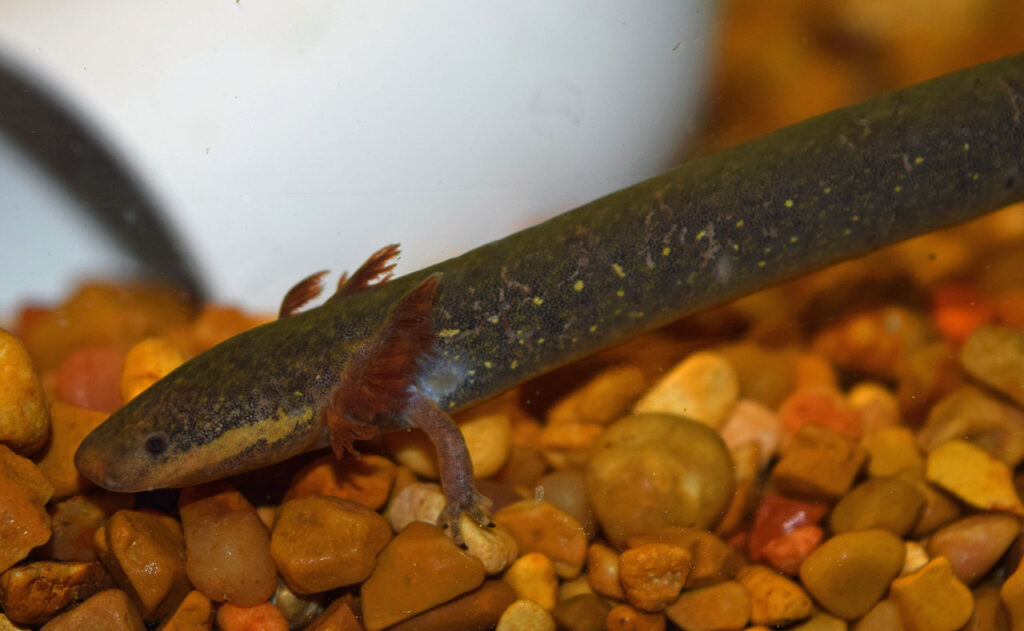
Siren is a genus of large, aquatic salamanders found primarily in the southeastern United States. These amphibians are unique for their eel-like appearance
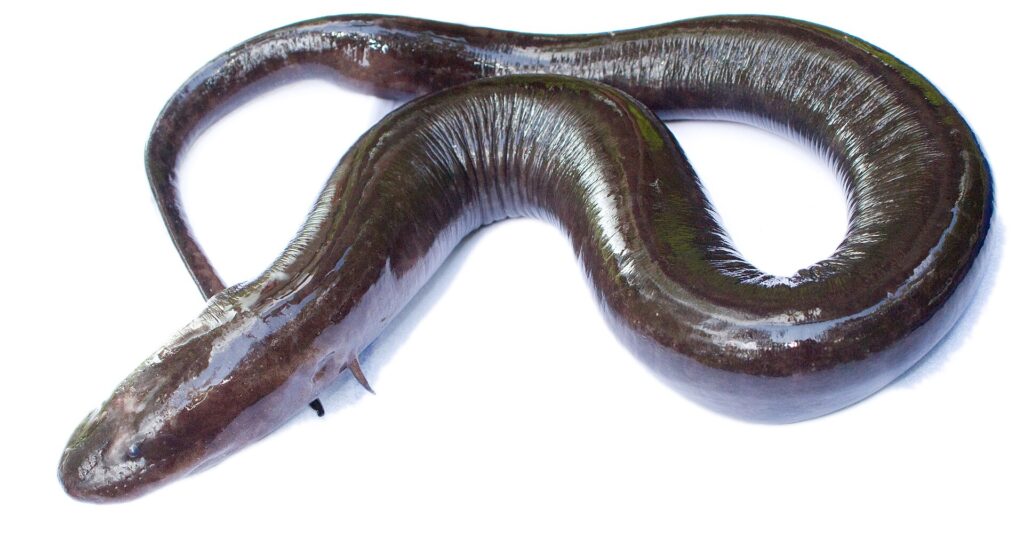
There are three species within the Amphiuma genus: the two-toed amphiuma (Amphiuma means), the three-toed amphiuma (Amphiuma tridactylum),
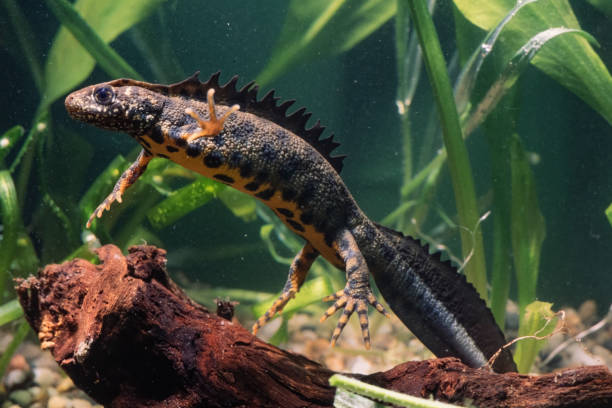
Triturus cristatus, commonly known as the Crested Newt, is a species of amphibian native to Europe. It is one of the largest newts in the continent
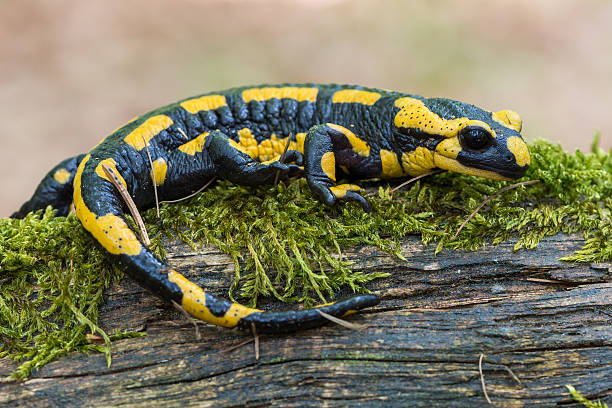
The genus Salamandra comprises terrestrial salamanders found mainly in Europe, parts of North Africa, and Asia.
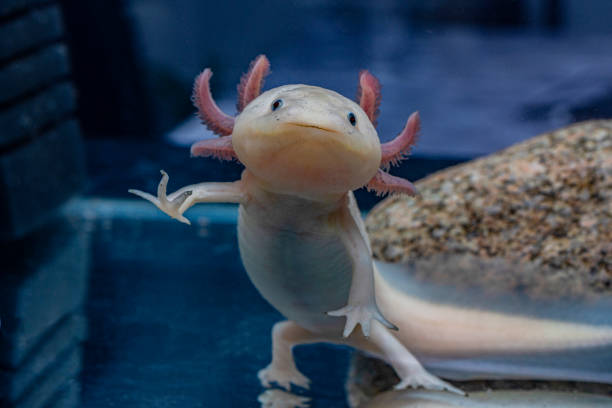
The axolotl larva is a neotenic salamander species, meaning it retains its larval features throughout its life. Native to the lakes of Mexico, particularly Lake Xochimilco, axolotls are famous for their ability to regenerate limbs and organs. Axolotl larvae are the early developmental stage of this unique amphibian. Classification of Axolotl Larva Geographical distribution Habit
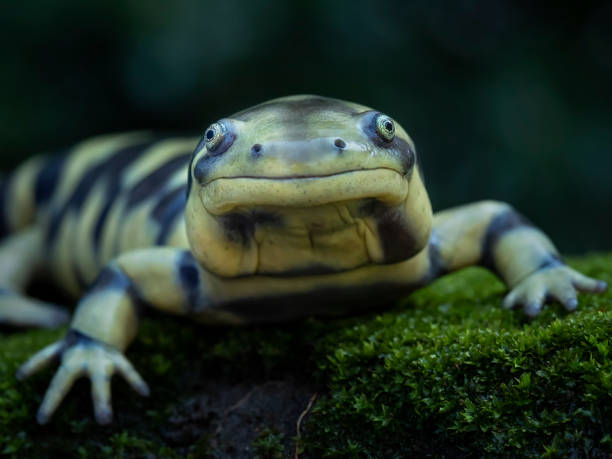
The Ambystoma maculatum, commonly known as the spotted salamander, is a species of mole salamander native to eastern North America.
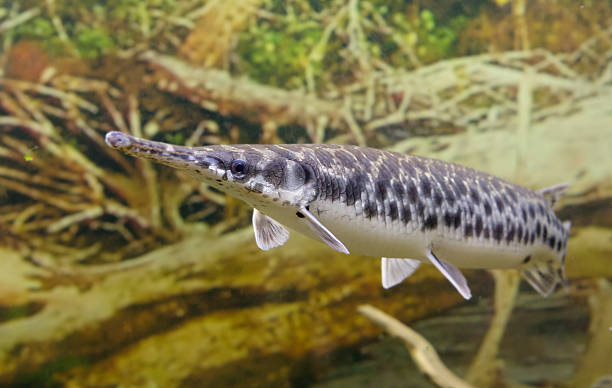
Lepidosteus, commonly known as gars, is a genus of ancient ray-finned fishes belonging to the family Lepisosteidae. These fish are native to North and Central America and are typically found in freshwater rivers, lakes, and brackish waters. Gars are known for their elongated bodies, armored scales, and long, toothy jaws. They are often referred to
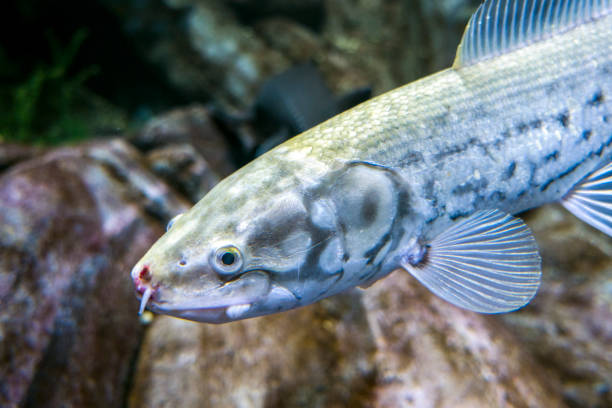
Amia calva, commonly known as the bowfin, is a primitive freshwater fish native to North America. It is the sole surviving member of the family Amiidae, an ancient lineage that dates back over 150 million years. Bowfin are typically found in slow-moving waters such as swamps, backwaters, and rivers, where they are well-adapted to low-oxygen
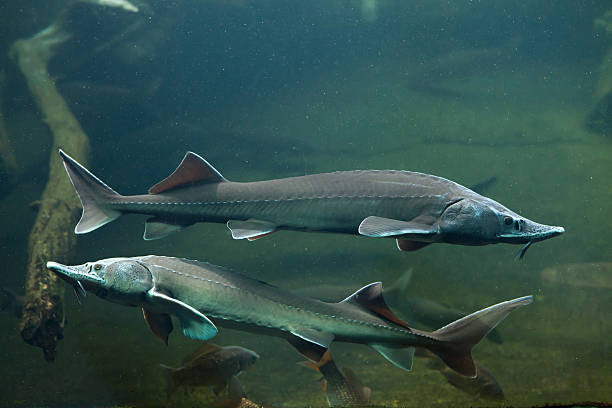
Acipenser is a genus of fish within the family Acipenseridae, commonly referred to as sturgeons. These ancient fish are often called “living fossils”

Polyodon (Paddlefish) are named for their long, flattened snout (rostrum), which is covered with electroreceptors. These sensory organs help them detect plankton in the water, even in low-visibility conditions.
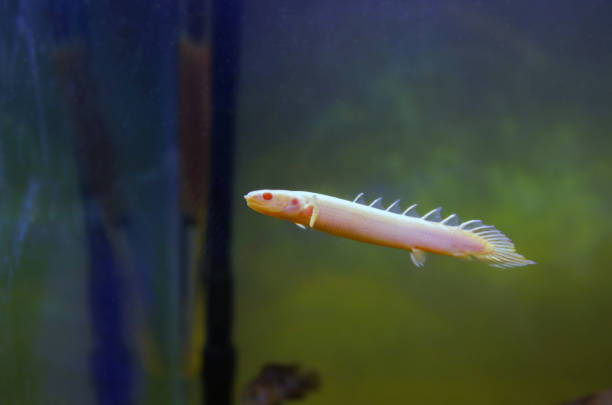
Polypterus species are ecologically significant as both predator and prey, contributing to the health and balance of freshwater ecosystems.
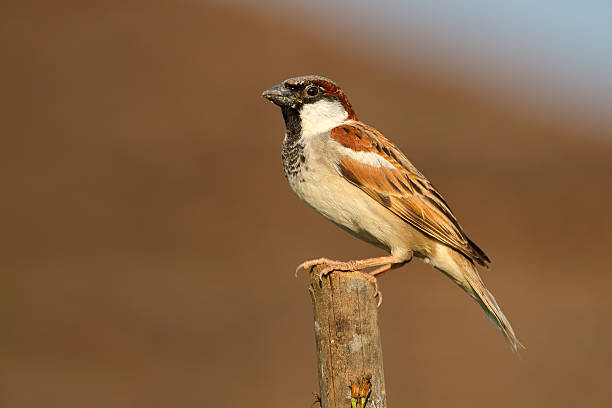
Passer domesticus, commonly known as the House Sparrow, is one of the most widespread and familiar birds across the world. Closely associated with human settlements, this small, social passerine thrives in towns, villages, farms, and urban environments. Recognizable by its stout body, conical seed-eating beak, and chirping calls, the House Sparrow displays remarkable adaptability and
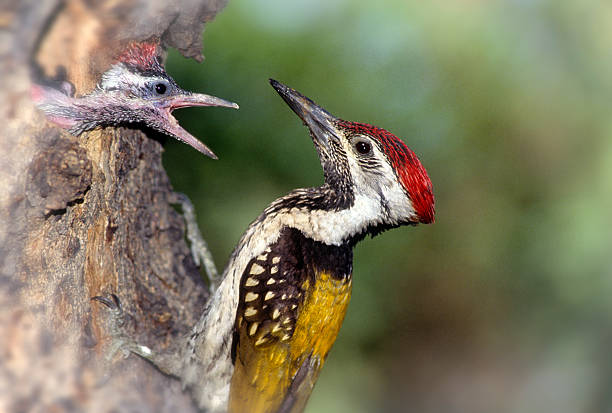
Dendrocopos mahrattensis, commonly known as the Yellow-crowned Woodpecker or Mahratta Woodpecker, is a small and active woodpecker species native to the Indian subcontinent. It inhabits dry deciduous forests, scrublands, orchards, and semi-urban areas, where it feeds on insects, larvae, and tree sap. Recognized by its distinctive yellow crown, barred wings, and sharp drumming calls, this
Dendrocopos mahrattensis (Yellow-crowned Woodpecker) Read More »
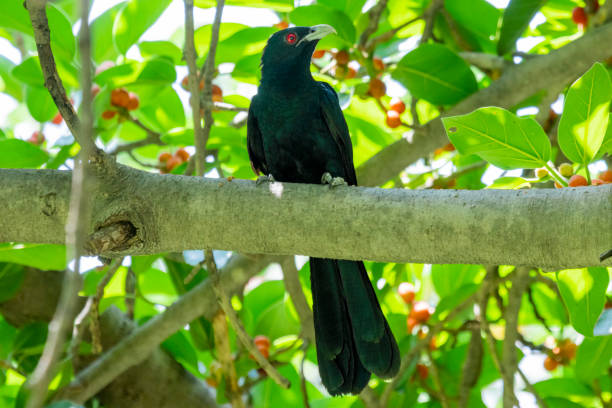
Eudynamis scolopaceus, commonly known as the Asian Koel, is a widely distributed cuckoo species found across South Asia, Southeast Asia, and parts of Australia. Famous for its loud, melodious “koo-ooo” call, the Asian Koel is a familiar sound in summer and breeding seasons. This species is well known for brood parasitism, where females lay eggs
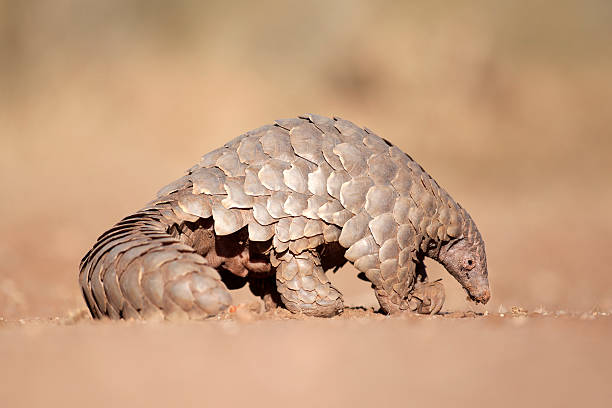
All eight species of pangolins are threatened in some capacity, with many classified as Endangered or Critically Endangered
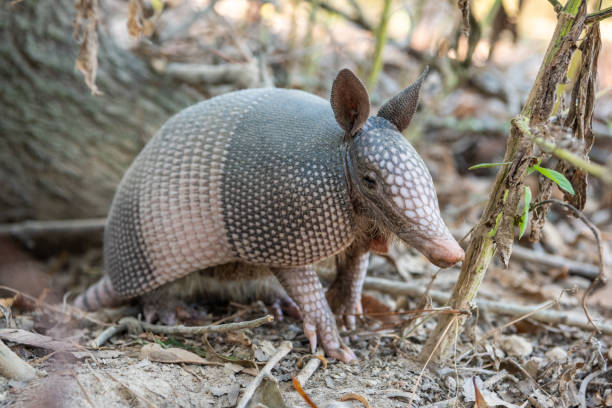
Dasypus, commonly referred to as the long-nosed armadillo, is a genus of armadillos native to the Americas. The most well-known species is the nine-banded armadillo (Dasypus novemcinctus), though the genus includes several others. These unique mammals play significant roles in their ecosystems and exhibit fascinating adaptations. Classification of Dasypus (Armadillo) Geographical distribution Habit and habitat
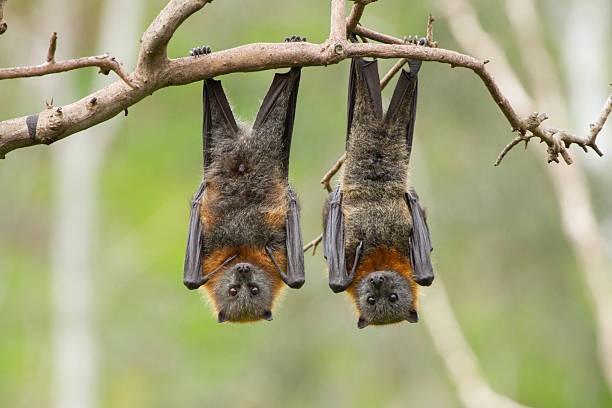
The genus Pteropus, commonly known as flying foxes or fruit bats, comprises large fruit-eating bats found in tropical and subtropical regions, particularly in South and Southeast Asia, Australia, and the Pacific islands. These bats are vital to the health and functioning of ecosystems, but they face significant conservation challenges. Classification of Pteropus (Flying Fox) Geographical

Loris refers to small, nocturnal primates belonging to the family Lorisidae. These arboreal animals are native to South and Southeast Asia and include species such as the slender loris and slow loris (Nycticebus). Despite their small size and elusive nature, lorises play important ecological roles and face significant conservation challenges. Classification of Loris Geographical distribution
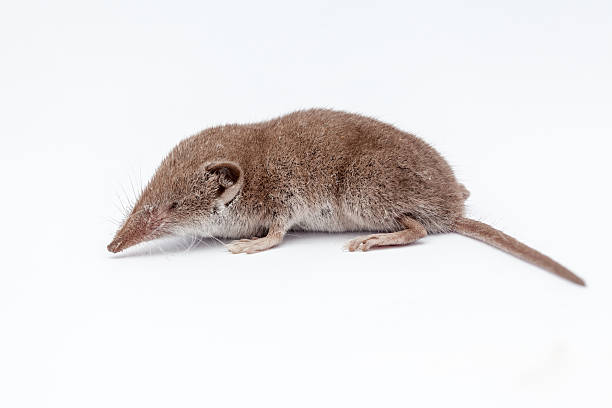
The genus Sorex, commonly known as shrews, includes numerous small mammalian species found in a variety of habitats,
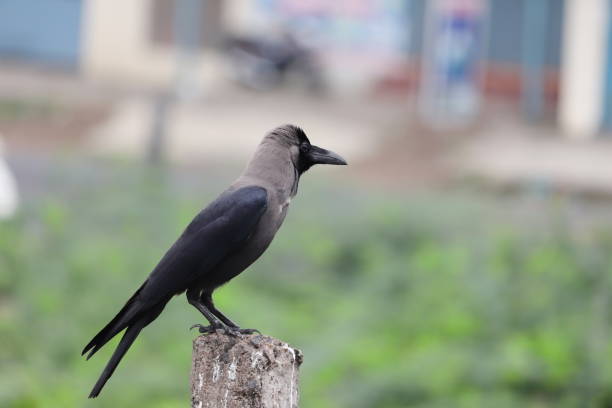
Corvus splendens, commonly known as the House Crow, is one of the most familiar urban birds across South Asia. Highly intelligent and adaptable, this species thrives in human-dominated environments such as towns, villages, coastal areas, and agricultural landscapes. Recognized by its glossy black plumage, grey neck, and harsh cawing calls, the House Crow is an